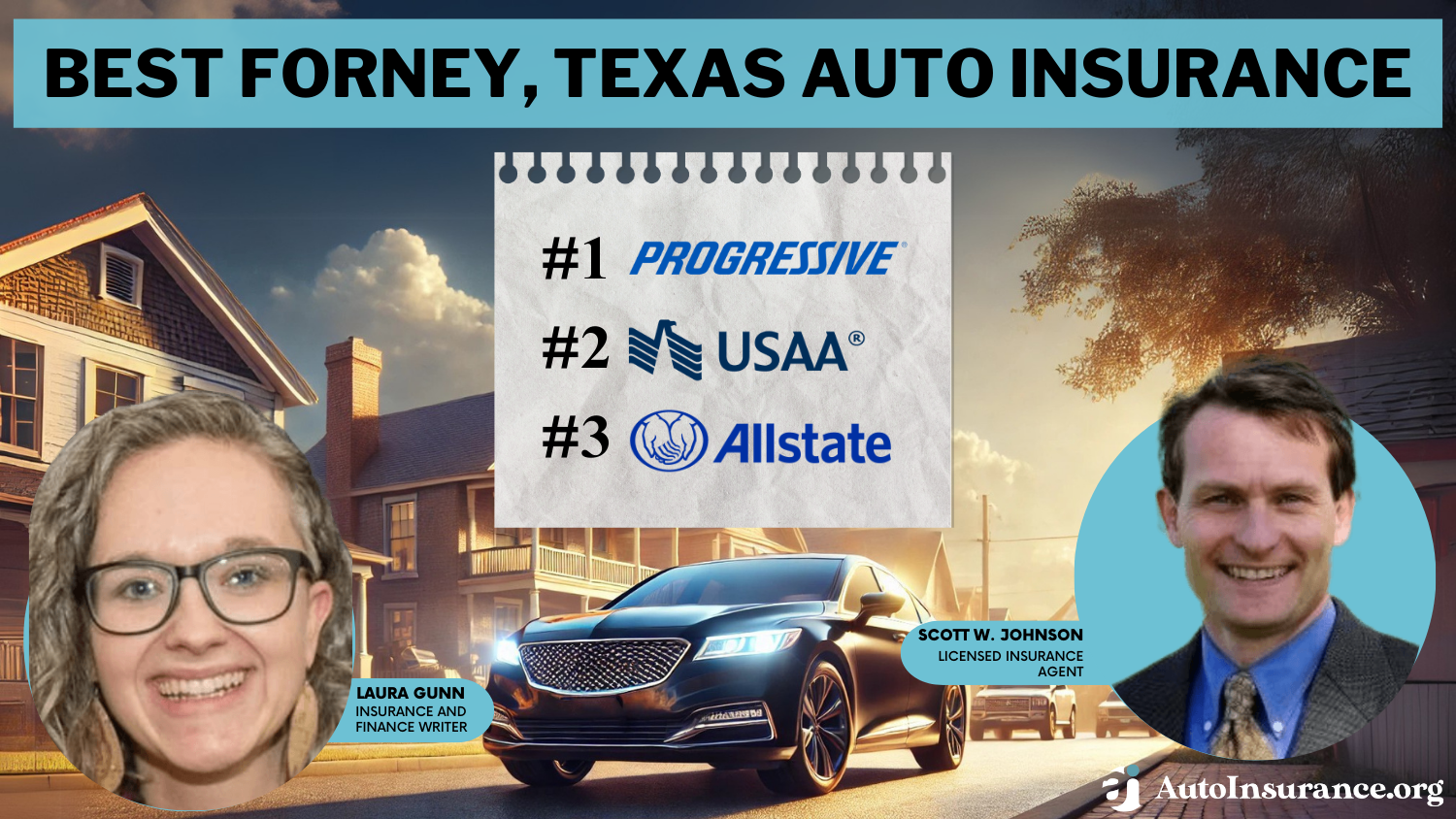
Finding affordable Texas car insurance requires balancing state-mandated coverage requirements with individual risk profiles, driving history, and the specific discounts offered by insurers operating in the Lone Star State. Because Texas operates under a "tort" system for auto accidents, selecting the right policy involves understanding liability limits, the influence of regional demographics on premiums, and the strategic use of state-approved discount programs to manage your annual costs.
Understanding Texas Insurance Requirements
To legally operate a vehicle in Texas, all drivers must maintain minimum liability insurance coverage, commonly referred to as "30/60/25" coverage. This is a baseline legal requirement mandated by the Texas Department of Insurance (TDI), and failing to meet these limits can result in significant fines, license suspension, and potential civil liability.
The 30/60/25 requirement breaks down as follows:
- $30,000 for bodily injury per person: This covers the medical expenses of a single person injured in an accident where you are at fault.
- $60,000 for total bodily injury per accident: This is the maximum amount your insurer will pay for all injuries combined in a single incident.
- $25,000 for property damage per accident: This covers the cost of repairing or replacing the other party’s property, such as their vehicle, a fence, or a utility pole.
While meeting these limits keeps you legal, it may not protect your personal assets if you are involved in a major collision where damages exceed these amounts. "Affordable" insurance, in a practical sense, often means finding a balance between these state-mandated minimums and higher coverage limits that provide genuine financial security.
Factors Influencing Your Insurance Premium
Insurance companies in Texas use complex actuarial models to determine premiums. Understanding these variables is critical when shopping for rates, as you can often exert control over several of them to lower your costs.
Driving History and Risk Assessment
Your driving record is the most significant factor in your premium calculation. Insurers look at "chargeable accidents" and moving violations over a typical three-to-five-year period. A clean record suggests lower risk, which leads to lower rates. Conversely, multiple tickets or at-fault accidents often lead to "high-risk" classification, requiring you to seek carriers that specialize in non-standard insurance.
Vehicle Type and Safety Features
The cost to repair your vehicle significantly impacts your comprehensive and collision premiums. Vehicles with expensive proprietary parts, high theft rates, or high-performance engines often cost more to insure. When purchasing or maintaining a vehicle in Texas, consider safety features like anti-lock brakes, airbags, and anti-theft devices, as many carriers offer direct discounts for these additions.
Geographic Rating Territories
Texas is a massive state with highly varied driving environments. Insurers divide the state into "rating territories." Drivers in dense urban areas like Dallas, Houston, or Austin typically pay higher premiums than those in rural areas due to higher traffic congestion, a greater statistical likelihood of accidents, and increased vehicle theft rates.
Credit-Based Insurance Scores
In Texas, insurers are permitted to use credit-based insurance scores to predict the likelihood of a future claim. Statistics show a correlation between certain credit behaviors and the frequency of insurance claims. Improving your credit score over time is one of the most effective long-term strategies for reducing your auto insurance premiums in the state.
Strategic Steps to Lower Your Premiums
Reducing your insurance costs is not just about choosing the cheapest provider; it is about optimizing your profile for the insurance market.
Bundling Insurance Products
The most common way to secure a multi-policy discount is to bundle your auto insurance with homeowners, renters, or life insurance. Most major carriers in Texas offer significant percentage discounts—sometimes 10% to 20%—when you consolidate your policies under one company.
Increasing Your Deductibles
The deductible is the amount you pay out-of-pocket before your insurance kicks in. By raising your collision or comprehensive deductible from $500 to $1,000 or $2,000, you demonstrate to the insurer that you are willing to take on more financial responsibility. This lower "first-dollar" risk for the insurer almost always results in a lower annual premium. However, only choose this path if you have the funds readily available in an emergency savings account to cover the higher deductible.
Utilizing Telematics Programs
Many Texas insurers now offer usage-based insurance (UBI) programs. These programs use a mobile app or a device plugged into your vehicle’s OBD-II port to track your driving habits—specifically hard braking, speed, and time of day. If you are a safe driver who logs fewer miles, you can qualify for significant "good driver" discounts that are not available through traditional underwriting.
Shopping During Renewal
Insurance rates are not static. Because Texas is a highly competitive market, it is beneficial to request quotes from at least three different carriers every time your policy is up for renewal, or at least every 12 months. Your status as a loyal customer rarely yields lower rates than the introductory rates offered to new applicants.
Comparison of Common Coverage Options
| Coverage Type | Purpose | Is it Mandatory? | Recommendation |
|---|---|---|---|
| Liability (30/60/25) | Protects others' property/health | Yes | Required for legality |
| Collision | Repairs your car after an accident | No | Essential for newer vehicles |
| Comprehensive | Covers theft, fire, weather damage | No | Valuable in storm-prone Texas |
| Uninsured Motorist | Covers you if hit by an uninsured driver | No | Highly recommended in Texas |
| Personal Injury (PIP) | Covers medical bills for you/passengers | No | Provides fast medical payment |
Note: Texas law requires insurers to offer Personal Injury Protection (PIP) and Uninsured/Underinsured Motorist (UM/UIM) coverage. You must formally reject these in writing if you do not want them included in your policy.
Frequently Asked Questions
Does Texas require personal injury protection (PIP)?
Texas insurance companies must offer you PIP coverage, but you are not legally required to carry it. You can opt-out by signing a written rejection. PIP is generally useful because it provides "no-fault" coverage for medical expenses, regardless of who caused the accident.
What is the difference between collision and comprehensive insurance?
Collision coverage pays for damages to your vehicle caused by a collision with another object or vehicle. Comprehensive coverage (often called "other than collision") covers events outside of your control, such as theft, vandalism, hail damage, or hitting an animal. Given the frequency of hail storms in various parts of Texas, comprehensive is often a prudent choice.
How do I check if an insurance company is licensed in Texas?
Always verify that a carrier is licensed by the Texas Department of Insurance (TDI). You can use the "Company Lookup" tool on the official TDI website to verify the status of any insurer. This ensures you are protected by the Texas Property and Casualty Insurance Guaranty Association if the company becomes insolvent.
Does my credit score really affect my car insurance rate in Texas?
Yes. Texas law allows insurance companies to use credit information to set rates, provided they follow the requirements of the Fair Credit Reporting Act. While it is not the only factor, a higher credit score often unlocks lower tier pricing.
What should I do if I am labeled a high-risk driver?
If you have multiple violations or accidents, you may find it difficult to obtain insurance through the standard market. If you are turned down by multiple companies, you may qualify for the Texas Automobile Insurance Plan Association (TAIPA), which is a state-run program designed to provide insurance coverage to drivers who cannot obtain it through private insurers.
Is it cheaper to pay my insurance in full?
Yes, most insurers offer a "paid-in-full" discount. If you can afford the annual premium upfront, you avoid installment fees and the interest often charged for monthly payment plans, which can save you several percentage points over the course of a year.
Practical Next Steps for Texas Drivers
To secure the most affordable Texas car insurance options for your situation, follow this sequence:
- Audit your current policy: Identify exactly what coverage you have and what you are paying. Use the TDI "HelpInsure" website to compare sample rates for your area.
- Evaluate your risk: If your driving record is clean and your credit is strong, ensure you are leveraging "good driver" and "multi-policy" discounts.
- Request quotes: Contact three to five licensed insurers using your current declaration page as a reference to ensure you are comparing identical coverage levels.
- Inquire about specific Texas discounts: Specifically ask agents about discounts for defensive driving courses, paperless billing, and advanced safety features, as these are frequently overlooked.
- Re-evaluate at renewal: Never let a policy auto-renew without quickly checking the current market to see if another provider has lowered their rates for your specific demographic.