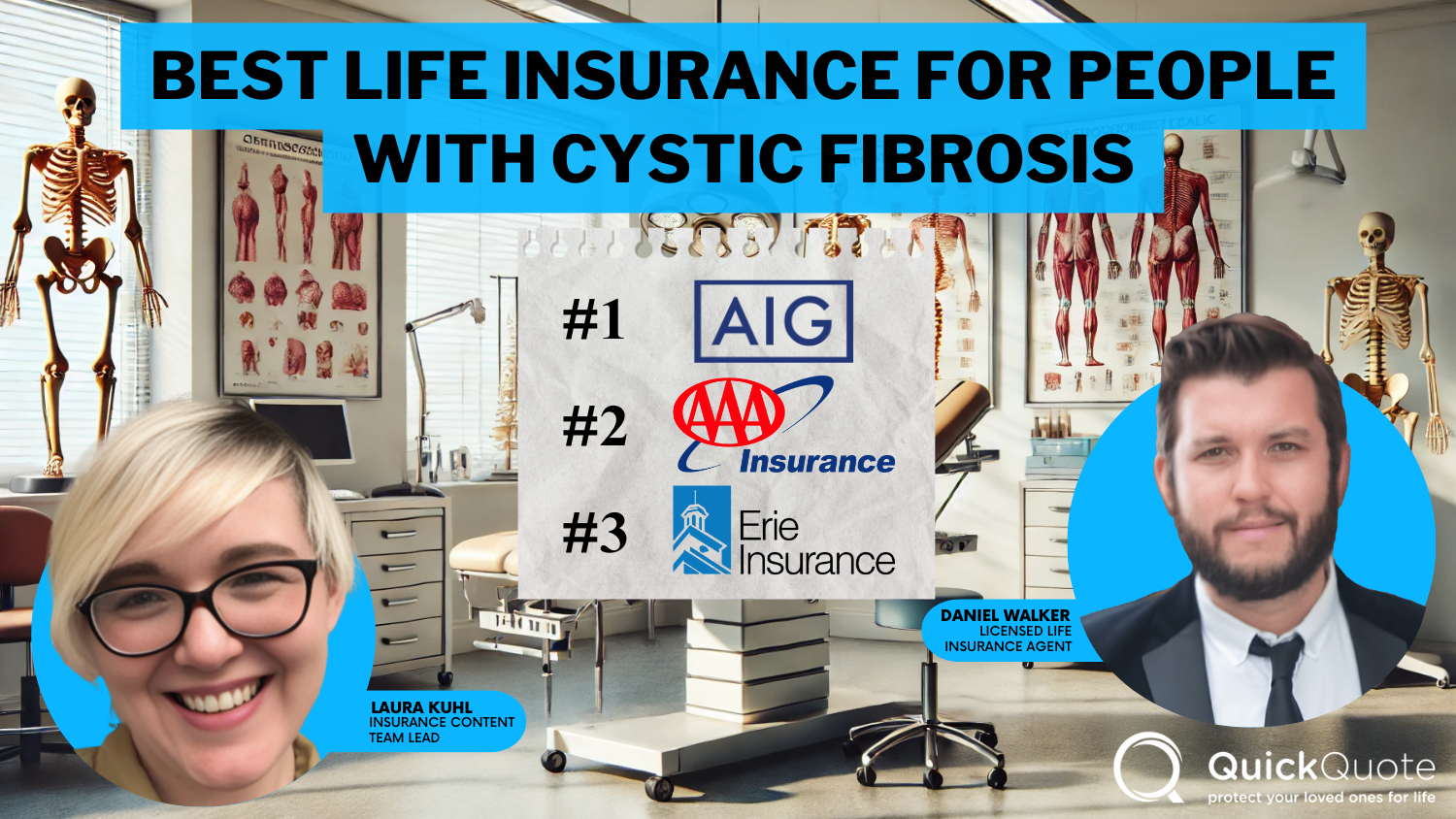
Securing affordable term life insurance with cystic fibrosis (CF) is complex due to the chronic nature of the condition, but it is not impossible in 2026. Coverage eligibility and pricing depend on factors like lung function (FEV1), medication adherence, and hospital history. Working with an independent life insurance broker specializing in high-risk cases is the most effective way to compare competitive underwriting offers.
Understanding the Underwriting Process for Cystic Fibrosis
When an individual with cystic fibrosis applies for term life insurance, the underwriting process shifts from standard statistical tables to a individualized medical review. Life insurance companies generally evaluate applicants based on their "risk class." For most people, this ranges from "Preferred Plus" to "Standard." Because CF is a progressive genetic condition affecting the lungs and digestive system, applicants are typically categorized in "table ratings" or "substandard" risk classes, which often result in higher premiums than those offered to the general population.
Underwriters at major carriers analyze specific clinical metrics to determine the level of risk. They prioritize data from the most recent 24 to 36 months, looking specifically at pulmonary function tests—often represented by the forced expiratory volume in one second (FEV1)—and the frequency of pulmonary exacerbations requiring intravenous antibiotics or hospitalizations. A stable medical history suggests a lower risk of premature mortality, which can significantly improve your chances of securing a policy at an affordable rate.
The Role of Specialized Underwriting and Independent Brokers
Not all insurance carriers view cystic fibrosis the same way. Some companies have more experience and data regarding the management of CF, leading them to be more lenient or competitively priced for this specific demographic. Applying to a "generalist" carrier without prior research can lead to automatic declines or exorbitant "flat extra" fees.
Independent life insurance brokers are essential partners in this journey. Unlike "captive agents" who only sell products for one company, independent brokers have access to multiple carriers. A skilled broker will "shop" your medical profile—anonymously, if requested—to different companies' underwriters to see who is willing to offer the most favorable rating. This process, known as a "trial application" or "informal inquiry," allows you to gauge potential premiums without formally applying and risking a decline on your insurance record.
Factors Influencing Your Insurance Premiums
When seeking affordable term life insurance, you must understand the variables that underwriters use to calculate your cost. While you cannot change your diagnosis, you can provide the most favorable picture of your health management.
Key Medical Metrics
- FEV1 Stability: Stable lung function over several years is the most critical factor. Sharp declines in FEV1 often trigger higher risk ratings.
- Treatment Adherence: Documentation showing consistent use of modulators (e.g., Trikafta) or other prescribed therapies indicates proactive health management.
- Nutritional Status: Underwriters look at Body Mass Index (BMI) and signs of malabsorption. Maintaining a healthy weight demonstrates that the digestive symptoms of CF are well-managed.
- Co-morbidities: The presence of CF-related diabetes (CFRD) or liver disease adds complexity to the risk profile, potentially increasing premiums or necessitating a specific type of policy.
Personal Habits
- Tobacco and Nicotine Use: Any form of smoking or vaping is an automatic red flag for an individual with compromised lung function. Refraining from nicotine use is the single most important lifestyle choice for insurance approval.
- Professional and Recreational Risks: High-risk hobbies (e.g., skydiving or scuba diving) combined with a pre-existing medical condition like CF can make it difficult to secure coverage.
Comparing Coverage Options
While term life insurance is often the most affordable way to secure a high death benefit for a fixed period (such as 10, 20, or 30 years), it is not the only path. The following table provides a comparison of how different insurance structures might fit your needs in 2026.
| Policy Type | Best Used For | Cost Structure | Underwriting Difficulty |
|---|---|---|---|
| Term Life | Income replacement and debt coverage | Fixed, lower premiums | High |
| Guaranteed Issue | Final expenses or if declined elsewhere | Higher cost, lower limits | None (no medical exam) |
| Group Coverage | Employer-provided basic protection | Payroll deduction | Very Low |
| Permanent/Whole | Long-term planning, cash value | High, stable premiums | High |
Strategic Planning: The Value of Group Policies
If you are employed, check your employee benefits package for "Group Term Life Insurance." Often, employers offer coverage that requires no medical underwriting—meaning your CF diagnosis is irrelevant to your approval. This is frequently the most affordable way to get a baseline level of protection. While it may not be enough to cover all your long-term financial obligations, it provides a guaranteed safety net while you explore individual policies.
Common Obstacles and How to Overcome Them
Many applicants with CF face the hurdle of a "flat extra" fee. This is an additional charge per $1,000 of coverage added to your base premium due to the heightened mortality risk. While this can make a policy more expensive, it is often a sign that you have been approved rather than declined.
If you are faced with a high quote, consider these troubleshooting steps:
- Request a Reconsideration: If you have had recent, successful clinical interventions or if your lung function has stabilized since your last application, ask your broker to request a review of your rating.
- Adjust the Term Length: A 30-year term policy is much more expensive than a 10-year term policy because the insurer is "on the hook" for a longer duration. If you only need coverage to pay off a mortgage or until your children graduate college, a shorter term may be significantly cheaper.
- Laddering Policies: Some people choose to buy two smaller policies rather than one large one. This can help if you are worried about the total premium cost or if you want the flexibility to cancel one policy later without losing all your coverage.
Frequently Asked Questions
Will my cystic fibrosis diagnosis lead to an automatic rejection? Not necessarily. While some carriers may decline applicants with advanced disease, others specialize in high-risk underwriting. Working with a broker who understands the nuances of CF will help you find carriers that focus on stability rather than just the diagnosis.
Does taking CF modulator therapy affect my insurance application? Generally, this is viewed positively. Effective medical management that results in stable FEV1 and fewer hospitalizations is precisely what underwriters look for. Ensure your doctor clearly documents your adherence to these medications in your medical records.
How often should I re-evaluate my life insurance costs? You should review your coverage every two to three years or following any significant milestone in your health management. If your health has improved or if new, lower-risk underwriting guidelines have been adopted by the industry, you may be able to secure a better rate on a new policy.
Can I get life insurance without a medical exam? Yes, "Simplified Issue" or "Guaranteed Issue" policies exist, but they are often more expensive for the amount of coverage provided. For someone with CF, a fully underwritten policy—where you provide medical records—is usually the best way to get a fair price based on your actual, current health status rather than a "worst-case scenario" assumption.
Are there specific states or laws that help people with CF get insurance? Life insurance underwriting is largely regulated at the state level, but there are no federal laws forcing private insurers to ignore a medical condition like CF. However, the Affordable Care Act (ACA) protects you from being denied health insurance; this does not apply to life insurance. Always verify your state’s specific regulations with the department of insurance if you suspect unfair treatment.
Is it better to get a larger policy now or wait until my health improves? Because life insurance premiums are based on your age and health at the time of purchase, it is almost always better to lock in coverage while you are younger and healthier. Waiting for your health to "improve" often results in higher premiums due to the natural aging process.
Final Recommendation: Your Next Action Plan
If you are ready to pursue term life insurance, start by gathering your clinical data. Request copies of your medical records from the last two years, including your most recent pulmonary function tests, hospitalization reports, and a list of current medications. Contact an independent insurance broker who has experience with "impaired risk" or "high-risk" life insurance. Be transparent with them about your health history so they can provide you with an accurate, realistic assessment of your options. Your goal is to secure a policy that balances your budget with the financial security your family requires.