Navigating foundation and home repair in Hartselle, Alabama, requires an understanding of local soil conditions, regional climate factors, and standard stabilization methods to protect your investment affordably. Homeowners in Morgan County frequently encounter structural shifts driven by expansive clay soils and variable moisture levels, making early detection and cost-effective intervention essential for long-term home preservation.
Understanding the Hartselle, Alabama Soil and Climate Context
Hartselle, Alabama, sits within a geographic region characterized by distinct seasonal weather patterns and specific geological formations. Understanding why foundation problems occur here requires examining the local earth beneath residential structures. North Alabama features a complex mix of limestone geology and clay-heavy soils. These expansive soils undergo dramatic volumetric changes depending on the amount of moisture present in the environment.
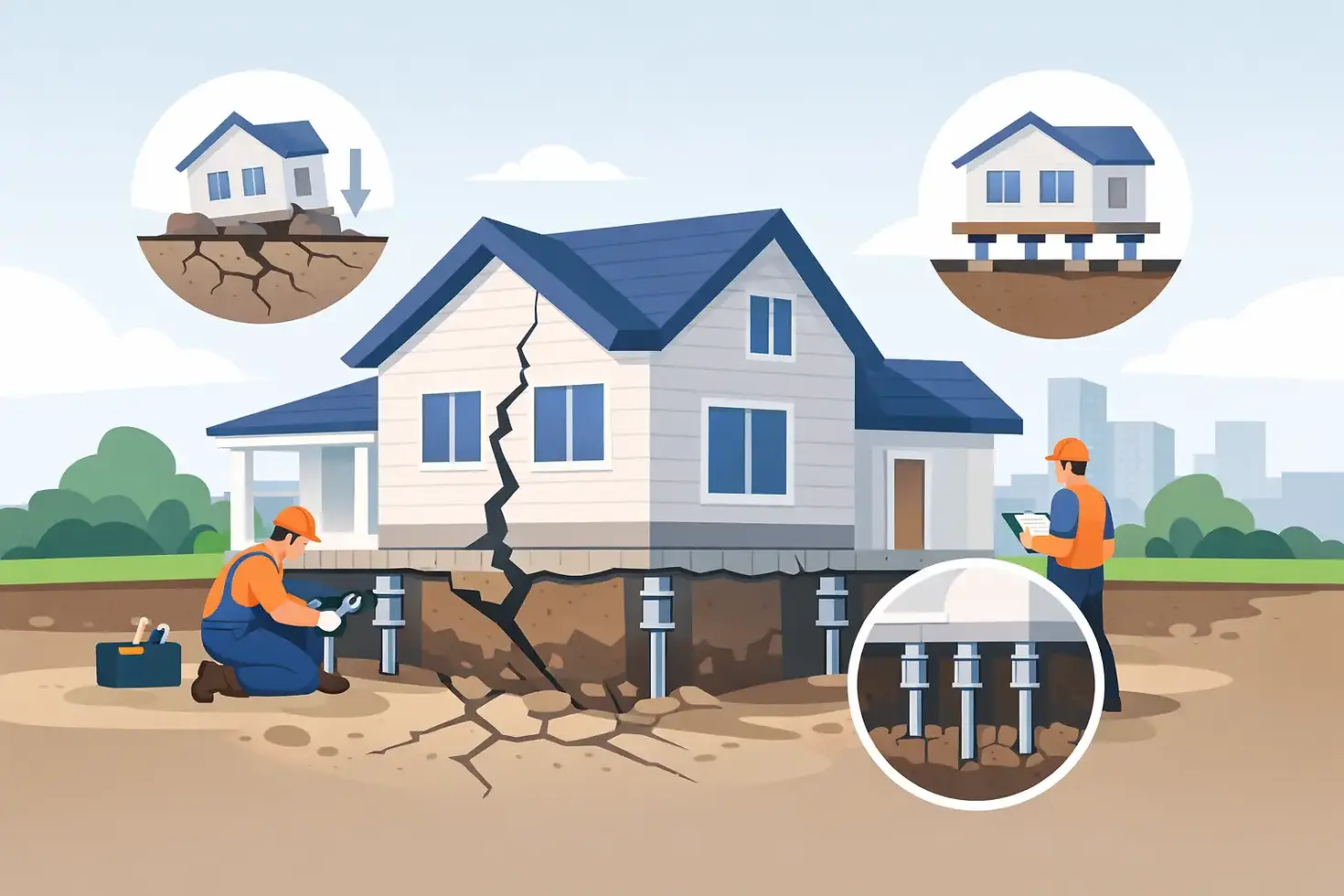
During heavy rainfall and wet winter or spring seasons, clay soils absorb significant amounts of water, causing them to swell and exert immense lateral and vertical pressure against concrete slabs, crawl space walls, and basement masonry. Conversely, during hot, dry summer months, this same clay soil loses moisture rapidly, shrinking and pulling away from foundations. This continuous cycle of swelling and shrinking creates uneven support beneath a home, leading to differential settlement, foundation cracks, and structural distress.
Furthermore, Hartselle experiences high annual precipitation and humid subtropical conditions. Excessive moisture around a home's perimeter can erode soil stability, wash away supportive earth, and infiltrate crawl spaces, fostering mold growth and wood rot in floor joists and sills. Homeowners must recognize that affordable foundation repair is not merely about patching cracks; it is about addressing the root hydrological and geological forces affecting the property.
Common Signs of Foundation Distress in Residential Properties
Recognizing the early warning signs of foundation movement can prevent minor settling from escalating into a catastrophic structural failure. Property owners should perform regular visual inspections of both the interior and exterior of their homes, paying close attention to changes in alignment, material integrity, and structural behavior.
Interior indicators often appear long before exterior damage becomes severe. Drywall cracks that angle upward toward door frames or window corners are classic symptoms of foundation settlement. Doors and windows that suddenly stick, refuse to latch, or exhibit wide gaps at the top or bottom indicate that the structural framing has shifted out of square. Additionally, sloping floors, uneven transitions between rooms, and gaps between baseboards and the floor surface strongly suggest that the support system underneath has compromised.
Exterior indicators provide direct visual confirmation of foundation shifting. Stair-step cracks in brick masonry or concrete block walls are a primary red flag, showing where sections of the wall are moving independently. Gaps forming around exterior doors, windows, or garage door frames indicate frame distortion. If a chimney appears to tilt away from the main house or exterior walls show visible bowing or leaning inward, immediate professional evaluation is required to determine the appropriate remediation strategy.
Overview of Foundation and Home Repair Services
When structural damage is identified, homeowners face a variety of repair methodologies designed to stabilize buildings and restore structural integrity. Choosing the right intervention depends on the specific foundation type—whether slab-on-grade, crawl space, or basement—and the nature of the underlying soil failure.
Piering and Underpinning Systems
For homes experiencing settlement where exterior walls or slabs are sinking, steel push piers or helical piers are the industry standard. Steel piers are driven deep into load-bearing strata far beneath the active clay soil layer, hydraulically transferring the weight of the structure onto stable subterranean foundations. Helical piers, which resemble large screws, are rotated deep into the earth and attached to foundation brackets to lift and stabilize settling sections.
Wall Anchors and Carbon Fiber Straps
Basement and crawl space walls that bow inward due to lateral soil pressure require stabilization against further movement. Wall plate anchors use exterior earth plates connected via steel rods to interior wall plates, allowing professionals to gradually tighten the system and straighten the wall over time. Alternatively, carbon fiber straps can be epoxy-bonded directly to masonry walls to provide high tensile strength, preventing any further inward bowing without altering usable interior space.
Crawl Space Encapsulation and Moisture Control
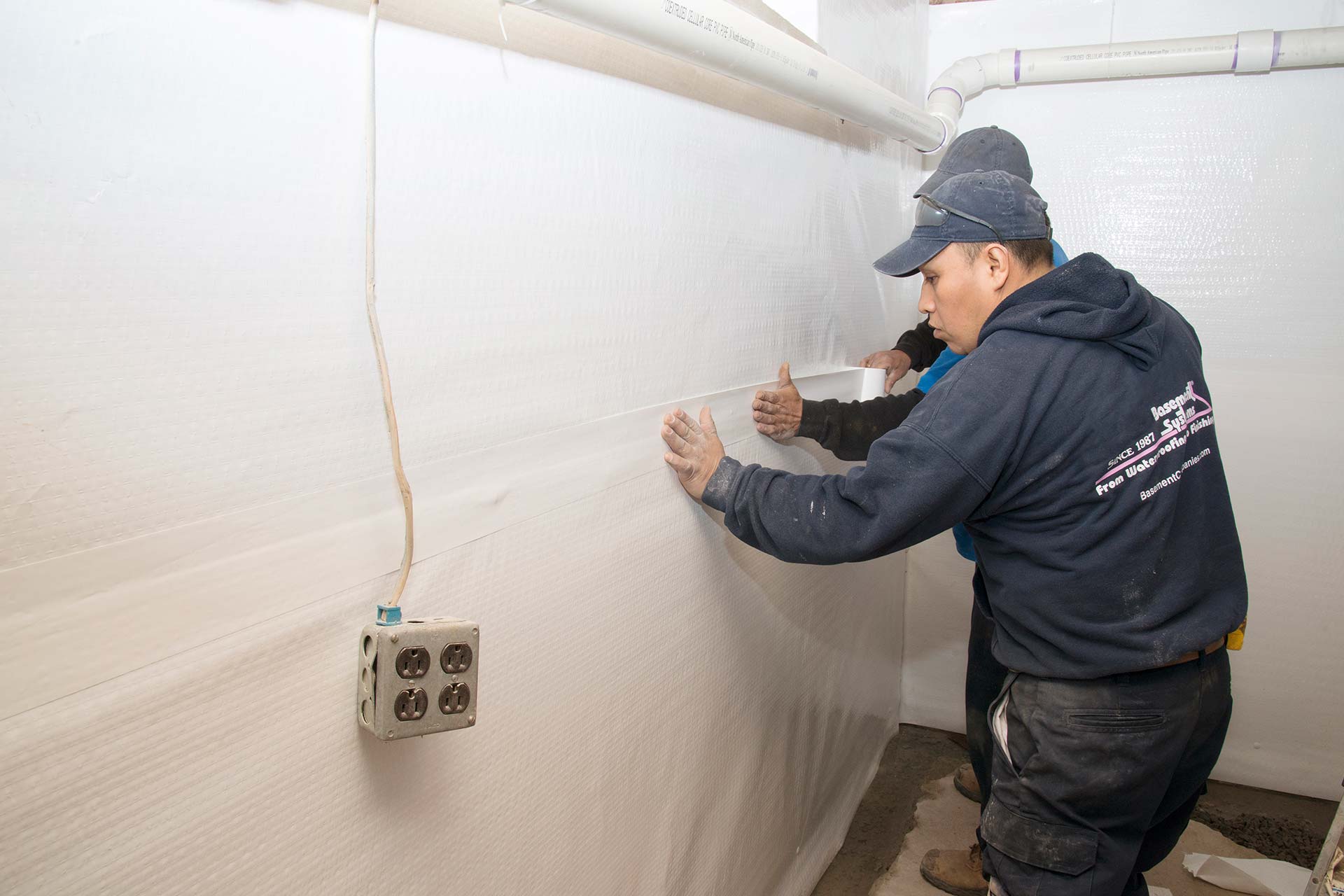
Because moisture is a primary catalyst for foundation and structural wood decay in North Alabama, crawl space encapsulation is a vital preventative and corrective service. This process involves lining the crawl space floor and walls with a heavy-duty vapor barrier, sealing crawl space vents, and installing a dedicated dehumidifier. Controlling humidity prevents wood-destroying fungi, terminates termite attraction, and stabilizes the moisture content of the soil immediately beneath the home.
Cost Factors and Budgeting for Repairs in Hartselle, AL
Budgeting for home repairs requires transparency regarding cost drivers, labor expectations, and long-term value. Foundation repair costs vary widely depending on the severity of the damage, the square footage of the home, the specific engineering solution required, and site accessibility.
| Repair Method | Average Cost Range | Primary Purpose | Long-Term Effectiveness |
|---|---|---|---|
| Steel Push / Helical Piers | $1,500 – $3,000 per pier | Lifting and stabilizing settling foundations | Permanent stabilization in load-bearing strata |
| Wall Plate Anchors | $500 – $1,000 per anchor | Stabilizing and straightening bowing foundation walls | High resistance to lateral soil pressure |
| Carbon Fiber Straps | $400 – $800 per strap | Reinforcing cracking or bowing masonry walls | Maintenance-free structural reinforcement |
| Crawl Space Encapsulation | $4,000 – $10,000 total | Controlling moisture, mold, and soil expansion | Protects floor joists and stabilizes indoor air |
| Mudjacking / Slab Jacking | $600 – $1,500 total | Leveling sunken concrete slabs and sidewalks | Effective for minor, non-structural slab settling |
Homeowners seeking affordable solutions should be wary of contractors offering unrealistically low estimates without a comprehensive structural engineering assessment. True affordability comes from accurate diagnosis, permanent engineering solutions that prevent recurring damage, and transferable warranties that protect property resale value. Many reputable local service providers offer flexible financing options or structured payment plans to help manage upfront capital requirements.
How to Choose a Qualified Foundation Repair Contractor
Selecting the right professional contractor in Hartselle, AL, is the most critical step in ensuring safe, compliant, and cost-effective home repairs. Homeowners should vet candidates rigorously using objective criteria rather than relying solely on advertising claims or low bids.
First, verify that the contractor holds proper state licensing and adequate liability and workers' compensation insurance. In Alabama, specialized home builders or licensed specialty contractors should carry the appropriate classifications for structural work. Request proof of insurance directly from their provider to ensure your property is protected against accidental damage during excavation and heavy lifting.
Second, inquire about structural engineering certifications and product quality. The best repair contractors utilize patent-protected products backed by rigorous engineering testing. Some companies even employ or partner directly with registered professional engineers (PE) to review complex foundation failure cases and design custom intervention plans.
Third, evaluate warranty terms carefully. A reputable foundation repair company should offer a robust, transferable warranty covering both materials and labor. Read the fine print to determine whether the warranty covers lifetime structural stability or only specific components, and check how long the company has been operating under its current name in the North Alabama market. Established local tenure indicates financial stability and accountability.
Preventive Maintenance and DIY Drainage Strategies
Preventing future foundation damage is significantly more cost-effective than repairing advanced structural failure. Property owners in Hartselle can implement several proactive landscaping and drainage management practices to protect their foundations from seasonal soil expansion and moisture extremes.
- Manage Roof Runoff: Ensure that all gutter systems are clean, unblocked, and properly secured. Install downspout extensions that carry rainwater at least four to six feet away from the exterior foundation walls.
- Grade Exterior Slopes: The soil immediately surrounding the home should slope away from the foundation at a minimum grade of six inches over the first ten feet. This prevents pooling water from saturating perimeter soils.
- Regulate Landscaping Irrigation: Avoid planting large trees, such as maples or oaks, extremely close to the foundation. These trees consume vast amounts of moisture from the soil during dry spells, causing localized soil shrinkage and subsequent settling. Conversely, avoid over-watering flowerbeds adjacent to foundation walls.
- Monitor Plumbing Lines: Regularly check for hidden plumbing leaks beneath concrete slabs or within crawl spaces. Unnoticed water leaks can wash away supportive soil or drastically swell clay deposits beneath a home.
Implementing these straightforward property management habits reduces hydrostatic pressure against structural walls and maintains consistent moisture levels in the surrounding earth, safeguarding your home against premature wear.
Frequently Asked Questions
How do I know if foundation cracks are serious or merely cosmetic?
Cosmetic cracks are typically hairline fractures under 1/8 inch wide that do not alter the structural plane of the wall or slab. Serious structural cracks are wider, often diagonal or stair-step shaped in brickwork, and are accompanied by sticking doors, uneven floors, or gaps around window frames. A professional structural inspection is recommended for any crack wider than a nickel or any fracture that shows displacement.
Does homeowners insurance cover foundation repair in Hartselle, AL?
Standard homeowners insurance policies in Alabama generally do not cover foundation repairs caused by normal settling, soil expansion, poor construction, or aging materials. Insurance typically only covers foundation damage if it results directly from a sudden, explicitly covered peril, such as a falling tree or specific plumbing catastrophes. Homeowners should review their policy documents or speak with their insurance agent for clarification.
Can foundation repair work be performed during the winter months?
Yes, foundation repair can be executed year-round in Hartselle, AL. While extreme weather events can temporarily delay outdoor excavation, most piering, wall anchor installation, and crawl space encapsulation tasks occur independently of seasonal temperature fluctuations. Mild North Alabama winters rarely interrupt structural stabilization projects.
How long does a typical foundation repair project take?
Most residential foundation repair projects, such as installing a series of push piers or carbon fiber straps, are completed within one to three days. Larger, more complex structural restoration jobs involving comprehensive crawl space stabilization, extensive excavation, and concrete pouring may take up to a week. Your contractor should provide a detailed timeline during the initial estimate phase.
What is the difference between steel push piers and helical piers?
Steel push piers are driven straight down into stable bedrock or load-bearing soil using the weight of the structure, making them ideal for heavy structures on deep soils. Helical piers feature screw-like blades and are mechanically twisted into the ground until they achieve high torque and load capacity. Helical piers work exceptionally well for lighter structures, porches, or sites with restricted vertical access.
Conclusion and Next Actions
Protecting your Hartselle home from foundation distress requires vigilance, timely intervention, and partnership with qualified local professionals. Begin by conducting a thorough walkthrough of your property to document any visible drywall cracks, sticking doors, or exterior masonry shifts. If you identify warning signs of movement, schedule a professional evaluation with a licensed structural specialist who understands Morgan County's unique soil profile. Taking proactive steps today prevents minor settling from escalating into costly structural hazards, ensuring the long-term safety, durability, and value of your home.