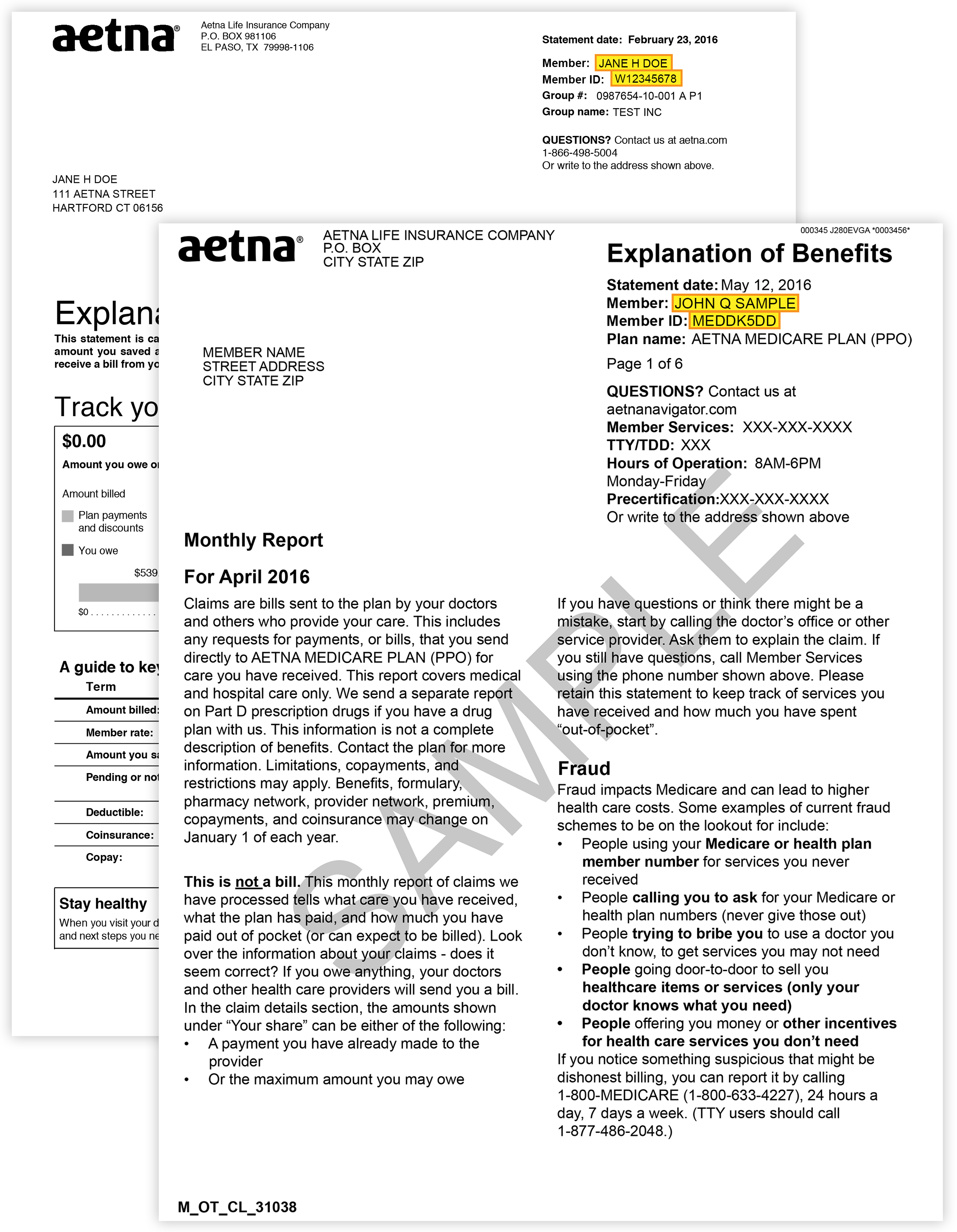
If you are searching for an Aetna unclaimed life insurance policy in 2026, the funds are likely held by the state treasury where the policyholder lived or by the successor companies that purchased Aetna’s life insurance divisions: Lincoln Financial Group (for individual policies) or The Hartford (for group/employer policies). You can locate these funds using the NAIC Life Policy Locator or state-specific unclaimed property databases.
Understanding the Landscape of Aetna Life Insurance Records
To successfully locate an unclaimed Aetna life insurance policy, one must first understand that Aetna Inc. underwent significant structural changes over the last several decades. While the name "Aetna" is synonymous with health insurance today—following its acquisition by CVS Health—the company was once a major player in the life insurance sector. However, Aetna exited the life insurance market in two distinct phases, transferring its obligations to other major carriers.
In 1998, Aetna sold its individual life insurance and annuity business to Lincoln Financial Group. This means if the deceased relative purchased a private policy directly from an agent or Aetna representative, the records and the underlying capital are now managed by Lincoln Financial. Later, in 2017, Aetna sold its group life and disability insurance business to The Hartford. If the policy was provided as an employee benefit, The Hartford is the entity responsible for the claim.
In 2026, many of these policies have reached a "dormant" status. When an insurance company is unable to locate a beneficiary after a certain period—typically three to five years after the death of the insured is confirmed—the law requires them to turn the proceeds over to the state. This legal process, known as escheatment, ensures that the insurance company does not simply keep the money. Instead, the state holds the funds in perpetuity until the rightful heir or beneficiary comes forward to claim them.
Why Life Insurance Benefits Go Unclaimed
Life insurance benefits often go unclaimed for reasons that are usually logistical rather than intentional. The most common scenario involves a lack of communication. Many policyholders purchased Aetna policies decades ago and failed to inform their beneficiaries of the policy’s existence or its location. Over time, physical policy documents are lost in moves, destroyed in natural disasters, or simply forgotten in safe deposit boxes to which the heirs have no access.
Another significant factor is the transition of the company itself. Because Aetna’s life insurance business was sold to Lincoln Financial and The Hartford, beneficiaries looking for "Aetna" may hit a dead end if they do not realize they need to contact a different carrier. Furthermore, if a beneficiary's contact information was never updated with the carrier, the insurance company may have attempted to send a notification to an obsolete address.
In some cases, the insurance company may not even know the policyholder has passed away. While carriers are increasingly required to cross-reference their records with the Social Security Administration’s Death Master File (DMF), this process is not infallible. Discrepancies in name spellings, Social Security numbers, or dates of birth can prevent an automated match, leaving the policy in an "active" but unpaid state until the policy reaches its maximum age (often 100 or 121 years old), at which point it is considered matured and eventually escheated if unpaid.
Where to Search for Unclaimed Aetna Policies
Finding a lost policy in 2026 requires a multi-pronged approach. Because the records could be with a successor company or a government entity, you should follow this hierarchy of search locations:
1. The NAIC Life Insurance Policy Locator Service
The National Association of Insurance Commissioners (NAIC) provides a free, centralized tool that allows individuals to submit a request to search for life insurance policies and annuity contracts of a deceased person. When you submit a request through this service, the NAIC broadcasts the search to all participating insurance companies, including Lincoln Financial and The Hartford. If a match is found, the company will contact the beneficiary directly.
2. State Unclaimed Property Databases (NAUPA)
If the insurance company has already determined that the policy is "unclaimed" and the dormancy period has passed, the money has been sent to the state. The National Association of Unclaimed Property Administrators (NAUPA) operates a portal called MissingMoney.com, which aggregates data from most U.S. states and provinces. You should search the database for every state where the deceased lived, worked, or did business.
3. Direct Contact with Successor Carriers
If you have an old policy number or a specific document with "Aetna" branding, you can contact the specific successor company.
- For Individual Policies: Contact Lincoln Financial Group’s claims department.
- For Group/Employer Policies: Contact The Hartford’s beneficiary services.
4. Former Employers
If the Aetna policy was a group benefit, the human resources or benefits department of the deceased’s former employer may still have records of the coverage. Even if the company has since merged or been acquired, their successor’s benefits office may be able to provide the original policy number or confirm the transition to The Hartford.
Documenting Your Claim: What You Will Need
Once you locate a potential match for an unclaimed Aetna policy, the burden of proof rests on the claimant. Insurance companies and state treasuries follow strict protocols to prevent fraud and ensure the funds reach the correct person. In 2026, digital submissions are common, but you will still need clear, certified copies of several documents.
| Document Type | Purpose | How to Obtain |
|---|---|---|
| Certified Death Certificate | Provides legal proof of death and the date of passing. | Contact the Bureau of Vital Statistics in the county/state of death. |
| Original Policy Document | Helpful but not always required; proves the contract exists. | Search safe deposit boxes or filing cabinets of the deceased. |
| Proof of Identity | Verifies that you are the person named as the beneficiary. | Current government-issued ID (Driver's License or Passport). |
| Social Security Number | Used to verify the identity of both the deceased and the claimant. | Found on tax returns or original SSN cards. |
| Letters of Administration | Required if the beneficiary is deceased or the estate is the beneficiary. | Issued by the local probate court. |
The Legal Process of Escheatment and Recovery
Escheatment is the legal term for the transfer of unclaimed property to the state. For Aetna life insurance, this usually happens when the company has had no "contact" with the policyholder or beneficiary for a period defined by state law. In most jurisdictions, this period is between three and five years after the death is reported or after the policy reaches its maturity date.
The benefit of escheatment is that the state acts as a permanent custodian. Unlike a private company that may go out of business or change names, the state treasury never loses the obligation to pay the rightful heir. When you file a claim with a state treasury (such as the California Controller or the New York Office of the State Comptroller), the process is generally free, though it may take several months to verify the lineage of the claimant.
Be wary of "heir finders" or "private investigators" who contact you offering to recover unclaimed Aetna funds for a fee. While these services are often legitimate, they typically charge a percentage of the total benefit (sometimes up to 25-50%). In almost every case, you can perform the exact same search and recovery process for free using official state and NAIC tools.
Common Challenges in Recovering Aetna Benefits
Even with the correct tools, several obstacles can complicate the recovery of an unclaimed Aetna life insurance policy.
Missing Policy Numbers
One of the most frequent hurdles is the lack of a policy number. While companies can search by Social Security number and name, records from the 1970s or 1980s (before digital standardization) might have minor errors that prevent an exact match. If you are searching via the NAIC locator, provide as much detail as possible, including any middle names, aliases, or previous addresses.
Policy Loans and Lapses
Sometimes, a search reveals that a policy existed, but it has no value. Many older whole-life policies allowed for "policy loans." If the policyholder borrowed against the cash value and never repaid it, the interest may have eventually exceeded the death benefit, causing the policy to lapse before the person passed away. Additionally, if the policy was "term life" and the holder stopped paying premiums, the coverage would have ended without any residual value.
Complex Beneficiary Designations
If the policyholder named a "trust" or their "estate" as the beneficiary, the process becomes significantly more complex. You will likely need to provide copies of the trust agreement or wait for the probate court to appoint an executor. If the named beneficiary died before the policyholder, the benefit usually passes to the "contingent beneficiary" or, if none is named, to the deceased’s legal estate according to state intestacy laws.
Tax Considerations for Unclaimed Life Insurance
In 2026, the tax treatment of unclaimed life insurance proceeds remains consistent with historical standards, but with some nuances. Generally, the core death benefit of a life insurance policy is not subject to federal income tax. However, unclaimed funds often accumulate interest while they are held by the insurance company or the state.
The interest portion of the payment is taxable as ordinary income in the year you receive it. If the state treasury pays you a lump sum that includes ten years of accrued interest, you will receive a Form 1099-INT and must report that specific amount on your tax return. For very large policies, the death benefit may also be included in the deceased's "gross estate" for federal estate tax purposes, though this only affects estates exceeding the high federal exemption thresholds.
Frequently Asked Questions
How long does it take to get money from an unclaimed Aetna policy? The timeline varies depending on where the funds are located. If the policy is still with Lincoln Financial or The Hartford, a claim typically takes 30 to 60 days once all paperwork is submitted. If the funds have been escheated to the state, the process can take 90 days to six months, as state treasurers must perform extensive background checks to verify the identity of the claimant.
Can I claim a policy if I am not the named beneficiary? You can only claim the funds if you are the named beneficiary, a legal heir (if no beneficiary was named), or the executor of the estate. If you are a relative but not the beneficiary, you generally have no legal right to the proceeds. However, if the named beneficiary is also deceased, you may be able to claim the funds through their estate.
Does Aetna still sell life insurance in 2026? No, Aetna does not currently sell new individual or group life insurance policies. Their business model is focused on health care and related services through CVS Health. All existing legacy Aetna life insurance policies are serviced by successor companies like The Hartford or Lincoln Financial Group.
Is there a fee to search for Aetna unclaimed life insurance? No. You should never pay a fee to search for unclaimed life insurance. The NAIC Life Insurance Policy Locator, MissingMoney.com, and all individual state treasury websites are free to use. Avoid any website that asks for a credit card number to "unlock" search results.
What if the deceased died in a different country? If an individual had an Aetna policy but died outside the United States, you will need to provide a certified death certificate from the country of death, often accompanied by a certified English translation and an "Apostille" (a form of international verification). The claim would still be processed through the U.S. carrier or the state where the policy was originally issued.
Practical Recommendation
If you suspect an unclaimed Aetna policy exists, your first action should be to search the NAIC Life Insurance Policy Locator Service. This tool acts as a "one-stop" inquiry for both Lincoln Financial and The Hartford. Simultaneously, perform a search on MissingMoney.com using the deceased’s name and all previous states of residence. Gathering the Social Security number and a certified death certificate now will expedite the process once the policy is located.