Aetna group plans are employer-sponsored health insurance offerings designed to provide comprehensive medical, pharmacy, dental, and vision coverage to a workforce. By pooling the risk across a group of employees, these plans typically offer more competitive premiums and diverse network access compared to individual market policies, serving as a cornerstone of modern corporate benefits packages as of 2026.
The Role of Group Health Insurance in the Workplace
Group health insurance serves as a critical bridge between organizational objectives and employee well-being. For the employer, offering an Aetna group plan is often a strategic move to attract and retain top-tier talent. For the employee, it provides a structured, often subsidized, pathway to accessing essential medical services, preventative care, and specialized treatment.
Aetna, a CVS Health company, functions as a national administrator of these plans, leveraging an expansive network of providers. Unlike individual plans that are purchased by a single person on the public marketplace, group plans are negotiated contracts between an employer and Aetna. This structure means that the specific benefits—such as copays, deductibles, and out-of-pocket maximums—are tailored to the employer’s chosen plan design, which is reflected in the Summary of Benefits and Coverage (SBC) provided during open enrollment.
Key Components of Aetna Group Plan Structures
When reviewing an Aetna group plan, stakeholders should focus on several technical components that define the plan's utility and cost. These are not static; they are selected by the plan sponsor (the employer) and administered by Aetna.
- Network Types: Aetna offers various network structures, including Health Maintenance Organizations (HMO), Preferred Provider Organizations (PPO), and Exclusive Provider Organizations (EPO). PPO plans generally offer the most flexibility in choosing out-of-network providers, though often at a higher premium cost. HMO plans require a Primary Care Physician (PCP) and referrals for specialists, emphasizing managed, coordinated care.
- Cost-Sharing Mechanisms: These include the deductible (the amount paid before insurance kicks in), coinsurance (a percentage split of costs after the deductible), and copayments (fixed fees for specific services).
- Pharmacy Benefits: Aetna’s group plans often integrate with Caremark (the CVS Health pharmacy benefit manager). This integration can streamline the fulfillment of prescriptions, especially when using mail-order options or CVS pharmacy locations.
- Preventative Care: In alignment with the Affordable Care Act (ACA), most Aetna group plans cover mandated preventative services at 100% when rendered by in-network providers.
Comparison of Common Plan Models
The following table outlines the general characteristics of common plan types found within the Aetna ecosystem to assist in organizational decision-making.
| Feature | HMO (Health Maintenance Org) | PPO (Preferred Provider Org) | EPO (Exclusive Provider Org) |
|---|---|---|---|
| PCP Required | Yes | No | No |
| Referrals Needed | Yes | No | No |
| Out-of-Network | Generally No | Yes (Higher cost) | No |
| Premium Cost | Typically Lowest | Typically Highest | Mid-range |
| Primary Goal | High Coordination | High Flexibility | Balanced Efficiency |
Eligibility and Enrollment Procedures
Eligibility for an Aetna group plan is governed by the specific terms defined in the master policy held by the employer. In 2026, standard eligibility usually hinges on employment status, such as being a full-time employee or meeting a minimum average hourly requirement.
- Initial Enrollment: New hires are typically granted a "new hire enrollment period," usually lasting 30 to 60 days from the date of hire. Failure to enroll during this window generally precludes participation until the next open enrollment period, unless a "Qualifying Life Event" (QLE) occurs.
- Open Enrollment: This is the annual window where employees can switch plans, add or remove dependents, or enroll for the first time without needing a QLE.
- Qualifying Life Events: Life changes such as marriage, divorce, the birth of a child, or loss of other coverage trigger a Special Enrollment Period (SEP). Documentation is required to verify the event before Aetna can update the coverage status.
Managing Costs and Maximizing Benefits
To derive the most value from an Aetna group plan, both employers and employees must engage with the digital tools provided. Aetna’s member portal serves as the primary interface for managing health benefits.
For employees, the portal allows for tracking progress toward meeting the annual deductible and out-of-pocket maximums. It also provides a searchable directory of in-network providers. Utilizing in-network providers is the single most effective way to reduce healthcare spending, as Aetna negotiates rates with these providers that are significantly lower than "chargemaster" or list prices.
Employers, meanwhile, manage costs through plan design. By offering a High Deductible Health Plan (HDHP) paired with a Health Savings Account (HSA), employers can provide a cost-effective insurance option that encourages employees to be mindful of their healthcare consumption while offering tax advantages.
Understanding Pharmacy Integration
One of the distinct features of many Aetna group plans is their integration with CVS Caremark. For chronic conditions, this often includes specialty pharmacy services. Employees should verify their plan's formulary—a list of covered drugs—to understand how different medications are tiered.
Tiered formularies work by grouping medications into categories. Tier 1 usually contains generic drugs with the lowest copay, while Tier 3 or Tier 4 often includes brand-name or specialty drugs with significantly higher cost-sharing requirements. Understanding the formulary before a doctor's visit can prevent unexpected pharmacy costs.
Troubleshooting Common Plan Issues
Despite robust administrative structures, issues occasionally arise during the lifecycle of an Aetna group plan.
- Denied Claims: If a claim is denied, the first step is to review the Explanation of Benefits (EOB) sent by Aetna. The EOB explains exactly why a claim was denied—common reasons include incomplete clinical documentation, the service being deemed "not medically necessary," or the provider being out-of-network.
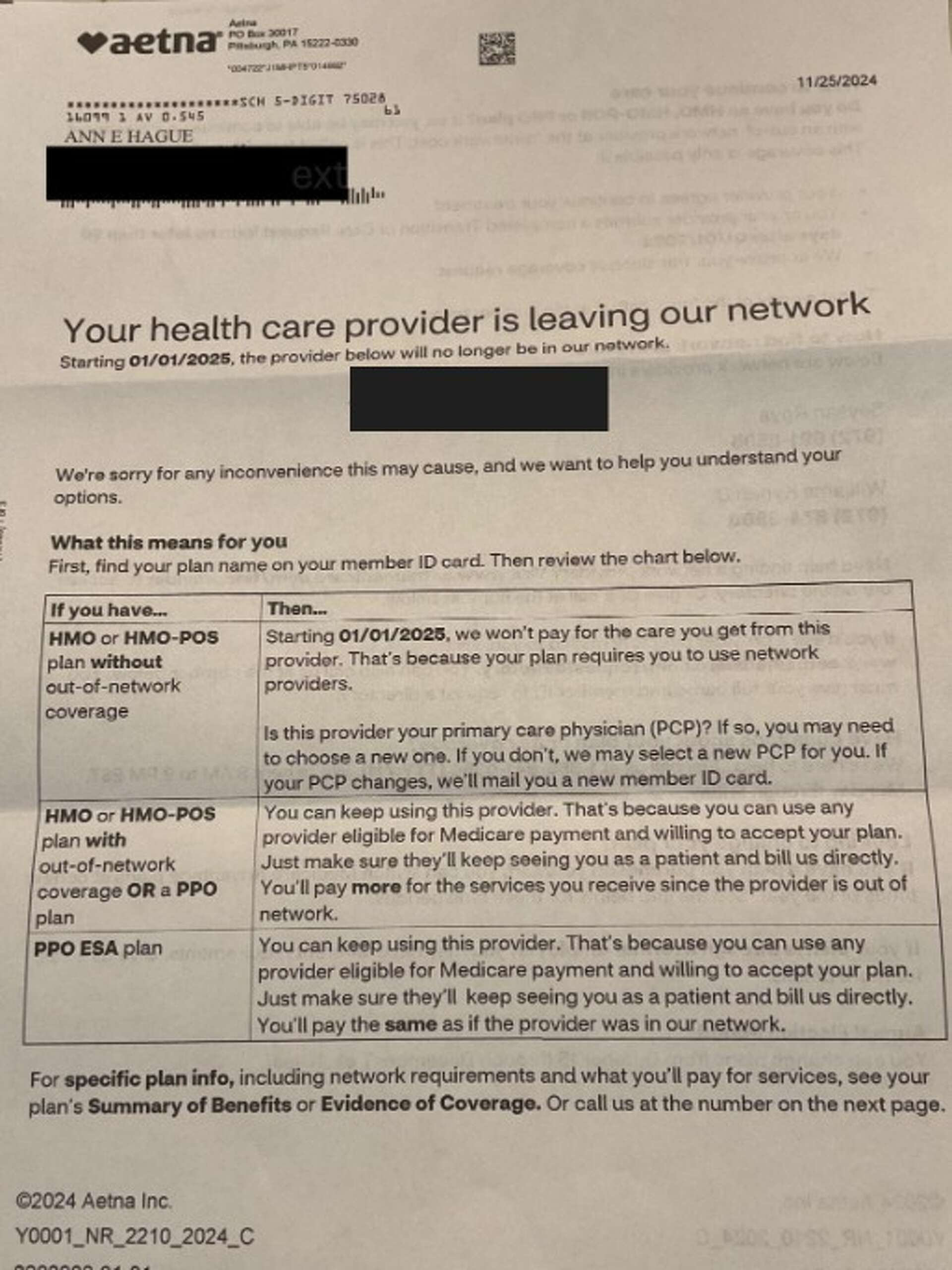
- Provider Status Changes: Occasionally, a provider may leave the Aetna network mid-year. Members should check the online directory regularly and verify with the provider's office staff that they still accept the specific Aetna plan before scheduling non-emergency appointments.
- Coordination of Benefits (COB): If an employee has coverage through another source (such as a spouse’s plan), Aetna requires documentation to determine which plan is primary. Failure to keep COB information current can lead to significant delays in claim processing.
Frequently Asked Questions
How do I find out if my doctor is in the Aetna network? You can use the Aetna provider search tool on their official website. Always call the provider's office directly to confirm they currently participate in your specific network, as networks can change throughout the year.
What is a Qualifying Life Event (QLE)? A QLE is a change in your life that allows you to change your health coverage outside of the annual open enrollment period. Examples include getting married, having a baby, or losing other health insurance coverage. You generally have 30 days from the event to make changes.
Can I use my Aetna plan at any hospital? Not necessarily. Your coverage depends on your specific network (HMO, PPO, or EPO). While emergency services are protected by the No Surprises Act in many cases, routine hospital visits should be handled at facilities in your plan's network to minimize costs.
What is the difference between a deductible and an out-of-pocket maximum? Your deductible is the amount you pay for covered services before your insurance plan begins to pay. Your out-of-pocket maximum is the absolute most you will have to pay for covered services in a plan year; after reaching this limit, the insurance plan pays 100% of the allowed costs.
How does an HSA work with my Aetna plan? If your employer offers a High Deductible Health Plan (HDHP), you may be eligible for a Health Savings Account. This allows you to set aside pre-tax money to pay for qualified medical expenses, helping to bridge the gap created by the higher deductible.
Moving Forward with Your Benefits
For employees, the path forward involves active participation. Familiarize yourself with your specific Summary of Benefits and Coverage (SBC), register for the member portal, and ensure your pharmacy needs align with your plan's formulary. For plan administrators, ensure that open enrollment communications are clear, timely, and emphasize the digital tools available to employees to help them make informed healthcare decisions. Whether navigating a new diagnosis or managing routine care, understanding the specific mechanics of your Aetna group plan is the most reliable way to ensure healthcare stability.