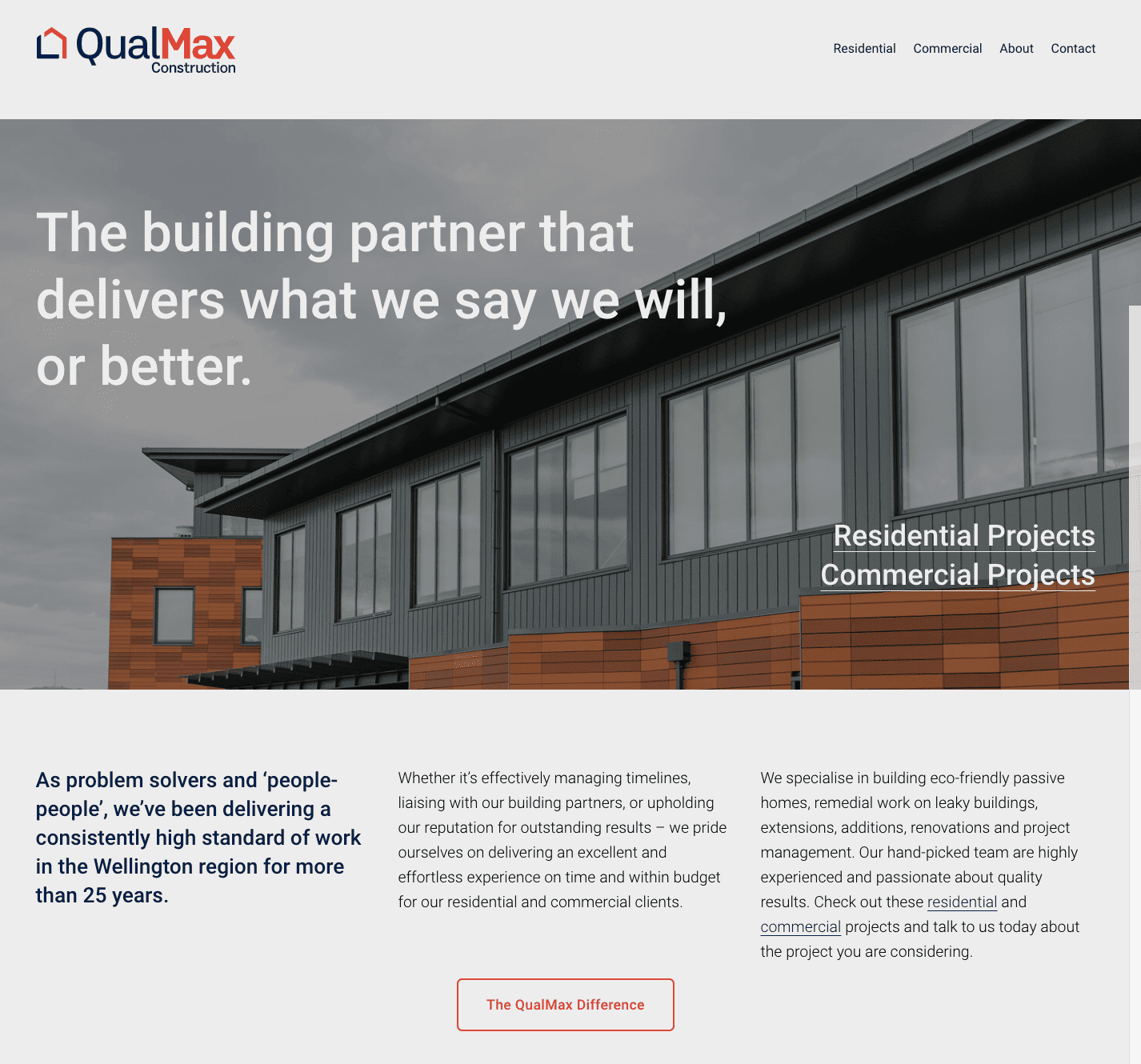
Effective advertising for a construction company requires a strategic mix of hyper-local digital targeting, visual proof of past work, and reputation management to turn high-intent searchers into signed contracts. Because construction projects represent significant financial investments, marketing efforts must focus on building trust, demonstrating technical capabilities, and showing clear compliance with local licensing and safety standards.
Understanding the Construction Advertising Landscape
The construction industry operates differently from traditional retail or e-commerce sectors. Projects feature long sales cycles, high price tags, and high stakes for the consumer or commercial client. Therefore, a generic marketing campaign rarely yields results. Whether a firm specializes in residential remodeling, heavy civil engineering, or commercial build-outs, the underlying strategy must align with how buyers actually search for and vet builders.
Navigating this landscape means recognizing that clients rarely click an ad and immediately sign a six-figure contract. Instead, advertising serves as the top of a multi-touch funnel. A well-crafted campaign captures initial attention, directs the user to a high-converting landing page showcasing verified projects, and nurtures the lead through direct communication, estimates, and consultations.
Furthermore, distinguishing between residential (B2C) and commercial (B2B) markets is crucial. Residential clients typically prioritize emotional factors—trust, aesthetic appeal, communication, and budget transparency. Commercial clients, on the other hand, focus on adherence to strict timelines, OSHA safety records, bonding capacity, engineering capabilities, and long-term structural durability. Your advertising channels, language, and creative assets must reflect these distinct priorities.
Core Digital Advertising Channels for Builders
Modern construction marketing relies heavily on digital channels where potential clients actively look for contractors. Relying solely on word-of-mouth limits scalability, whereas a diversified digital footprint ensures a steady stream of incoming inquiries.
Search Engine Marketing (SEM) and Pay-Per-Click (PPC)
Pay-per-click advertising, primarily through Google Ads, offers immediate visibility for high-intent search queries such as "commercial general contractor near me" or "custom home builder [city name]."
- Intent Capture: PPC targets users who are ready to hire. When structured correctly, your ads appear precisely when a property owner or project manager needs immediate construction services.
- Geotargeting: Construction is inherently local. Campaigns must be restricted to specific zip codes, cities, or counties where your company is licensed to operate, preventing wasted spend on out-of-area clicks.
- Ad Extensions: Utilize call extensions, location extensions, and sitelinks so mobile users can tap to call your office or view specific service pages directly from the search results page.
Local Search Engine Optimization (SEO) and Maps
While PPC provides instant placement, organic local search builds long-term authority. Optimizing your Google Business Profile (GBP) is non-negotiable for contractors.
- Map Pack Rankings: Appearing in the top three map results for local searches drives substantial inbound phone calls.
- Review Generation: Consistent, positive reviews act as powerful social proof. Encourage satisfied clients to leave detailed feedback mentioning the specific type of project completed.
- Localized Content: Build distinct service pages for every city or neighborhood you serve, highlighting local project galleries and regional building code compliance knowledge.
Social Media Advertising
Platforms like Facebook, Instagram, and LinkedIn offer powerful visual and demographic targeting capabilities, though their utility varies by market segment.
- Visual Storytelling (B2C): Instagram and Facebook are ideal for residential contractors, remodelers, and landscapers. High-definition video walkthroughs of before-and-after kitchen renovations or custom home builds generate strong engagement.
- Professional Networking (B2B): LinkedIn is indispensable for commercial construction advertising. Target professionals by job title—such as real estate developers, property managers, municipal planners, and corporate facilities directors—with case studies highlighting your commercial portfolio and financial stability.
Key Strategies for High-Converting Construction Ads
Running ads is only half the battle; the creative assets and messaging must resonate with cautious buyers. Because construction projects carry inherent risks regarding budgets and delays, your advertising must proactively dismantle consumer hesitations.
Highlighting Social Proof and Visual Evidence
Claims of quality mean little without proof. Construction advertising thrives on high-fidelity visual documentation.
- Before-and-After Galleries: Nothing demonstrates capability quite like a dramatic visual transformation. Ensure your ads feature clear, well-lit photography or short-form video reels showing spaces before construction began and after final handover.
- Third-Party Validation: Feature badges from recognized industry bodies, local home builders associations, or safety awards prominently in your ad creative and landing pages.
Crafting Transparent Value Propositions
Property owners fear budget overruns and communication black holes above all else. Address these pain points directly in your copy.
- Use messaging like "On-Time Project Delivery Guaranteed" or "Transparent, Fixed-Price Remodeling Contracts."
- Clearly state your licensing, insurance, and bonding status to provide instant legal and financial reassurance.
Implementing Retargeting Campaigns
Very few visitors convert on their first visit to a contractor's website. Retargeting pixels (such as the Meta Pixel or Google Ads remarketing tags) allow you to display ads to users who previously visited your site but left without filling out a contact form. Keep your brand top-of-mind by serving them case studies of recently completed local projects as they browse other websites or social media platforms.
Comparing Construction Advertising Channels
Choosing where to allocate your marketing budget depends on your specific company size, target audience, and growth objectives. The table below compares the primary advertising channels available to construction companies.
| Advertising Channel | Primary Target Audience | Average Cost Structure | Speed to Results | Best Used For |
|---|---|---|---|---|
| Google Search Ads (PPC) | High-intent residential & commercial clients | Pay-Per-Click (High competition = higher CPC) | Immediate (Minutes after approval) | Capturing immediate project inquiries and emergency repairs |
| Local SEO & Google Business Profile | Local property owners and managers | Ongoing labor/agency fees (Free organic clicks) | Medium to Long-Term (3–6 months) | Building long-term organic trust and map visibility |
| Social Media Ads (Meta) | B2C homeowners, residential developers | Cost-Per-Impression / Cost-Per-Click (Moderate) | Fast (Days) | Showcasing visual transformations and aesthetic upgrades |
| LinkedIn Ads | B2B commercial developers, project managers | Cost-Per-Click (High CPM, specialized targeting) | Fast (Days) | Generating commercial leads and industrial contracts |
| Industry Directory Listings | General consumers searching aggregators | Annual subscription or pay-per-lead | Medium | Capturing baseline directory traffic and backlink authority |
Common Pitfalls in Construction Advertising
Many construction firms waste significant marketing budgets due to preventable strategic errors. Avoiding these common mistakes ensures higher return on ad spend (ROAS).
- Failing to Track Conversions: Sending paid traffic to a generic homepage without tracking phone calls, form submissions, or quote requests makes it impossible to calculate true return on investment. Implement call tracking software and conversion pixels.
- Neglecting Mobile Optimization: Over 60% of local search traffic originates from mobile devices. If your landing pages feature slow-loading image galleries or hard-to-fill contact forms, prospective clients will abandon your site and call a competitor.
- Broad Geographic Targeting: Setting an ad campaign to target an entire state when you only service a specific metropolitan area drains your budget on unqualified clicks from users outside your operational footprint.
- Ignoring Local Licensing Disclaimers: Depending on your jurisdiction, advertising laws may require your contractor license number to be visibly displayed on all digital ads and landing pages. Always verify local regulatory compliance with state licensing boards (such as the California Contractors State License Board or equivalent local authorities) to avoid regulatory fines.
Frequently Asked Questions
How much should a construction company spend on advertising?
Most established construction companies allocate between 2% to 5% of their total gross revenue to marketing and advertising, while newer firms or those aggressively seeking rapid growth may spend up to 10%. Your specific budget should be determined by your profit margins, average project size, and customer acquisition cost targets.
Is Google Ads better than social media advertising for contractors?
Neither is universally "better"; they serve different parts of the buyer journey. Google Ads captures active search intent from people who need a contractor right now. Social media advertising is better for interrupting passive scrollers with eye-catching visual transformations, building brand awareness, and nurturing long-term residential interest.
How can I prove my construction ads are generating quality leads?
Implement dedicated call-tracking phone numbers for each advertising channel and use CRM systems (such as HubSpot or JobNimbus) to tag incoming leads by source. Review your closed deals quarterly to determine which specific ad campaigns generated actual signed contracts rather than just initial inquiries.
Do I need a professional website before starting construction ads?
Yes. Sending paid advertising traffic to a poorly designed, slow, or unoptimized website wastes your advertising budget. Your website must feature clear calls-to-action, high-resolution project portfolios, client testimonials, and a mobile-friendly quote request form before launching paid campaigns.
How do I target commercial clients instead of residential homeowners?
Commercial advertising requires shifting your platform focus from consumer-facing social networks to LinkedIn and targeted B2B search terms. Your ad creatives should emphasize engineering credentials, safety metrics (such as EMR ratings), project management software proficiencies, and past commercial portfolio scale rather than residential aesthetics.
Next Steps for Launching Your Campaign
To begin upgrading your advertising efforts, audit your current digital footprint. Verify that your Google Business Profile is fully optimized with current photos, operating hours, and a steady stream of recent reviews. Next, audit your website's mobile speed and ensure that every service page features a clear, friction-free way for potential clients to request an estimate. Once your digital foundation is secure, start with a tightly geotargeted Google Search campaign focused on your most profitable service offering, monitor your conversion data weekly, and scale your budget as qualified leads turn into signed jobs.