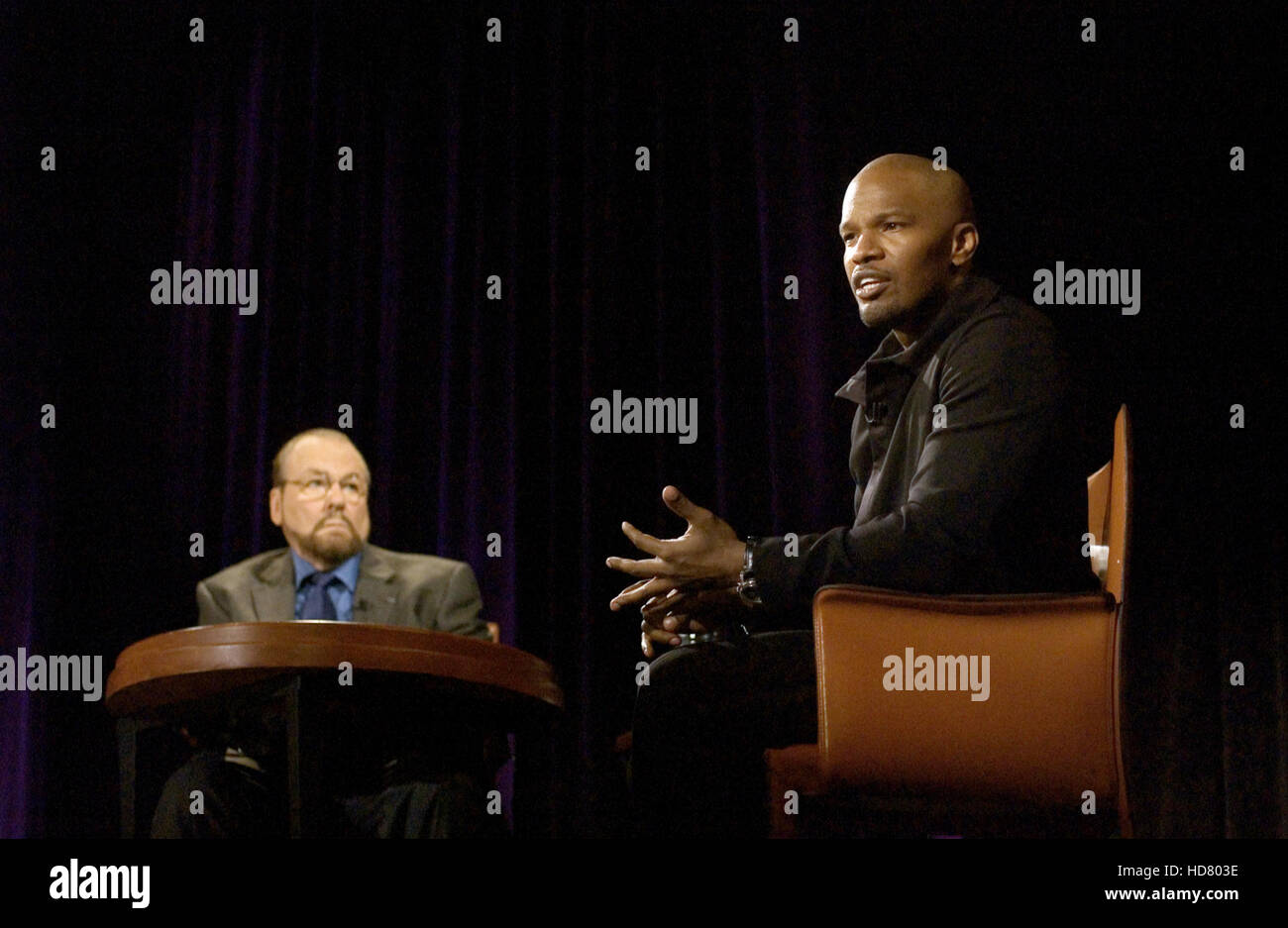
James Lipton and the Actors Studio remain inextricably linked through decades of rigorous craft exploration, television history, and institutional preservation. As the long-time host and creator of Inside the Actors Studio and the Dean Emeritus of the Actors Studio Drama School at Pace University, Lipton transformed the quiet, often secretive world of Method acting into an accessible, deeply intellectual, and widely celebrated television phenomenon. While the Actors Studio itself was founded in 1947 by Elia Kazan, Robert Lewis, and Cheryl Crawford—later shaped definitively by Lee Strasberg—Lipton became its most recognizable global ambassador, cementing the organization’s legacy for millions of viewers and aspiring practitioners worldwide.
Historical Foundations of the Actors Studio
To understand the scope of James Lipton’s contribution, one must first examine the institutional roots of the Actors Studio. Established in New York City in October 1947, the Studio was conceived not as a school in the traditional academic sense, but as a laboratory. Its founders—Elia Kazan, Robert Lewis, and Cheryl Crawford—wanted to create a protected environment where professional actors, directors, and playwrights could hone their craft away from the commercial pressures of Broadway and Hollywood.
The core philosophy of the early Studio drew heavily from the System developed by Konstantin Stanislavski at the Moscow Art Theatre. However, it was Lee Strasberg, who took over leadership of the Studio in 1951, who codified and popularized "The Method." Strasberg emphasized affective memory, sensory work, and psychological justification, pushing actors to dig deep into their own emotional histories to construct truthful, authentic characters.
The Crucible of American Acting
Throughout the 1950s and 1960s, the Actors Studio achieved mythic status. Admission was fiercely competitive, decided by a legendary evaluation board that included Strasberg himself. Alumni from this era read like a pantheon of twentieth-century cinematic royalty: Marlon Brando, James Dean, Paul Newman, Marilyn Monroe, Geraldine Page, and Julie Harris.
Despite its artistic triumphs, the Studio faced ongoing financial vulnerabilities. For decades, it operated as a private, membership-only workshop for working professionals, generating little public revenue. By the late 20th century, the organization needed a sustainable institutional partner and a public-facing platform to secure its financial future and educational mission. This operational crossroads set the stage for James Lipton’s entry into the institution.
James Lipton: The Man Behind the Microphone
Before his tenure with the Actors Studio, James Lipton led a remarkably eclectic career. Born in Detroit in 1926, Lipton worked as a copywriter, a soap opera actor, a lyricist, a Broadway producer, and a novelist. He spent years mastering the craft of interviewing and writing, authoring An Exaltation of Larks, a comprehensive study of terms of venery. His deep intellectual curiosity, coupled with a courtly, formally polite demeanor and a resonant speaking voice, made him an unlikely yet uniquely qualified custodian of the Method acting tradition.
In the mid-1990s, Lipton envisioned a dual-purpose project: a professional training program that would grant Master of Fine Arts (MFA) degrees under the auspices of the Actors Studio, and a television masterclass that would fund the school while documenting the creative processes of the world's finest dramatic artists.
Founding the Actors Studio Drama School
In 1994, working alongside Board President Arthur Penn and other Studio leadership, Lipton successfully established the Actors Studio Drama School (ASDS) in affiliation with the New School for Social Research (later moving to Pace University in 2005). As the founding Dean, Lipton structured a curriculum centered entirely on the rigorous training methods preserved by the Studio—encompassing acting, directing, and playwriting.
The creation of the ASDS institutionalized the Studio's teachings, offering a structured pathway for a new generation of students. Lipton served as Dean until 2005, maintaining a hands-on approach to curriculum development, faculty selection, and student mentorship.
Inside the Actors Studio: Anatomy of a Masterclass
The public face of Lipton’s alliance with the institution was Inside the Actors Studio, which premiered on the Bravo network in 1994. The show began as a craft seminar filmed for the students of the Actors Studio Drama School. Cameras captured Lipton interviewing major cultural figures—predominantly actors, but also directors and writers—in front of an intimate audience of acting students.
Unlike conventional promotional junket interviews, Lipton approached each guest with exhaustive academic research. He routinely spent weeks reading biographies, watching filmographies, and studying theatrical credits. This preparation allowed him to guide guests through a chronological retrospective of their careers, focusing on choices, failures, breakthroughs, and artistic philosophy.
| Program Element | Description | Purpose |
|---|---|---|
| The Retrospective Career Arc | A chronological review of the guest’s film, television, and stage credits. | To examine the evolution of the artist's technique and decision-making process over time. |
| The Craft Inquiry | Detailed questioning regarding specific acting choices, director collaborations, and Method techniques. | To educate ASDS students and viewers on the practical realities of professional performance. |
| The Bernard Pivot Questionnaire | A standard set of ten questions derived from French television host Bernard Pivot. | To reveal the personal psychology, humor, and humanity behind the public persona. |
| The Student Q&A | An open microphone session where enrolled graduate students question the guest. | To provide direct mentorship and interactive dialogue between master practitioners and novices. |
The Bernard Pivot Questionnaire
Perhaps the most enduring hallmark of Lipton’s program was the closing segment: a modified version of the questionnaire created by French journalist Bernard Pivot, inspired in turn by Proust. Lipton asked every guest the exact same ten questions:
- What is your favorite word?
- What is your least favorite word?
- What turns you on creatively, spiritually, or emotionally?
- What turns you off?
- What is your favorite curse word?
- What sound or noise do you love?
- What sound or noise do you hate?
- What profession other than your own would you like to attempt?
- What profession would you not like to do?
- If heaven exists, what would you like to hear God say when you arrive at the pearly gates?
These questions cut through public relations narratives, often eliciting profound, humorous, or deeply touching responses that highlighted the human vulnerability essential to great acting.
Cultural Impact and Institutional Legacy
James Lipton and the Actors Studio fundamentally altered how the public perceives the acting profession. Before the show, acting was frequently viewed through the glamorous lens of celebrity culture and gossip columns. Lipton reframed it as a blue-collar, intellectual, and psychological discipline requiring immense courage and craft.
Furthermore, the program served as an invaluable historical archive. Over 250 episodes, Lipton preserved rare insights from titans of the screen who have since passed away—such as Paul Newman, Lauren Bacall, Jack Lemmon, Arthur Miller, and Gene Wilder. These interviews are frequently studied in university film departments as primary source documents on twentieth-century American performance art.
Critiques and Parodies
Lipton’s distinctive interviewing style—characterized by ornate vocabulary, unyielding earnestness, and deep reverence for his guests—also made him a frequent subject of affectionate pop-culture parody. Comedians, most notably Will Ferrell on Saturday Night Live, lampooned Lipton's melodramatic delivery and intense admiration for actors. Rather than taking offense, Lipton embraced the parodies, frequently appearing alongside his impersonators and demonstrating a sharp, self-aware sense of humor about his television persona.
Frequently Asked Questions
Was James Lipton an official member of the Actors Studio?
Yes. While Lipton was primarily known as an administrator, educator, and interviewer, he was an honored member of the Actors Studio, having been admitted into the Playwrights and Directors units due to his extensive theatrical background and institutional leadership.
Where is the Actors Studio Drama School located today?
The Actors Studio Drama School operates as a Master of Fine Arts program housed within Pace University’s Dyson College of Arts and Sciences in New York City, maintaining its original commitment to the teachings of the Actors Studio.
How many episodes of Inside the Actors Studio did James Lipton host?
James Lipton hosted 22 seasons of the series on the Bravo network before moving the show to Ovation in 2018 for its final season, totaling well over 250 masterclass episodes.
Did guests get paid to appear on Inside the Actors Studio?
No. Guests appeared on the show as a contribution to the educational mission of the Actors Studio Drama School. The appearance served as a masterclass for the graduate students rather than a promotional media stop.
What happened to the show after James Lipton’s passing?
James Lipton passed away in March 2020 at the age of 93. While Lipton concluded his run as host prior to his passing, the intellectual property and format remain a testament to his curation, with past episodes continuing to serve as standard educational resources in dramatic arts institutions globally.
Next Actions for Aspiring Artists and Researchers
For those looking to deepen their understanding of James Lipton's work and the Actors Studio, archival episodes of Inside the Actors Studio remain accessible across various streaming platforms and educational networks. Aspiring actors, directors, and screenwriters should examine these masterclasses not merely for entertainment, but as technical manuals on character development and artistic resilience. Reviewing Lee Strasberg’s writings, such as A Dream of Passion: The Development of the Method, alongside Lipton’s televised interviews provides a comprehensive foundational framework for mastering the psychological depths of dramatic performance.