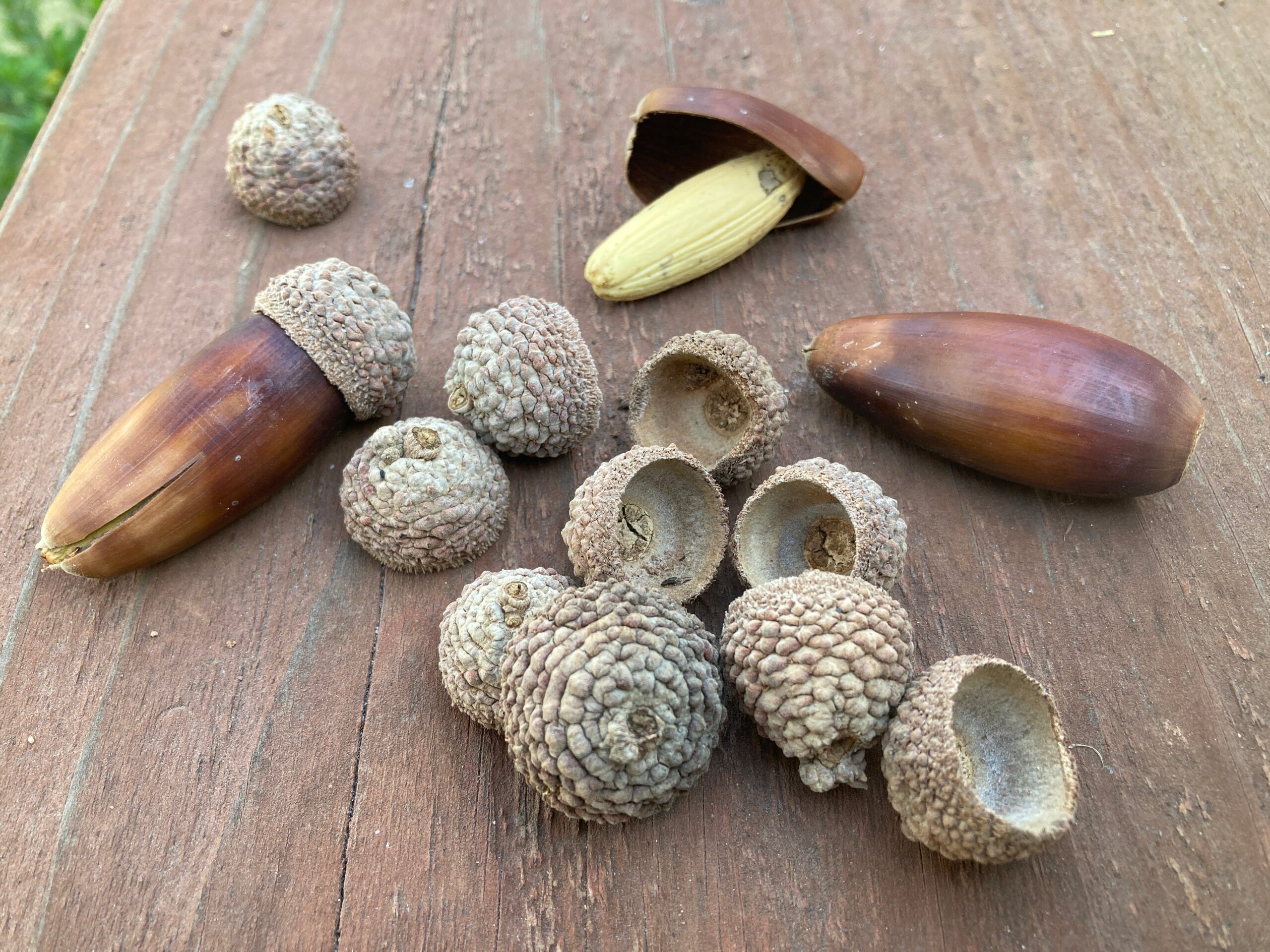
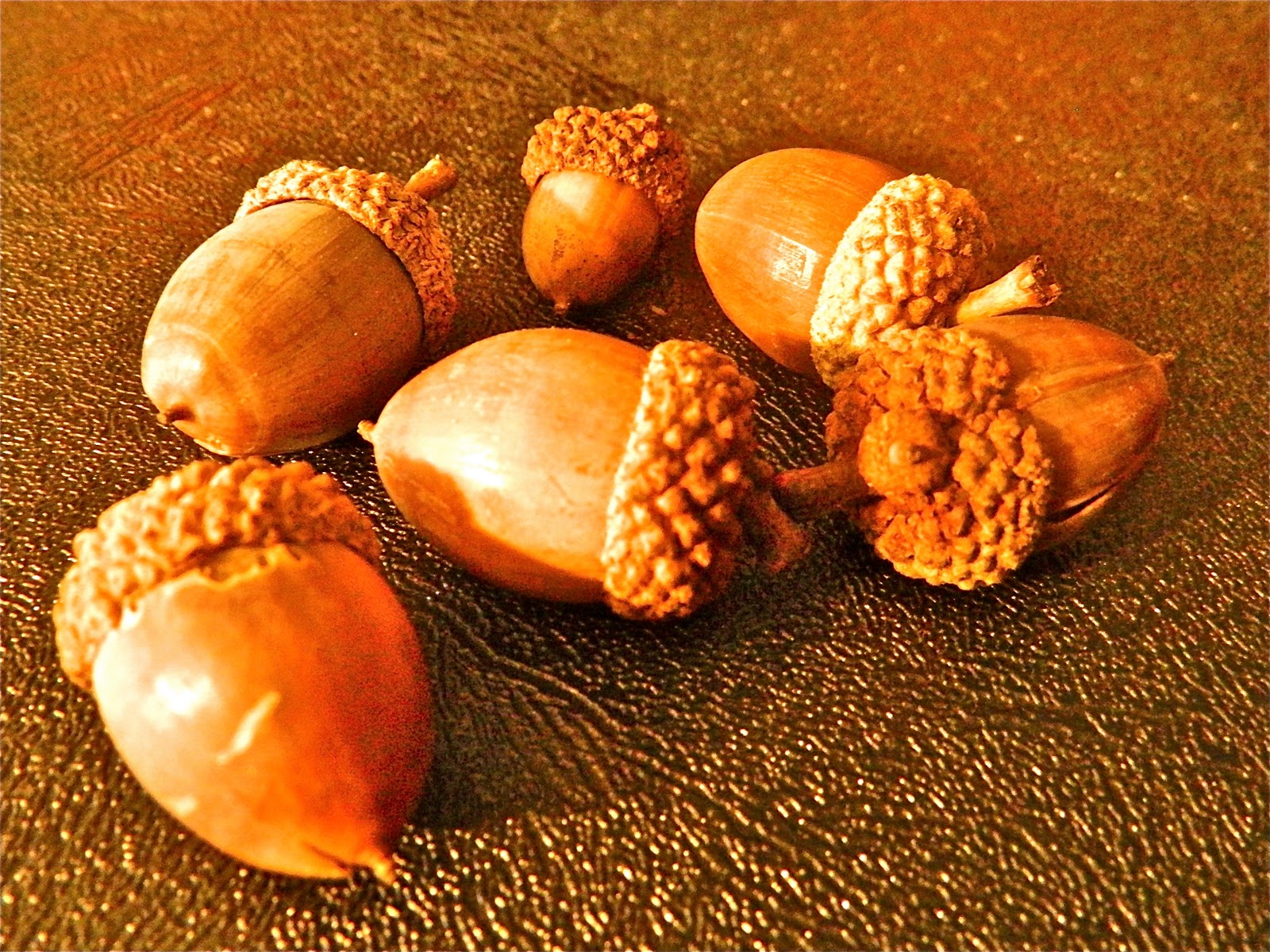
Acorns are technically safe to eat, but they are not safe to consume raw. In their natural state, acorns contain high concentrations of tannins—polyphenolic compounds that can cause bitter flavor, digestive distress, and potential toxicity if ingested in large quantities. To render acorns safe and palatable for human consumption, they must undergo a rigorous leaching process to remove these tannins before cooking or processing into flour.
Understanding the Tannin Problem
The primary reason acorns are not safe for raw consumption is their chemical composition. Tannins are bitter, astringent compounds found in many plant species, serving as a natural defense mechanism against herbivores and pathogens. While some plants contain manageable levels of tannins, oak nuts (acorns) have levels high enough to interfere with the absorption of proteins and iron in the human digestive system.
If consumed raw in significant amounts, the high tannin content can lead to gastrointestinal irritation, nausea, and kidney stress. Historically and biologically, humans have recognized this defense mechanism and developed methods to neutralize it. The "safety" of an acorn is therefore entirely dependent on the intervention of the harvester. You are not eating the acorn as it falls from the tree; you are eating the refined endosperm that remains after you have successfully removed the bitter chemical load.
Identifying Edible Acorns
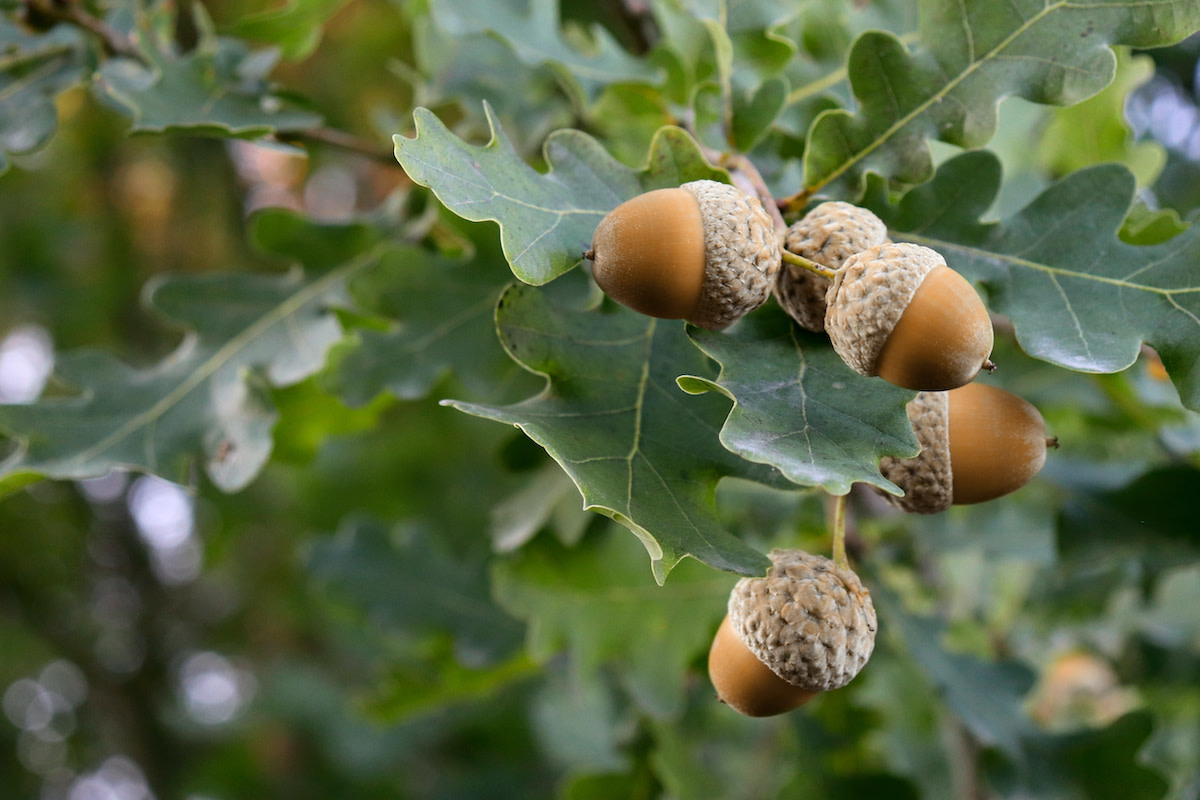
Not all acorns are created equal, and some are easier to process than others. The genus Quercus (oak) is divided into two primary groups: the White Oak group and the Red (or Black) Oak group. Understanding the difference is vital for your preparation strategy.
- White Oak Group: These acorns typically have rounded leaf lobes and take one year to mature. They generally contain lower concentrations of tannins, making them faster and easier to process.
- Red Oak Group: These acorns often have pointed leaf lobes with bristles and take two years to mature. They tend to have higher tannin concentrations, requiring longer leaching times compared to their white oak counterparts.
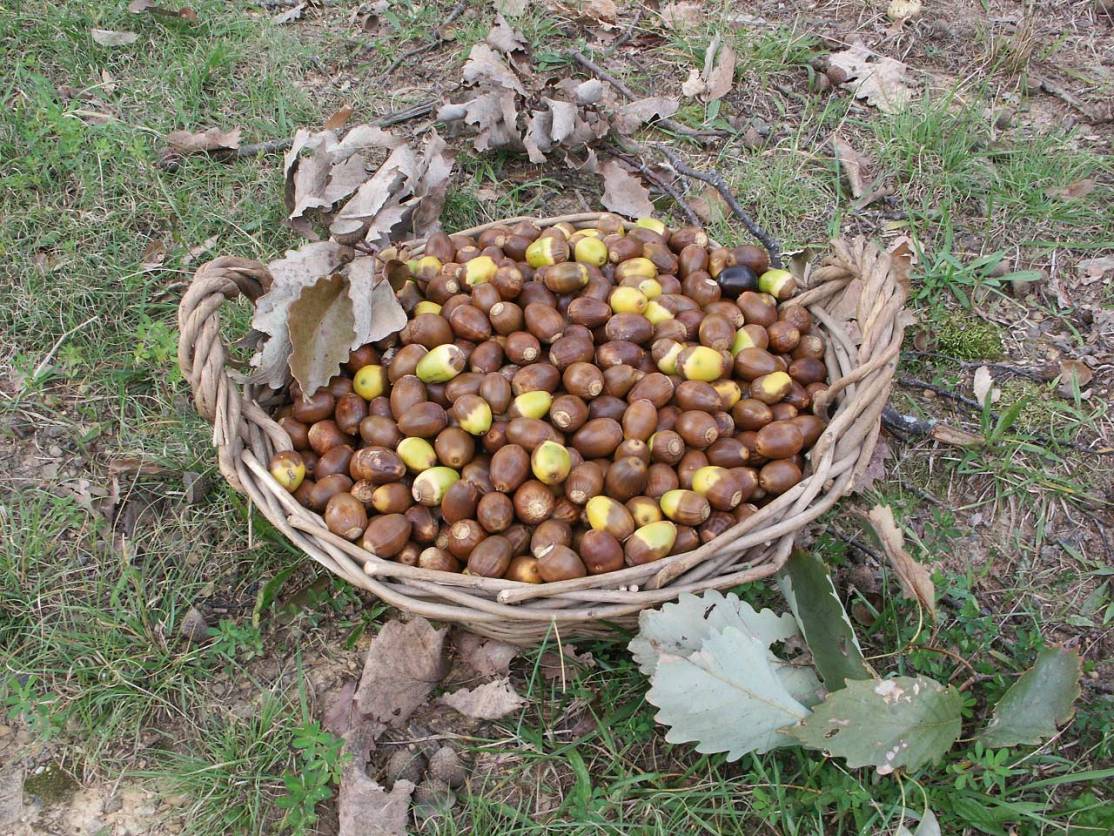
When foraging, prioritize acorns that appear healthy. Avoid nuts with visible holes, which indicate the presence of weevil larvae. While these larvae are technically protein, most foragers prefer to avoid them to ensure the quality of their flour or meal. Always store gathered acorns in a cool, dry place to prevent mold growth, which can introduce mycotoxins that no amount of leaching will fix.
The Leaching Process: Making Acorns Edible
Leaching is the essential bridge between a raw, inedible nut and a safe, versatile food source. There are two primary methods used to remove tannins: cold leaching and hot leaching.
Cold Leaching
Cold leaching is widely considered the superior method for maintaining the structural integrity of the acorn starch. Because it does not "cook" the starch, the resulting flour performs better in baking.
- Shelling: Remove the outer shell and the papery skin (testa) surrounding the nutmeat.
- Grinding: Pulse the nutmeat in a food processor or grind it until it reaches a coarse, meal-like consistency.
- Soaking: Place the meal in a large jar or container. Cover with cool water.
- Changing: Over the next several days, pour off the brown, tannin-rich water and replace it with fresh water.
- Completion: Continue this process until the water remains clear and the meal loses its astringent, bitter taste. This may take anywhere from three to seven days depending on the species.
Hot Leaching
Hot leaching is significantly faster but can cook the starches, which may alter the texture of the final product.
- Boiling: Bring a large pot of water to a boil.
- Adding: Add the shelled, chopped acorns to the boiling water.
- Monitoring: Boil until the water turns dark brown. Drain and replace the water.
- Repeat: Continue boiling and changing the water until the bitter taste is gone.
Nutritional Profile and Culinary Utility
Once leached, acorns are a powerhouse of nutrition. They are rich in complex carbohydrates, healthy fats, and contain essential minerals like magnesium, calcium, and potassium. From a culinary perspective, leached acorn flour is a gluten-free alternative to wheat flour, though it lacks the elasticity provided by gluten.
When using acorn flour in 2026, many home chefs blend it with other flours to improve structural integrity. It possesses a distinct, nutty, and slightly sweet flavor profile that complements autumnal dishes, breads, and cookies. It is effectively treated as a nut meal rather than a refined grain flour.
Comparison of Preparation Methods
| Feature | Cold Leaching | Hot Leaching |
|---|---|---|
| Speed | Slow (Days) | Fast (Hours) |
| Starch Quality | High (Uncooked) | Moderate (Pre-cooked) |
| Effort | Low (Passive) | High (Active) |
| Bitter Removal | Very Effective | Effective |
| Best For | Baking / Flour | Thickening / Soups |
Common Safety Mistakes and Risks
The most common mistake when preparing acorns is the failure to confirm that the tannins have been fully removed. If a batch still tastes bitter, it is not safe for consumption. Even if you believe the process is finished, always perform a "taste test" on a small amount of the processed material.
Another safety concern is mold. Because acorns are high in moisture and fats, they are prone to spoilage. If you notice a musty odor or visible fungal growth on your stored acorns, discard them immediately. Do not attempt to salvage them, as the toxins produced by mold are significantly more dangerous than the tannins you are attempting to remove.
Frequently Asked Questions
1. Can I eat raw acorns if they taste sweet? No. Even if an acorn tastes relatively mild or "sweet" due to low initial tannins, it still contains anti-nutrients. It is best practice to always leach them to ensure your digestive system does not struggle with the tannins or phytates present in the nut.
2. Is there any way to tell if all the tannins are gone? Taste is your most reliable indicator. If you feel any astringency—a dry, "puckering" sensation in your mouth—the leaching process is incomplete. A properly leached acorn will taste like a mild, nutty bean or flour.
3. Do I need to remove the skin (testa) of the acorn? Yes. The thin, brown, papery skin surrounding the nutmeat is extremely high in tannins. Leaving it on will significantly extend your leaching time and impart a bitter, off-putting flavor to your final product.
4. Can I store leached acorn flour? Yes, but treat it like any other perishable flour. Once dried thoroughly, store it in an airtight container in a cool, dark place. For long-term storage, keeping it in the freezer is recommended to prevent the natural oils from going rancid.
5. Are acorns toxic to dogs or other pets? Yes. Acorns contain gallotannins, which are toxic to horses, dogs, and cattle. In pets, ingestion can cause severe vomiting, diarrhea, and potential kidney failure. Keep your processed acorn products away from household animals.
Final Recommendation for Success
The process of harvesting and preparing acorns is a rewarding exercise in traditional food processing. To begin, focus on identifying White Oak species in your local area, as they require less leaching effort for beginners. Ensure that your final product is completely dry before storing it, as any residual moisture will compromise the flour. By respecting the chemical requirements of the nut, you can safely transform a wild, abundant resource into a nutritious, gluten-free pantry staple.