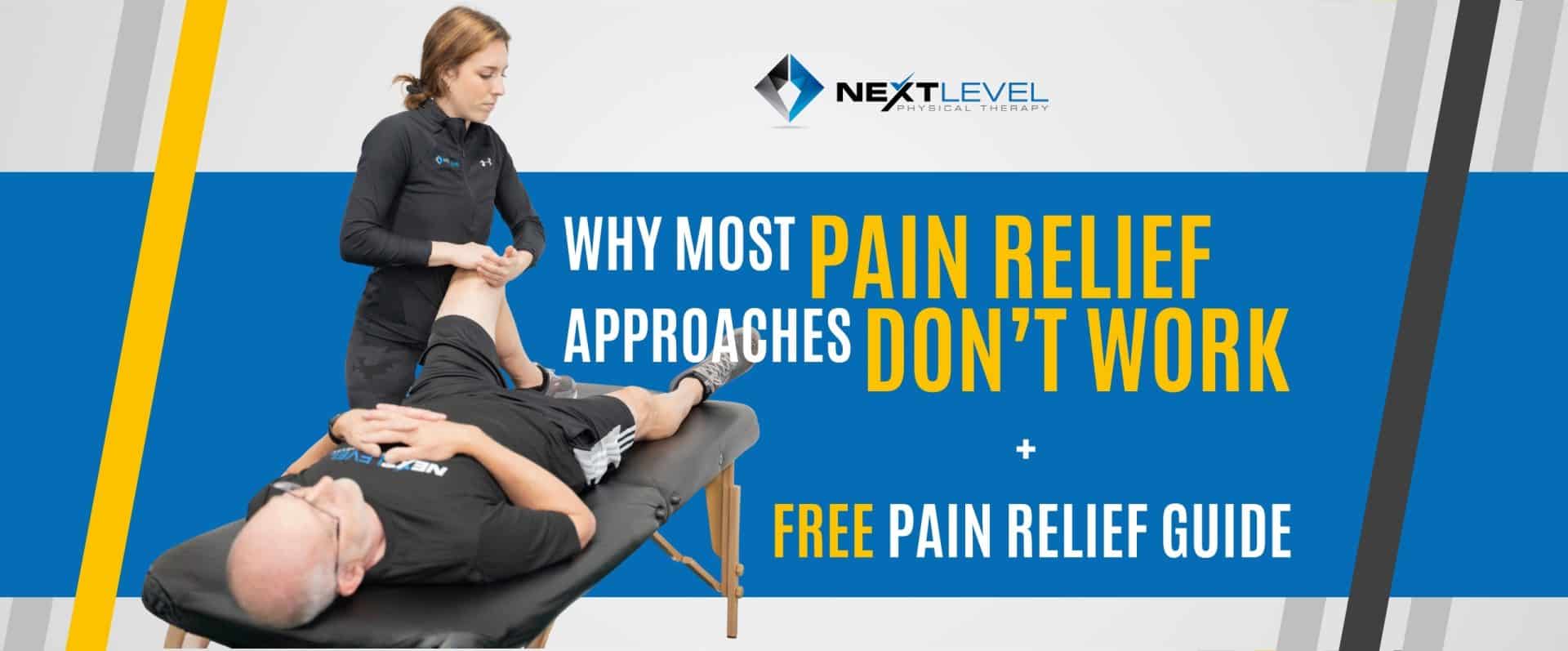
Achieve Chiropractic offers a structured approach to musculoskeletal health by addressing the root mechanical dysfunctions of the spine and nervous system rather than merely masking symptoms. By focusing on spinal alignment, joint mobility, and nerve interference, the practice facilitates the body’s innate healing capabilities, often serving as the essential first step in effective, long-term pain management.
The Philosophy of Spinal Health and Pain Management
Pain is often a symptom, not the root cause of a patient's physical distress. In many medical models, pain management involves the use of pharmaceuticals to dull the sensation of discomfort. While this provides temporary relief, it does not address the underlying structural abnormalities that necessitated the pain signal in the first place. Chiropractic care operates on the principle that the spine acts as the primary conduit for the nervous system; when vertebrae become misaligned—a condition known as a subluxation—the resulting irritation can lead to widespread musculoskeletal pain, restricted movement, and systemic inflammation.
At Achieve Chiropractic, the focus is on the restoration of biomechanical balance. When a joint is restricted or misaligned, the surrounding soft tissues, including muscles and ligaments, often compensate, leading to secondary strain. By performing specific, controlled adjustments, a chiropractor can restore proper joint mobility. This process is not intended as a "quick fix" but as a foundational recovery strategy that allows the body to stop signaling for help through pain.
Identifying the Root Cause of Musculoskeletal Dysfunction
Most chronic pain, whether in the neck, lower back, or extremities, originates from a combination of postural strain, repetitive motion injury, or acute trauma. When you present to a chiropractic clinic, the initial goal is to isolate the origin of your symptoms through diagnostic analysis. This typically involves a physical examination, orthopedic testing, and, when necessary, diagnostic imaging to ensure that the skeletal structure is not compromised by fractures or degenerative conditions.
The diagnostic process at a clinic like Achieve Chiropractic is crucial because it distinguishes between referred pain—pain that manifests in one location but originates elsewhere—and localized injury. For instance, a patient may experience sciatica or shooting pain down the leg, but the root cause may be a disc-related pressure point in the lumbar spine. By identifying the origin, the treatment plan can be targeted, saving the patient time and preventing the unnecessary use of systemic medication.
How Chiropractic Adjustments Facilitate Recovery
The primary tool used in chiropractic care is the spinal adjustment. These are precise movements applied to the joints of the spine or extremities. When a segment of the spine is restricted, it loses its normal range of motion and alters the input sent to the brain. This "noisy" or dysfunctional signal is often interpreted by the brain as pain.
- Restoration of Motion: Adjustments break up minor adhesions within the joint capsule and restore normal lubrication, improving overall mobility.
- Nervous System Reset: By correcting alignment, the pressure on nearby nerve roots is reduced. This allows for clearer communication between the brain and the peripheral tissues, often resulting in an immediate reduction in muscle guarding and spasms.
- Reduced Inflammation: As joint function improves, the surrounding inflammatory response begins to subside. This allows the body to transition from an acute "protection" phase to a "repair" phase.
It is important to understand that an adjustment is a therapeutic intervention, not a passive treatment. Most patients find that the physical act of an adjustment provides an immediate sense of relief, but the sustained benefit relies on the patient’s adherence to the recommended schedule of care, which allows the body to adapt to its corrected, balanced position.
Comparing Traditional Pain Management and Chiropractic Care
Patients often wonder whether they should seek a primary care physician, a physical therapist, or a chiropractor. The reality is that these disciplines often complement one another, but they serve distinct purposes in the initial stages of care. The following table illustrates how these approaches differ in their primary focus and methodology.
| Feature | Chiropractic Care | Traditional Medication | Physical Therapy |
|---|---|---|---|
| Primary Goal | Restore mechanical alignment | Suppress pain signals | Strengthen muscles |
| Methodology | Spinal adjustments | Chemical intervention | Rehabilitative exercise |
| Focus | Nervous system function | Symptom management | Structural stability |
| Long-term Value | Prevention through balance | Temporary relief | Functional endurance |
While medication is effective for acute, high-level pain management and physical therapy is essential for building strength after an injury, chiropractic care is uniquely positioned to handle the mechanical obstacles that prevent these other therapies from being fully effective. For example, it is difficult to effectively strengthen a muscle that is inhibited by a dysfunctional joint. By clearing the joint blockage first, chiropractic enables physical therapy to be more productive.
Prerequisites for Beginning Care
Before beginning a treatment program at a facility like Achieve Chiropractic, there are several requirements to ensure safety and efficacy. Patients are generally expected to provide a comprehensive health history, including any previous surgeries, current medications, and known medical conditions.
- Consultation: An initial interview is required to establish what the patient is feeling, where the pain is located, and what daily activities are restricted.
- Examination: Standardized orthopedic and neurological tests are performed to assess reflexes, muscle strength, and sensory function.
- Imaging: While not required for every patient, X-rays or other diagnostic scans may be ordered if the patient has experienced trauma or if the examination suggests a need for a deeper look at the bony anatomy.
- Informed Consent: Patients must understand the risks and benefits of the procedures. Chiropractic is a low-risk intervention, but it is important to communicate any concerns regarding treatment intensity or specific techniques.
Managing Expectations During the Healing Process
Pain relief is rarely linear. During the initial phases of care, patients might feel significantly better immediately following an adjustment, only to experience minor soreness the next day. This is a common physiological response as the musculature adjusts to the new, corrected alignment of the joints.
Consistency is the most significant factor in the success of chiropractic treatment. When a patient skips sessions, the body often reverts to its previous compensatory patterns—the "bad habits" the spine has developed over years of poor posture or repetitive movement. By maintaining a regular, recommended schedule, the patient creates a window of time where the body is consistently aligned, allowing the soft tissues to heal in the correct position rather than in a state of chronic stress.
Common Misconceptions Regarding Chiropractic Safety
There is often fear regarding the "pop" or "crack" associated with chiropractic adjustments. Scientifically, this sound is known as cavitation. It occurs when gases, such as nitrogen and carbon dioxide, are released from the synovial fluid surrounding the joint as the pressure changes during an adjustment. It is a natural byproduct of the joint being moved through its proper range of motion and is generally painless.
Furthermore, chiropractic care is backed by extensive clinical studies regarding its safety and efficacy for low back pain and neck pain. Like any medical intervention, it must be performed by a licensed professional. Achieve Chiropractic adheres to established protocols to ensure that every adjustment is tailored to the individual’s physical structure, age, and health status.
FAQ: Frequently Asked Questions About Chiropractic Care
Does chiropractic care hurt? Most patients report feeling a sense of immediate relief after an adjustment. If you are experiencing high levels of acute inflammation, your chiropractor will adjust their technique to ensure the procedure is comfortable and non-invasive.
How many sessions will I need to see results? Results vary based on the chronicity of the condition. Most patients start to notice a significant shift in their pain levels within three to six sessions. A personalized treatment plan will be developed during your initial evaluation.
Can I visit a chiropractor if I have had back surgery? Yes, but the treatment approach must be highly specific. A licensed chiropractor will avoid operating on or near the site of any surgical hardware or fused segments, focusing instead on the segments above and below the site to reduce the strain on the surgically treated area.
Is chiropractic care covered by insurance in 2026? Many major health insurance plans cover chiropractic care, though coverage varies significantly by state and individual policy. It is recommended to contact your insurance provider or the clinic’s front office to verify your specific benefits before your first visit.
What should I do if my pain returns? It is normal for minor discomfort to return during periods of high stress or increased physical activity. This does not mean the previous care was ineffective; it usually suggests that you need a "maintenance" or "wellness" adjustment to keep the spine stable.
Moving Forward with Your Health
Deciding to start your journey at Achieve Chiropractic is a commitment to proactive health. If you are tired of merely managing pain and are looking for a way to address the mechanical malfunctions that limit your daily performance, the next step is to schedule a professional consultation. During this session, you will gain a clearer understanding of your unique spinal anatomy and receive a tailored roadmap for your recovery. Do not let chronic discomfort dictate your quality of life; address the root cause and allow your body the opportunity to function as it was designed to.