Accelerated Bachelor of Science in Nursing (ABSN) programs in New York provide a fast-track route for individuals who already hold a bachelor's degree in a non-nursing field to transition into the nursing profession. These intensive programs typically take between 11 and 18 months to complete, focusing exclusively on nursing science and clinical practice while leveraging the student's previous undergraduate education to satisfy general education requirements.
The healthcare landscape in New York has evolved significantly by 2026. With a growing aging population and an increased focus on preventative care, the demand for highly educated Registered Nurses (RNs) has never been higher. New York’s unique "BSN in 10" law, which requires RNs to obtain a baccalaureate degree in nursing within ten years of initial licensure, makes the ABSN an increasingly attractive and efficient option for career changers. By choosing an accelerated path, students can enter the workforce faster, address the statewide nursing shortage, and position themselves for advanced leadership roles.
Understanding the ABSN Structure and Intensity
The primary appeal of an ABSN program is its speed, but this efficiency comes with significant academic rigor. Unlike a traditional four-year BSN, which spreads nursing core courses over several years, an ABSN compresses the same curriculum into a fraction of the time. In New York, these programs are overseen by the New York State Education Department (NYSED) to ensure they meet strict licensure standards.
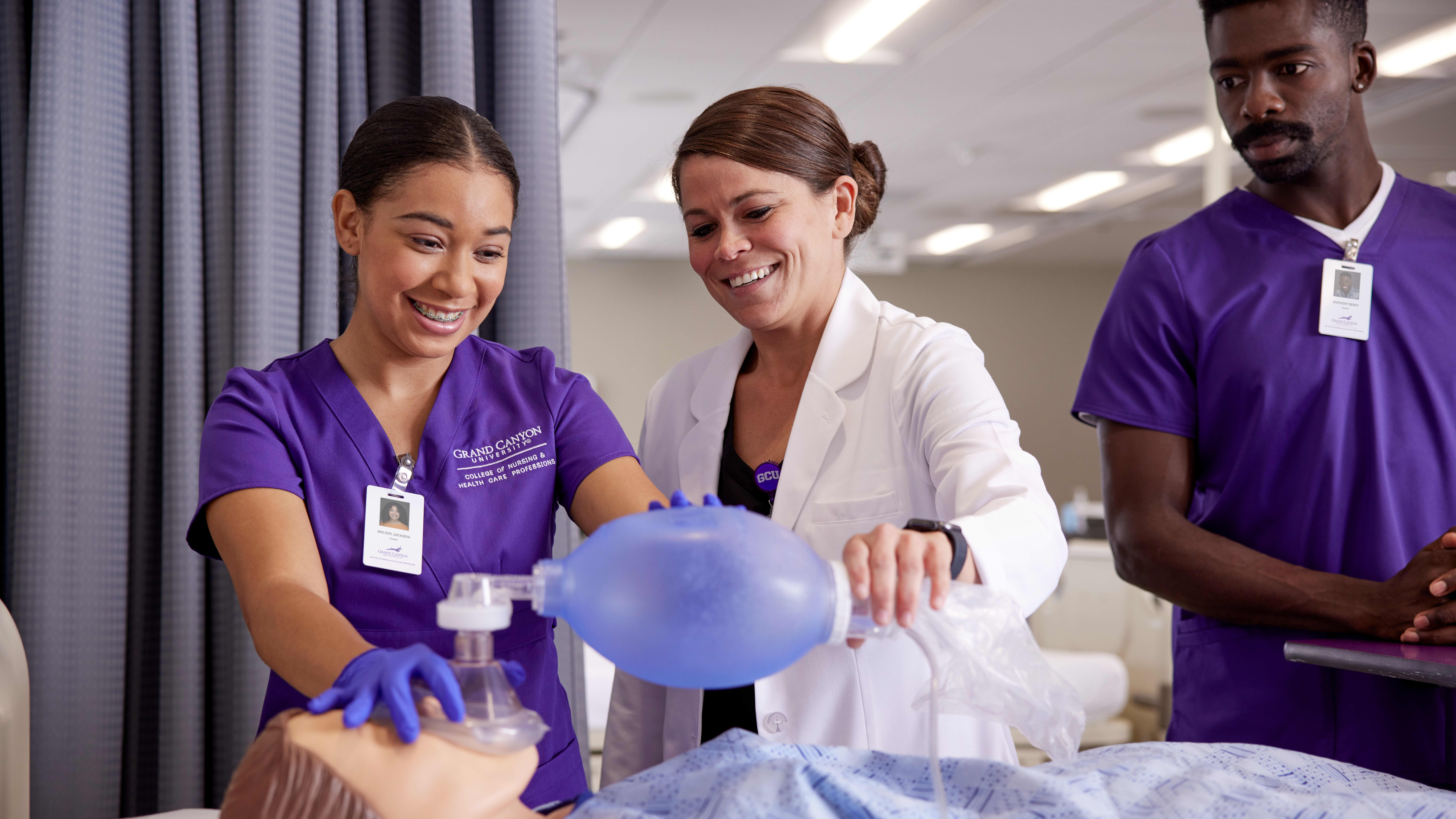
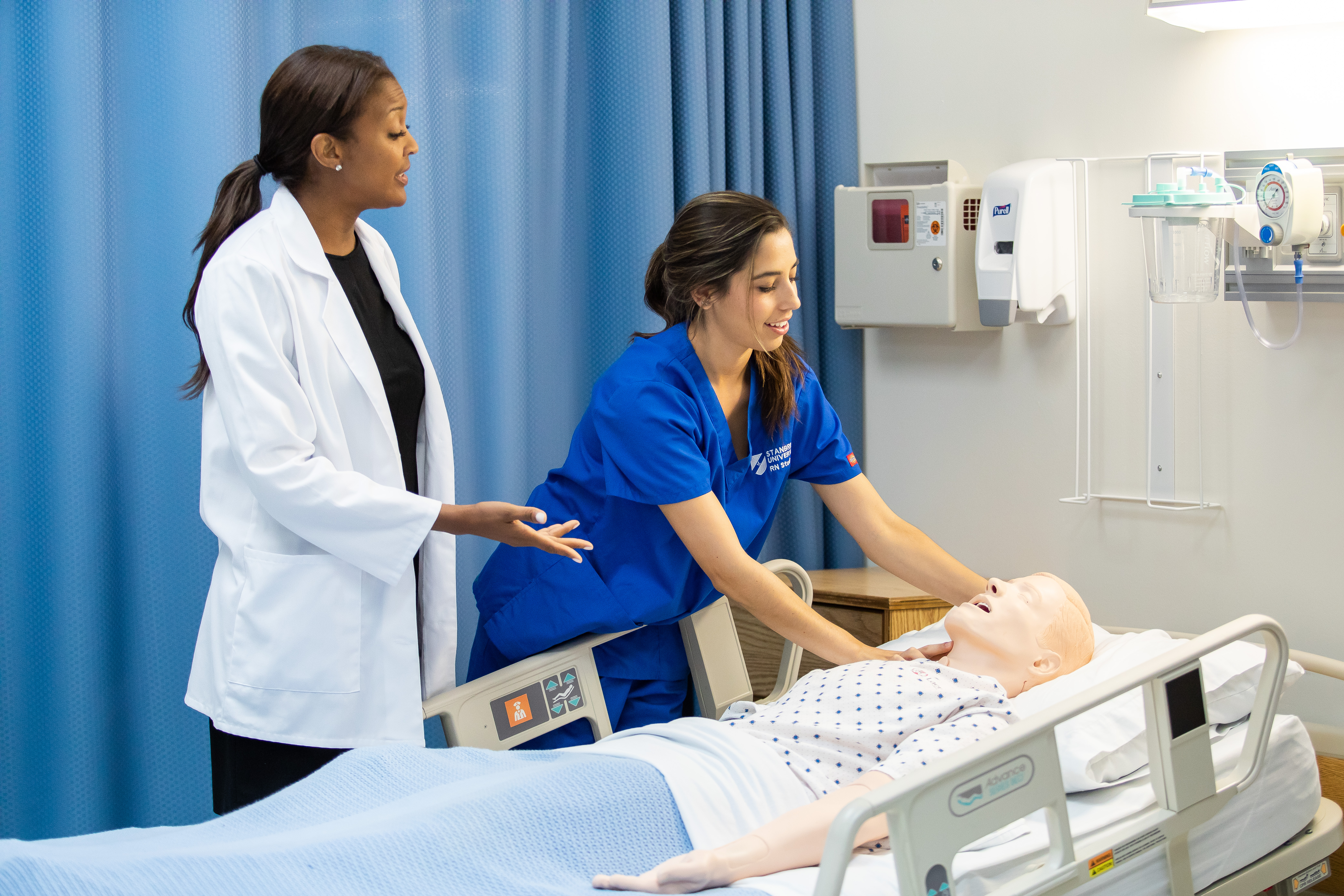
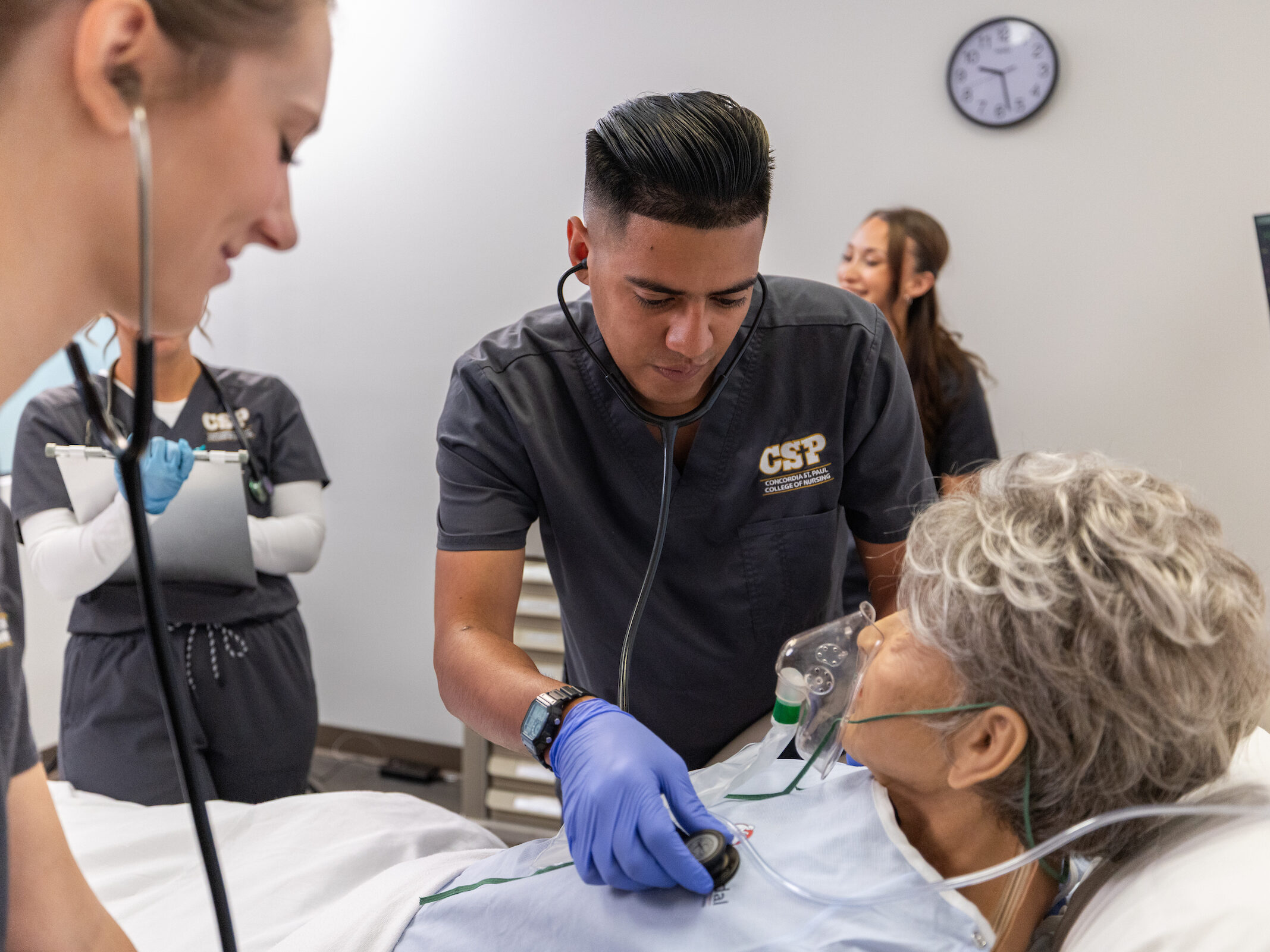
Students should expect a full-time, year-round commitment. A typical week involves several days of intensive classroom lectures, high-fidelity simulation lab sessions, and 12-hour clinical rotations at major New York medical centers. Because of this workload, most institutions strongly advise students against working during the program. The curriculum covers foundational nursing concepts, pharmacology, pathophysiology, and specialized care for populations including pediatrics, geriatrics, and mental health.
Why New York is a Premier Destination for Nursing Education
New York offers a unique clinical environment that is difficult to replicate elsewhere. Students in New York City have access to world-renowned institutions like NYU Langone Health and Mount Sinai, while those in Western or Central New York benefit from major systems like the University of Rochester Medical Center. This diversity provides exposure to a wide range of patient demographics, complex medical cases, and cutting-edge healthcare technology.
Eligibility and Prerequisite Requirements
Before applying to an ABSN program in New York, candidates must satisfy several foundational requirements. While each university has its own specific criteria, there is a standard set of expectations across the state.
1. Prior Baccalaureate Degree
You must hold a Bachelor of Arts (BA) or Bachelor of Science (BS) from an accredited institution. Your previous major does not matter; whether your degree is in Finance, Psychology, or Fine Arts, you are eligible as long as you complete the nursing-specific prerequisites.
2. Minimum GPA Standards
Most competitive New York programs require a minimum cumulative GPA of 3.0 on a 4.0 scale. However, "Science GPA"—the average grade in your prerequisite science courses—is often weighted more heavily. Prestigious programs may look for a 3.5 or higher.
3. Required Prerequisite Courses
Before starting the nursing curriculum, you must demonstrate competency in basic sciences and social sciences. Common prerequisites include:
- Anatomy and Physiology I & II (with labs): Essential for understanding human body systems.
- Microbiology (with lab): Focuses on pathogens and infection control.
- Chemistry: Often required as a foundation for pharmacology.
- Developmental Psychology: Understanding human growth across the lifespan.
- Statistics: Necessary for evidence-based practice and research.
- Nutrition: Basics of dietary health and its impact on recovery.
Most schools require these courses to have been completed within the last five to ten years to ensure the knowledge is current.
Top Accelerated BSN Programs in New York
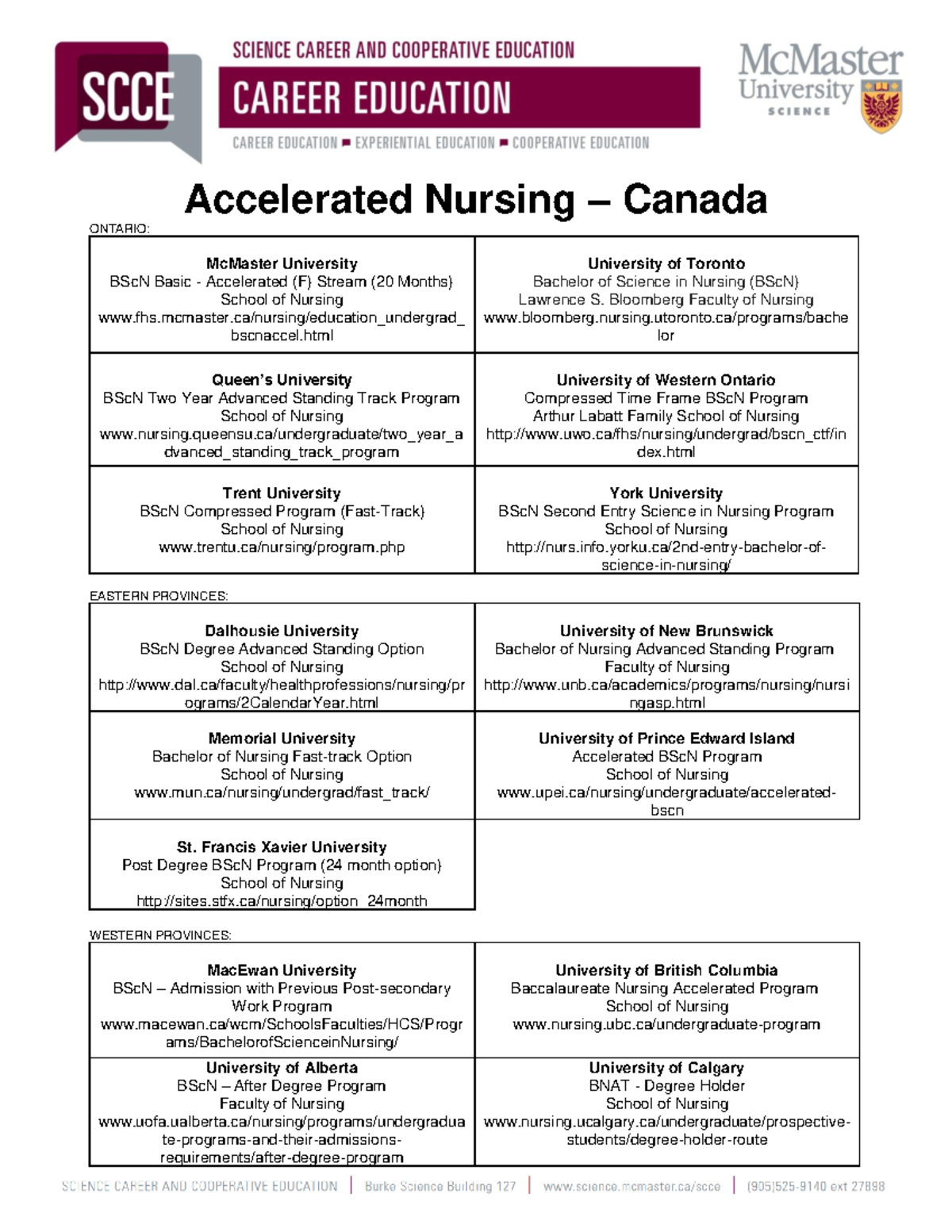
New York is home to dozens of ABSN programs, ranging from large public university systems (SUNY) to elite private institutions. Each offers different advantages regarding cost, location, and clinical partnerships.
New York University (NYU) - Rory Meyers College of Nursing
Located in the heart of Manhattan, NYU’s 15-month ABSN is one of the most famous in the country. It offers unparalleled clinical placements across the metropolitan area. While the tuition is among the highest in the state, the program’s reputation and high NCLEX-RN pass rates are significant draws.
Stony Brook University (SUNY)
As part of the State University of New York system, Stony Brook offers a 12-month accelerated program that is highly regarded for its value and academic excellence. It is particularly competitive due to its lower tuition for New York State residents and its affiliation with Stony Brook University Hospital.
University of Rochester
The School of Nursing at the University of Rochester offers an "Accelerated Program for Non-Nurses" (APNN). This 12-month program is known for its strong focus on research and clinical leadership. It is an excellent choice for those located in Upstate New York.
University at Buffalo (SUNY)
Another high-value SUNY option, Buffalo’s 12-month program is ideal for students seeking a rigorous education in a more affordable cost-of-living area compared to NYC. The program emphasizes community health and evidence-based practice.
Columbia University
While Columbia transitioned its entry-level program to a Masters Direct Entry (MDE), it remains a vital path for non-nursing graduates in NY to reach a BSN-equivalent level and beyond in a compressed timeframe.
Comparison of Featured ABSN Programs in NY (2026)
| University | Location | Duration | Estimated Tuition (Total) | NCLEX Pass Rate (Approx.) |
|---|---|---|---|---|
| NYU Rory Meyers | NYC | 15 Months | $95,000 - $110,000 | 92-95% |
| Stony Brook (SUNY) | Stony Brook | 12 Months | $15,000 (In-State) | 94-97% |
| Univ. of Rochester | Rochester | 12 Months | $75,000 - $85,000 | 90-93% |
| Binghamton (SUNY) | Binghamton | 12 Months | $14,000 (In-State) | 93-96% |
| Pace University | NYC/Westchester | 11-12 Months | $65,000 - $75,000 | 88-92% |
| Hunter College (CUNY) | NYC | 18 Months | $18,000 (In-State) | 95-98% |
Note: Tuition rates for 2026 are estimates and can vary based on student fees, insurance, and residency status.
The Application Process and Timeline
Securing a spot in a New York ABSN program is competitive. Successful applicants often begin their preparation a full year before their intended start date.
Step 1: Transcript Evaluation
Contact the admissions offices of your target schools early. They will evaluate your previous degree to determine which prerequisites you are missing. This is the most critical step to avoid delays.
Step 2: Completing Prerequisites
If you need to take science courses, consider local community colleges to save money. However, ensure the ABSN program accepts credits from that specific institution.
Step 3: Standardized Testing
Some programs require the TEAS (Test of Essential Academic Skills) or the HESI A2 exam. These tests measure your readiness for nursing school in areas like reading, math, and science.
Step 4: Letters of Recommendation and Essays
Most applications require 2-3 letters of recommendation. Professional or academic sources are best. Your personal statement should clearly articulate why you are switching to nursing and how your previous experience will make you a better clinician.
Financial Aid and Funding Your Degree
The cost of an ABSN can be daunting, especially since many students have already exhausted some of their federal undergraduate loan limits. However, several options exist in 2026 to help offset these costs.
- Federal Loans: Even if you have a prior degree, you may still be eligible for Direct Subsidized and Unsubsidized Loans up to certain lifetime limits.
- NY State Nursing Faculty Loan Forgiveness: For those who eventually want to teach, New York offers programs to help pay back loans.
- Nurse Corps Scholarship Program: In exchange for a commitment to work in a Health Professional Shortage Area (HPSA) after graduation, this federal program can cover tuition and provide a monthly stipend.
- Hospital Sponsorships: Some New York health systems, such as Northwell Health or NYU Langone, offer tuition reimbursement or "work-for-repayment" agreements where they pay for your final semester if you commit to working for them for a specified number of years.
Licensure: Moving from BSN to RN
Graduating from an ABSN program is the first step; the second is becoming licensed. In New York, this involves the New York State Board of Nursing.
- Apply for Licensure: During your final semester, you will submit an application for licensure and a fee to the NYSED.
- Authorization to Test (ATT): Once the state verifies your graduation, you receive an ATT for the NCLEX-RN.
- The NCLEX-RN Exam: This national exam tests your ability to make safe, entry-level clinical decisions. ABSN students typically have high pass rates because the intensive nature of their program keeps the material fresh.
- Registered Nurse (RN) Status: Once you pass, you are officially an RN in New York.
Career Outlook and Salaries in New York (2026)
The return on investment for an ABSN in New York remains strong. As of 2026, the demand for BSN-prepared nurses continues to outpace supply.
- Salary Expectations: In the New York City metropolitan area, starting salaries for BSN-prepared nurses often range from $105,000 to $120,000, with significant increases for night shifts, specialized units (ICU, ER), and overtime. Upstate New York salaries are generally lower (ranging from $75,000 to $90,000) but are balanced by a much lower cost of living.
- Career Advancement: A BSN is the gateway to advanced practice. With a BSN, you can pursue a Master of Science in Nursing (MSN) or a Doctor of Nursing Practice (DNP) to become a Nurse Practitioner, Nurse Midwife, or Nurse Anesthetist.
Frequently Asked Questions
Can I work while enrolled in a New York ABSN program?
While not strictly prohibited by all schools, it is highly discouraged. The "accelerated" nature means you are doing 40+ hours of schoolwork and clinicals a week, plus study time. Most successful students treat the program as a 60-hour-per-week job.
Is an ABSN degree the same as a traditional BSN?
Yes. Upon completion, you receive a Bachelor of Science in Nursing. It carries the same weight with employers and licensing boards. The "accelerated" part refers only to the delivery method and timeframe, not a difference in the degree itself.
What is the "BSN in 10" law in New York?
Passed in 2017, this law requires all nurses who receive their initial RN license in New York to earn a BSN within 10 years of that licensure. Because ABSN graduates already earn their BSN at the start of their career, they are immediately compliant with this law and do not need to worry about future educational deadlines.
What happens if I failed a science prerequisite in the past?
Most New York programs allow you to retake a course to improve your grade. However, some highly competitive programs may penalize multiple retakes or have a "one-fail" rule for core sciences. It is best to check with the specific admissions counselor.
How do I choose between a SUNY program and a private university?
The primary factors are cost and location. SUNY programs offer significantly lower tuition for residents but are often more competitive due to the high volume of applicants. Private universities like NYU or Pace may have more available seats and different clinical partnerships, but they come with a much higher price tag.
Final Recommendation for Aspiring Nurses
Choosing an accelerated BSN program in New York is a strategic move for those ready for a demanding but rewarding career transition. To succeed, focus first on your prerequisites and GPA. Aim for the highest possible grades in Anatomy and Physiology, as these are the best predictors of success in nursing school.
Once you are ready to apply, cast a wide net. Apply to a mix of SUNY/CUNY schools for their value and private institutions for their expanded capacity. Ensure you have your finances in order before the program begins, as the intensity of the curriculum leaves little room for external work. By 2026, the infrastructure for nursing support in New York has matured, providing ABSN graduates with a clear path toward stable, high-paying, and impactful careers in healthcare.