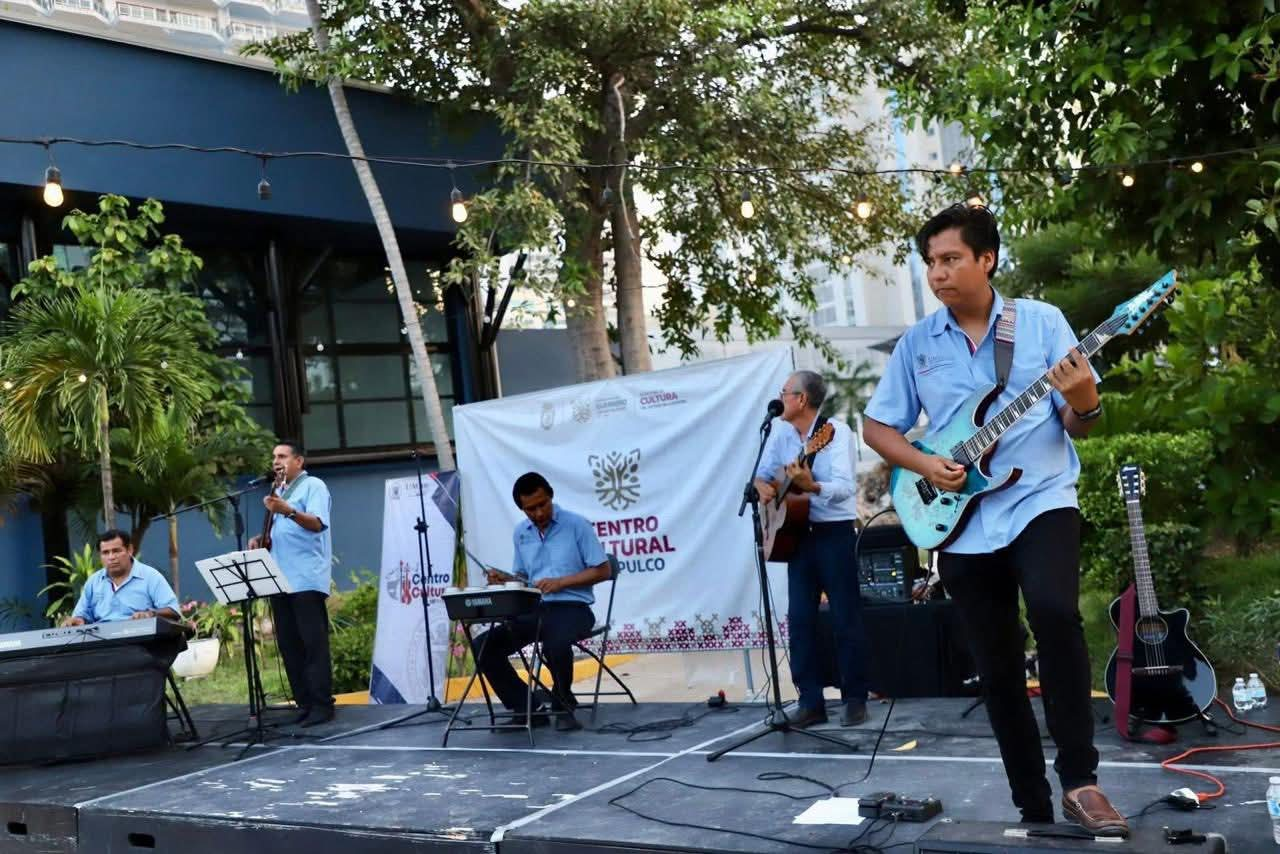
In 2026, Acapulco serves as a poignant cultural snapshot of a city in profound transition. Beyond its legendary coastline, it represents a complex intersection of post-disaster recovery, architectural modernization, and the enduring spirit of the Guerrerense people. It is a living laboratory of urban resilience against climate change and shifting global tourism.
The Historical Context: From Golden Age to Post-Otis Reality
To understand Acapulco in 2026, one must first acknowledge the seismic shift that occurred in October 2023. For decades, Acapulco was defined by its dual identity: the 1950s Hollywood playground and the later, more troubled era of urban sprawl and security challenges. However, Hurricane Otis acted as a "year zero," stripping away the physical facade of the city and forcing a fundamental re-evaluation of its cultural and economic purpose.
By 2026, the "snapshot" of the city is no longer one of faded 20th-century glamour, but of 21st-century survival. The reconstruction efforts, which dominated the 2024–2025 period, have yielded a skyline that looks familiar yet feels different. The cultural narrative has shifted from "the place where Elvis filmed" to "the city that refused to vanish." This resilience is the primary lens through which any visitor or researcher must now view the region.
The Spatial Dichotomy: Tradicional, Dorada, and Diamante
Acapulco has always been divided into three distinct zones, and by 2026, the cultural gap between them has widened, reflecting different priorities in the reconstruction process.
Acapulco Tradicional (The Soul)
The "Old Acapulco," centered around the Zócalo and the Quebrada, remains the cultural heart. In 2026, this area has leaned heavily into heritage tourism. While the high-rise hotels of other zones sought glass and steel, the Tradicional zone focused on restoring the mid-century murals and colonial-adjacent architecture that defined its peak. The culture here is intimate; it is found in the chilate vendors and the generational cliff divers who have maintained their trade despite the physical destruction of their facilities in years prior.
Acapulco Dorada (The Nostalgia)
The "Golden Zone," developed in the 1970s and 80s, has faced the most significant challenges in the 2026 landscape. As a middle-ground between heritage and modern luxury, it has struggled to find a new identity. Many of the older concrete towers have been retrofitted with sustainable, storm-resistant glass, but the cultural vibe remains one of transition—a bridge between the city’s populist past and its aspirational future.
Acapulco Diamante (The Modern Frontier)
Diamante represents the economic engine of 2026. This zone was rebuilt with a "build back better" philosophy, featuring LEED-certified buildings and advanced drainage systems designed to mitigate future storm surges. Culturally, Diamante is increasingly detached from the rest of the city, catering to a demographic that values security and modern amenities over historical charm. This has created a tension in the "cultural snapshot"—a city that is simultaneously reclaiming its history while building a high-tech fortress against the elements.
Rebuilding Identity: Architecture as a Statement of Survival
In 2026, the architecture of Acapulco is not merely aesthetic; it is a technical response to environmental necessity. The cultural snapshot is visible in the materials used: reinforced concrete, hurricane-grade glass, and decentralized power grids.
The reconstruction has seen a move away from the massive, monolithic resorts of the late 20th century toward more modular, integrated designs. Local architects have pushed for the use of endemic materials that can withstand high humidity and salinity, leading to a new "Acapulco Style" that is more grounded in the Guerrero landscape. This architectural shift reflects a broader cultural realization that the city can no longer afford to ignore its natural environment.
Socio-Economic Shifts: The Evolving Face of Tourism
The tourism profile of 2026 has evolved. While the international jet set of the 1960s is a distant memory, a new wave of "resilience tourists" and domestic travelers has filled the void.
- Domestic Dominance: Acapulco remains the weekend getaway for Mexico City’s residents. This has preserved the local flavor of the city’s gastronomy and nightlife, preventing it from becoming a sterilized international enclave.
- Sustainability Focus: The 2026 visitor is more likely to be interested in the recovery of the Coyuca Lagoon or the protection of local turtle populations than in the disco scenes of the 1990s.
- The Digital Nomad Influence: With improved fiber-optic infrastructure installed during the 2024 rebuild, a small but significant population of remote workers has settled in the Tradicional and Diamante zones, bringing a more cosmopolitan, year-round energy to the local coffee shops and coworking spaces.
Comparative Overview of Acapulco’s Zones in 2026
The following table outlines the current status of the city’s primary sectors as of 2026, providing a quantitative and qualitative look at the recovery.
| Zone | Primary Infrastructure Status | Cultural Vibe | Key 2026 Landmark |
|---|---|---|---|
| Tradicional | Fully restored heritage sites; improved pedestrian walkways. | Authentic, historic, "Old Mexico." | La Quebrada (Renovated plaza) |
| Dorada | 85% of hotels operational; focus on seismic/storm retrofitting. | Nostalgic, populist, vibrant. | Parque Papagayo (Restored green lung) |
| Diamante | 100% operational; new luxury residential complexes. | Modern, exclusive, tech-forward. | Arena GNP Seguros (Upgraded) |
| The Hills (Colonias) | Partial reconstruction; focus on social housing projects. | Resilient, community-driven. | New Community Centers |
Cultural Anchors: Food, Tradition, and the Guerrense Spirit
If the architecture represents the body of Acapulco in 2026, the culture is its soul. This is most evident in the city's culinary scene. The traditional Jueves Pozolero (Pozole Thursday) remains a non-negotiable ritual for locals and tourists alike. This tradition has survived every crisis, acting as a social glue that binds the community.
Gastronomy in 2026 has also seen a "return to the roots." Chefs are moving away from imported luxury ingredients and focusing on the bounty of the Pacific and the Guerrero mountains. Pescado a la Talla remains the signature dish, but it is now often served in settings that emphasize ecological traceability.
Furthermore, the arts have seen a resurgence. Local galleries in the Tradicional zone are increasingly showcasing work that deals with themes of loss, recovery, and the climate. This "Disaster Art" has become a significant part of the cultural snapshot, documenting the trauma of 2023 and the subsequent rebirth. It serves as a collective memory, ensuring that the lessons of the past are not forgotten in the rush to modernize.
Navigating the 2026 Landscape: Logistics and Safety
For those looking to experience this cultural snapshot firsthand, the logistics of 2026 require a more informed approach than in decades past.
Transport and Access
The Juan N. Álvarez International Airport is fully modernized, with improved connectivity to North American hubs. Locally, the Acabús system remains the primary mode of public transport, though it has been supplemented by new electric ferry services that connect the Tradicional zone to Diamante, bypassing the heavy traffic of the mountain passes.
Security and Safety
Security remains a nuanced topic. In 2026, the Mexican government has maintained a visible presence of the National Guard in tourist areas. While the "Golden Zone" and "Diamante" are heavily patrolled and generally safe for international travelers, a "cultural snapshot" of the city must also acknowledge that the peripheral colonias still face socio-economic challenges. Visitors are encouraged to stay within established tourist corridors or use certified local guides for "off-the-beaten-path" cultural tours.
Economic Considerations
Pricing in 2026 has stabilized after the post-reconstruction inflation. However, visitors should expect a tiered economy:
- Budget: Local markets and fondas in the Tradicional zone remain highly affordable.
- Mid-range: Hotels in the Dorada zone offer competitive rates as they compete with the newer Diamante properties.
- Luxury: Diamante maintains international luxury pricing, reflective of its high-end infrastructure and security.
Frequently Asked Questions
Is Acapulco fully recovered from Hurricane Otis in 2026?
While the primary tourist infrastructure—hotels, main roads, and the airport—is fully operational, recovery is an ongoing process. In 2026, the focus has shifted from emergency reconstruction to long-term urban planning and social equity. Some residential areas in the hills are still undergoing revitalization, but for the average traveler, the city is "open for business" with modernised facilities.
What is the "must-see" cultural event in 2026?
The Abierto Mexicano de Tenis remains a major draw, but for a true cultural snapshot, the Festival Internacional La Nao Acapulco is essential. It celebrates the city's historical link to the Philippines and Asia, featuring dance, music, and food that highlight Acapulco’s role as a historic global crossroads.
Is it safe to visit the "Old Acapulco" (Tradicional) area?
Yes. The Tradicional area has been a focal point for government restoration and security efforts to preserve its status as a heritage site. Walking tours around the Zócalo and Fort San Diego are common and safe during daylight hours, though standard urban precautions should always be taken.
How has the climate changed the way tourism works in Acapulco?
Climate awareness is now baked into the tourism model. Many hotels in 2026 offer "carbon-neutral" stays, and there is a city-wide ban on single-use plastics in the bay area. Additionally, the city has implemented an advanced early warning system and clearer evacuation protocols for tourists, which has restored confidence in the region’s safety.
Can I visit Acapulco on a budget in 2026?
Absolutely. Acapulco remains one of Mexico’s most accessible beach destinations. By staying in the Tradicional zone or the smaller boutique hotels in the Dorada zone, travelers can find excellent value. Utilizing the Acabús and eating at local mercados allows for a rich cultural experience at a fraction of the cost of a Caribbean or Cabo vacation.
Practical Recommendation for Travelers
If you are planning to visit Acapulco in 2026 to experience this cultural snapshot, prioritize a split stay. Spend two days in the Acapulco Tradicional area to soak in the history, visit the Fort of San Diego, and watch the cliff divers. This provides the historical context of the city. Then, move to Acapulco Diamante or Pie de la Cuesta for a few days to experience the modern, resilient side of the region and the natural beauty of its lagoons.
Support the local economy by booking at least one tour with a local cooperative, such as a boat tour of the Coyuca Lagoon or a guided food walk through the Central Market. This ensures that your tourism dollars directly support the families who have spent the last three years rebuilding their lives.