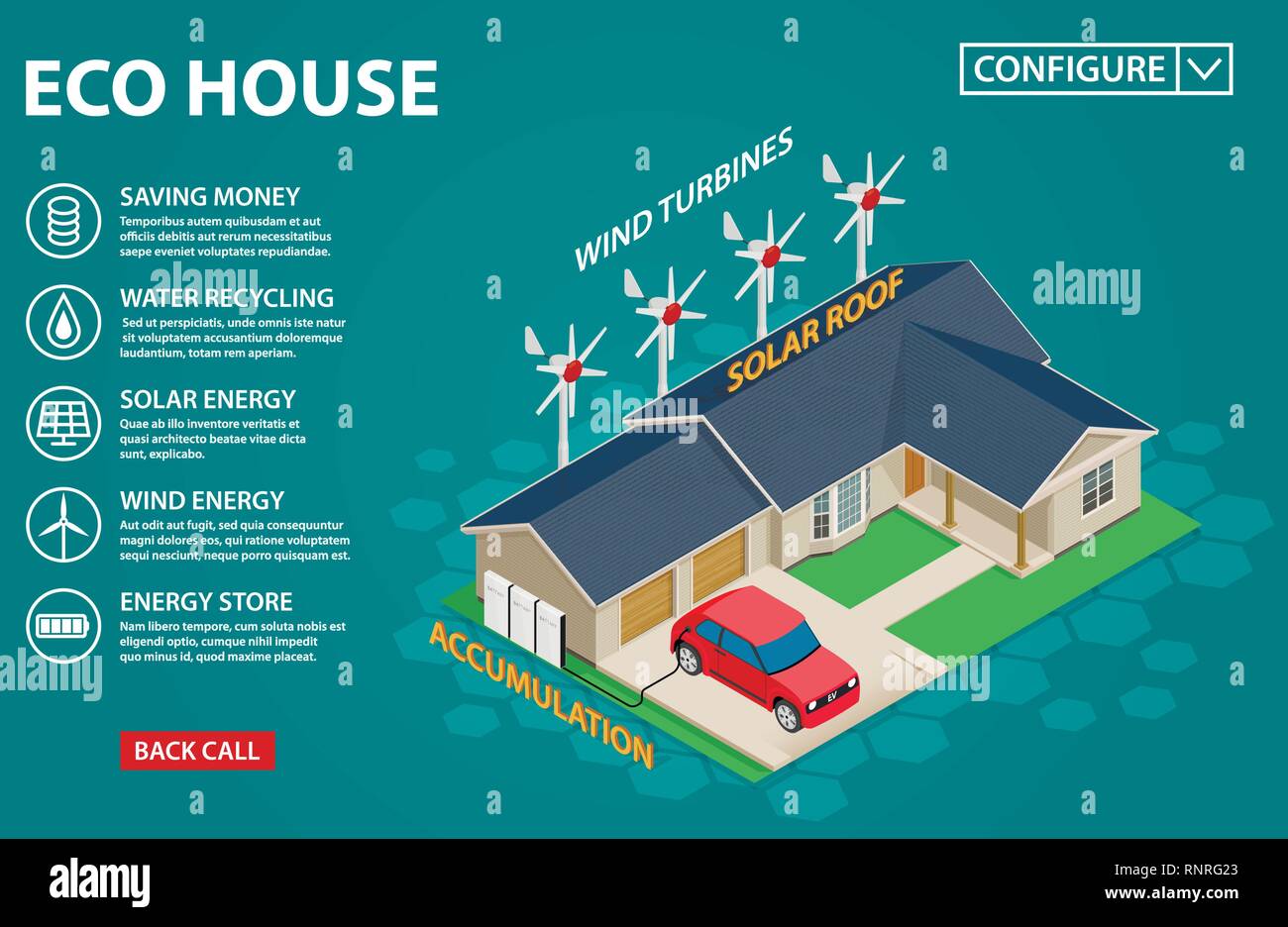
Integrating green energy into your home’s air conditioning system involves transitioning from traditional, fossil-fuel-reliant cooling to high-efficiency electric heat pumps, solar-powered AC units, or geothermal systems. By 2026, these technologies have become the standard for reducing carbon footprints while significantly lowering monthly utility costs through advanced thermal management and renewable integration.
The Evolution of Sustainable Residential Cooling
For decades, residential air conditioning was synonymous with high electricity consumption and the use of refrigerants with significant global warming potential (GWP). As we navigate 2026, the "green energy" label for AC no longer refers to a niche product but to a comprehensive approach to thermal comfort. This approach prioritizes three main pillars: electrification, source sustainability, and operational efficiency.
The modern home utilizes "green AC" by moving away from standalone cooling units and toward integrated systems. In the past, a furnace provided heat and a separate AC unit provided cooling. Today, the dominant technology is the heat pump, a device that moves heat rather than generating it. When powered by renewable sources like solar photovoltaics (PV), these systems achieve a "net-zero" cooling profile, meaning the energy required to cool the home is offset by the energy produced on-site.
Furthermore, the materials used in these systems have evolved. The industry-wide transition to A2L refrigerants, such as R-454B and R-32, is now complete. These substances have a much lower environmental impact than the R-410A common in the early 2020s, aligning residential infrastructure with international climate agreements.
Primary Technologies for Green AC Integration
To achieve a green cooling profile, homeowners typically choose between three primary system architectures. Each offers different levels of efficiency, upfront costs, and installation complexity.
1. High-Efficiency Air-Source Heat Pumps (ASHPs)
Air-source heat pumps are the most common entry point for green cooling. They function similarly to a refrigerator, using a refrigerant cycle and a compressor to extract heat from inside the home and dump it outside. In the winter, the process reverses.
By 2026, variable-speed inverter technology has become standard in these units. Unlike older "on/off" systems that consume a massive surge of power to start, inverter-driven compressors ramp up and down smoothly. This allows the system to maintain a precise temperature using only the minimum necessary electricity, often operating at just 20% capacity to maintain comfort.
2. Solar-Ready and DC-Powered AC Units
Direct solar cooling has seen a massive surge in 2026. These systems come in two varieties:
- AC-Coupled Systems: Standard high-efficiency units powered by a home’s general solar array via an inverter.
- DC-Direct Units: These units connect directly to solar panels. Because they bypass the need to convert DC (Direct Current) from the panels into AC (Alternating Current) for the appliance, they eliminate conversion losses, making them roughly 15-20% more efficient than standard units during daylight hours.
3. Geothermal (Ground-Source) Heat Pumps
Geothermal remains the "gold standard" for green energy in the modern home. By leveraging the constant temperature of the earth (roughly 55°F or 13°C), these systems require very little electricity to exchange heat. While the installation of ground loops is expensive and disruptive, the U.S. Department of Energy notes that geothermal systems can reduce energy bills by up to 70% compared to traditional HVAC systems.
Understanding Efficiency Ratings: SEER2 and HSPF2
When evaluating green AC options in 2026, you must understand the updated efficiency metrics. The industry shifted from SEER to SEER2 (Seasonal Energy Efficiency Ratio 2) and from HSPF to HSPF2 (Heating Seasonal Performance Factor 2) to reflect more realistic external static pressure conditions in modern ductwork.
- SEER2: This measures the cooling output over a typical cooling season divided by the total electric energy input. In 2026, a "green" system should ideally have a SEER2 rating of 18 or higher. Top-tier units now reach SEER2 ratings of 25-30.
- EER2 (Energy Efficiency Ratio 2): While SEER2 measures seasonal efficiency, EER2 measures instantaneous efficiency at a specific outdoor temperature (usually 95°F). This is critical for homes in extremely hot climates where the unit must work at peak capacity for hours.
Higher ratings signify that the unit requires less "green" energy (like solar) to achieve the same cooling effect, allowing homeowners to install smaller, less expensive solar arrays.
The Role of Smart Energy Management Systems (SEMS)
A green AC unit is only as effective as the system controlling it. In 2026, the integration of Matter-enabled smart thermostats and Home Energy Management Systems (HEMS) is essential. These systems do more than just follow a schedule; they perform "load shifting."
Load shifting allows the AC to "pre-cool" the home during the mid-day hours when solar production is at its peak and electricity prices are low (or free, if you have your own panels). As the sun sets and the grid becomes stressed, the smart system reduces the AC's power draw, utilizing the "thermal mass" of the home to keep the temperature stable. This synergy between green generation and intelligent consumption is the hallmark of the modern eco-friendly home.
Cost Analysis and System Comparison
Investing in green AC requires a higher upfront capital expenditure than traditional central air, but the long-term ROI is bolstered by federal tax credits and drastically lower operational costs.
| System Type | Estimated Install Cost (2026) | SEER2 Rating | Lifespan | Primary Benefit |
|---|---|---|---|---|
| High-Efficiency ASHP | $8,000 – $14,000 | 18 – 24 | 15 Years | Versatile, easy retrofit |
| Direct DC Solar AC | $5,000 – $9,000 | 20+ (Effective) | 12-15 Years | Off-grid capable, zero day-cost |
| Geothermal Heat Pump | $20,000 – $35,000 | 25 – 32 | 25+ Years | Lowest operational cost |
| Multi-Stage Central AC | $6,000 – $10,000 | 14 – 16 | 12-15 Years | Lowest entry cost (Less Green) |
Note: Costs are estimates before federal rebates or local utility incentives. Prices vary based on home size and existing ductwork condition.
Refrigerant Transition and Environmental Impact
Homeowners must be aware of the AIM Act implications that reached full maturity by 2026. The phase-down of HFCs (Hydrofluorocarbons) means that traditional R-410A systems are no longer being manufactured for residential use. If you are installing a "green" system today, it likely uses R-454B or R-32.
These refrigerants are classified as A2L, meaning they are mildly flammable but significantly more efficient at heat transfer. Because they have a GWP that is 60-75% lower than their predecessors, they are the only viable choice for a truly green modern home. When replacing an old system, ensure your contractor is certified in A2L handling to prevent leaks, which are the leading cause of "hidden" carbon emissions in residential cooling.
Steps to Transition Your Home to Green AC
Transitioning to a sustainable cooling setup is a multi-step process that begins with the building envelope rather than the machine itself.
- Conduct an Energy Audit: Before sizing a new green AC, use an infrared camera or blower door test to identify leaks. A green AC in a "leaky" house is inherently inefficient.
- Size for "Right-Sizing": Modern variable-speed systems do not need to be oversized. An oversized unit will "short-cycle," failing to dehumidify the air and consuming more energy.
- Evaluate Electrical Capacity: High-efficiency heat pumps may require a 240V circuit. If you are adding solar, you may need a "smart" breaker panel to manage the loads effectively.
- Maximize Incentives: Under the Inflation Reduction Act (IRA), which remains a cornerstone of energy policy in 2026, homeowners can claim tax credits for heat pumps (up to $2,000 annually in many cases) and 30% for solar installations.
- Choose a "Low-GWP" System: Explicitly request a unit that utilizes R-454B or R-32 to ensure long-term serviceability and environmental compliance.
Common Obstacles and Troubleshooting
While the benefits are clear, green AC systems face specific challenges in modern installations:
- Cold Climate Performance: In the past, air-source heat pumps struggled in sub-zero temperatures. In 2026, "cold-climate" heat pumps (ccASHPs) maintain 100% efficiency down to 5°F (-15°C). If you live in a northern region, ensure your unit is specifically rated for cold climates.
- Maintenance Requirements: Green systems, particularly geothermal and high-SEER2 ASHPs, have sensitive electronic components and sensors. They require annual professional cleaning of the coils and condensate lines to maintain their efficiency ratings.
- Solar Mismatch: If your solar array is too small, the AC will draw from the grid during peak pricing. The solution is often adding a small battery storage buffer (like a 5kWh or 10kWh unit) to smooth out the AC's power demands during passing clouds or late afternoon.
Frequently Asked Questions
Can I run my current air conditioner on solar energy?
Yes, you can run a traditional AC on solar, but it is often inefficient. Most standard AC units require a large "startup surge" of electricity that can trip solar inverters or drain batteries quickly. To make it viable, you typically need a "soft start" kit or a modern inverter-driven AC unit that ramps up power consumption gradually.
Are green AC systems louder than traditional ones?
Actually, they are significantly quieter. Because green systems (like high-end heat pumps) use variable-speed fans and compressors, they rarely run at full "blast." Most modern green units operate at noise levels between 45 and 55 decibels, which is roughly the volume of a quiet conversation.
Is it worth replacing a working 10-year-old AC with a green system?
If your current unit uses R-22 or even early R-410A, the efficiency gains of a 2026 SEER2 20+ unit are substantial. You could see a 30-50% reduction in cooling costs. Furthermore, with the current federal tax credits, the "break-even" point for a new system is often reached within 5 to 7 years.
Do green AC units require special filters?
They use standard high-efficiency particulate air (HEPA) or MERV-rated filters, but because green systems often run for longer cycles at lower speeds, they provide superior air filtration. It is vital to change these filters every 90 days to prevent static pressure buildup, which can force the motor to work harder and negate energy savings.
What is the most "green" refrigerant available in 2026?
Propane (R-290) is emerging in some smaller portable and window units due to its near-zero GWP. However, for central whole-home systems, R-454B is the current industry standard for balancing safety, performance, and low environmental impact.
Practical Recommendation
If you are looking to green your home's cooling system in 2026, the most balanced path for most homeowners is a ducted or ductless air-source heat pump with a SEER2 rating of at least 20, paired with a smart thermostat. This setup provides the highest return on investment by qualifying for maximum federal tax credits while being compatible with future solar expansions. Before purchasing, verify that the installer is licensed to handle A2L refrigerants and ask for a manual J-calculation to ensure the system is perfectly sized for your home's specific layout and insulation levels.