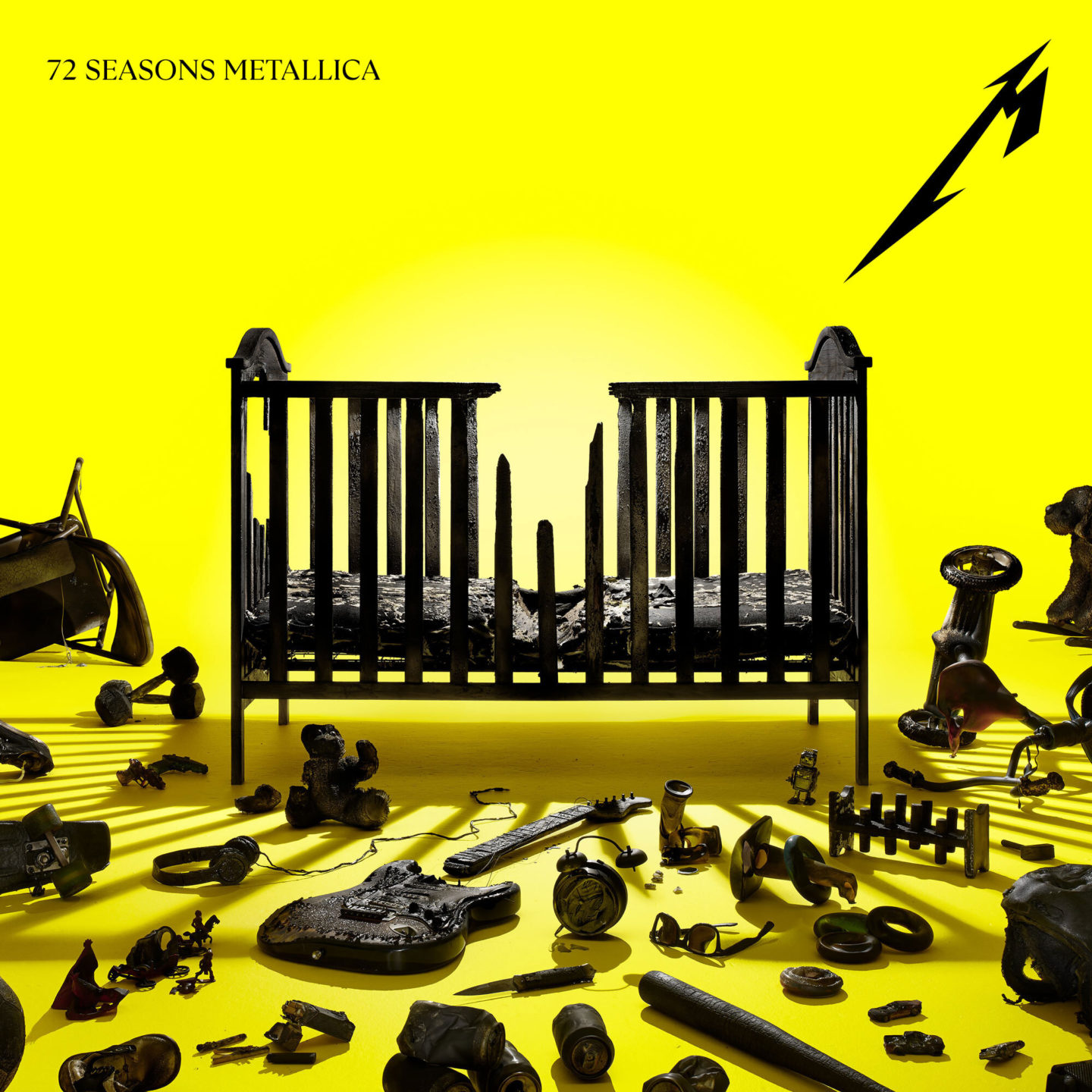
Metallica’s M72 World Tour, launched in support of their eleventh studio album 72 Seasons, has officially cemented its place as a historic milestone in heavy metal. By 2026, the tour's innovative "No-Repeat Weekend" format and massive stadium production have redefined the economic and logistical benchmarks for global concert tours, shattering attendance and revenue records worldwide.
The M72 World Tour was not merely a series of concerts; it was a structural overhaul of how a legacy band interacts with its global audience. Spanning from its 2023 kickoff through its final extended dates into 2025, the tour utilized a unique residency model that required fans to engage with the band over multiple days. This strategy, combined with a groundbreaking 360-degree stage design, allowed Metallica to maximize venue capacity while providing a fresh experience for die-hard fans.
The "No-Repeat Weekend" Concept: A Paradigm Shift
At the heart of the M72 tour’s record-breaking success was the "No-Repeat Weekend" mandate. For every city on the itinerary, Metallica performed two nights with two completely different setlists and two different sets of opening acts. This meant that across two shows, the band did not repeat a single song, drawing from their massive catalog of over 40 years of music.
Boosting Fan Engagement and Revenue
The economic logic behind the no-repeat format was a masterstroke in tour management. By ensuring that Friday’s show and Sunday’s show were unique, the band incentivized the purchase of "two-day tickets." This effectively doubled the revenue per unique attendee in many markets. For the fans, it transformed a standard concert into a "Metallica Takeover" event, often accompanied by pop-up shops, film festivals, and charity events during the "Saturday gap."
Curating the Setlists
Metallica balanced the setlists by distributing their "Big Four" staples—Enter Sandman, Master of Puppets, One, and Nothing Else Matters—across the two nights. This ensured that regardless of which night a casual fan attended, they would hear legendary hits, while the hardcore fans who attended both nights were rewarded with rare deep cuts like 72 Seasons, Dirty Window, or The Call of Ktulu.
Technical Mastery: The Ring Stage and the Snake Pit
The production of the M72 tour was a marvel of modern engineering. To accommodate the massive crowds and provide a more intimate feel in cavernous stadiums, the band moved away from the traditional end-zone stage.
The Center-Stage Philosophy
The M72 stage was a massive, donut-shaped ring placed in the center of the stadium floor. This design allowed for a significantly higher "floor" capacity compared to traditional setups. By 2026, industry analysts noted that this configuration was instrumental in breaking the single-show attendance record at SoFi Stadium in Los Angeles, where Metallica drew over 78,000 fans in a single night—surpassing previous records held by major pop acts.
The Snake Pit Reimagined
A signature of Metallica’s live shows since the 1990s, the "Snake Pit"—a standing area for fans located directly within the stage—was moved to the center of the ring. This put the most dedicated fans in the literal heart of the performance, with the band members frequently rotating around the ring to ensure every section of the stadium had a front-row view at various points in the night.
Audio and Visual Innovation
To solve the acoustic challenges of a 360-degree stadium show, the production team utilized a massive "distributed" sound system. Instead of a single wall of speakers, 8 massive towers were positioned around the ring, each equipped with state-of-the-art L-Acoustics arrays. This setup minimized the "echo" common in stadiums and ensured that the heavy, percussive nature of Metallica’s sound remained crisp for every attendee.
Shattering Attendance and Financial Records
The M72 World Tour was a financial juggernaut. By the time the final tallies were audited in 2025, the tour had consistently ranked among the highest-grossing rock tours of the decade.
Record-Breaking Venues
In many metropolitan areas, the tour didn't just sell out; it set all-time attendance highs for a single concert event. The SoFi Stadium shows in August 2023 were a turning point, proving that a heavy metal act could compete with, and exceed, the draw of the world's largest pop stars. The "Metallica effect" was seen globally, from the Stade de France in Paris to the Olympic Stadium in Munich.
| Venue | City | Total Weekend Attendance | Notable Record |
|---|---|---|---|
| SoFi Stadium | Los Angeles, USA | 156,000+ | Highest single-show attendance in venue history |
| MetLife Stadium | East Rutherford, USA | 160,000+ | Record for highest-grossing rock weekend |
| Estadio GNP Seguros | Mexico City, Mexico | 260,000+ | Most tickets sold for a four-night residency |
| Donington Park | Castle Donington, UK | 100,000+ (Download) | Headlined two separate nights of the festival |
The "Black Box" of Revenue
Beyond ticket sales, the M72 tour leveraged "Enhanced Experiences." These tiered packages ranged from the "Wolf Among Us" lounge access to the "Nothing Else Matters" Snake Pit experience, which cost thousands of dollars. By 2026, it became clear that the VIP segment of the tour contributed nearly 15-20% of the total gross, a testament to the band’s "super-fan" demographic’s willingness to pay for premium access.
The Cultural Impact: The Metallica Family and Charity
Metallica has long referred to their fanbase as the "Metallica Family," and the M72 tour leaned heavily into this communal aspect. The tour was not just about the four men on stage; it was about the culture surrounding them.
All Within My Hands Foundation
A portion of every ticket sold for the M72 tour was donated to Metallica’s All Within My Hands Foundation. By the conclusion of the tour, the foundation had funneled millions of dollars into local food banks and community colleges in every city the band visited. This philanthropic integration served to solidify the band's legacy not just as musicians, but as community pillars.
The "Takeover" Events
In cities like Chicago and Madrid, the band organized "Takeover" weekends. These included:
- Film Festivals: Screenings of Metallica concert films and documentaries.
- Book Signings: Featuring photographers like Ross Halfin.
- Pop-up Shops: Selling city-specific merchandise, which became highly collectible.
- Tribute Bands: Sanctioned performances by Metallica cover bands in local clubs.
These events ensured that the economic impact of the tour extended beyond the stadium, benefiting local bars, hotels, and small businesses.
Logistical Challenges of a Global Stadium Tour
Operating a tour of this magnitude required a military-level logistical operation. The M72 production involved over 40 trucks and a touring crew of several hundred people.
Moving the Ring
The 360-degree stage was so massive that it required two separate steel structures to be leapfrogging across the world. While the band was performing in one city, a second crew was already erecting the steel for the next city’s ring stage. This allowed the band to maintain a rigorous schedule without the delays usually associated with complex stage builds.
Environmental Considerations
As the industry moved toward sustainability in 2024 and 2025, the M72 tour implemented several green initiatives. These included the use of biofuels for transportation where available and a massive reduction in single-use plastics within the backstage and VIP areas. These efforts were part of a broader industry trend that Metallica helped pioneer for stadium-level rock.
The 2026 Perspective: The Legacy of M72
As we look back from 2026, the M72 World Tour is viewed as the "victory lap" that proved heavy metal's enduring commercial viability. While many of their peers have retired or scaled back to smaller venues, Metallica successfully moved in the opposite direction, making the shows larger, more expensive, and more complex.
The tour's success has led other legacy acts to experiment with the "No-Repeat Weekend" and residency models. The data shows that fans are no longer just looking for a 90-minute concert; they are looking for an immersive, multi-day experience. Metallica’s M72 tour provided the blueprint for how to deliver that at scale.
Key Takeaways for the Music Industry
- Format Matters: The two-night, no-repeat model solves the problem of "setlist fatigue" and encourages repeat purchases.
- Stage Innovation: 360-degree stages increase "floor" revenue and improve the fan experience in large venues.
- Ancillary Events: Turning a concert into a "city takeover" increases the cultural footprint and brand loyalty.
- Philanthropy as Core Value: Integrating charity into the ticket price builds positive brand equity and helps local communities.
Frequently Asked Questions
Did Metallica actually play different songs both nights?
Yes. The band committed to a strict "no-repeat" policy for the two-night stands. Across the 32 to 36 songs played over a weekend, there was zero overlap. This included the opening acts, which were also different for each night (e.g., Pantera and Mammoth WVH on Friday, Five Finger Death Punch and Greta Van Fleet on Sunday).
How many people attended the M72 tour in total?
While final numbers across the multi-year run are still being analyzed by Billboard and Pollstar as of 2026, the tour is estimated to have reached over 3 million fans globally. This puts it in the top tier of all-time highest-attended rock tours.
What was the "Snake Pit" on the M72 tour?
In the M72 configuration, the Snake Pit was a hollowed-out center in the middle of the ring-shaped stage. Fans with specific tickets could stand inside the ring, with the band performing on the circular track around them. This provided a unique perspective where the band was often just a few feet away from the fans in the pit.
Is the M72 Tour still running in 2026?
The primary M72 World Tour concluded its major stadium legs in late 2025. However, the influence of the tour remains, and the band has transitioned into smaller, curated festival appearances and special events in 2026, carrying the 72 Seasons branding into a new phase of their career.
How much did tickets for the M72 tour cost?
Prices varied wildly based on the market and the type of ticket. Standard two-day passes usually started around $150–$200 for upper-deck seats, while premium Snake Pit or "Nothing Else Matters" VIP packages could exceed $3,000. The two-day ticket model was generally more cost-effective for fans than buying two separate single-day tickets.
Recommendation for Fans and Collectors
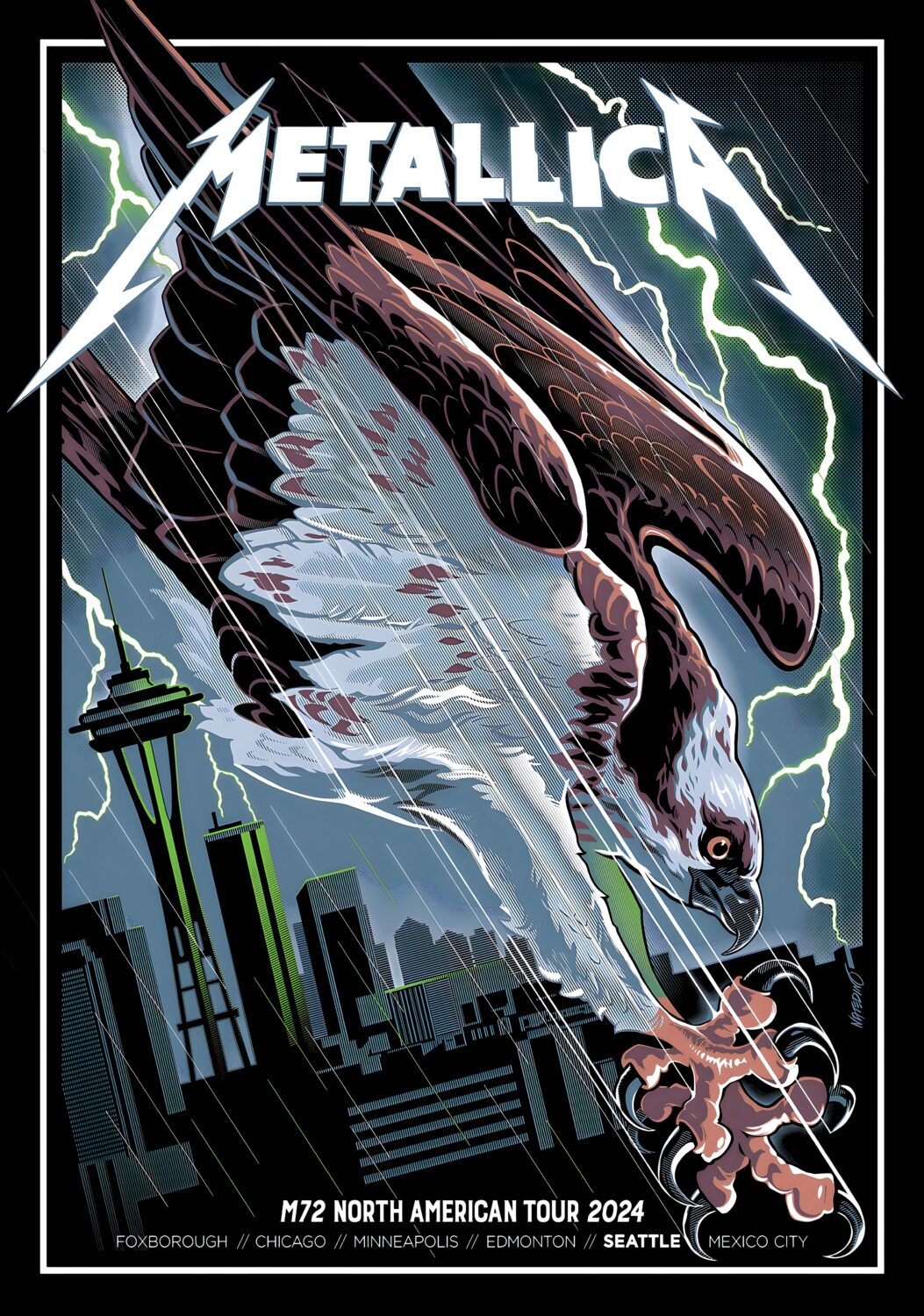
For those who missed the live experience, the M72 World Tour was extensively documented. In 2026, the official "Live Metallica" portal remains the best resource for high-quality soundboard recordings of every single night of the tour. Additionally, the tour's unique city-specific posters have become highly prized items on the secondary market; collectors should verify authenticity through official holograms and numbering before purchasing from third-party sellers.