Planning 7 days in Argentina requires a strategic balance between the sprawling urban energy of Buenos Aires and the immense natural wonders scattered across the country's vast geography. Because Argentina is the eighth-largest country in the world, trying to see everything in a single week is logistically impossible; therefore, a successful week-long trip demands a focused itinerary that prioritizes a single regional pairing alongside the capital city.
Understanding the Constraints of a One-Week Timeline
A 7-day trip to Argentina forces travelers to make hard choices about geography and travel pacing. Many international flights arrive at Ministro Pistarini International Airport (Ezeiza) in Buenos Aires early in the morning, meaning your first day begins with jet lag in a major metropolitan area.
The primary challenge of a short Argentine itinerary is domestic transit. Flying from Buenos Aires to popular regional hubs like Iguazu Falls, Mendoza, or El Calafate takes between two to four hours, and check-in procedures, security, and airport transfers consume a significant portion of a day. Consequently, a realistic 7-day plan generally splits time between Buenos Aires and one regional destination connected by direct flights. Attempting to visit Patagonia, the wine country, and the northern waterfalls all in one week will result in spending more time in transit than experiencing the culture.
Before booking, travelers must consider seasonal weather variations. Argentina spans the Southern Hemisphere, meaning seasons are inverted compared to North America and Europe. Summer (December to February) brings heat to Buenos Aires and optimal trekking conditions in Patagonia, while winter (June to August) brings snow to the southern mountains and mild, pleasant days in the northern provinces.
Regional Pairing Options for a 7-Day Trip
To maximize a week in Argentina, travelers should pair Buenos Aires with one distinct geographic zone. Below is a breakdown of the three most viable regional pairings for a 7-day schedule.
| Region Pairing | Best For | Travel Time from Buenos Aires | Ideal Season | Primary Highlights |
|---|---|---|---|---|
| Buenos Aires & Iguazu Falls | Nature, wildlife, waterfalls | 1 hour 45 minutes (Flight to IGR) | Year-round (best March–May) | Devil's Gorge, subtropical rainforest, tango shows |
| Buenos Aires & Mendoza | Wine, culinary arts, Andes views | 2 hours (Flight to MDZ) | Year-round (harvest in Feb–April) | High-altitude vineyards, wine tastings, mountain tours |
| Buenos Aires & Patagonia (El Calafate) | Glaciers, trekking, wilderness | 3 hours (Flight to FTE) | October to April | Perito Moreno Glacier, Los Glaciares National Park |
Option 1: Buenos Aires and Iguazu Falls (Culture and Subtropical Nature)
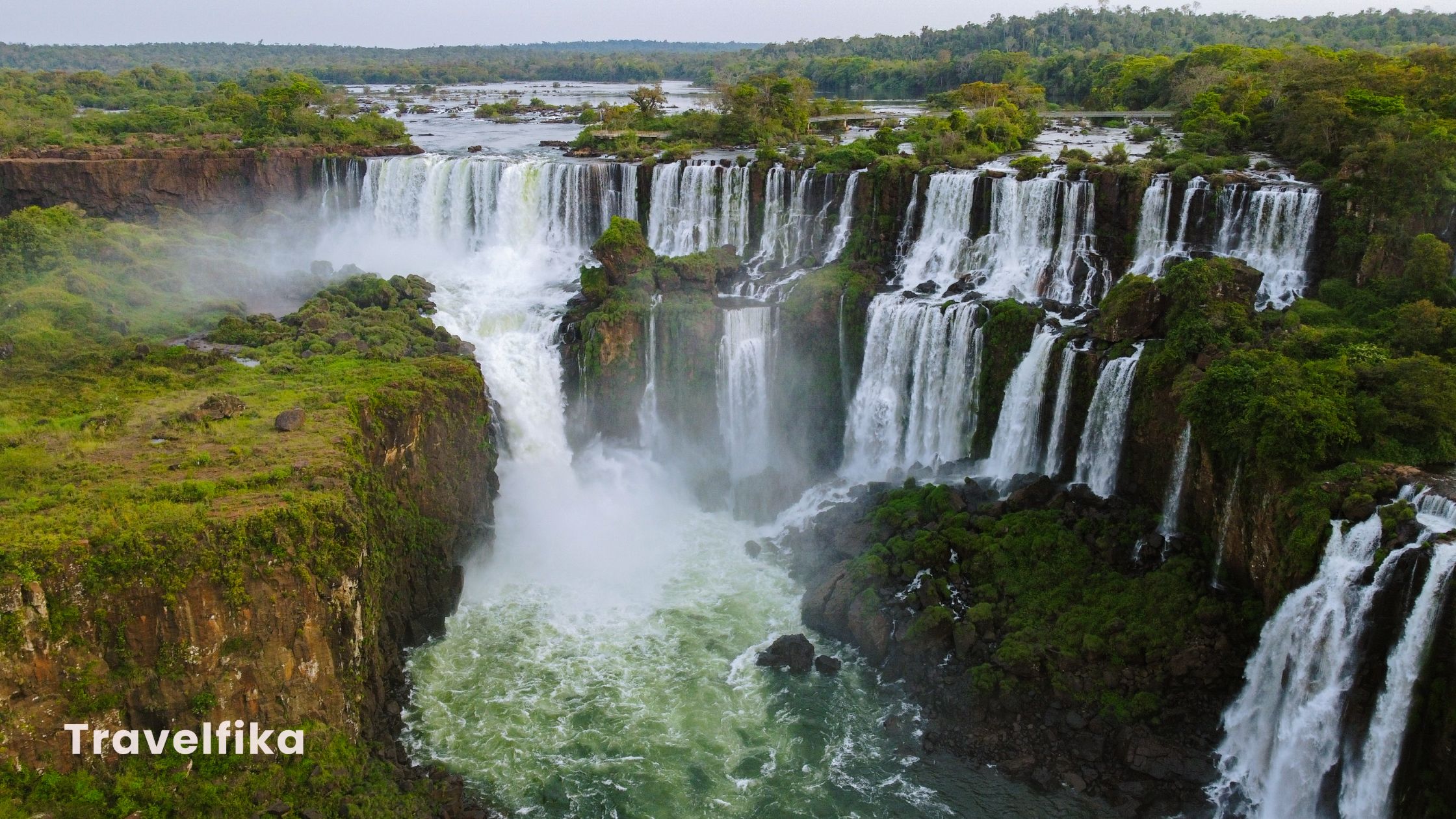
This pairing offers the lowest internal friction. Flights from Buenos Aires (Aeroparque Jorge Newbery) to Puerto Iguazu are short and frequent. You spend 3 days exploring the neighborhoods, cafes, and cultural heartbeat of Buenos Aires, and 4 days on the Argentine and Brazilian sides of Iguazu Falls. This option is ideal for travelers seeking a mix of cosmopolitan exploration and awe-inspiring natural power without enduring long-haul domestic connections.
Option 2: Buenos Aires and Mendoza (Urban Sophistication and Wine Country)
Mendoza sits at the foothills of the Andes and serves as the capital of Argentina's wine industry, particularly famous for Malbec. A 3-day stay in Buenos Aires followed by 4 days in Mendoza allows visitors to tour world-class vineyards, dine at vineyard restaurants, and explore the Andean foothills. Domestic flights are short, and the transition from city life to relaxed wine country is smooth.
Option 3: Buenos Aires and Patagonia (Urban and Glacial Wilderness)
For adventurous travelers, pairing Buenos Aires with El Calafate provides access to the Southern Patagonian Ice Field. While the flight to El Calafate is longer (roughly three hours), it unlocks the Perito Moreno Glacier. Because of the travel time, this option requires tight scheduling, dedicating 3 days to Buenos Aires and 4 days to Patagonia, but it rewards visitors with some of the most dramatic landscapes on earth.
Detailed 7-Day Itinerary: Buenos Aires and Iguazu Falls
To provide a concrete blueprint, the following section outlines a day-by-day itinerary combining Buenos Aires and Iguazu Falls, which offers the most reliable logistics for a 7-day timeframe.
Day 1: Arrival and Introduction to Buenos Aires
- Morning: Arrive at Ezeiza International Airport (EZE) or Jorge Newbery Airpark (AEP). Clear customs, take an authorized remise, taxi, or official ride-share app to your hotel in neighborhoods like Palermo, Recoleta, or San Telmo.
- Afternoon: Recover from jet lag with a slow walk through the tree-lined streets of Palermo Soho. Stop at a local cafe for a cortado (espresso with a splash of milk) and medialunas (sweet croissants).
- Evening: Enjoy a traditional Argentine dinner at a parrilla (steakhouse). Order a ribeye (bife de chorizo) paired with a glass of Mendoza Malbec.
Day 2: Historic Heart and Tango Culture
- Morning: Head to Plaza de Mayo, the political and historical center of Buenos Aires. View the Casa Rosada (Presidential Palace), the Metropolitan Cathedral, and the Cabildo. Walk down Avenida de Mayo toward the historic Palacio Barolo.
- Afternoon: Explore San Telmo, famous for its cobblestone streets, colonial architecture, and antique shops. If your visit falls on a Sunday, experience the bustling San Telmo Fair.
- Evening: Attend an authentic tango dinner show in San Telmo or the traditional venue El Querandí to witness professional dance and live orchestras.
Day 3: Architecture, Literature, and Flight to Puerto Iguazu
- Morning: Visit the Recoleta Cemetery to view the elaborate mausoleums, including the grave of Eva Perón (Evita). Afterward, walk to El Ateneo Grand Splendid, a majestic bookstore housed converted from a 19th-century theater.
- Afternoon: Transfer to Jorge Newbery Airpark (AEP) for your domestic flight to Puerto Iguazu (Iguazu Falls). Upon arrival, check into your jungle lodge or hotel.
- Evening: Dine on local river fish, such as surubí or dorado, at a restaurant in downtown Puerto Iguazu.
Day 4: Exploring the Argentine Side of the Falls
- Morning: Enter Iguazu National Park early to beat the crowds. Take the Lower Circuit trail for close-up views of smaller cascades and jungle flora, and the Upper Circuit for panoramic views from above the falls.
- Afternoon: Board the ecological train to the Devil's Throat (Garganta del Devil) station. Walk along the extended metal catwalks out over the roaring abyss where the Iguazu River plunges downward.
- Evening: Return to your hotel to relax, or join a nocturnal moonlit tour if scheduled during a full moon cycle.
Day 5: The Brazilian Side and Return to Buenos Aires
- Morning: Cross the international border into Brazil (verify visa and passport requirements beforehand) to visit the Brazilian side of Iguazu National Park. This side offers the definitive panoramic vista of the entire waterfall system.
- Afternoon: Visit the Parque das Aves (Bird Park) located just outside the national park entrance to see rescued toucans, macaws, and flamingos. Return to the Argentine side and transfer to Cataratas del Iguazu International Airport (IGR).
- Evening: Fly back to Buenos Aires, check into your hotel, and enjoy a late-night supper.
Day 6: Modern Art and Neighborhood Exploration
- Morning: Explore Puerto Madero, the revitalized docklands featuring modern high-rises and the iconic Puente de la Mujer bridge. Visit the Malba (Latin American Art Museum of Buenos Aires) to view works by Frida Kahlo, Diego Rivera, and other regional masters.
- Afternoon: Stroll through the Bosques de Palermo, visit the Rosedal (rose garden), or rent a bicycle to tour the sprawling urban parks.
- Evening: Experience a modern Argentine dining tasting menu in Palermo Hollywood, reflecting the country's rising status as a global culinary capital.
Day 7: Souvenir Shopping and Departure
- Morning: Spend your final morning purchasing local products such as leather goods, alpaca wool items, leather shoes, or Argentine leather belts. Pick up jars of dulce de leche and vacuum-sealed Malbec wines from a local specialty shop (ensure compliance with agricultural import laws of your home country).
- Afternoon: Complete hotel check-out, arrange private transport to the airport, and board your international flight home.
Essential Logistics, Money Matters, and Safety
Traveling in Argentina requires an understanding of local economic conditions, currency dynamics, and practical travel requirements.
Currency and Payment Methods
Argentina's economic landscape has historically involved complex currency fluctuations and inflation rates. Historically, tourists relied heavily on the "blue dollar" (informal exchange rate), but recent regulatory updates have made paying with international credit and debit cards much more favorable. When you use a foreign Visa or Mastercard, the transaction is processed through electronic payment systems that automatically apply the MEF (Mercado Electrónico de Pagos) rate, which closely mirrors the informal market rate. However, keeping some Argentine Pesos in cash is still essential for small vendors, taxis in remote areas, and rural tips. Always notify your bank of international travel before departure.
Transportation Logistics
- Taxis and Ride-Sharing: In Buenos Aires, ride-sharing applications like Uber and Cabify operate legally and offer reliable, transparent pricing compared to street hail taxis, which can occasionally involve scams targeting tourists.
- Domestic Flights: Aerolíneas Argentinas is the primary national carrier, supplemented by low-cost airlines like Flybondi and JetSMART. When booking domestic flights, ensure your luggage allowances match your ticket tier, as low-cost carriers enforce strict weight limits.
Health, Safety, and Documentation
- Entry Requirements: Check current visa requirements for your nationality well in advance. Many passport holders (including US, EU, UK, and Canadian citizens) do not require a tourist visa for stays under 90 days, but valid passports with at least six months of remaining validity are strictly enforced.
- Health Precautions: Tap water in major cities like Buenos Aires is potable, but bottled water is recommended when traveling to remote northern regions like Iguazu. If visiting Iguazu Falls, insect repellent is mandatory to protect against mosquitoes.
- Urban Safety: Petty theft, such as phone snatching and pickpocketing, is common in crowded tourist zones like San Telmo, La Boca, and public transit systems. Keep valuables secure, avoid displaying expensive electronics or jewelry, and remain vigilant in crowded areas.
Frequently Asked Questions
Do I need to speak Spanish to travel in Argentina?
While knowing basic Spanish phrases enhances your travel experience, you can navigate Buenos Aires and major tourist hubs using English. Hotel staff, tour operators, and restaurant workers in tourist-heavy zones typically speak English. However, learning essential phrases—such as greetings, numbers, and dietary terms—is courteous and helpful when interacting with local artisans or taxi drivers.
Is Argentina safe for solo travelers?
Yes, Argentina is generally considered one of the safer countries in South America for solo travelers, including solo female travelers. Standard urban precautions apply: avoid walking alone at night in unlit or unfamiliar neighborhoods, use official transportation options rather than hailing unmarked cabs, and keep an eye on your belongings in cafes and restaurants.
How much spending money should I budget for 7 days?
Budget requirements vary depending on travel style, but a mid-range traveler can expect to spend anywhere from $100 to $250 USD per day. This covers comfortable boutique hotel accommodation, sit-down dinners at quality steakhouses, guided excursions, domestic internal flights, and local transportation. Dining out in Argentina offers exceptional value compared to North America and Western Europe, particularly when enjoying local beef and wine.
Can I visit Ushuaia (End of the World) in a 7-day trip?
Visiting Ushuaia on a 7-day trip is strongly discouraged. Ushuaia sits at the southern tip of Tierra del Fuego, requiring a 4-hour flight each way from Buenos Aires, followed by airport transit and acclimatization. Spending two full days just traveling to and from Ushuaia leaves only five days to experience the region, which is insufficient to appreciate its remote fjords, national parks, and maritime history. Save Ushuaia for a dedicated Patagonia itinerary of 10 to 14 days.
What are the best months to visit Argentina?
The ideal months to visit depend on your chosen region. Spring (October to November) and autumn (March to May) offer mild, pleasant weather across Buenos Aires and Mendoza, avoiding the intense summer heat of January and February. If your itinerary includes Patagonia, the summer months (December to February) provide the longest daylight hours and accessible trekking trails, though winds can be strong.
Final Recommendations for Your Trip
A successful week in Argentina hinges on realistic expectations and disciplined planning. Secure your domestic flights and boutique hotel accommodations months in advance, particularly if traveling during shoulder or peak seasons. Maintain flexibility in your schedule to allow for spontaneous cafe visits, leisurely dinners that stretch late into the evening, and authentic cultural encounters. By focusing on Buenos Aires paired with one major natural wonder, you will experience the diverse soul of South America's most dynamic nation without burning out on transit.