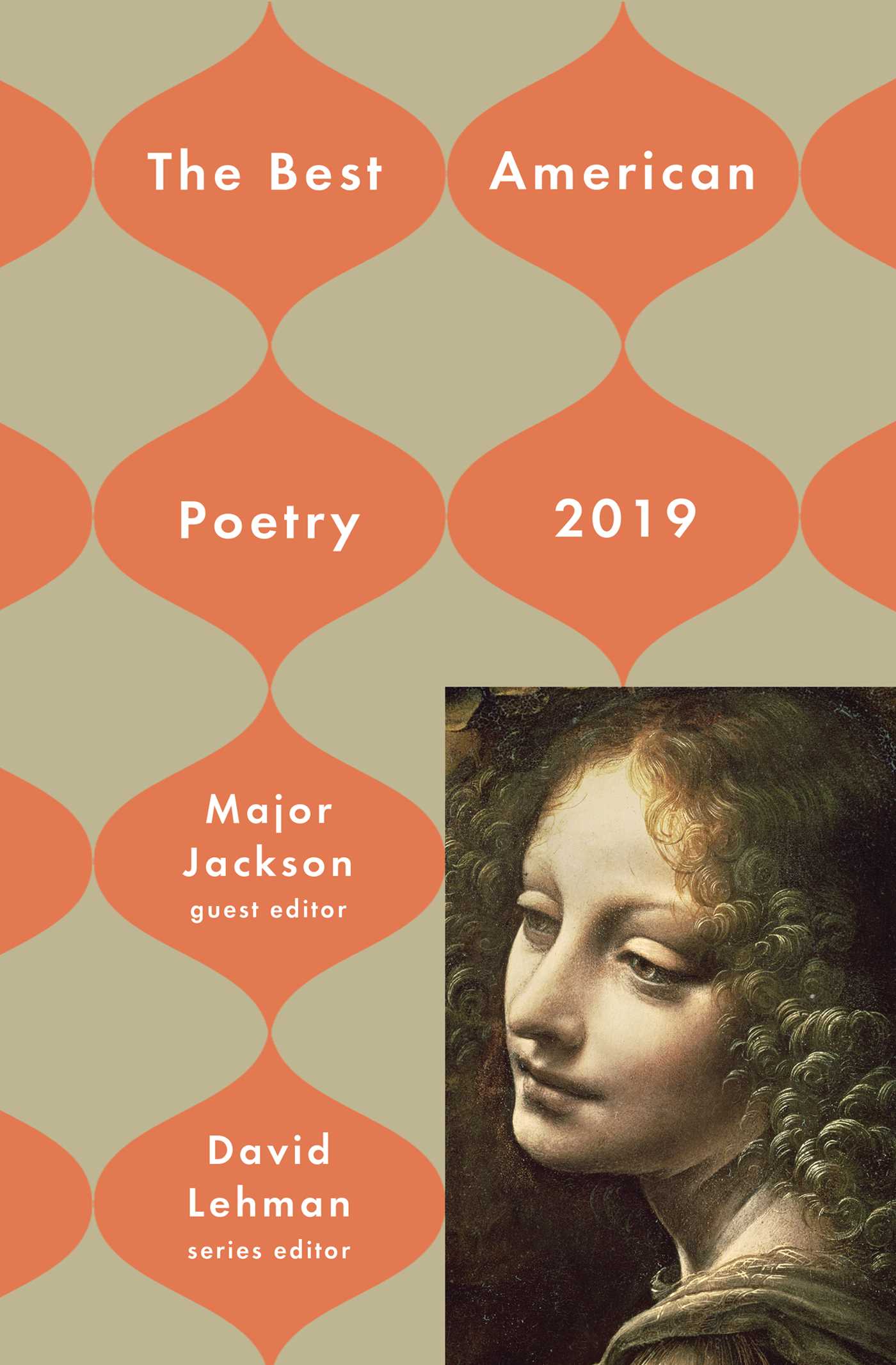
Discovering the best American poems to read now involves exploring works that capture the complexities of identity, landscape, history, and modern life. This curated selection highlights foundational and contemporary masterworks that resonate deeply with contemporary readers, offering profound emotional and intellectual engagement through exceptional lyrical craftsmanship.
American poetry possesses a rich, evolving heritage that stretches from the transcendental musings of the 19th century to the polyphonic, experimental voices of the 21st century. Engaging with these texts requires more than a passive glance; it demands an active willingness to sit with ambiguity, rhythm, and imagery. Whether you are returning to familiar verses or encountering these poets for the first time, exploring this literary landscape provides a window into the cultural shifts, existential questions, and linguistic innovations that define the American literary tradition.
Understanding the Scope of Modern American Poetry
To appreciate the best American poems to read now, one must first recognize the sheer diversity of the American poetic canon. Unlike traditions tied to a single national language or a uniform cultural history, American poetry is characterized by its multiplicity. It draws on indigenous oral traditions, European formal structures, African American vernacular, immigrant experiences, and regional landscapes ranging from the industrial Northeast to the rural South and the expansive West.
When selecting poems for contemporary reading, critics and educators look for works that bridge historical significance with immediate, visceral resonance. A great poem written a century ago can feel startlingly modern if its treatment of human isolation, political tension, or ecological wonder mirrors our current psychological climate. Conversely, contemporary works often incorporate digital-age anxieties, globalized perspectives, and fractured narratives that reflect the pace of the 2020s.
The 7 Best American Poems to Read Now
1. "Song of Myself" by Walt Whitman
- Key Theme: The celebration of the individual, democratic interconnectedness, and the natural world.
- Why Read It Now: In an era marked by digital isolation and social polarization, Whitman’s expansive, inclusive vision offers a radical reminder of collective humanity. His lines dissolve the boundary between the self and the other, asserting that every atom belonging to him as good belongs to you.
Walt Whitman’s monumental poem, originally published in the 1855 edition of Leaves of Grass, fundamentally reshaped American letters by abandoning rigid metrical constraints in favor of an expansive, Biblical free verse. Whitman catalogs the vastness of the American landscape and its people, embracing laborers, intellectuals, outcasts, and elites alike. Reading "Song of Myself" today provides an antidote to narrow tribalism, reminding readers of the democratic ideal that disparate lives can coexist within a unified, breathing whole.
2. "A Street in Bronzeville" (Collection Title Poem / "The Mother") by Gwendolyn Brooks
- Key Theme: Urban working-class life, racial injustice, and the private griefs of systemic realities.
- Why Read It Now: Brooks captures the nuance of Black urban life on the South Side of Chicago with unmatched precision, balancing social critique with deep emotional empathy.
Gwendolyn Brooks was the first African American author to win the Pulitzer Prize, achieving this milestone in 1950 with her collection Annie Allen. Her poetry translates the sights, sounds, and struggles of Chicago's Bronzeville neighborhood into indelible art. Shorter pieces like "The Mother" examine complex moral and emotional landscapes surrounding reproductive choices and loss with unflinching honesty. Brooks remains essential reading for anyone seeking to understand how poetic form can capture the cadence of urban speech while addressing monumental social truths.
3. "The Waste Land" by T.S. Eliot
- Key Theme: Cultural fragmentation, post-World War I disillusionment, and the search for spiritual renewal.
- Why Read It Now: Eliot’s collage of literary allusions, shifting speakers, and dystopian imagery mirrors the psychological fragmentation and informational overload characteristic of the modern digital landscape.
Though T.S. Eliot later relocated to England and became a British subject, his American roots and the modernist shockwaves he sent through transatlantic literature remain undeniable. "The Waste Land" (1922) is widely regarded as one of the most important poems of the 20th century. It challenges the reader to piece together meaning from a mosaic of cultural fragments, dead languages, and modern anxieties. Reading Eliot requires patience and annotation, rewarding the persistent reader with a profound meditation on rebuilding meaning from cultural ruin.
4. "One Art" by Elizabeth Bishop
- Key Theme: The inevitability of loss and the emotional mechanics of practicing acceptance.
- Why Read It Now: Bishop offers a masterclass in emotional control, using the strict constraints of the villanelle to process profound personal grief without descending into sentimentality.
Elizabeth Bishop is celebrated for her meticulous observation, descriptive precision, and deep emotional restraint. "One Art" takes the rigid form of the villanelle—with its demanding system of repeating lines and rhymes—and applies it to the universal theme of losing keys, time, places, and ultimately, loved ones. The poem moves masterfully from trivial losses to catastrophic ones, famously insisting that "the art of losing isn't hard to master." For readers navigating personal or collective transitions, Bishop’s poem provides both solace and formal brilliance.
5. "Autobiographia Literaria" by Frank O’Hara
- Key Theme: The beauty of the everyday, urban spontaneity, and artistic community.
- Why Read It Now: O’Hara’s "Personism" movement and his casual, conversational tone remind readers that poetry does not require grand historical events to be profound; it can happen while walking down a New York City street during lunch.
As a curator at the Museum of Modern Art and a central figure in the New York School of poets, Frank O’Hara wrote poetry that felt like a phone call between friends. "Autobiographia Literaria" traces his artistic evolution from a lonely, imaginative child to an adult immersed in the vibrant, chaotic cultural life of Manhattan. O'Hara's work strips away the academic pretense that often alienates casual readers from poetry, proving that humor, pop culture, and daily observations are entirely worthy of serious literary art.
6. "The Wild Iris" by Louise Glück
- Key Theme: Mortality, grief, divine judgment, and botanical rebirth.
- Why Read It Now: Written by Nobel laureate Louise Glück, this collection-length poem cycle explores the relationship between human suffering and the indifferent, cyclic persistence of the natural world.
Louise Glück’s poetry is characterized by a stark, deceptive simplicity that masks profound emotional and metaphysical depth. In The Wild Iris, the voices are divided among earthly flowers speaking to a gardener/creator, and the gardener responding from a place of human limitation and grief. The poems confront death, spiritual isolation, and survival with clinical yet deeply moving clarity. Reading Glück invites a contemplative pause, encouraging reflection on our place within the natural ecosystems that outlast us.
7. "The Hill We Climb" by Amanda Gorman
- Key Theme: National unity, civic resilience, and the ongoing project of democracy.
- Why Read It Now: Gorman’s performance at the 2021 presidential inauguration brought contemporary American poetry to an unprecedented global audience, demonstrating the enduring power of spoken-word cadence and classical rhetorical devices.
Amanda Gorman’s "The Hill We Climb" stands as a contemporary touchstone for public poetry. Drawing on the rich tradition of activist and celebratory verse, Gorman addresses historical fractures while projecting an urgent, hopeful path forward. The poem utilizes assonance, alliteration, and biblical echoes to construct a forward-looking vision of America that acknowledges its flaws while striving toward its ideals. It is a vital read for anyone interested in how poetry functions as a public civic art form today.
Comparison of Featured Poets and Styles
To help contextualize these selections, the following table outlines their historical periods, primary poetic forms, and core thematic concerns.
| Poet | Era / Movement | Primary Form | Core Theme |
|---|---|---|---|
| Walt Whitman | 19th Century / Transcendentalism | Free Verse | Democracy, selfhood, nature |
| Gwendolyn Brooks | Mid-20th Century / Realism | Ballad, Sonnet, Free Verse | Urban life, racial equity, community |
| T.S. Eliot | Modernism | Fragmented Long Poem | Cultural disillusionment, renewal |
| Elizabeth Bishop | Mid-20th Century / Confessional-Adjacent | Villanelle, Formal Verse | Loss, observation, travel |
| Frank O’Hara | New York School | Conversational Free Verse | Urban spontaneity, daily life |
| Louise Glück | Contemporary / Lyric | Free Verse, Sequence | Mortality, nature, inner psychology |
| Amanda Gorman | Contemporary / Spoken Word | Rhythmic Public Verse | Civic unity, resilience, hope |
How to Read and Appreciate American Poetry
Approaching poetry requires a shift in reading habits. Unlike prose, which prioritizes narrative momentum and information transfer, poetry operates through compression, sound, and visual arrangement on the page.
- Read Aloud: Poetry is an auditory art form. Hearing the cadence, pauses, and rhyme schemes reveals patterns that silent reading often misses.
- Slow Down: Do not rush to "solve" a poem as if it were a puzzle. Allow the images and emotional tones to register before analyzing their symbolic weight.
- Pay Attention to Line Breaks: Notice where a poet chooses to end a line. Enjambment—the continuation of a sentence without a pause beyond the end of a line—creates tension and alters pacing.
- Research the Context: While great poems stand on their own, understanding the historical, biographical, or cultural backdrop can illuminate hidden layers of meaning.
Frequently Asked Questions
What makes a poem distinctly "American"?
American poetry is defined less by a specific geographic or formal constraint and more by its historical dialogue with themes of migration, democratic experimentation, vast landscapes, and the collision of diverse cultural traditions. From Whitman’s embrace of the frontier to contemporary urban lyrics, American poetry continually reinvents language to match the shifting realities of its population.
Do I need a literary background to enjoy these poems?
No academic background is required. Many of the most enduring American poems, such as those by Frank O’Hara or Walt Whitman, prioritize emotional clarity, sensory detail, and conversational immediacy over obscure intellectual references. Starting with accessible works builds the confidence needed to appreciate more complex modernist texts.
Why are free verse and formal verse both important?
Formal verse (such as Elizabeth Bishop’s villanelles) uses rhyme and meter to create musical constraint and emotional tension, whereas free verse (pioneered by Walt Whitman) mimics natural speech patterns and psychological flow. Both are vital tools in the American tradition, offering different ways to capture human experience.
Where can I find more contemporary American poetry?
Readers can explore literary magazines such as The Poetry Foundation, Poetry Magazine, The Paris Review, and various university press anthologies. Public libraries and online archives also offer extensive collections of both historical texts and emerging voices.
Next Actions for Readers
To begin your journey with these masterworks, select one poem from the list above that matches your current mood—such as Whitman for expansive reflection or Bishop for navigating personal loss. Read it aloud three times consecutively, noting which specific lines or images linger in your mind. From there, explore the broader collections from which these pieces were drawn to deepen your appreciation of American verse.