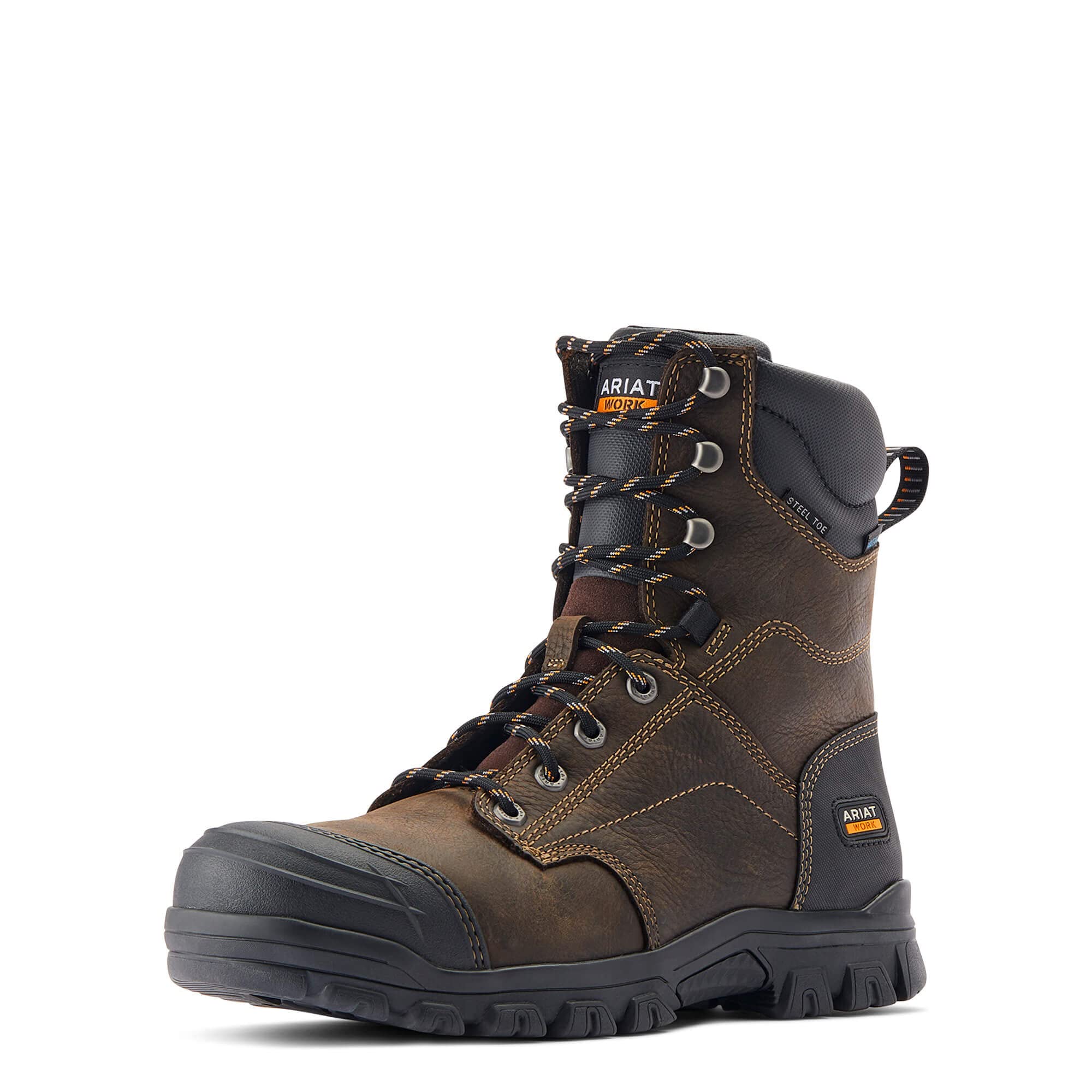
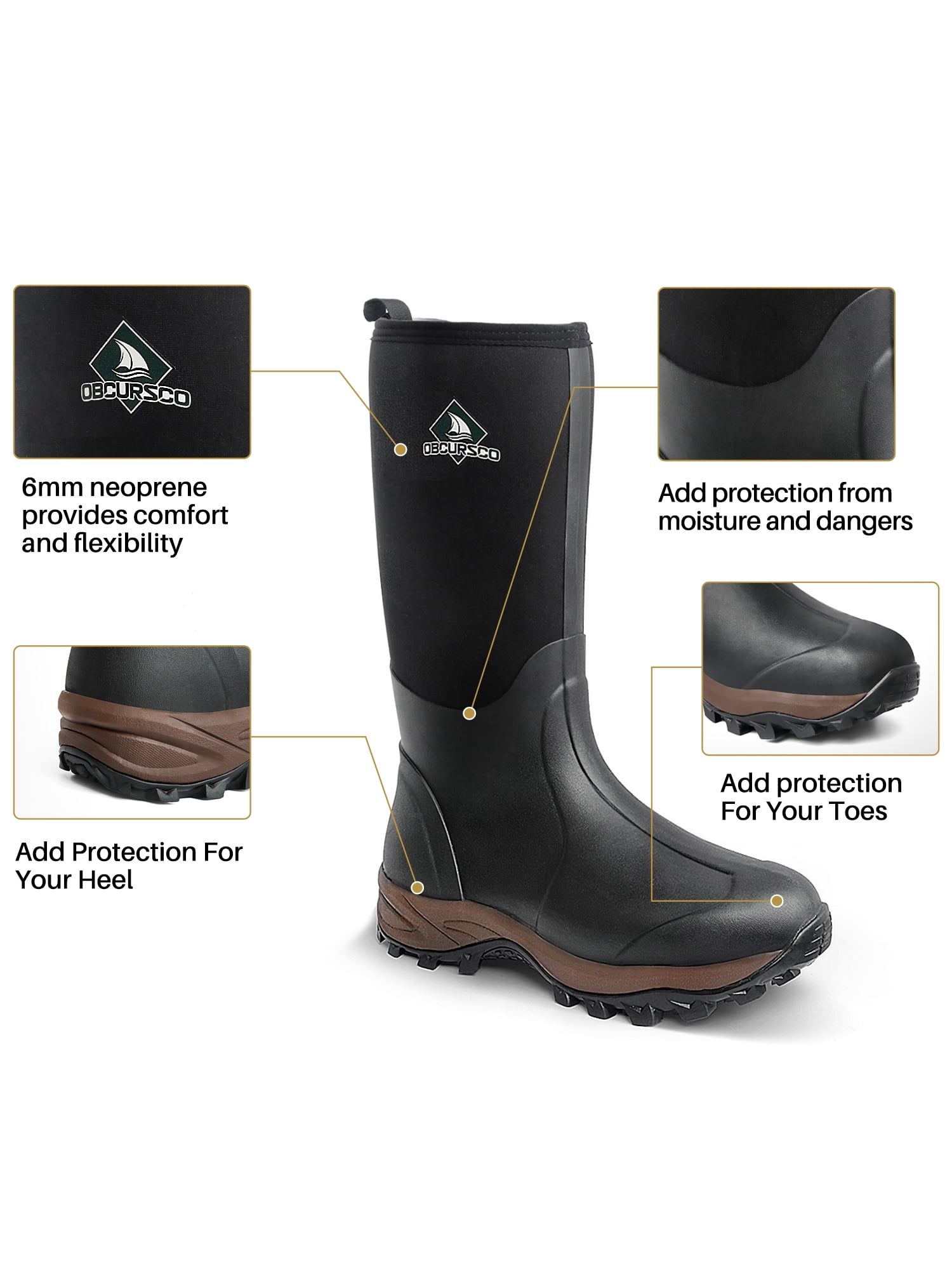
Rubber steel toe boots provide an essential blend of chemical resistance, waterproofing, and impact protection for workers in agriculture, construction, industrial manufacturing, and utilities. Choosing the right pair requires balancing outsole traction, shank rigidity, comfort, and safety certifications. This comparison evaluates five leading models to help you select the ideal waterproof safety footwear for your specific working environment.
Selecting the appropriate protective footwear requires a thorough understanding of how different materials handle environmental stressors. While traditional leather work boots excel in dry environments, they often degrade rapidly when exposed to constant moisture, liquid chemicals, or heavy mud. Rubber steel toe boots solve this problem by combining a seamless, vulcanized or injection-molded waterproof shell with a certified protective steel toe cap.
Whether you navigate slick dairy parlors, hazardous construction sites, or chemical processing plants, understanding the nuances of outsole tread patterns, shank support, and insulation ratings ensures you make an informed investment. Below, five standout models are examined to determine how they stack up in terms of safety compliance, all-day wearability, and long-term durability.
Understanding Rubber Steel Toe Boot Anatomy
Before comparing specific models, it is helpful to understand the structural components that define a high-performance rubber steel toe boot. Unlike casual footwear, these specialized boots must satisfy rigorous occupational safety standards while maintaining structural integrity under harsh conditions.
The Protective Toe Cap
The primary safety feature is the steel toe cap, engineered to meet standards such as ASTM F2413 for impact and compression resistance. This cap protects the wearer’s metatarsal and phalanges from heavy falling objects or rolling machinery. In rubber boots, the steel cap is typically integrated beneath the rubber upper during manufacturing, ensuring that moisture cannot seep into the toe compartment.
Waterproof Construction and Materials
True rubber boots are constructed from natural rubber, neoprene, or high-grade PVC compounds. Natural rubber offers superior flexibility, cold-weather resilience, and tear resistance compared to cheap plastics. Neoprene is frequently utilized in the upper shafts of hybrid boots to provide stretch, thermal insulation, and reduced weight while maintaining a waterproof seal at the foot.
Outsoles and Slip Resistance
Slipping and tripping hazards represent a major workplace safety risk. Outsoles on industrial rubber boots feature specialized tread patterns—often self-cleaning lug designs—engineered to channel away mud, water, and debris. Manufacturers formulate rubber compounds with specific durometer (hardness) ratings to maximize friction on wet steel, concrete, and icy surfaces.
Detailed Model Comparisons
To provide a practical evaluation, five prominent rubber steel toe boots are analyzed below based on their intended use, structural features, and performance profiles.
1. LaCrosse Industrial Safety Alphaorty
LaCrosse is renowned for blending athletic-shoe comfort with heavy-duty rubber construction, and the Alphaorty line is a prime example of this engineering philosophy.
- Material Composition: Hand-laid rubber over a core of insulating neoprene.
- Safety Rating: ASTM F2413-18 M/I/75/C/75 EH (Electrical Hazard).
- Key Features: These boots utilize a lightweight, flexible neoprene upper combined with a heavy-duty rubber lower chassis. The moisture-wicking air mesh lining promotes airflow, significantly reducing internal humidity and sweat accumulation during long shifts. An adjustable gusset accommodates various calf sizes and tucking in heavy trousers.
- Performance Profile: Ideal for construction workers, agricultural laborers, and utility crews who require absolute waterproofing without the stiffness of traditional, all-rubber pac boots. The EVA midsole provides noticeable shock absorption, reducing fatigue during prolonged standing or walking on concrete.
2. Muck Boot Apex Pro or Chore Max Steel Toe
The Muck Boot brand has built a loyal following among outdoor and industrial workers due to its focus on comfort-driven neoprene technology.
- Material Composition: 5mm CR Flex-Foam neoprene with an extended rubber overlay.
- Safety Rating: ASTM F2413-18 Steel Toe and Electrical Hazard protection.
- Key Features: The CR Flex-Foam adjusts to the contours of the foot, preventing chafing and heel slip. A breathable mesh lining enhances breathability, while the Vibram outsole delivers exceptional traction across unpredictable terrain. The double-reinforcement at the instep, heel, and Achilles area adds structural longevity where wear is most common.
- Performance Profile: Highly recommended for farming, landscaping, and muddy construction sites. They offer a glove-like fit that separates them from boxy, traditional rubber boots, though individuals with extremely wide feet may need to verify sizing accommodations.
3. Servus Comfort Technology Soft Toe to Steel Toe Variants (XpressLites)
Servus manufactures heavy-duty footwear geared heavily toward industrial processing, meatpacking, and general sanitation applications.
- Material Composition: Triple-density PVC (Polyvinyl Chloride) with engineered polymer compounds.
- Safety Rating: ASTM F2413 M/I/75/C/75.
- Key Features: Servus boots often utilize injection-molded PVC rather than hand-laid rubber. This creates a completely seamless barrier against harsh chemicals, animal fats, oils, and fertilizers. The Foot Form contour cushion insoles are removable and washable, addressing hygiene concerns in wet or contaminated environments.
- Performance Profile: Best suited for food processing plants, chemical facilities, and wash-down operations. While PVC lacks the extreme cold-weather flexibility of natural rubber, its resistance to animal fats and industrial acids makes it superior for specific factory environments.
4. Bogs Industrial Workman Steel Toe
Bogs bridges the gap between extreme weather protection and ergonomic support, utilizing proprietary insulation technologies.
- Material Composition: 7.5mm Neo-Tech waterproof insulation with durable rubber overlay.
- Safety Rating: ASTM F2413 Steel Toe and EH rated.
- Key Features: Built with thicker insulation than many competitors, the Workman series features Bogs Max-Wick to evaporate sweat and DuraFresh biotechnology to combat unwanted odors. A rigid internal shank provides torsional stability, preventing the foot from twisting when carrying heavy loads across uneven ground.
- Performance Profile: Exceptional choice for cold-weather utility work, oil fields, and northern agricultural settings where thermal retention is just as vital as waterproofing and impact protection.
5. Dunlop Protective Footwear SteelPro (formerly Onguard)
Dunlop is a global leader in protective footwear, known for durable injection-molded boots designed for heavy industry.
- Material Composition: Purofort or high-grade polyurethane/PVC blends.
- Safety Rating: ASTM F2413-18 compliant for impact, compression, and electrical hazard.
- Key Features: Dunlop’s advanced material engineering creates micro-air bubbles within the boot structure, delivering thermal insulation and a lighter weight profile than solid rubber. The tread design is optimized for slip resistance on grease-slick and wet industrial flooring.
- Performance Profile: Highly favored in heavy industrial manufacturing, commercial fishing, and construction management where workers demand rigorous safety compliance, chemical resistance, and puncture protection.
Comparative Specification Matrix
The following table outlines the key technical differences and primary use cases for the evaluated rubber steel toe boots.
| Brand and Model | Primary Material | Safety Standards Met | Best Suited For | Notable Advantage |
|---|---|---|---|---|
| LaCrosse Alphaorty | Neoprene & Rubber | ASTM F2413-18, EH | Construction & Agriculture | Athletic fit with moisture-wicking mesh |
| Muck Boot Chore Max | CR Flex-Foam & Rubber | ASTM F2413-18, EH | Farming & Landscaping | Superior ankle comfort and contour fit |
| Servus XpressLites | Triple-Density PVC | ASTM F2413-18 | Food Processing & Sanitation | Exceptional chemical and fat resistance |
| Bogs Workman | 7.5mm Neo-Tech / Rubber | ASTM F2413-18, EH | Cold Weather & Utility Work | High insulation rating with odor control |
| Dunlop SteelPro | Polyurethane/PVC Blend | ASTM F2413-18, EH | Heavy Industry & Fishing | Lightweight thermal cellular structure |
Critical Factors to Consider When Buying
Selecting the best rubber steel toe boot involves evaluating several operational and ergonomic variables specific to your workplace.
1. Chemical and Oil Resistance
Not all waterproof boots react the same way to chemical exposure. Natural rubber handles certain acids and agricultural waste well, but can degrade when continuously exposed to petroleum, diesel, or heavy machine oils. Conversely, PVC and polyurethane compounds excel against petroleum hydrocarbons and animal fats but may stiffen or crack under extreme cold flexing. Always cross-reference the boot material with the Safety Data Sheets (SDS) of the chemicals handled on your job site.
2. Insulation vs. Breathability
Working environments dictate thermal requirements. Insulated boots featuring neoprene or thick foam linings keep feet warm during winter outdoor work, but they can cause excessive sweating in summer or indoor environments. Unlined PVC or thin rubber boots prevent overheating in warm weather but require heavy thermal socks during freezing conditions to prevent cold stress injuries.
3. Shank Support and Fatigue
A boot shank is a reinforcing plate embedded between the insole and outsole. Steel or composite shanks provide arch support and protect the foot from sharp objects puncturing upward through the sole. Without a rigid shank, walking on ruts, rocks, or ladder rungs places excessive strain on the plantar fascia, leading to foot fatigue and lower back pain by the end of a shift.
Maintenance and Longevity Best Practices
Rubber and synthetic waterproof boots require proper maintenance to maximize their operational lifespan. Unlike leather boots that benefit from conditioning oils, rubber boots require different care protocols.
- Rinse After Exposure: Wash away concrete slurry, fertilizers, manure, and chemicals immediately after use. Residues dry out rubber compounds, causing premature cracking.
- Avoid Direct Heat Sources: Never place rubber boots directly against heaters, wood stoves, or leave them baking in direct summer sunlight to dry. Rapid, uneven drying causes the rubber to warp, separate at the seams, and lose elasticity.
- Storage Conditions: Store boots in a cool, dark, well-ventilated area. Use boot jacks for removal rather than pulling one boot off with the opposite heel, which strains the heel counter and delaminates the outsole.
Frequently Asked Questions
Are rubber steel toe boots comfortable for walking long distances?
Modern rubber boots—particularly hybrid designs featuring neoprene uppers and cushioned EVA midsoles—offer high levels of comfort compared to vintage, stiff all-rubber boots. However, because rubber lacks the flexible break-in characteristics of leather, choosing the correct size and utilizing supportive insoles remains crucial for long-distance walking.
Do steel toes in rubber boots make feet colder in winter?
Yes, steel is a thermal conductor and can draw heat away from the toes in freezing conditions. To mitigate this, look for boots with composite toe caps if metal detectors are not an issue, or choose rubber boots with thick insulation (such as neoprene or specialized thermal linings) and wear moisture-wicking wool socks.
How do I know if my rubber boots meet workplace safety requirements?
Check the interior label or manufacturer specifications for explicit ASTM F2413 compliance markings. The label should indicate ratings for impact (I/75) and compression (C/75), as well as electrical hazard (EH) protection if required by your employer.
Can rubber boots be resoled when the tread wears out?
Generally, injection-molded PVC and vulcanized rubber boots cannot be resoled. The outsole is chemically or thermally bonded directly to the upper as a single unit. Once the tread wears flat or the upper develops a puncture, the boots must be replaced to maintain safety compliance and waterproofing.
What is the difference between natural rubber and neoprene hybrids?
Natural rubber provides an impenetrable, highly durable waterproof shell that resists abrasions and tearing. Neoprene hybrids utilize a stretchable, insulating fabric upper paired with a rubber footbed. Hybrids are significantly lighter and easier to slip on and off, while all-rubber models offer maximum puncture resistance higher up the leg.
Conclusion and Final Recommendation
Investing in the correct pair of rubber steel toe boots safeguards your feet against workplace hazards, moisture, and fatigue. If your primary environment involves cold-weather outdoor labor or construction where ankle flexibility matters, hybrid models like the LaCrosse Alphaorty or Muck Boot Chore Max provide superior ergonomics. For wet industrial facilities, meatpacking plants, or environments rife with oils and caustic cleaning agents, injection-molded options like the Servus XpressLites or Dunlop SteelPro deliver the necessary chemical defense and sanitation ease. Assess your site's specific chemical exposure, climate conditions, and safety mandates to select the footwear that balances protection with daily wearability.