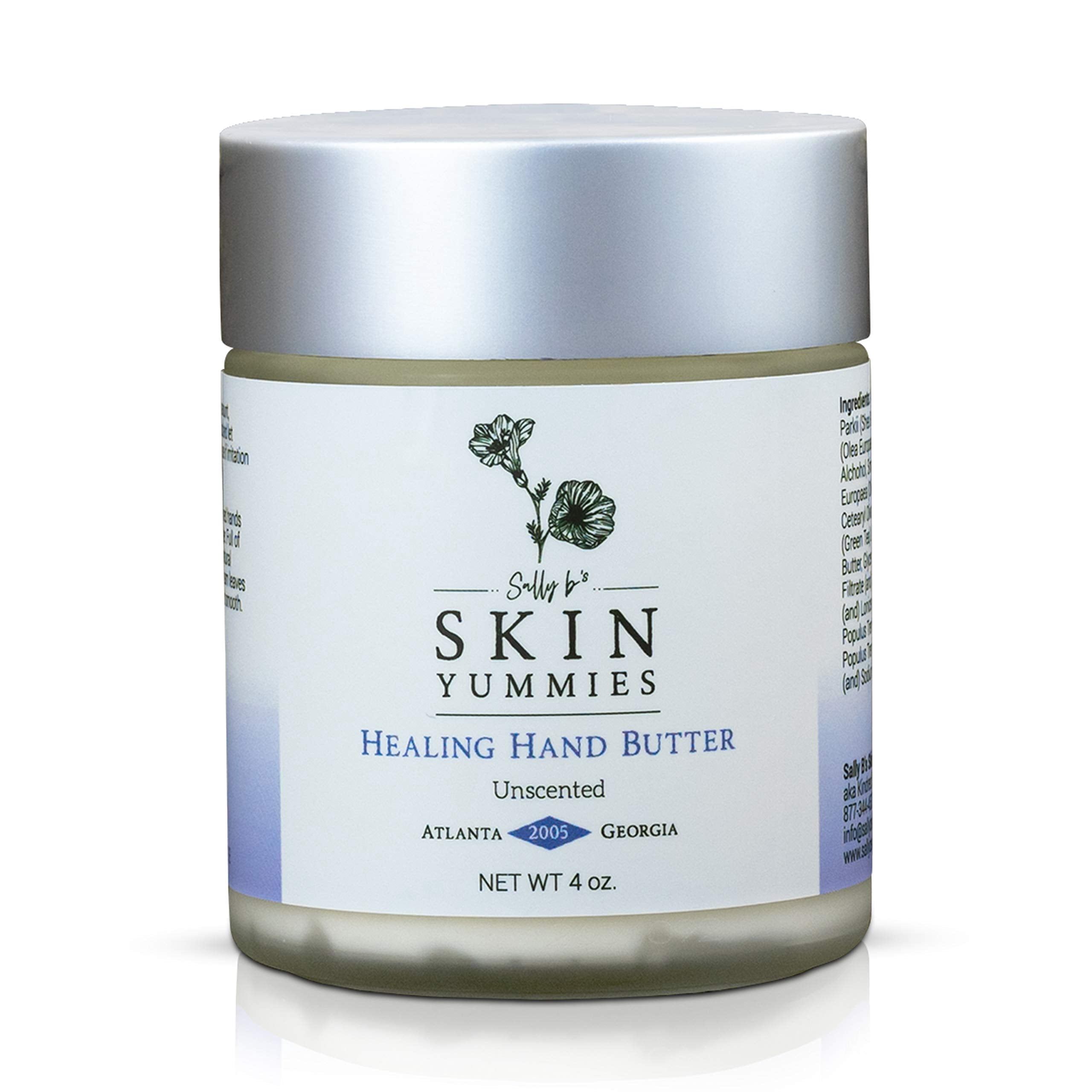
For individuals suffering from chronically cracked, parched, or irritated hands, relief requires more than basic hydration; it demands high-potency formulations that create a protective barrier while promoting dermal recovery. By utilizing ingredients like ceramides, urea, and occlusives, these five intense creams offer therapeutic-grade support to restore skin integrity, improve texture, and prevent further moisture loss in 2026.
Understanding the Mechanics of Severely Dry Skin
Severe hand dryness, often clinically referred to as xerosis, occurs when the stratum corneum—the outermost layer of the skin—loses its ability to retain water. Factors such as frequent hand washing, exposure to harsh surfactants, cold weather, and underlying dermatological conditions can strip the skin of its natural lipid barrier. When this barrier is compromised, the skin experiences "transepidermal water loss" (TEWL), where moisture evaporates faster than the body can replenish it.
To address this, an intense hand cream must go beyond simple moisturizing. It must act as a multi-functional system that hydrates the skin, locks that moisture in with occlusives, and reinforces the skin barrier with lipids. In 2026, the focus in clinical dermatology remains on ingredients that mimic the skin’s natural composition to facilitate healing rather than merely providing superficial relief.
1. O'Keeffe's Working Hands Hand Cream
O'Keeffe's is widely recognized for its high concentration of glycerin and its non-greasy, fast-absorbing finish. It is formulated specifically for hands that are regularly exposed to environmental stressors or mechanical friction. Its primary mechanism of action relies on a high concentration of glycerin, which draws moisture into the skin, combined with a protective layer that sits on the surface to shield the epidermis from further irritation. It is particularly suited for individuals who perform manual labor and require a product that does not leave a slippery residue on tools or surfaces.
2. CeraVe Therapeutic Hand Cream
CeraVe’s formulation centers on the inclusion of three essential ceramides (1, 3, and 6-II) and hyaluronic acid. Ceramides are the lipids that naturally hold skin cells together; when these are depleted, skin becomes vulnerable and dry. By topically replenishing these lipids, CeraVe helps restore the skin’s natural protective barrier. This cream is fragrance-free and developed with dermatologists, making it a reliable choice for those with reactive or sensitive skin that cannot tolerate common allergens found in scented lotions.
3. La Roche-Posay Cicaplast Hands
This cream stands out for its use of niacinamide and shea butter. Niacinamide (vitamin B3) is known for its anti-inflammatory properties, which can help soothe the redness and irritation often associated with cracked, dry skin. The formula creates a "glove-like" effect, offering a durable shield that remains effective even after multiple washings. It is highly recommended for people whose professional responsibilities require frequent hand hygiene, such as healthcare workers, as it provides a lasting barrier against chemical irritants.
4. Eucerin Advanced Repair Hand Cream
Eucerin utilizes a sophisticated blend of Natural Moisturizing Factors (NMFs) and urea. Urea is a gold-standard keratolytic agent, meaning it gently exfoliates the dry, dead skin cells that create a rough, flaky surface, allowing the moisturizing ingredients to penetrate deeper. By pairing chemical exfoliation with deep hydration, Eucerin Advanced Repair is effective at smoothing calloused or extremely thick, dry patches on the knuckles and palms.
5. Neutrogena Norwegian Formula Hand Cream (Concentrated)
Based on a glycerin-rich formula originally developed for arctic fishermen, this concentrated treatment is effective due to its high viscosity and purity. Because it is highly concentrated, a small, pea-sized amount is sufficient to cover both hands. It acts as an intensive moisture surge, providing immediate relief for skin that feels tight or prone to splitting. Its resilience makes it an ideal overnight treatment; many users apply it before bed under cotton gloves to maximize absorption and prevent the product from rubbing off on bedding.
Comparative Overview of Hand Creams
| Product | Primary Strength | Ideal For | Key Active Ingredients |
|---|---|---|---|
| O'Keeffe's | Non-greasy finish | Manual labor/Daily use | Glycerin, Allantoin |
| CeraVe | Barrier restoration | Sensitive/Eczema-prone | Ceramides, Hyaluronic Acid |
| La Roche-Posay | Anti-inflammatory | Frequent hand-washers | Niacinamide, Shea Butter |
| Eucerin | Exfoliation | Rough/Scaly texture | Urea, NMFs |
| Neutrogena | High concentration | Extreme cracking/Night use | Concentrated Glycerin |
Prerequisites for Optimal Skin Healing
Applying even the most expensive hand cream will yield limited results if the underlying causes of dryness are not managed. Before applying these treatments, consider these prerequisites for skin health:
- Hygiene Modification: Avoid hot water, which strips natural oils. Opt for lukewarm water and soap-free cleansers that do not disturb the skin's pH balance.
- Drying Technique: After washing, pat the hands dry gently with a clean towel rather than rubbing, which can cause micro-abrasions on compromised skin.
- Application Timing: The best time to apply hand cream is while the skin is still slightly damp. This "traps" the existing surface water into the skin, significantly enhancing the efficacy of the occlusive agents in your cream.
- Consistency: Treating severe dryness is an ongoing process. Applying cream once per day is rarely sufficient; aim for application after every hand wash and immediately before sleep.
Common Mistakes in Treating Dry Hands
Many users fail to see improvement because they treat their hands as they do their faces. Hands are subjected to a higher frequency of physical friction and chemical exposure than any other part of the body. A common mistake is using products that contain high levels of fragrance or alcohol, which may smell pleasant but can significantly exacerbate inflammation in cracked skin.
Another error is inconsistent application. Barrier repair is a cumulative process. If the protective barrier is broken, it can take several days of diligent, multiple-times-a-day application to regain elasticity. If you notice no improvement after two weeks of consistent, high-intensity treatment, it is advisable to consult a dermatologist, as you may be experiencing contact dermatitis or a fungal infection that requires prescription-strength intervention.
Frequently Asked Questions
Why does my hand cream sting when I apply it? Stinging usually indicates that the skin barrier is significantly compromised, often due to micro-fissures or cracks. If you experience burning, look for creams that are fragrance-free and specifically labeled for "sensitive" or "eczema-prone" skin, as these contain fewer chemical irritants. If the pain persists, consult a healthcare provider to rule out infection.
Is it better to use a cream or a lotion? Creams are significantly better for severely dry skin than lotions. Lotions have a higher water content and lower oil content, making them thinner and less effective at providing a long-term barrier. Creams are thicker, contain more emollients, and provide the intense, lasting protection required to heal deep dryness.
Do I really need to wear gloves at night? While not mandatory, wearing breathable cotton gloves after applying a heavy layer of cream is the most effective way to treat severe dryness. This method, known as "occlusive therapy," prevents the cream from rubbing off on your sheets and forces the moisture to penetrate deeper into the dermis while you sleep.
How much hand cream should I use? For most concentrated formulas, a pea-sized amount is sufficient for both hands. The goal is to create a thin, protective film. Using too much product can lead to a greasy sensation without providing added benefit; using too little will fail to provide an adequate barrier.
Can I use these products on other parts of my body? Yes, most of these products are formulated to be safe for other dry areas like elbows, knees, or feet. However, check the packaging to ensure the product is non-comedogenic if you intend to use it on the face, as some heavy hand creams contain waxes or oils that can clog facial pores.
Professional Guidance and Next Actions
If you are currently struggling with severe hand dryness, start by selecting one of the products mentioned above based on your specific lifestyle—such as the non-greasy nature of O'Keeffe's for office workers or the barrier-strengthening ceramides of CeraVe for sensitive skin. Commit to a regimen of applying the product after every hand wash and immediately before bed for at least 14 days. If, after this period, your hands show no signs of healing, or if you notice signs of infection such as swelling, discharge, or extreme heat, seek professional medical advice. A board-certified dermatologist can determine if your condition requires a topical steroid or other prescription treatment to resolve underlying inflammation that over-the-counter options cannot address.