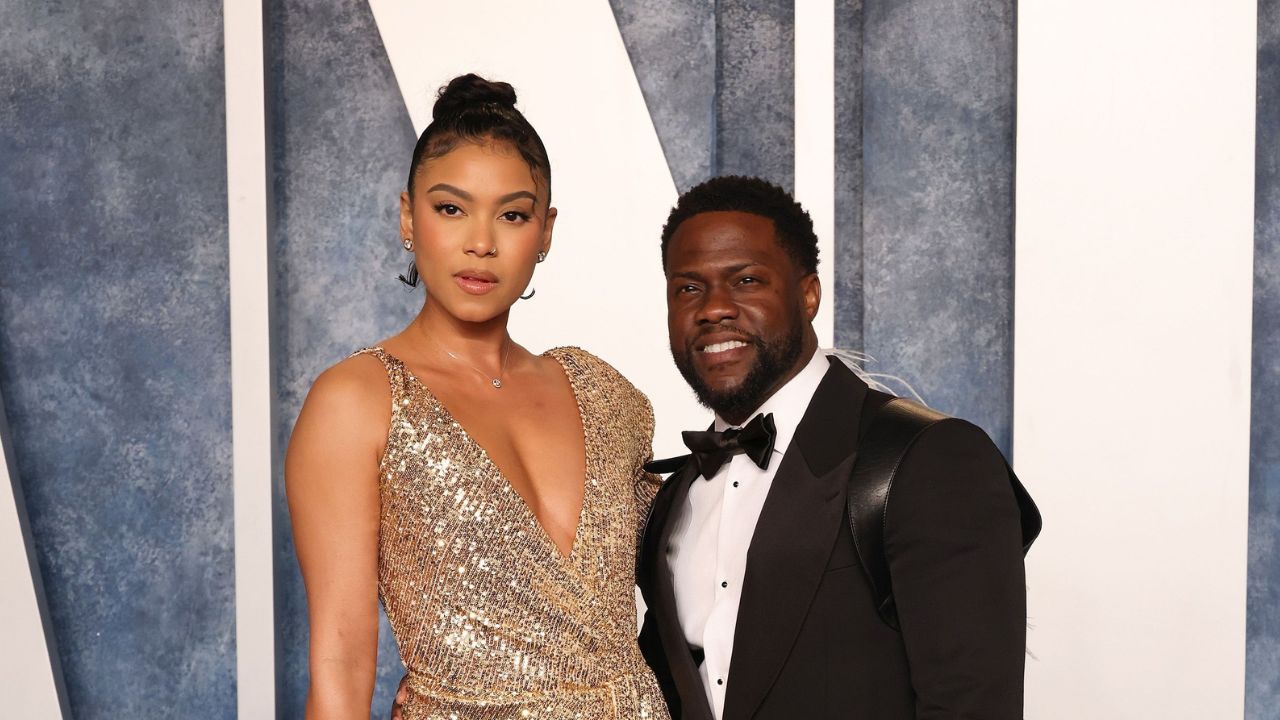
Kevin Hart’s estimated $450 million net worth reflects a strategic expansion from a premier stand-up comedian and box-office movie star into a multifaceted media mogul, producer, and venture capitalist. Over the last five years, his wealth has accelerated significantly due to global touring, a massive production company, lucrative equity stakes in consumer brands, and ownership of his own intellectual property.
Introduction: From Stand-Up Icon to Media Mogul
The trajectory of Kevin Hart’s financial standing over the past five years demonstrates how modern entertainers build generational wealth through business diversification. While his early career was defined by relentless touring, comedy specials, and starring roles in blockbuster franchises like Jumanji and Ride Along, his financial maturation since the early 2020s relies on equity, ownership, and multi-platform media distribution.
Valuations place Kevin Hart’s net worth at approximately $450 million. This milestone is not merely the result of Hollywood paychecks. It stems from a carefully constructed ecosystem of production houses, strategic brand partnerships, venture capital investments, and direct-to-consumer businesses. Understanding how this valuation was achieved requires examining the specific pillars of his financial portfolio over the past half-decade.
The Pillars of Kevin Hart’s Wealth Accumulation
To comprehend a net worth approaching half a billion dollars, one must break down the distinct streams of revenue and asset appreciation that drive Hart’s financial engine. Unlike traditional actors who rely solely on upfront talent fees and backend box-office points, Hart operates much like a venture capitalist who happens to be a globally recognized brand.
1. Hartbeat and Production Infrastructure
At the core of Hart’s recent financial growth is Hartbeat, the media company formed by merging his Laugh Out Loud (LOL) Network and his production banner, Hartbeat Productions. In 2022, Hartbeat secured a $100 million capital investment from economic powerhouse Abry Partners, which valued the company significantly and gave Hart institutional backing to scale operations.
Hartbeat produces feature films, scripted and unscripted television, and digital content. By maintaining an equity stake and retaining ownership over a vast library of intellectual property, Hart ensures that his earnings are recurring and tied to corporate asset value rather than individual project paydays.
2. Global Touring and Live Entertainment
Live performance remains a high-margin engine for Hart’s wealth generation. Over the last five years, his concert tours—including the Reality Check Tour—have consistently ranked among the highest-grossing comedy tours globally.
In the live entertainment industry, top-tier headcasters capture a dominant share of ticket sales, merchandise revenue, and VIP packages. Arena and stadium tours across North America, Europe, and international markets generate tens of millions of dollars per tour cycle, providing immediate, high-liquidity cash flow that Hart frequently channels back into his corporate ventures and real estate portfolio.
3. Strategic Equity and Endorsements
Rather than relying on one-off endorsement fees, Hart has increasingly favored equity deals where he owns a stake in the brands he promotes. This approach mirrors the business model of other mogul-entertainers like Jay-Z or Ryan Reynolds.
Notable ventures include his partnership with Gran Coramino Tequila, a brand launched in collaboration with the historic Cuervo family. By tying his personal brand and promotional reach directly to product sales and company valuation, Hart benefits from both ongoing cash distributions and the long-term appreciation of the brand's market value. His past and present partnerships with major global corporations—such as Nike, DraftKings, and Fabletics (specifically his co-founded men's activewear line, Fabletics Men)—follow this same equity-weighted playbook.
4. Film, Television, and Streaming Deals
Hart’s output as an actor and producer remains prolific. Over the last five years, he has maintained strategic relationships with major streaming platforms like Netflix, Peacock, and Amazon Prime Video.
His production and starring agreement with Netflix, in particular, established a pipeline for multiple feature films where Hart acts as both star and producer. These multi-picture deals command top-tier compensation packages that typically combine upfront talent fees with production financing and performance-based bonuses.
Financial Growth Breakdown (Estimated Multi-Year Overview)
| Revenue and Asset Category | Primary Drivers | Financial Impact on Net Worth |
|---|---|---|
| Media & Production (Hartbeat) | Abry Partners investment ($100M valuation milestone), IP library, branded content | Drives long-term corporate equity and valuation growth. |
| Live Touring | Reality Check Tour, global arena and stadium dates, merchandise | Provides high-volume, immediate liquid cash flow. |
| Venture Capital & Equity | Gran Coramino Tequila, Fabletics Men, tech investments | Creates long-term passive wealth and exit opportunities. |
| Film & Streaming | Netflix multi-picture deals, box-office releases, executive producer credits | Delivers high upfront talent fees and backend profit participation. |
Real Estate Portfolio and Liquid Assets
A significant portion of a high-net-worth individual’s portfolio is tied up in physical assets, primarily real estate. Over the years, Hart has acquired substantial residential properties, predominantly in Southern California.
- Calabasas Estate: Hart’s primary residential compound in Calabasas, California, features custom-built structures, expansive acreage, and high-end security infrastructure, representing a multi-million-dollar appreciating asset.
- Other Holdings: Additional real estate transactions and investments in commercial and residential properties across the United States contribute to a diversified asset base that hedges against market volatility in the entertainment sector.
Business Strategy: The "Vertical Integration" Model
What distinguishes Kevin Hart’s financial journey over the last five years from standard celebrity wealth accumulation is his commitment to vertical integration.
In traditional Hollywood models, an artist acts as hired talent: getting paid for a movie, endorsing a product for a flat fee, or touring for a promoter who takes the primary risk and reward. Hart inverted this model by creating his own infrastructure:
- Creation: Developing ideas through Hartbeat.
- Production: Financing and producing the content in-house.
- Distribution: Partnering with major platforms while retaining underlying rights.
- Marketing: Leveraging his massive social media following (spanning hundreds of millions of cross-platform followers) to market his projects and portfolio brands organically, bypassing traditional advertising overhead.
This self-sustaining loop reduces intermediaries, increases profit margins, and builds an enterprise value that exists independently of whether Hart is actively performing on stage on any given night.
Frequently Asked Questions
How did Kevin Hart build a $450 million net worth?
Kevin Hart accumulated his wealth through a combination of global stand-up comedy tours, blockbuster film salaries, high-paying streaming partnerships with platforms like Netflix, and strategic equity ownership in companies like Gran Coramino Tequila and his media enterprise, Hartbeat.
What is Hartbeat and how does it contribute to his net worth?
Hartbeat is a multi-platform media company formed from the merger of Hart’s production company and his Laugh Out Loud network. It received a $100 million capital infusion from Abry Partners, which established a high corporate valuation and gave Hart substantial equity in a growing media asset.
Does Kevin Hart own equity in the brands he endorses?
Yes. Moving away from traditional flat-fee endorsement contracts, Hart structures his partnerships to include equity stakes. This allows him to profit directly from the growth, valuation, and eventual sale or distribution of brands like Gran Coramino Tequila and Fabletics Men.
How do comedy tours impact his overall financial portfolio?
Live comedy touring provides substantial, high-margin liquid cash flow. Arena and stadium tours generate tens of millions of dollars in ticket sales and merchandise revenue, which Hart routinely reinvests into his production infrastructure and real estate holdings.
What role do streaming services play in his earnings?
Streaming platforms—particularly Netflix—provide lucrative multi-picture deals that combine upfront talent compensation, production funding, and backend financial incentives, ensuring consistent high-level revenue generation.
Conclusion and Next Financial Steps
Kevin Hart’s progression to a $450 million valuation illustrates the modern blueprint for celebrity entrepreneurship. By treating personal talent as the seed capital for a broader media and consumer goods holding company, Hart has insulated his wealth from the transient nature of box-office trends. For observers and aspiring entrepreneurs analyzing modern wealth creation, the core lesson is clear: long-term financial security in the entertainment sector requires transitioning from talent-for-hire to asset ownership, equity participation, and operational diversification. Future milestones for Hart will likely depend on the continued expansion of Hartbeat and potential strategic exits or liquidity events within his brand portfolio.