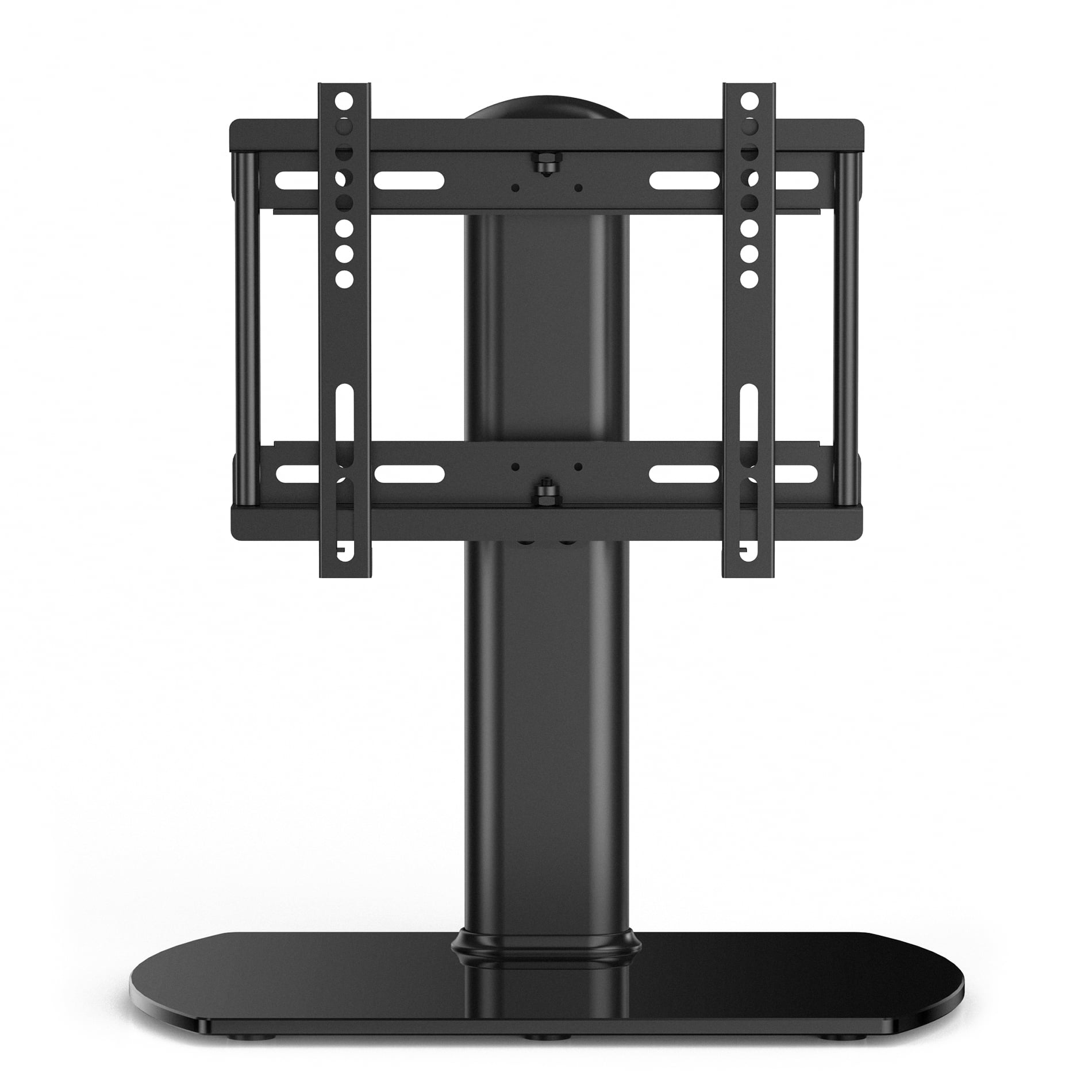
A 40-inch TV with a center base is the ideal solution for viewers who need a medium-sized screen but have limited surface area on their furniture. Unlike "caliper" feet located at the screen's edges, a center pedestal allows the television to sit securely on narrow stands, providing greater flexibility in room layout, improved cable management, and a classic aesthetic.
In 2026, the television market has largely bifurcated into massive 65-plus inch panels and compact desktop-friendly displays. However, the 40-inch segment remains a vital "Goldilocks" zone for bedrooms, kitchens, and studio apartments. Finding a model with a native center base has become more challenging as manufacturers prioritize the cost-efficiency of plastic feet. This guide examines the current landscape of 40-inch televisions with center bases, technical requirements for stability, and the rising popularity of universal pedestal solutions.
The Evolution of TV Stands: Why Center Bases are Receding
To understand why finding a 40-inch TV with a center base requires specific effort, one must look at modern manufacturing trends. Ten years ago, the pedestal stand was the industry standard. Today, the "dual-foot" design dominates. This shift occurred because wide-set feet are cheaper to produce, easier to pack in slim boxes, and provide a stable footprint for increasingly lightweight LED panels.
For the consumer, however, wide feet are often a disadvantage. If you own a vintage dresser, a narrow media console, or a specific piece of furniture that is not at least 35 inches wide, a modern 40-inch TV with edge-aligned feet will literally hang off the sides. This creates a significant safety hazard and an unappealing visual profile. The center base—often called a pedestal—concentrates the weight in the middle, allowing the TV to be placed on surfaces significantly narrower than the screen itself.
Native 40-Inch Models with Center Pedestals in 2026
While many Tier-1 brands like Samsung and LG have migrated their 40-43 inch lineups to feet-based designs, specific models and specialized series continue to offer the center base. As of 2026, these are typically found in "designer" lines or high-end hospitality series that prioritize aesthetics and placement versatility.
Designer and Hospitality Series
Brands such as Loewe and certain Sony Bravia professional monitors still utilize the center pillar. These models are engineered for environments where the TV must be rotated or placed on circular tables. In the consumer market, the Samsung Frame (in its smaller iterations) often supports "Studio Stands" or specialized center-mount options, though these are frequently sold as premium accessories rather than out-of-the-box inclusions.
Budget-Friendly Mid-Size Options
Brands like Hisense and TCL occasionally release "Legacy" or "Classic" editions of their 40-inch 1080p and 4K Smart TVs that feature a U-shaped or rectangular center base. These are particularly popular in the European and Asian markets where living spaces are traditionally more compact. When shopping, it is essential to verify the model number, as a single series (e.g., the TCL S-Class) might use feet for the 55-inch version but a center stand for the 40-inch variant to cater to dorm room furniture.
The Universal Solution: VESA-Mounted Pedestals
If you have found the perfect 40-inch screen—perhaps one with an OLED panel or specialized gaming features—but it comes with wide feet, the industry-standard solution is the Universal TV Pedestal. In 2026, these aftermarket stands have become highly sophisticated, often surpassing the quality of the original equipment manufacturer (OEM) stands.
Understanding VESA Compatibility
The Video Electronics Standards Association (VESA) defines the distance between the four mounting holes on the back of your TV. For a 40-inch television, the most common patterns are 200x200mm or 100x100mm. A universal center base attaches to these holes, effectively replacing the factory feet.
Benefits of Universal Center Bases:
- Swivel Functionality: Most third-party center bases allow for 30 to 45 degrees of swivel, which is rarely found on factory feet.
- Height Adjustability: These stands allow you to raise or lower the screen to accommodate a soundbar or to align the screen with your eye level.
- Material Quality: While factory stands are often plastic, universal pedestals are frequently made of tempered glass and heavy-gauge steel, offering superior tip-resistance.
Technical Specifications and Measurements
When selecting a 40-inch TV for a center-base setup, you must account for the physical dimensions of both the panel and the base. A 40-inch screen (measured diagonally) is typically approximately 35 inches wide.
| Feature | Specification Range (40-Inch Class) | Why It Matters |
|---|---|---|
| Panel Width | 35.0 - 35.8 inches | Determines if the TV fits within your wall alcove. |
| VESA Pattern | 100x100mm to 200x200mm | Necessary for selecting a compatible universal stand. |
| Base Depth | 8 - 12 inches | Ensures the stand doesn't overhang your shelf or mantel. |
| Resolution | 1080p (FHD) to 4K (UHD) | 4K is preferred for close-up viewing (under 5 feet). |
| Weight | 12 - 20 lbs (without stand) | Crucial for ensuring your furniture can support the point-load. |
Installation and Safety Considerations
Switching to a center base changes the physics of how your TV interacts with your furniture. Because the entire weight of the 40-inch panel is concentrated on a single central point, stability is paramount.
The Point-Load Factor
Standard feet distribute the TV's weight to two points at the far edges of the furniture. A center base creates a "point-load" in the middle. Ensure that your media console or shelf is not made of thin particle board that might bow over time under the concentrated weight of a 15-pound television and a 5-pound steel stand.
Anti-Tip Hardware
Regardless of the stand type, the Consumer Product Safety Commission (CPSC) and international safety standards strongly recommend using anti-tip straps. Even a 40-inch TV can cause injury if it topples. When using a center base, the TV is slightly more susceptible to "rotation" if bumped. High-quality universal stands include mounting holes for security cables that anchor the back of the stand to the wall or the furniture itself.
Selecting the Right Panel Technology
While the base is a physical requirement, the screen technology defines your viewing experience. In the 40-inch category in 2026, you will encounter three primary panel types:
- LED-LCD (VA Panels): Most common in 40-inch sizes. They offer excellent contrast and deep blacks, making them ideal for bedrooms. However, they have narrower viewing angles, so a swivel center base is highly recommended to keep the screen aimed directly at you.
- LED-LCD (IPS Panels): These offer wider viewing angles, meaning the picture stays accurate even if you aren't sitting directly in front of it. These are better for kitchens or common areas.
- QLED: Available in premium 40-inch models, using Quantum Dots to enhance color brightness. These are excellent for bright rooms with significant natural light.
Cable Management with Center Bases
One of the greatest functional advantages of a center base is the "hollow pillar" design. Most pedestal stands feature a vertical column with integrated clips or a hollow interior. This allows you to route HDMI and power cables directly down the center, hiding them from view. This creates a much cleaner look than edge-mounted feet, where cables often dangle visibly from the side or center of the screen before reaching the outlets.
For the cleanest setup in 2026, look for stands that offer "snap-on" cable covers. This is particularly useful if your 40-inch TV is serving as a gaming monitor or is connected to multiple peripherals like a soundbar, streaming stick, and gaming console.
Frequently Asked Questions
Can I put a center base on a TV that came with feet?
Yes, provided the TV has VESA mounting holes on the back. Most modern 40-inch TVs have these holes (used for wall mounting). You can purchase a universal TV stand that attaches to these holes and provides a central pedestal. Always check that the stand is rated for the weight and VESA pattern of your specific TV model.
Are center-base TVs less stable than those with feet?
Structurally, a well-engineered center base is just as stable as feet. However, because the footprint is smaller, they can be more prone to tipping if the base is not heavy enough. This is why many high-quality center stands use tempered glass or heavy steel bases to lower the center of gravity.
Why is it so hard to find a 40-inch 4K TV with a center base?
The 40-inch size is increasingly treated as a "value" segment, where manufacturers cut costs by using simple plastic feet. Furthermore, the industry is shifting toward 42-inch OLEDs and 43-inch standard LEDs. If you cannot find a native 40-inch 4K model with a pedestal, your best option is to buy the best 40-inch or 42-inch screen available and pair it with a high-quality aftermarket center stand.
Does a center base allow the TV to rotate?
Many—but not all—center bases allow for swiveling. This is a major advantage over fixed feet. If rotation is a requirement for your space (e.g., viewing from both a bed and a desk), specifically look for a stand labeled "Swivel Pedestal."
Will a 40-inch TV fit on a 24-inch wide stand if it has a center base?
Yes. As long as the center base itself fits entirely on the 24-inch surface and the TV is balanced, the screen can overhang the sides of the furniture. This is the primary reason consumers seek out center-base models. However, ensure the overhanging edges aren't in a high-traffic area where they could be easily bumped.
Final Recommendation
For most users in 2026, the most effective way to secure a 40-inch TV with a center base is to decouple the TV purchase from the stand. While you should first look for models like the Hisense A-series or specialized hospitality panels that might include a pedestal, the selection is often limited in terms of picture quality.
The superior strategy is to select the 40-inch television with the best display features (4K resolution, HDR support, and a high refresh rate) and immediately pair it with a Heavy-Duty Universal Swivel Pedestal. This approach ensures you do not compromise on visual performance simply to satisfy a furniture requirement, while also gaining the added benefits of height adjustability and cable management that factory stands rarely provide.