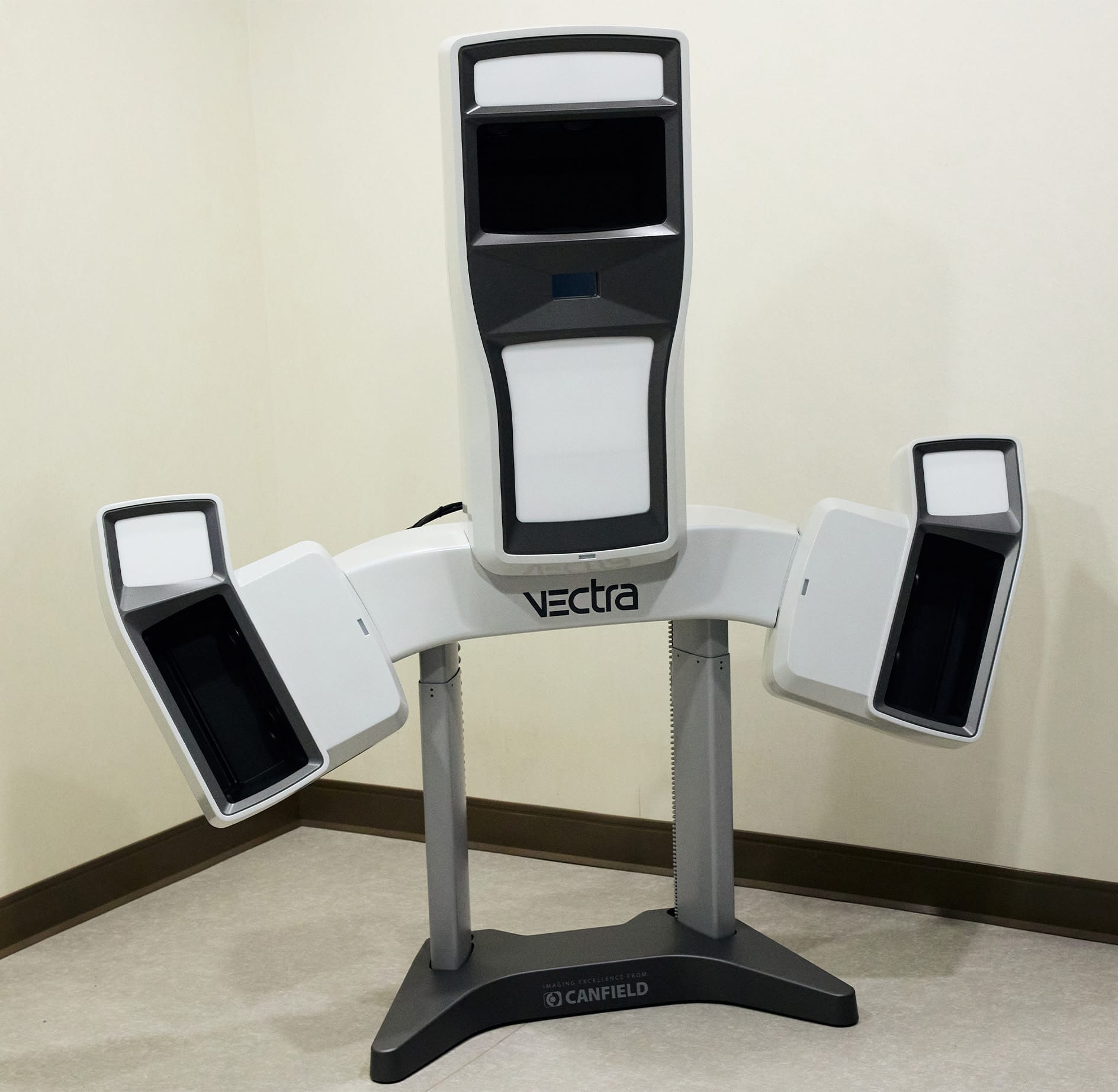
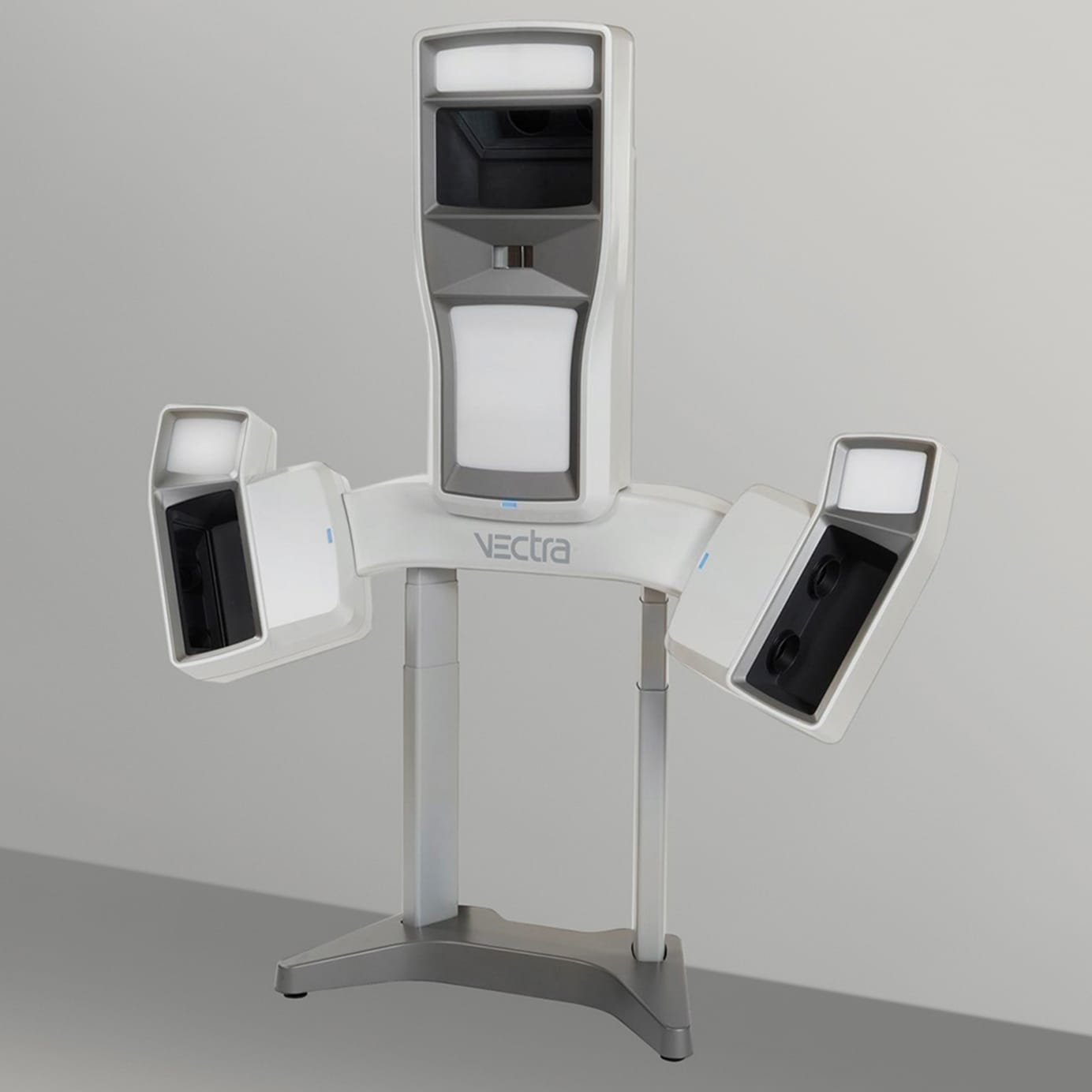
VECTRA 3D imaging is a sophisticated medical photography and software system used by plastic surgeons to create high-resolution, three-dimensional models of a patient’s face or body. By capturing multiple images simultaneously, the system allows surgeons to simulate potential surgical outcomes, helping patients visualize results for procedures like rhinoplasty or breast augmentation before entering the operating room.
In the aesthetic medical field of 2026, VECTRA 3D imaging remains the gold standard for clinical photography and preoperative planning. Developed by Canfield Scientific, this technology has moved beyond mere "before and after" photos into a realm of predictive modeling that bridges the gap between patient expectations and surgical reality. Whether you are a patient considering a cosmetic change or a clinician looking to upgrade your diagnostic suite, understanding the mechanics, applications, and limitations of the VECTRA system—specifically popular models like the VECTRA M3, XT, and H2—is essential for informed decision-making.
The Evolution of 3D Imaging in Plastic Surgery
Before the advent of digital 3D modeling, plastic surgeons relied on 2D photography, physical "sizers," and manual drawings to explain potential outcomes. This often led to a "communication gap" where the patient’s mental image of the result differed significantly from the surgeon’s technical plan.
VECTRA 3D imaging changed this landscape by introducing stereophotogrammetry. This process involves capturing a subject from multiple angles at the exact same millisecond. In 2026, the software algorithms have reached a level of refinement where they can accurately simulate tissue elasticity and the weight of implants, providing a more realistic "preview" than ever before. This technology is no longer a luxury but an expectation in high-end aesthetic practices, serving as a critical tool for informed consent and surgical precision.
Understanding the VECTRA 3D Hardware: M3, XT, and H2 Systems
The term "3 Vectra" often refers to the three primary tiers of hardware solutions offered by Canfield Scientific. Each system is designed for specific clinical environments and anatomical focuses.
VECTRA M3: Specialized Facial and Breast Imaging
The VECTRA M3 is a compact, high-resolution system specifically optimized for the face, neck, and breasts. It utilizes a three-camera configuration to capture the geometry of the upper body with extreme precision.
- Best For: Rhinoplasty, chin augmentation, and breast enhancement.
- Technical Edge: The M3 is praised for its ability to capture fine details of facial contours, which is vital for procedures involving bone structure and soft tissue volume.
VECTRA XT: The All-in-One Solution
The VECTRA XT is the most versatile member of the family. It features a larger, more robust frame with multiple camera pods that can capture the entire body in one shot.
- Best For: Full-body contouring, abdominoplasty (tummy tucks), and large-scale reconstructions.
- Technical Edge: Its height-adjustable sensors and wide field of view make it the preferred choice for clinics that offer a full range of aesthetic services.
VECTRA H2: The Handheld Revolution
For practices with limited space or those requiring portable solutions, the VECTRA H2 provides professional-grade 3D imaging in a handheld format.
- Best For: Consultations in multiple exam rooms or focused facial aesthetics.
- Technical Edge: Despite its small size, it uses dual-optic technology to generate 3D models comparable in quality to the stationary units, though it requires more manual positioning by the operator.
How the Sculptor 3D Software Works
The hardware is only half of the equation. The "magic" happens within the Sculptor 3D software. Once the images are captured, the software "stitches" them together to create a continuous 3D mesh.
Automated Measurements
The software automatically calculates key anatomical dimensions. For breast consultations, it measures volume, projection, and symmetry. For facial consultations, it can measure the exact angle of the nose or the volume of the cheeks. This objective data allows surgeons to move away from subjective descriptions like "a little more lift" to objective measurements like "3.5 centimeters of elevation."
Simulation and Warping Tools
Surgeons use a variety of "sculpting" tools to alter the 3D model. They can:
- Increase or Decrease Volume: Simulate the addition of breast implants or the removal of fat via liposuction.
- Reshape Contours: Adjust the bridge of a nose or the curve of a jawline.
- Compare Options: Display two or three different potential outcomes side-by-side (e.g., a 300cc implant versus a 350cc implant).
RBX Technology
VECTRA systems often incorporate RBX technology, which stands for Red/Brown Processing. This specialized imaging mode filters the 3D model to reveal sub-surface skin conditions. It highlights vascularity (redness/rosacea) and melanin (pigment/sun damage). In 2026, this is increasingly used not just for surgery, but for planning dermatological treatments like laser resurfacing and chemical peels.
Clinical Applications and Surgical Planning
VECTRA 3D imaging is utilized across nearly every sub-specialty of aesthetic medicine. Its ability to provide a 360-degree view allows for a comprehensive assessment that 2D photos simply cannot match.
Rhinoplasty (Nose Surgery)
Rhinoplasty is perhaps the most common application for VECTRA 3D. Because the nose is the central feature of the face, even a one-millimeter change can drastically alter a person's appearance. The software allows the surgeon to rotate the patient’s head on the screen, showing how a change to the profile (the "bridge") will affect the front-facing appearance and the "three-quarter" view.
Breast Augmentation and Lift
In breast surgery, VECTRA 3D is used to solve the "sizing" dilemma. Patients often struggle to visualize how a certain volume will look on their specific frame. The software can overlay different implant shapes (round vs. teardrop) and profiles. It also helps identify natural asymmetries that the patient may not have noticed, such as one breast being slightly lower or smaller than the other, allowing the surgeon to plan a more balanced correction.
Body Contouring
For procedures like liposuction, tummy tucks, or Brazilian Butt Lifts (BBL), VECTRA 3D provides a "before and after" that accounts for the entire circumference of the body. This is crucial for ensuring that the transition between the treated area (like the abdomen) and the untreated area (like the hips) remains natural and fluid.
The Patient Experience: Step-by-Step
A VECTRA 3D consultation in 2026 is designed to be efficient and enlightening. Here is what a typical session looks like:
- Preparation: The patient removes jewelry and pulls their hair back. For body imaging, specialized undergarments may be provided to ensure clear views of the skin surface.
- The Capture: The patient stands in front of the VECTRA XT or M3. The surgeon or assistant triggers the capture. A series of bright flashes occur—much like a standard photo—and the data is sent to the computer instantly.
- Processing: The software takes approximately 30 to 60 seconds to build the 3D model.
- The Simulation: The surgeon and patient sit together at a monitor. The surgeon "rotates" the patient's virtual self. They discuss goals and the surgeon begins to manipulate the 3D model to show what is surgically possible.
- Side-by-Side Review: The "current" version of the patient is displayed next to the "simulated" version. This comparison is often the "aha!" moment where the patient decides whether to proceed with the surgery.
- Documentation: The simulations are saved to the patient’s medical record and can be used in the operating room as a visual reference for the surgical team.
Benefits and Limitations
While VECTRA 3D is a powerful tool, it is important to maintain a balanced perspective on its capabilities.
Key Benefits
- Improved Communication: It ensures that the surgeon and patient are literally "on the same page."
- Increased Confidence: Patients often feel more secure in their decision once they have seen a realistic representation of the outcome.
- Better Planning: Surgeons can identify anatomical challenges (like chest wall deformities or facial nerve paths) that might not be as obvious in 2D.
- Documentation: It provides a detailed baseline for evaluating postoperative results.
Limitations and Cautions
- It Is Not a Guarantee: The simulation is a mathematical estimation of a surgical outcome. It does not account for individual healing rates, scar tissue formation, or unforeseen surgical complications.
- Software vs. Biological Tissue: While the software simulates tissue behavior, actual human skin and muscle may react differently depending on the patient's age and health.
- Skill Dependency: The quality of the simulation depends on the surgeon’s ability to accurately "sculpt" the model according to their own surgical skills. A simulation is only useful if the surgeon can actually replicate that result in the operating room.
Comparing VECTRA Models for Clinical Use
| Feature | VECTRA M3 | VECTRA XT | VECTRA H2 |
|---|---|---|---|
| Primary Use | Face and Breast | Full Body | Portable / Face |
| Camera Count | 3 High-Res Pods | 6 High-Res Pods | Handheld Dual-Optic |
| Capture Time | < 2 Milliseconds | < 2 Milliseconds | Variable (Manual) |
| Space Required | Moderate | Significant | Minimal |
| RBX Skin Analysis | Yes | Yes | Yes |
| Automated Sizing | Yes | Yes | Yes |
Cost and Availability in 2026
As of 2026, VECTRA 3D imaging is widely available in most metropolitan areas. Many plastic surgeons include the 3D imaging session as part of their initial consultation fee, which typically ranges from $100 to $500 (often applied toward the surgery cost).
For the clinic, the investment in a VECTRA system remains significant, often ranging from $20,000 to over $50,000 depending on the model and software package. However, the return on investment is high due to the increased "conversion rate"—the percentage of patients who decide to book a surgery after seeing their simulation.
Frequently Asked Questions
Is VECTRA 3D imaging safe?
Yes, the system is entirely non-invasive. It uses standard high-resolution photography and flashes. There is no ionizing radiation (like X-rays or CT scans) involved. It is as safe as having a regular digital photograph taken.
Does the simulation show exactly how I will look?
No. The simulation is a "best-case scenario" tool for planning and communication. While it is highly accurate in terms of proportions and volume, it cannot predict exactly how your body will heal, how much swelling you will have, or how your specific skin quality will drape over a new structure.
Can VECTRA be used for non-surgical treatments?
Absolutely. In 2026, it is commonly used to show the potential effects of dermal fillers (like Juvederm or Restylane) and neuromodulators (like Botox). It can also track the progress of skin rejuvenation treatments by using the RBX technology to show the reduction in brown spots or redness over time.
How long does the 3D imaging process take?
The actual photo capture takes less than a second. The software processing takes about a minute. Most of the time is spent during the "simulation" phase, where you and your surgeon discuss the changes, which can take anywhere from 15 to 45 minutes depending on the complexity of the procedure.
Is the software updated for different ethnicities?
Modern VECTRA software (Version 2026 and later) includes diverse datasets that allow for more accurate simulations across various ethnicities and skin types, ensuring that the nuances of different facial structures and skin thicknesses are respected during the modeling process.
Practical Recommendations for Patients
If you are considering an aesthetic procedure and are looking for a surgeon who uses VECTRA 3D imaging, keep the following in mind:
- Ask for the Simulation: When booking your consultation, specifically ask if the office uses 3D imaging for your specific procedure (e.g., "Do you use VECTRA for rhinoplasty consultations?").
- Bring Reference Photos: While the 3D model is of you, bringing photos of results you like can help the surgeon "sculpt" the model toward your preferred aesthetic.
- Focus on Proportions: Use the 3D model to look at your overall balance. Instead of just looking at the size of an implant, look at how that size relates to your shoulders, hips, and height.
- Understand the "Why": If a surgeon tells you a certain simulation is not surgically achievable, listen to their reasoning. The VECTRA system is a tool for honesty, not just for sales.
By utilizing VECTRA 3D imaging, you are taking a proactive step in your surgical journey. It moves the conversation from "I hope it looks like this" to "I can see the plan," providing a level of clarity and confidence that was previously impossible in aesthetic medicine.