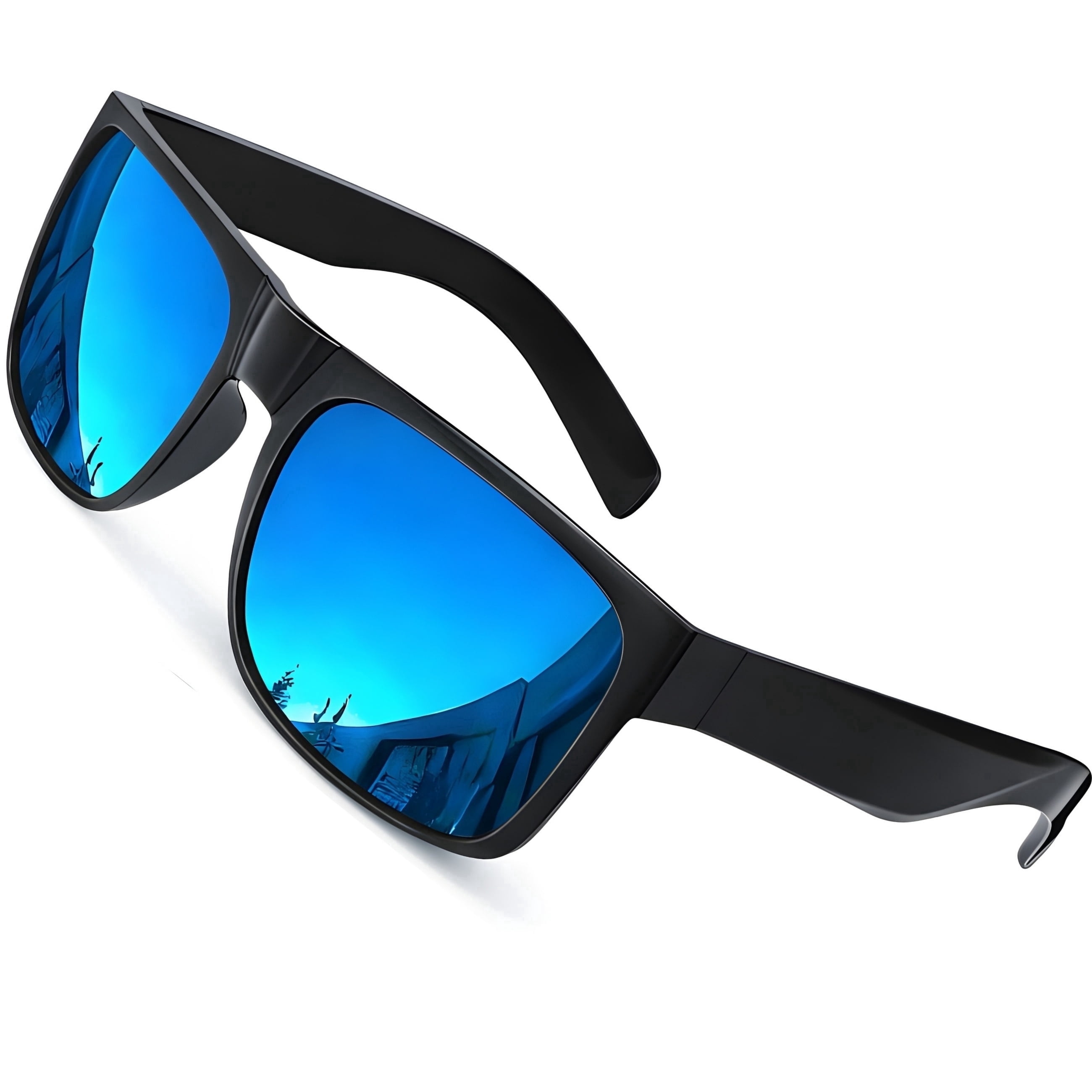
Placing sunglasses on top of your head is an everyday habit for millions of people seeking an easy way to manage eyewear while moving between indoor and outdoor environments. While this practice offers undeniable convenience and quick access, it also impacts the longevity of your frames and personal comfort. Understanding why people do this, along with the potential trade-offs, helps users balance practicality with proper eyewear care.
1. Unmatched Convenience and Hand-Free Mobility
The primary reason people rest their sunglasses on top of their head is the immediate convenience it provides when transitioning from bright sunlight to dim indoor spaces. When walking into a grocery store, office, or restaurant, removing your sunglasses requires a secure place to store them. If you are carrying shopping bags, a briefcase, or a cup of coffee, holding your eyewear in your hands is impractical and increases the risk of accidental drops.
Resting the frames on your head transforms your body into a temporary storage rack, keeping your hands completely free. This hands-free mobility is especially valuable during active outdoor tasks, travel, or shopping trips where you frequently need to shift your vision between bright environments and shaded or indoor areas. Instead of unzipping a bag, retrieving a hard case, or hooking frames insecurely onto a shirt collar, a quick upward push positions the sunglasses securely out of the way.
Furthermore, this placement eliminates the need to carry bulky protective cases for short durations. When you expect to step back outside within a few minutes, storing sunglasses in a case becomes an unnecessary chore. Keeping them on your head ensures they remain instantly accessible without adding clutter to your pockets or hands.
2. Rapid Transition and Speed of Access
In addition to keeping your hands free, wearing sunglasses on your head allows for the fastest possible transition when lighting conditions change unexpectedly. Weather patterns shift, shadows lengthen, and walking past tall buildings or dense foliage can plunge you from glaring sunlight into deep shade within seconds.
When your sunglasses are already positioned on your head, putting them back on requires a single, fluid motion. You can lower them onto your face with one hand in less than a second, maintaining visual clarity and protecting your eyes from sudden glares without breaking your stride. This rapid deployment is particularly useful for drivers who step out of vehicles briefly, athletes who move between covered and open training areas, and pedestrians navigating urban canyons.
Compare this speed with alternative storage methods:
- Hard Case: Requires unzipping, opening, retrieving, and later reversing the process. Total time: 10 to 20 seconds.
- Soft Pouch: Requires drawing a cord or squeezing an opening, plus careful insertion to avoid scratching. Total time: 5 to 10 seconds.
- Shirt Collar: Prone to swinging, falling out when bending over, or getting tangled in buttons. Total time: 2 to 5 seconds, with high risk of loss.
- Top of Head: Immediate downward motion using muscle memory. Total time: Under 1 second.
This speed makes the head-rest position a favorite for people who value efficiency and continuous movement throughout their daily routines.
3. Aesthetic Preference and Personal Style
Beyond pure utility, keeping sunglasses on top of the head has long served as a casual fashion statement. In many contemporary subcultures, particularly in beach towns, fashion capitals, and outdoor social gatherings, resting oversized or statement frames on the crown of the head functions similarly to wearing a headband.
This style choice frames the face, adds a relaxed or vacation-ready aesthetic, and keeps a key accessory visible and ready. Fashion-conscious individuals often select frames specifically for how they look when pushed back, matching frame shapes and colors to their overall wardrobe and hairstyle. It projects an effortless, on-the-go lifestyle that aligns with casual and warm-weather fashion trends.
However, relying on sunglasses as a fashion accessory in this manner introduces certain compromises regarding eyewear maintenance, which requires careful consideration.
Eyewear Care Comparison: Storage Methods
To understand how keeping sunglasses on your head compares to other methods, examine the structural and maintenance implications outlined in the table below.
| Storage Method | Speed of Access | Risk of Frame Stretching | Risk of Lens Smudging | Drop Risk |
|---|---|---|---|---|
| Top of Head | Instant (<1 second) | High | Medium (hair oils) | Low |
| Hard Case | Slow (10–20 seconds) | None | None | None |
| Soft Pouch | Moderate (5–10 seconds) | Low | Low | Very Low |
| Shirt Collar | Fast (2–5 seconds) | None | High | High |
| Pocket / Bag | Slow (10–15 seconds) | High (if crushed) | High (debris) | Low |
Potential Drawbacks and Risks of Head Placement
While convenience drives the popularity of wearing sunglasses on your head, optical experts and eyewear manufacturers often discourage the practice due to structural and cleanliness concerns.
Frame Stretching and Alignment Issues
The most significant drawback is the gradual widening of the frame hinges and temples. Human heads are generally wider than the standard bridge span and temple distance designed for facial contours. When you stretch sunglasses over your hair and head repeatedly, the hinges are forced outward beyond their intended tension limit. Over time, acetate, plastic, and metal frames lose their original shape, causing the glasses to slip down your nose or fit loosely when worn on your face.
Lens Contamination and Smudges
Hair products, natural scalp oils, and sweat accumulate quickly on the inner surfaces of sunglasses when they rest on your head. These substances transfer directly onto the lenses and nose pads, creating greasy smudges that distort vision and require frequent cleaning. Furthermore, abrasive hair styling products or micro-particles trapped in hair can scratch delicate anti-reflective or polarized lens coatings.
Accidental Drops and Loss
Although the head acts as a convenient shelf, it is not a secure anchor. Bending down to tie a shoe, looking up suddenly, or experiencing a gust of wind can easily dislodge sunglasses from your head. Because sunglasses lack the secure grip of ears and a nose bridge when perched on the crown, falling frames frequently suffer cracked lenses, snapped hinges, or total loss.
Frequently Asked Questions
Will wearing sunglasses on my head ruin them permanently?
Not immediately, but it accelerates wear and tear. Constant stretching weakens spring hinges and warps plastic frames, while hair oils can degrade certain frame finishes and smudge lenses. Many distortions can be adjusted by an optician, but severe warping is irreversible.
How can I prevent my sunglasses from stretching when I take them off?
The safest practice is to store them in a dedicated hard-shell case when not in use. If you need temporary access, sliding them into a secure shirt pocket or using a retainer strap (chums or croakies) provides a safer alternative to placing them on your head.
Why do my sunglasses keep sliding down my nose after wearing them on my head?
When sunglasses slide down, it usually means the temples have been stretched outward. This widening reduces the grip pressure behind your ears and on the sides of your head, causing the frame to slip forward with normal movement.
Are certain frame materials more resistant to head placement?
Yes. Titanium and high-grade memory plastics (such as Grilamid TR90) possess high elasticity and can return to their original shape after being flexed. Traditional cellulose acetate and brittle plastics are much more prone to permanent stretching and snapping under repeated stress.
Practical Recommendations for Eyewear Users
If you prefer the convenience of keeping sunglasses on top of your head, you can minimize potential damage by adopting a few simple habits. Avoid pushing frames forcefully backward over your hair; instead, lift them gently straight up and place them on your crown. Periodically inspect your frame alignment and clean your lenses with microfiber cloths to remove accumulated skin oils. For high-value or prescription sunglasses, investing in a portable hard case or a comfortable neck strap remains the best strategy to ensure longevity and protect your investment.