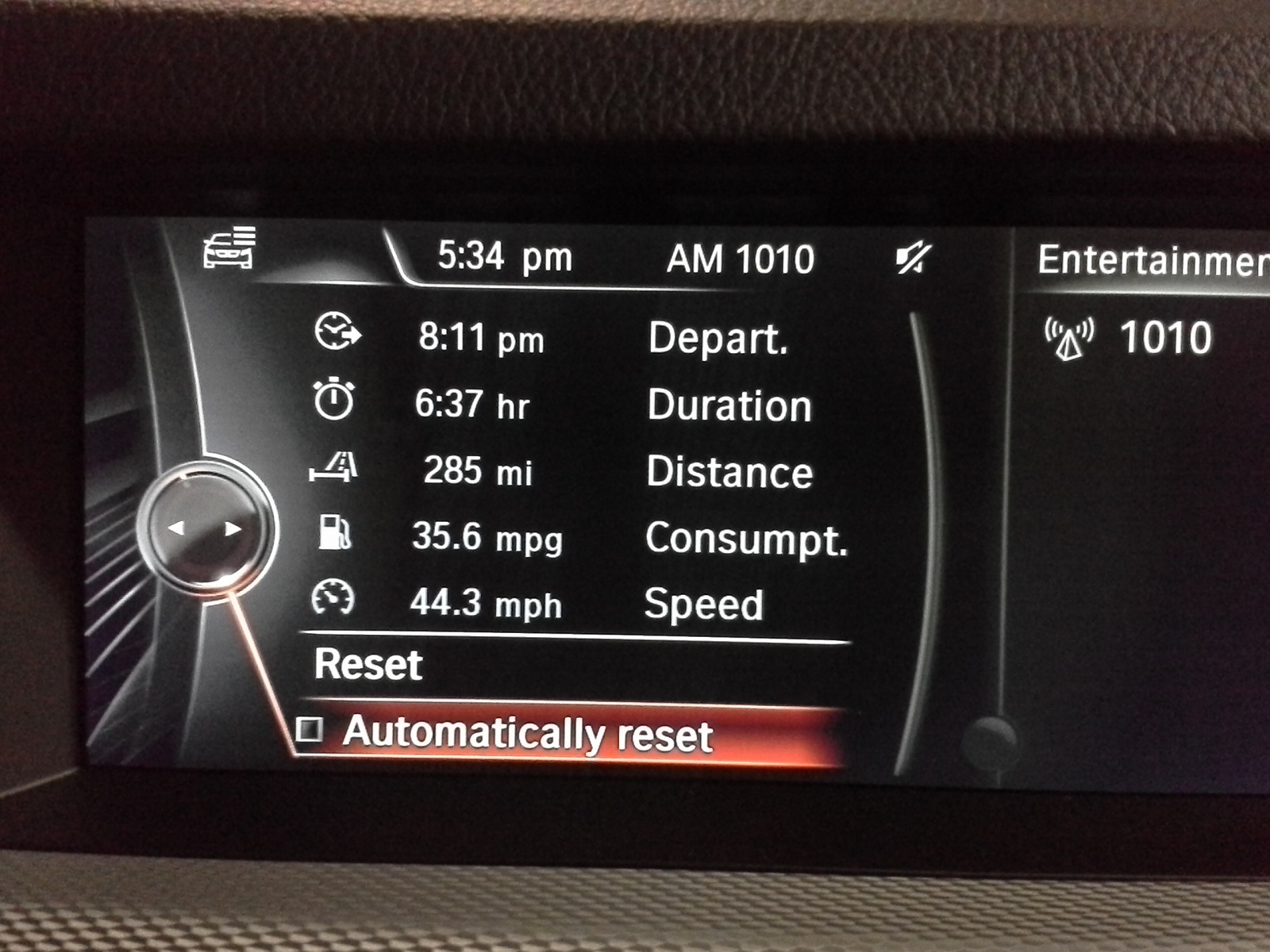
The 2014 BMW 328i carries an EPA-estimated combined fuel economy rating of 26 mpg. This figure represents an aggregate of 23 mpg in city driving and 33 mpg on the highway, derived from standardized testing protocols. Achieving these numbers in real-world conditions depends heavily on driving behavior, vehicle maintenance, tire specifications, and environmental variables unique to the F30 platform.
Understanding the EPA Baseline for the 2014 BMW 328i
The 26 mpg combined figure for the 2014 BMW 328i serves as a standardized benchmark established by the Environmental Protection Agency (EPA). To understand this figure, one must first recognize that the 2014 328i utilizes the N20 engine—a 2.0-liter turbocharged inline-four-cylinder unit. This engine was a significant departure from the naturally aspirated straight-six engines found in previous generations of the 3 Series. The transition to a smaller displacement, forced-induction powertrain was driven largely by the manufacturer's goal to improve fuel efficiency while maintaining the torque characteristics expected by luxury sport sedan buyers.
The "26 mpg combined" figure is not an arbitrary estimation; it is a weighted average based on a specific driving cycle: 55% city and 45% highway. The city cycle mimics stop-and-go traffic with lower average speeds and idling time, whereas the highway cycle involves higher constant speeds and fewer braking events. Because the F30 328i features an eight-speed ZF automatic transmission, it is able to keep the engine at a very low RPM during steady-state highway cruising, which is the primary reason the vehicle can achieve 33 mpg or better on long trips.
Factors Influencing Real-World Fuel Economy
While the EPA figures provide a reliable baseline for comparison, individual drivers often see fluctuations. The 2014 328i is highly sensitive to the "Drive Mode" selected via the console switch. The ECO PRO mode, for instance, alters throttle mapping and climate control efficiency to prioritize the 26 mpg target. Conversely, Sport mode holds gears longer and increases throttle sensitivity, which will inevitably lower fuel economy well below the EPA estimate.
Other critical factors include:
- Tire Rolling Resistance: The 328i was often equipped with run-flat tires. While these provide safety, they often have higher rolling resistance than standard tires. Switching to low-rolling-resistance tires can marginally improve highway efficiency.
- Fuel Quality: BMW recommends premium unleaded gasoline (91 AKI or higher) for the N20 engine. Using lower-octane fuel can trigger the engine management system to retard ignition timing to prevent knocking. This reduction in efficiency not only lowers power output but can also degrade fuel economy.
- Weight and Cargo: The F30 chassis is robust. Carrying unnecessary weight in the trunk or roof racks creates aerodynamic drag and increases the energy required to accelerate, negatively impacting the city mpg figures significantly.
Technical Specifications and Efficiency Engineering
The efficiency of the 2014 BMW 328i is rooted in several specific engineering choices. The N20 engine employs TwinPower Turbo technology, which is a twin-scroll turbocharger system. Unlike a standard turbo, a twin-scroll design separates the exhaust gas pulses from the cylinders, reducing backpressure and allowing for faster turbo spooling. This enables the engine to deliver peak torque at very low RPMs (around 1,250 RPM), meaning the engine does not need to be revved high to keep the car moving efficiently in traffic.
Additionally, the car utilizes Auto Start-Stop technology. This system cuts the engine during brief stops, such as at traffic lights, to conserve fuel that would otherwise be wasted during idling. While some drivers find the transition from "off" to "on" abrupt, it is a primary contributor to the car's ability to maintain its EPA city rating. Furthermore, the use of Electric Power Steering (EPS) removes the parasitic drag of a traditional hydraulic power steering pump, which constantly consumes engine power even when the steering wheel is held straight.
Comparison Table: 2014 BMW 328i vs. Peers
The following table compares the 2014 328i with contemporary vehicles from the same luxury segment to provide context for the 26 mpg combined rating.
| Vehicle Model | Engine Configuration | EPA Combined MPG |
|---|---|---|
| 2014 BMW 328i (RWD) | 2.0L Turbo I4 | 26 MPG |
| 2014 Audi A4 2.0T | 2.0L Turbo I4 | 24 MPG |
| 2014 Mercedes-Benz C250 | 1.8L Turbo I4 | 25 MPG |
| 2014 Lexus IS 250 | 2.5L V6 | 24 MPG |
Note: Figures represent base models with automatic transmissions for the 2014 model year. Real-world results may vary.
Maintaining Optimal Fuel Economy
To ensure your 2014 BMW 328i stays near that 26 mpg average throughout 2026 and beyond, diligent maintenance is required. As the vehicle ages, certain components begin to degrade, which can cause the engine to work harder than necessary.
Air Intake and Filtration
The N20 engine relies on a precise air-to-fuel ratio. If the engine air filter is clogged, the engine must work harder to draw in the air required for combustion, leading to an overly rich fuel mixture and decreased efficiency. It is recommended to inspect the air filter every 15,000 miles.
Fuel System Cleaning
Direct-injection engines, like the N20, are prone to carbon buildup on the intake valves because fuel is injected directly into the combustion chamber rather than washing over the back of the valves. Over time, this buildup can disrupt airflow and combustion efficiency. Using high-quality top-tier gasoline and periodic fuel system treatments can help maintain the engine's internal health.
Oxygen Sensors and Spark Plugs
The oxygen (O2) sensors monitor the exhaust stream to adjust fuel injection. If these sensors become sluggish or fouled, the engine computer (ECU) may default to a "safe" mode that consumes more fuel. Spark plugs should be replaced according to the service interval (typically every 60,000 miles for this engine) to ensure complete combustion.
Common Misconceptions
There is a common belief that the "26 mpg" figure is a maximum. In reality, many owners report that with highway-heavy driving, it is entirely possible to exceed 30 mpg. The EPA's test cycles are designed to be representative of the "average" driver, but if your commute consists primarily of 65 mph highway cruising with minimal stop-and-go, your personal numbers may look significantly better than the official rating. Conversely, if you reside in a high-density urban environment with constant idling and short trips where the engine never reaches optimal operating temperature, you may find your efficiency falling closer to the low 20s.
Addressing Troubleshooting and Performance Drops
If you notice your 2014 BMW 328i is consistently falling below 20-22 mpg combined, it is rarely due to the vehicle's design and usually points to an underlying issue:
- Tire Pressure: Under-inflated tires increase rolling resistance. Check your tire pressure monthly; the correct specifications are usually found on the B-pillar placard.
- Drag and Alignment: A vehicle that is out of alignment will "scrub" the tires, creating friction. If the car pulls to one side, get an alignment performed immediately.
- Transmission Health: The ZF 8-speed transmission is highly reliable, but old transmission fluid can cause "slip," which reduces power transfer efficiency. While BMW marketed the fluid as "lifetime," many mechanics suggest a fluid and filter service at the 80,000 to 100,000-mile mark.
- Cooling System: If the thermostat is stuck open, the engine will run cooler than intended. The ECU will compensate by injecting more fuel to raise engine temperatures to the efficient operating window, causing a drop in economy.
Expert Guidance for Long-Term Ownership
As a 2014 model, your BMW is now over a decade old. While the 26 mpg rating is a factory standard, your vehicle's current state of wear and tear is the primary determinant of fuel efficiency. Owners aiming to optimize their fuel consumption should prioritize using manufacturer-approved synthetic motor oil (typically LL-01 specification) to reduce internal friction.
If you suspect your vehicle is not performing to its potential, start by scanning for "hidden" diagnostic trouble codes. Even if the check engine light is not illuminated, there may be "pending" codes related to the MAF (Mass Air Flow) sensor or O2 sensors that are subtly affecting fuel economy. A simple OBD-II scanner can provide the data needed to see if the engine is running in "closed loop" (efficient) or "open loop" (inefficient) status.
Frequently Asked Questions
Does the 2014 BMW 328i require premium gas? Yes. The N20 engine utilizes a high compression ratio and turbocharging. Premium fuel (91+ octane) is required to prevent pre-ignition and allow the engine to operate at its peak efficiency and power output as designed by BMW.
Is the 26 mpg rating different for xDrive (AWD) models? Yes. The 2014 BMW 328i xDrive models generally have a slightly lower EPA combined rating, typically around 24–25 mpg, due to the additional weight and mechanical drag of the all-wheel-drive system.
Can using a higher-octane fuel improve my mpg? Using a higher-octane fuel than 91 will not necessarily improve your fuel economy, as the engine's ignition timing is mapped for 91-93 octane. However, using lower-octane fuel will almost certainly decrease your fuel economy and may cause long-term engine stress.
Does cold weather affect the 328i's fuel economy? Yes. Cold air is denser, requiring more fuel to maintain the correct air-fuel mixture. Additionally, cold weather increases oil viscosity and necessitates the use of heating systems, which puts a load on the alternator and engine, all of which contribute to lower fuel efficiency during winter months.
How does aggressive driving impact my actual mpg? The 328i is a turbocharged vehicle. Aggressive driving encourages the turbocharger to build maximum boost, which requires significantly more fuel injection to maintain the proper air-to-fuel ratio during high-load conditions. Sustained spirited driving can easily reduce your average to the 17–19 mpg range.
What is the best way to monitor my fuel economy? The most accurate method is to calculate it manually: divide the number of miles driven since your last fill-up by the number of gallons required to fill the tank to the same level. The on-board trip computer can be inaccurate if it has not been reset recently.
Final Recommendation: For the most accurate assessment of your specific 2014 BMW 328i, track your fuel economy manually over four to five consecutive tanks of gas. If your average consistently falls more than 3-4 mpg below the 26 mpg combined baseline, schedule a diagnostic check focusing on the engine's oxygen sensors and thermostat to ensure the vehicle is operating within its intended performance parameters.