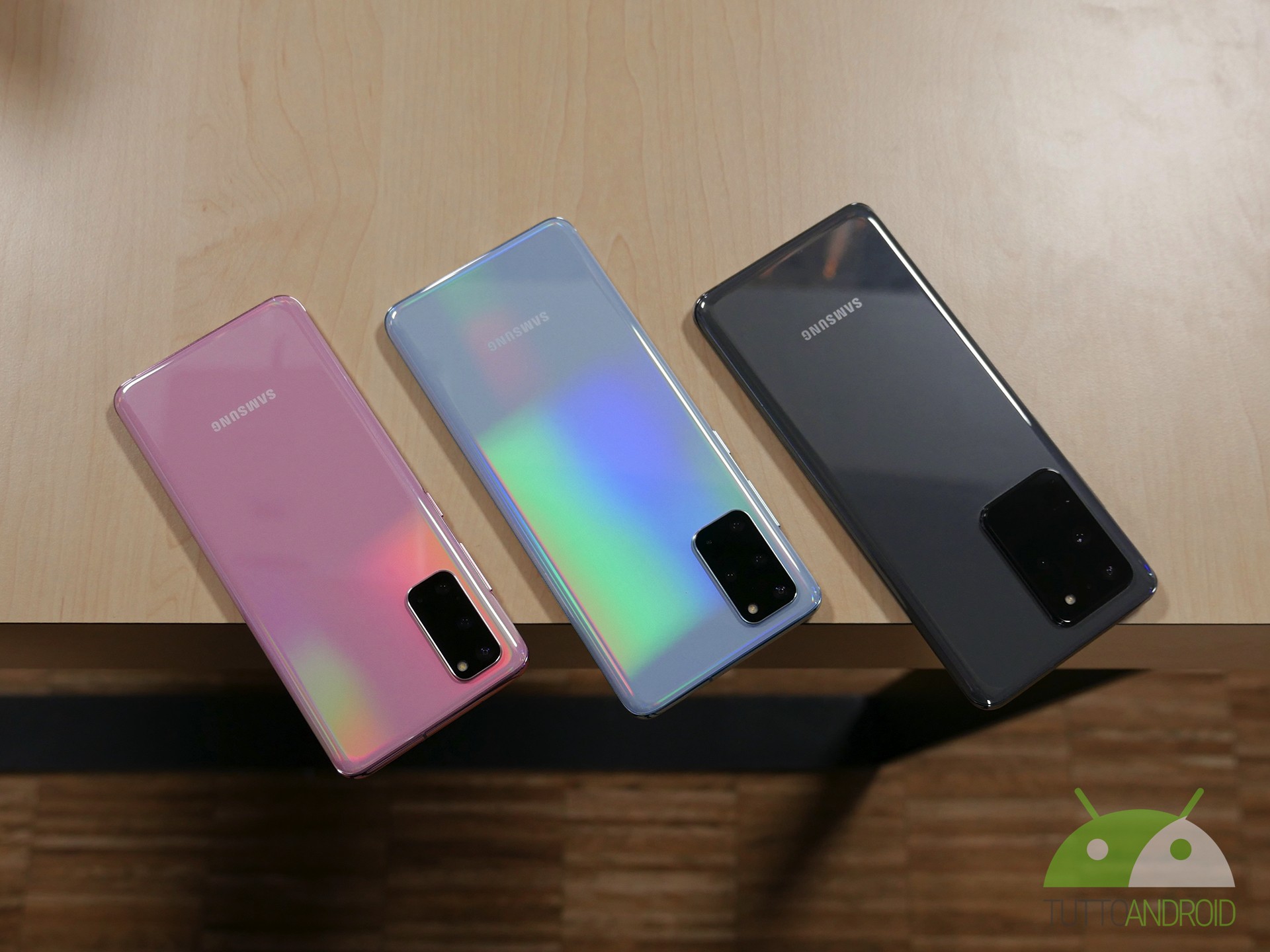
The Samsung Galaxy S20 officially released globally on March 6, 2020, following its formal unveiling at the Unpacked event on February 11, 2020. This flagship lineup marked a significant shift in Samsung's mobile naming conventions, hardware architecture, and camera technology, introducing the standard S20, the larger S20+, and the ultra-premium S20 Ultra to consumers worldwide.
The Samsung Galaxy S20 Launch Timeline and Key Dates
Understanding the rollout of a major flagship smartphone involves tracking several distinct milestones, from the initial industry rumors to the physical appearance of the device on retail shelves. Samsung announced the Galaxy S20 series during its Galaxy Unpacked event held in San Francisco, California. This event served as the global stage where the South Korean electronics giant detailed the specifications, pricing, and availability of its next-generation mobile devices.
Pre-Order Windows and Global Availability
Following the February 11 announcement, Samsung opened pre-orders for the Galaxy S20 lineup almost immediately in select regions, allowing early adopters to secure their devices ahead of the official shipment date.
- Announcement Date: February 11, 2020
- Pre-Order Period: February 21, 2020 – March 5, 2020
- Official Release Date: March 6, 2020 (Major markets including the United States, South Korea, and parts of Europe)
The staggered approach between announcement and release is standard industry practice for smartphone manufacturers. It allows carriers and retail partners to build inventory, manage logistical distribution, and coordinate marketing campaigns. By March 6, 2020, the devices were widely available through carrier stores, major electronics retailers, and Samsung's direct online storefront.
The Samsung Galaxy S20 Lineup Architecture
The 2020 release was notable because Samsung split the flagship tier into three distinct models, catering to different consumer preferences regarding screen size, battery capacity, and photographic capabilities. This divergence allowed the company to target users ranging from those seeking a compact, lightweight phone to power users demanding maximal specifications.
Samsung Galaxy S20 (Base Model)
The standard Galaxy S20 was designed for users who preferred a more pocket-friendly form factor without sacrificing core flagship performance. It featured a 6.2-inch Dynamic AMOLED 2X display with a 120Hz refresh rate, a notable upgrade from the 60Hz panels standard in previous generations.
Samsung Galaxy S20+
Bridging the gap between the compact base model and the massive ultra variant, the Galaxy S20+ offered a larger 6.7-inch display and a supplementary DepthVision camera sensor. It appealed to consumers who wanted more screen estate for media consumption and gaming alongside a slightly larger battery capacity.
Samsung Galaxy S20 Ultra
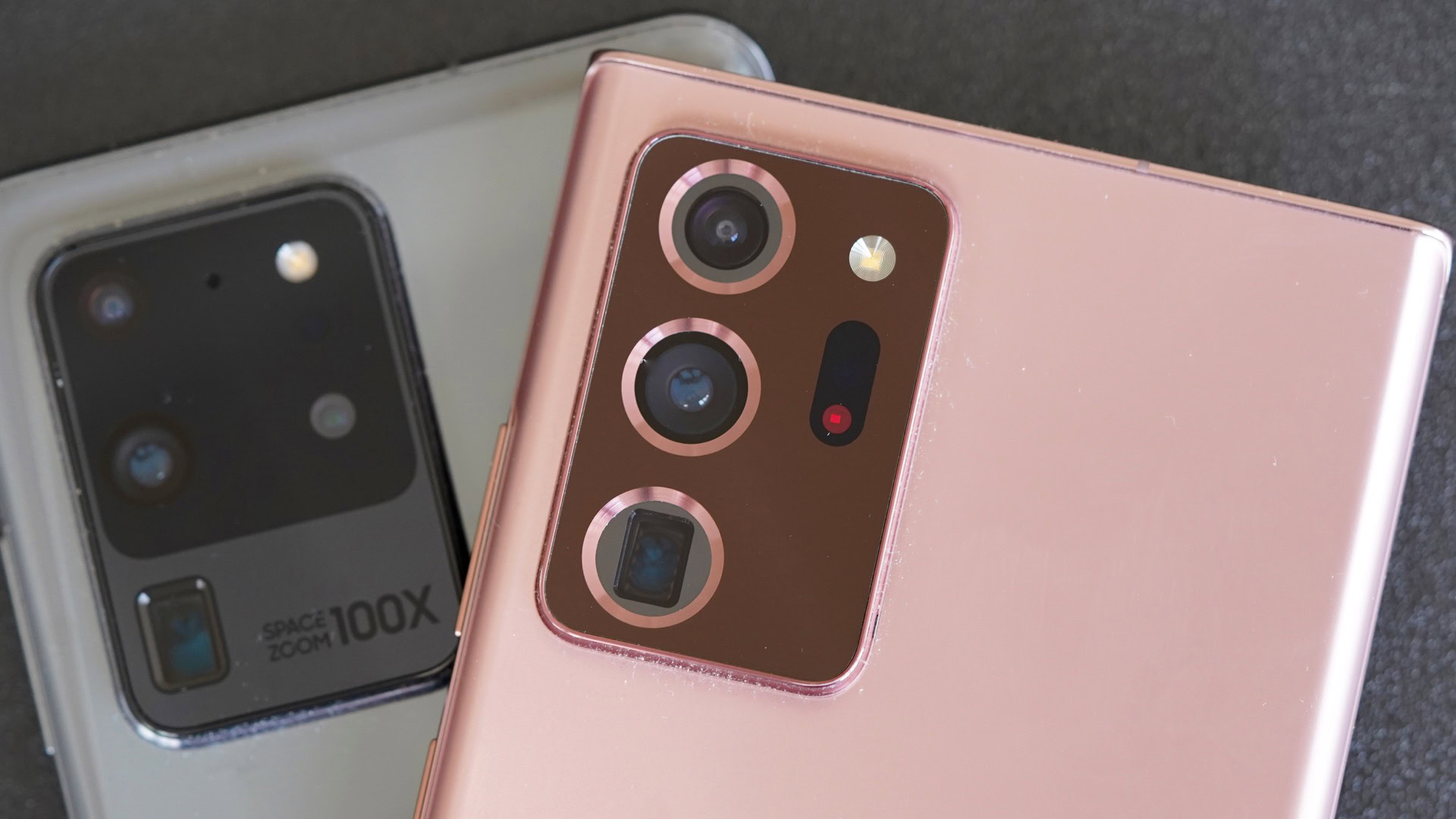
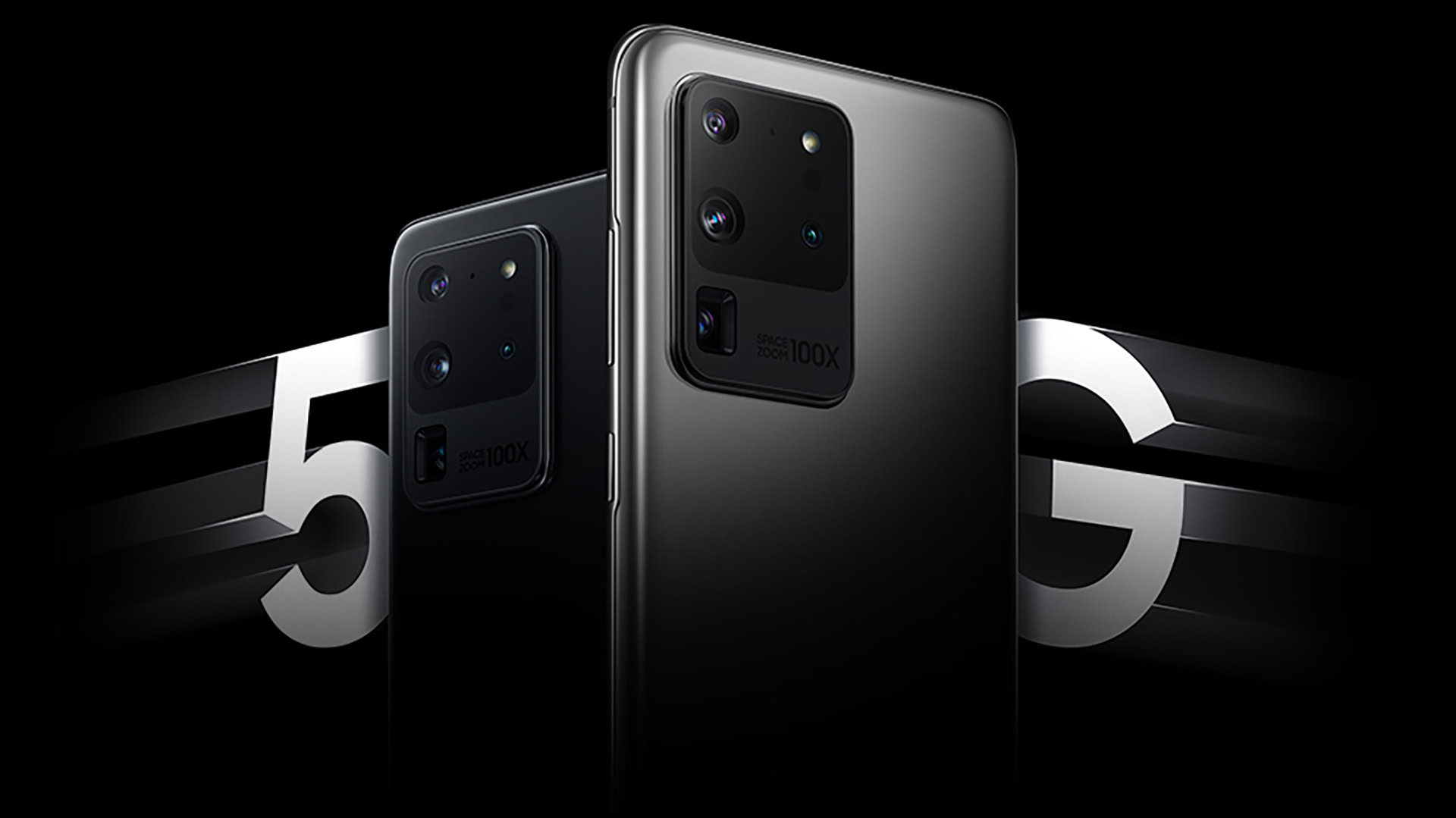
Positioned at the apex of the lineup, the Galaxy S20 Ultra was an unapologetic powerhouse. It featured a massive 6.9-inch display, a 5,000 mAh battery, and a headline-grabbing camera system anchored by a 108-megapixel main sensor and a periscope lens capable of up to 100x "Space Zoom."
Technical Specifications and Hardware Innovations
The 2020 release introduced several breakthrough technologies to the consumer market, setting new hardware benchmarks for Android smartphones. Beneath the exterior glass and aluminum chassis, Samsung integrated cutting-edge processors, high-refresh-rate displays, and robust connectivity features.
Display Technology and 120Hz Refresh Rates
One of the most praised advancements of the Galaxy S20 series was the adoption of 120Hz refresh rate technology on an AMOLED panel. Prior to 2020, most smartphones operated at 60Hz. Doubling the refresh rate resulted in noticeably smoother scrolling, more responsive touch interactions, and enhanced fluidity in supported mobile games and user interface animations. Users retained the option to drop back to 60Hz to conserve battery life, as running the display at 120Hz placed a heavier demand on the internal power cells.
Processing Power and 5G Integration
Depending on the geographical region, the Galaxy S20 series shipped with either Qualcomm’s Snapdragon 865 chipset or Samsung’s proprietary Exynos 990 processor. Crucially, the 2020 launch marked a pivotal industry transition toward widespread 5G adoption. Every model in the main S20 lineup in the United States included 5G capability out of the box, supporting sub-6GHz networks, with select models and carriers supporting ultra-fast mmWave bands.
| Model Name | Display Size | Battery Capacity | Primary Camera Setup | Initial Launch Price (US) |
|---|---|---|---|---|
| Galaxy S20 | 6.2 inches | 4,000 mAh | 12MP Wide, 64MP Telephoto, 12MP Ultra-Wide | $999.99 |
| Galaxy S20+ | 6.7 inches | 4,500 mAh | 12MP Wide, 64MP Telephoto, 12MP Ultra-Wide, DepthVision | $1,199.99 |
| Galaxy S20 Ultra | 6.9 inches | 5,000 mAh | 108MP Wide, 48MP Periscope Telephoto, 12MP Ultra-Wide, DepthVision | $1,399.99 |
Market Impact and Consumer Reception
The release of the Galaxy S20 in early 2020 occurred against a complex global backdrop, coinciding with the onset of the COVID-19 pandemic. Despite retail disruptions and economic uncertainty, the devices received generally positive reviews from technology critics for their display quality, performance speeds, and versatile camera systems. However, industry analysts noted that the high starting price points—ranging from $999 for the base model to $1,399 for the Ultra—faced consumer resistance in a contracting retail market, prompting Samsung to adjust its pricing strategy with subsequent releases like the Galaxy S20 FE (Fan Edition) later that year.
Frequently Asked Questions
Did all Samsung Galaxy S20 models support 5G connectivity upon release?
In the United States and most primary global markets, 5G capability was standard across the entire Galaxy S20 lineup. However, in certain international regions, Samsung released separate 4G LTE-only variants of the base S20 and S20+ alongside the 5G models to accommodate markets where 5G infrastructure had not yet rolled out.
What version of the Android operating system did the Galaxy S20 ship with?
The Galaxy S20 series launched running Android 10, layered with Samsung's custom One UI 2.1 interface. Samsung later provided major software updates, extending support through multiple Android version upgrades and security patches over the device's lifecycle.
How does the Galaxy S20 differ from the Galaxy S10 released in 2019?
The S20 introduced a complete design overhaul compared to the S10, notably removing the traditional curved display edges in favor of flatter panels, upgrading the screen refresh rate from 60Hz to 120Hz, introducing massive camera sensor upgrades, and making 5G connectivity a standard inclusion rather than a separate, specialized model tier.
Is the Samsung Galaxy S20 still receiving software updates?
As of 2026, the original Galaxy S20 lineup has reached the end of its official software support window from Samsung. While the devices remain operational for daily tasks, they no longer receive regular Android OS upgrades or monthly security patches.
What storage configurations were available at launch?
The base Galaxy S20 started with 128GB of internal storage paired with 8GB or 12GB of RAM depending on the 4G/5G variant. The S20+ and S20 Ultra offered up to 512GB of internal storage, and all three models featured a hybrid microSD card slot allowing storage expansion up to an additional 1TB.
Practical Next Steps for Owners and Collectors
For current owners of a Samsung Galaxy S20, understanding the 2020 release date highlights the device's age and hardware lifecycle status. Because official security updates have concluded, users considering continued operation should exercise caution with third-party application permissions and consider backing up data regularly. Those looking to upgrade from an S20 can explore newer generations of Samsung's Galaxy S series, which offer refined camera capabilities, updated processing chips, and extended software support timelines.