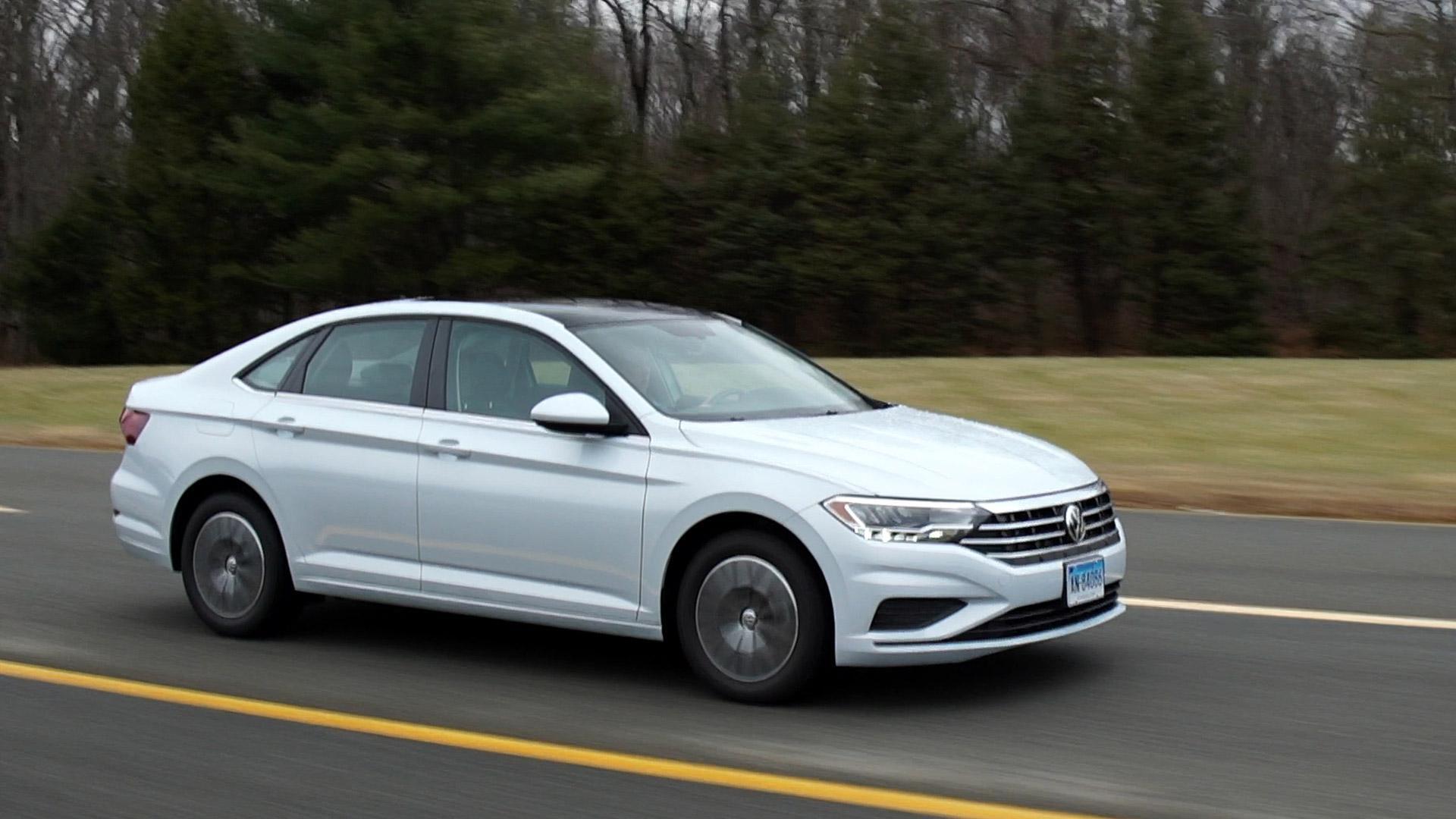
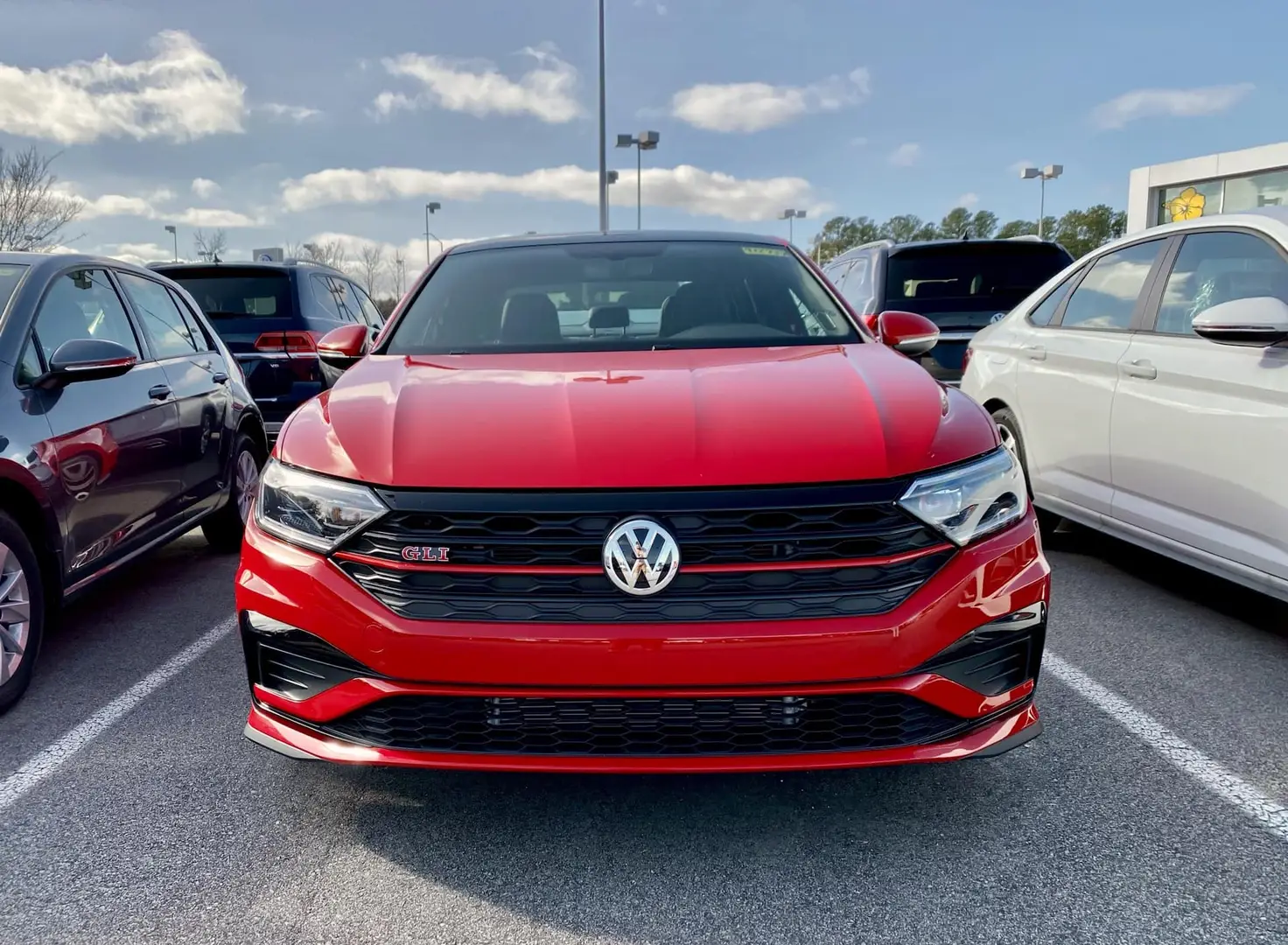
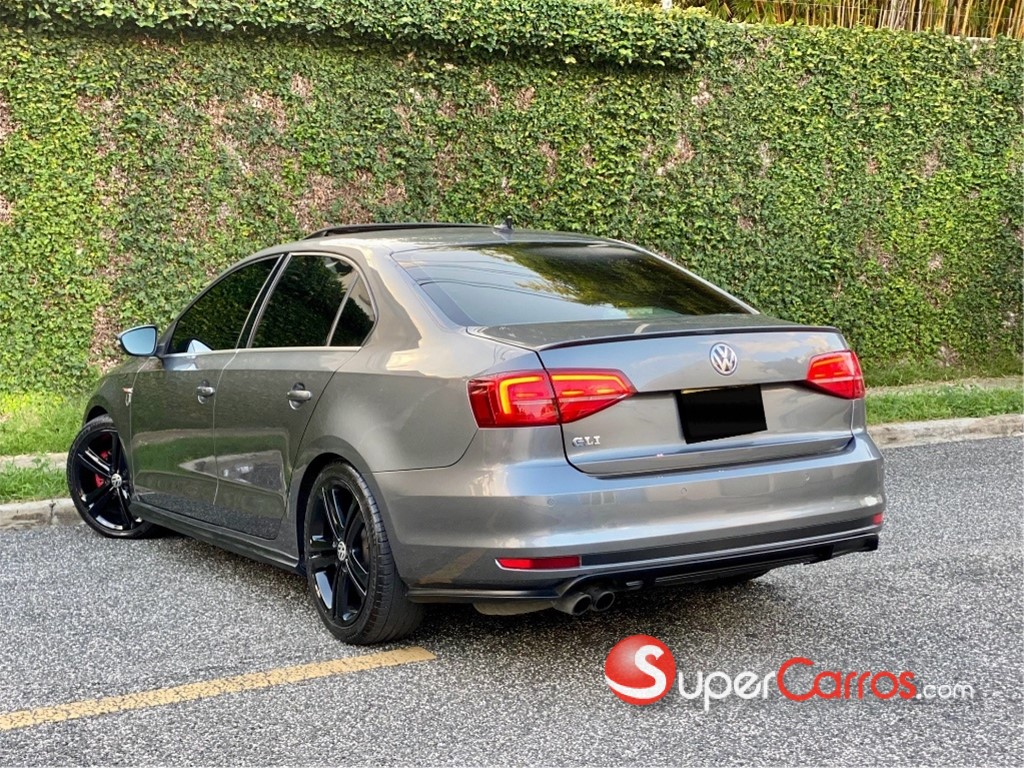
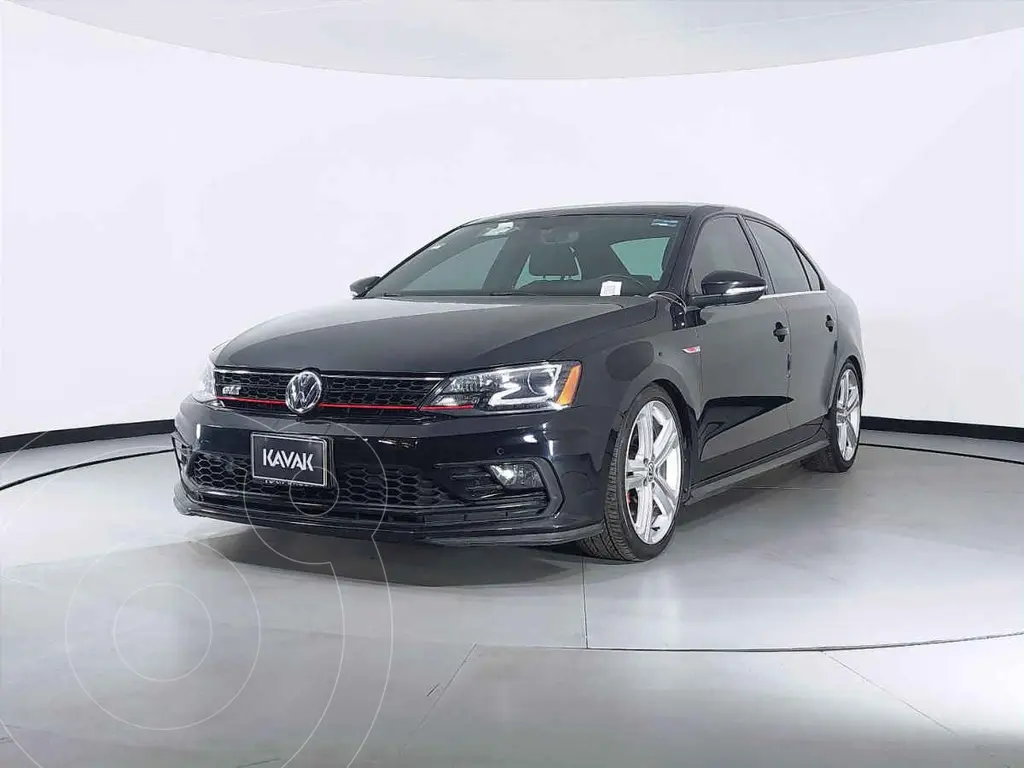
The 2017 Volkswagen Jetta GLI demonstrates strong long-term reliability thanks to its mature third-generation EA888 2.0L turbocharged engine, which corrected the severe timing chain tensioner and oil consumption flaws of earlier generations. While the powertrain is mechanically sound, ownership costs can rise due to plastic water pump housing leaks, carbon buildup on intake valves, and strict 40,000-mile fluid maintenance intervals for the dual-clutch DSG transmission.
Overview of the 2017 Jetta GLI: Engine, Drivetrain, and Mk6.5 Refinement
The 2017 model year marks the final production run of the sixth-generation (Mk6.5) Volkswagen Jetta GLI. Positioned as the sedan equivalent to the Golf GTI, the 2017 GLI combines everyday practical sedan proportions with a sport-tuned suspension, larger brakes, an electronic differential lock (XDS), and a performance-focused drivetrain.
Under the hood lies Volkswagen’s EA888 Gen 3 2.0-liter TSI turbocharged inline-four engine, outputting 210 horsepower and 207 lb-ft of torque. Power is routed to the front wheels via either a six-speed manual transmission or a six-speed Direct-Shift Gearbox (DSG) dual-clutch automatic transmission.
Because 2017 was the culmination of a platform introduced in 2011 and updated mid-cycle in 2015, Volkswagen resolved many of the early build quality and mechanical quirks that plagued earlier iterations of the Mk6 platform. By 2017, the trim lineup was streamlined into a single well-equipped tier (GLI SE/Autobahn variations were consolidated into the GLI edition featuring standard navigation, Blind Spot Monitor, Rear Cross-Traffic Alert, and Park Distance Control).
Understanding the reliability of a used 2017 Jetta GLI requires separating the core engine and transmission mechanicals from secondary auxiliary systems, such as cooling modules, emissions controls, and cabin electronics.
Core Powertrain Dependability: EA888 Gen 3 Engine Analysis
The primary concern for any prospective buyer inspecting a used European sports sedan is engine longevity. Earlier Volkswagen 2.0T engines (specifically the EA113 FSI and EA888 Gen 1/Gen 2 engines produced between 2008 and 2013) suffered notorious failures involving timing chain tensioners, excessive piston ring oil consumption, and cam follower wear.
The 2017 GLI features the EA888 Gen 3 engine, which underwent significant structural redesigns to eliminate these fundamental weaknesses:
- Updated Timing Chain & Tensioner: The Gen 3 engine uses a revised timing chain, updated guide rails, and a redesigned mechanical tensioner. Unlike pre-2013 models, the timing chain on a 2017 GLI generally lasts the operational lifetime of the vehicle, provided oil changes are performed consistently. Chain stretch can still occur at high mileages (over 120,000 miles), but catastrophic premature jumping of timing teeth is rare.
- Revised Piston Rings: The piston ring oil scraper design was altered to prevent carbon clogging, virtually eliminating the severe oil-burning habits that afflicted earlier TSI variants.
- Cylinder Head & Exhaust Manifold Integration: The exhaust manifold is integrated directly into the aluminum cylinder head and liquid-cooled. This design allows for faster engine warm-up, reducing cold-start wear and improving fuel thermal efficiency.
When maintained with synthetic oil meeting VW 502 00 / 504 00 specifications at reasonable intervals (every 5,000 to 7,500 miles), the EA888 Gen 3 engine easily reaches 150,000 to 200,000 miles without requiring major internal engine overhauls.
Transmission Durability: 6-Speed Manual vs. 6-Speed DSG
The overall reliability of a 2017 Jetta GLI is heavily influenced by the chosen transmission type. Both available gearboxes are capable of high mileage, but each has distinct maintenance demands and potential failure modes.
6-Speed Manual Transmission (MQ350)
The standard six-speed manual gearbox is mechanically simple and exceptionally robust. The gear sets and synchros handle stock engine torque without issue.
- Clutch Wear: The stock dual-mass flywheel and clutch assembly are designed for smooth engagement rather than high-torque launches. Drivers who aggressive launch the car or apply aftermarket engine tuning (Stage 1 ECU flashes) will rapidly slip the factory clutch.
- Maintenance: Beyond replacing the gear oil around 80,000 to 100,000 miles, the manual transmission requires minimal ongoing expense.
6-Speed DSG Dual-Clutch Automatic Transmission (DQ250)
The DQ250 wet-clutch six-speed DSG is widely recognized as one of the most durable dual-clutch transmissions on the market, but its longevity is entirely dependent on strict maintenance adherence.
- Service Requirement: The DQ250 relies on a specialized synthetic hydraulic fluid to operate its wet clutches and internal mechatronic control unit. Fluid and filter changes must occur every 40,000 miles. Skipping this service causes clutch material debris to contaminate the delicate solenoid valves inside the mechatronic unit.
- Common Failure Signs: A neglected DSG transmission will exhibit harsh shifting, delayed engagement when switching from Park to Drive, shuttering under low-speed acceleration, or erratic gear selection accompanied by a flashing gear indicator on the dash. A properly serviced DQ250 routinely lasts past 150,000 miles without mechanical failure.
Known Weak Spots and Common Failure Modes
While the 2017 Jetta GLI is mechanically sound, several high-probability maintenance and repair issues commonly arise as vehicles age toward and beyond 100,000 miles.
1. Thermostat Housing and Water Pump Assembly Leaks
The most frequent mechanical repair on the EA888 Gen 3 engine involves the cooling system. Volkswagen engineered the thermostat housing and water pump module out of composite plastic, mounted directly to the engine block under the intake manifold.
- The Issue: Heat cycling, engine vibration, and minor oil leaks from the upper timing cover can cause the plastic housing to warp, crack, or soften its rubber seals over time.
- Symptoms: Slow, mysterious coolant loss, a faint sweet coolant smell after driving, persistent low-coolant dash warnings, or visible pink coolant pooling on top of the lower skid tray.
- Resolution: Replacing the entire module—preferably with an updated revision or aftermarket unit featuring an aluminum housing—is required. Average repair costs range between $800 and $1,300, primarily due to the labor required to access the housing beneath the intake manifold.
2. Direct-Injection Intake Valve Carbon Buildup
North American market versions of the EA888 Gen 3 engine utilize Gasoline Direct Injection (GDI) without dual port injection.
- The Issue: Because fuel is sprayed directly into the combustion chamber rather than over the back of the intake valves, fuel detergent additives never wash over the intake valves. Oil vapor from the Positive Crankcase Ventilation (PCV) system bakes onto the hot intake valves, creating hard carbon deposits.
- Symptoms: Cold-start misfires, rough idle, reduced engine throttle response, diminished fuel economy, and random engine misfire codes (P0300, P0301-P0304).
- Resolution: Intake valves typically require physical cleaning every 60,000 to 80,000 miles. The standard industry procedure is walnut shell blasting, which involves removing the intake manifold and blasting the closed valves with crushed walnut media. This service typically costs between $400 and $700.
3. PCV Assembly Failure & Rear Main Seal Vulnerability
The Positive Crankcase Ventilation (PCV) valve system (often called the oil separator) sits on top of the valve cover.
- The Issue: The internal rubber diaphragm inside the PCV housing can tear over time, causing improper pressure regulation within the engine crankcase.
- Secondary Damage Risk: If a failed PCV valve creates excessive crankcase pressure or high vacuum, it can compromise the engine's lower rear main seal (the oil seal between the crankshaft and transmission). A blown rear main seal results in significant oil leaks and requires removing the transmission to fix (a $1,200 to $1,800 labor-intensive repair).
- Symptoms: Whistling or squeaking noises from the engine bay at idle, erratic oil consumption, rear main seal oil dripping, or codes related to lean running conditions (P0171).
4. Panoramic Sunroof Water Leaks
The 2017 GLI came equipped with a standard power sunroof. A widespread issue across the Mk6 Jetta chassis involves the sunroof drainage system.
- The Issue: The four rubber drain tubes located at the corners of the sunroof cassette can clog with leaves, dirt, and debris. Additionally, the factory spider-trap check valves at the ends of the drain lines can stick shut.
- Symptoms: Water pooling in the front footwells, wet headliners around the A-pillars, damp carpets, or unexplained electrical glitches caused by moisture corroding wire harnesses beneath the floorboards.
- Prevention: Clearing the drain tubes with a flexible line and trimming the end valves annually prevents cabin flooding.
2017 Jetta GLI Maintenance Schedule and Expected Costs
Maintaining a 2017 GLI requires adhering to a more stringent maintenance schedule than a standard non-turbocharged compact car. Using high-quality synthetic fluids and OEM-spec replacement parts is mandatory to prevent premature failures.
| Service Interval | Recommended Maintenance Item | Estimated Cost (US Dollars) | Technical Importance |
|---|---|---|---|
| Every 5,000 - 7,500 Miles | Engine Oil & Filter Change (VW 502 00 Spec 5W-40 or 0W-40) | $70 – $120 | Protects turbo bearings and timing chain from wear and oil breakdown. |
| Every 10,000 Miles | Tire Rotation & Inspection, Cabin Air Filter Replacement | $50 – $100 | Ensures even tire wear; maintains HVAC airflow across cabin filters. |
| Every 40,000 Miles | DSG Transmission Fluid & Filter Service (DSG models only) | $300 – $500 | Critical for longevity of hydraulic solenoids and wet-clutch packs. |
| Every 40,000 Miles | Spark Plug Replacement & Brake Fluid Flush | $200 – $350 | Prevents ignition misfires under turbo boost; removes moisture from brake lines. |
| Every 60,000 - 80,000 Miles | Intake Valve Carbon Cleaning (Walnut Blasting) | $400 – $700 | Restores lost performance, smooths rough idles, and resolves cold-start misfires. |
| As Needed (80k-120k Miles) | Thermostat Housing / Water Pump Replacement | $800 – $1,300 | Prevents catastrophic engine overheating caused by plastic housing leaks. |
| As Needed (80k-100k Miles) | PCV Valve / Oil Separator Assembly Replacement | $150 – $250 | Prevents crankcase over-pressurization and protects the rear main seal. |
Recalls and Safety Bulletins
Before purchasing a used 2017 Jetta GLI, verify through the National Highway Traffic Safety Administration (NHTSA) or an authorized Volkswagen dealership that all safety recalls have been completed. The 2017 model year benefits from having far fewer safety recalls than earlier 2011–2014 models, but key campaigns affect specific VIN ranges:
- Suction Jet Pump Recall (NHTSA Campaign Number: 24V110000): In certain 2015–2020 VW models equipped with front-wheel drive, the suction jet pump inside the fuel tank (designed to purge fuel vapor from the EVAP canister) can fail due to seal degradation. This allows fuel to flow directly into the EVAP system, potentially leading to fuel leakage from the charcoal canister or refueling shutoff issues. Dealerships replace the suction pump free of charge.
- Clock Spring Replacement (Extended Warranty Coverage): While primarily affecting earlier production years, steering wheel clock springs across the Mk6 platform can fail over high mileages due to debris entering the steering hub. A failed clock spring illuminates the Airbag warning light and deactivates steering-wheel-mounted controls and horn functions.
- Key Removal / Shift Lever Microswitch: Certain automatic vehicles experienced a worn microswitch on the shift lever module, which could falsely alert the car that the shift lever was not in "Park," preventing key removal or triggering a instrument cluster warning.
Pre-Purchase Inspection (PPI) Checklist for Used Buyers
When evaluating a used 2017 Jetta GLI, a thorough physical examination and diagnostic scan are critical. Follow this checklist prior to finalizing a purchase:
- Diagnostic Fault Scan: Connect a Volkswagen-specific diagnostic tool (such as VCDS or OBDeleven) rather than a generic OBD-II scanner. Check for stored pending misfire codes (P0300 series), soft codes for low fuel pressure, or transmission temperature/solenoid faults.
- Coolant Housing Inspection: Shine a flashlight down the front-left side of the engine block beneath the intake manifold. Look for dried pink residue (G12/G13 coolant) or wet liquid pooled on lower engine covers.
- DSG Service Records: Demand verifiable documentation of DSG fluid changes performed every 40,000 miles. If the vehicle has 90,000 miles and no record of a single DSG fluid change, walk away or budget immediately for transmission maintenance.
- Sunroof & Interior Moisture Check: Inspect carpet footwells (front and rear) for moisture or mildew smells. Inspect the headliner corners around the A-pillars for water staining.
- Cold-Start Idle Quality: Start the engine cold. Listen for loud metallic rattling from the timing chain cover area (indicative of chain stretch or failing tensioner), severe idle stumbling, or excessive exhaust smoke.
- Aftermarket Modifications: Check whether the ECU has been flashed with performance tuning software. Tuned vehicles place higher thermal and mechanical stress on the turbocharger, factory clutch (on manuals), ignition coils, and engine mounts.
- Underbody Leak Check: Check the seam between the engine block and transmission bellhousing for engine oil leaks, which indicates a failing or blown rear main seal.
Verdict: Is a Used 2017 Jetta GLI Worth Buying?
The 2017 Volkswagen Jetta GLI is one of the most reliable performance compact sedans in its price bracket, provided buyers understand that it requires European-car maintenance standards rather than Japanese-car neglect.
By eliminating the catastrophic engine flaws of early EA888 generations, the 2017 model offers an excellent balance of sharp handling, strong low-end torque, refined interior ergonomics, and daily utility. Its overall mechanical reliability outperforms earlier 2012–2014 GLI models and stands up well against rivals like the Honda Civic Si and Hyundai Elantra Sport of the same era.
To ensure trouble-free ownership, prioritize examples with complete service records, factory stock tunes, verified DSG services, and no signs of cooling system leaks.
Frequently Asked Questions
How many miles can a 2017 Jetta GLI last?
With strict adherence to oil change schedules (every 5,000–7,500 miles), DSG service intervals, and timely replacement of wear items like the water pump and PCV valve, a 2017 Jetta GLI can comfortably exceed 150,000 to 200,000 miles without major engine or transmission failure.
Does the 2017 Jetta GLI have timing chain problems?
No. The 2017 GLI features the updated Gen 3 EA888 engine, which uses a redesigned timing chain, updated guide rails, and a robust mechanical tensioner. Unlike 2008–2012 Volkswagen 2.0T engines, catastrophic premature timing chain tensioner failure is not a common issue on the 2017 model.
Is maintenance expensive on a 2017 Jetta GLI?
Maintenance costs are higher than standard economy compacts (such as a base Corolla or Civic) due to specialized fluid requirements, European diagnostic protocols, and direct-injection service needs. Expect annual maintenance and repair costs to average $700 to $1,100, with larger bills occurring around major service intervals (e.g., DSG fluid changes at 40k miles and carbon cleaning at 80k miles).
Is the 6-speed manual or DSG automatic more reliable on the 2017 GLI?
Both gearboxes are mechanically durable. The manual transmission (MQ350) is simpler and cheaper to maintain long-term, though the clutch may wear quickly if subjected to aggressive driving or ECU performance tunes. The DSG automatic (DQ250) offers faster shifts and excellent durability, but requires mandatory $300–$500 fluid services every 40,000 miles to remain trouble-free.
How do I know if the intake valves need carbon cleaning?
Signs of heavy carbon buildup include rough cold idling, engine stumbling during acceleration before the car reaches operating temperature, reduced fuel economy, and engine misfire fault codes (P0300 through P0304) stored in the engine control module. Most cars require walnut blasting cleaning around 60,000 to 80,000 miles.