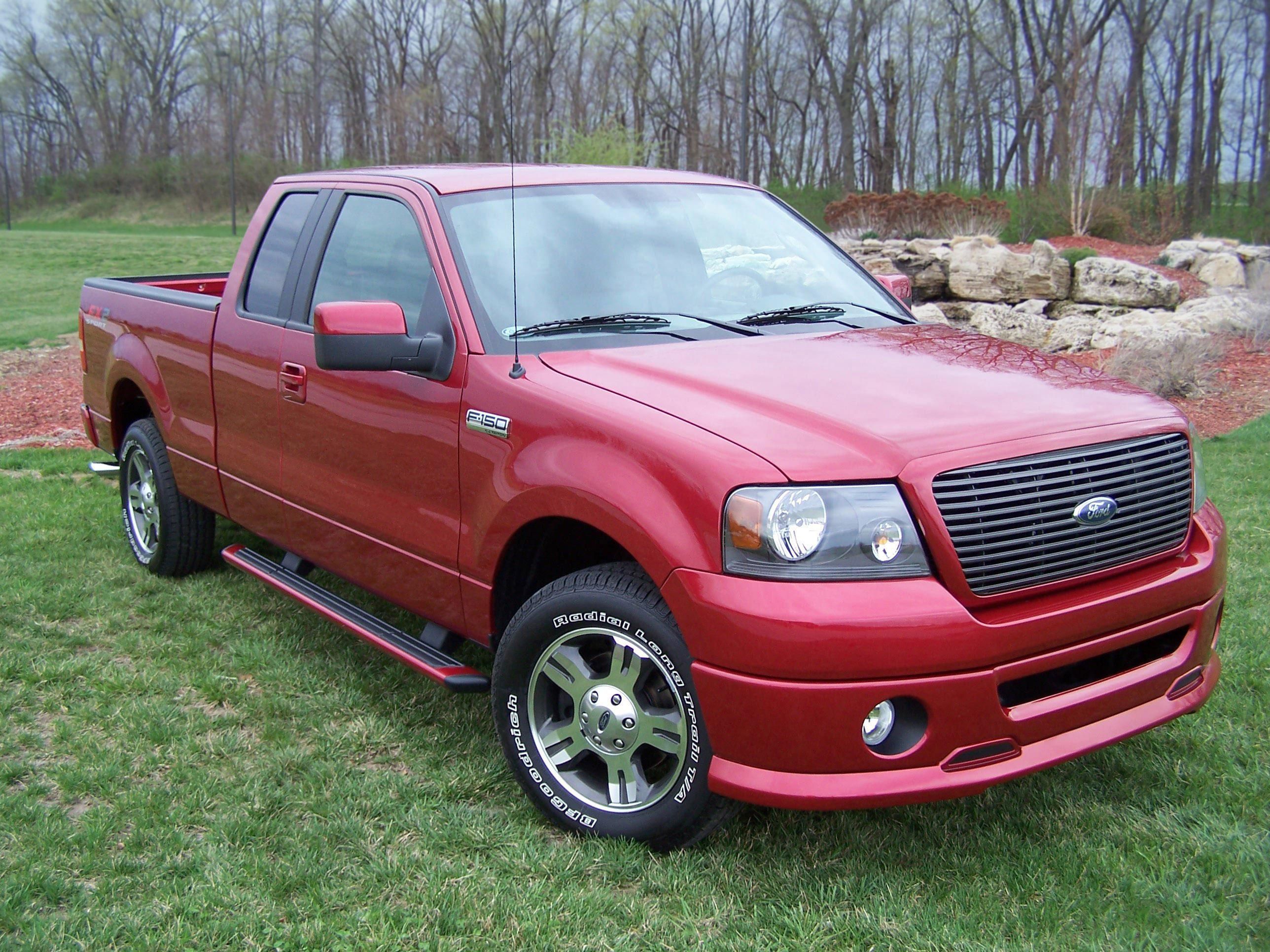
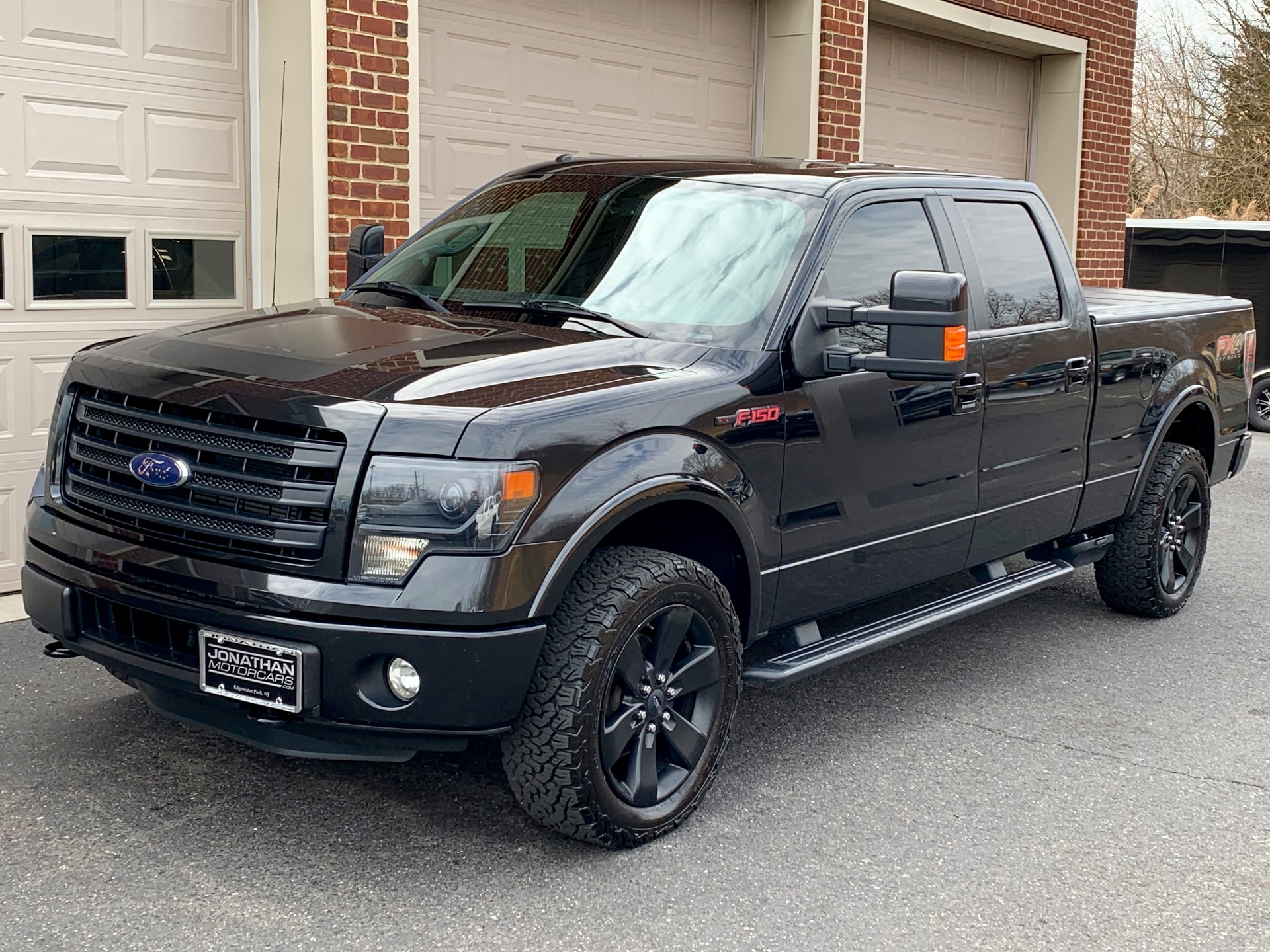
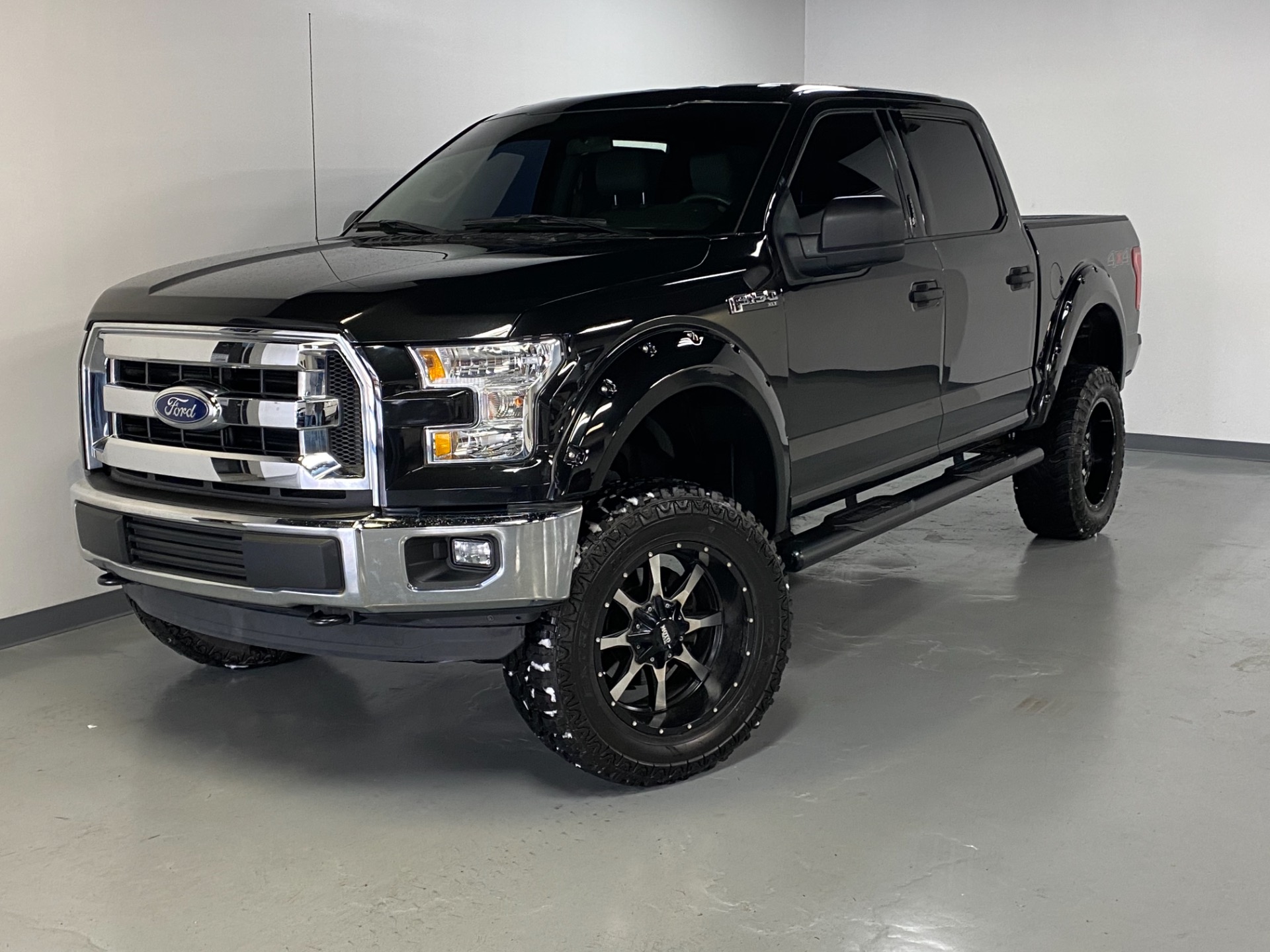
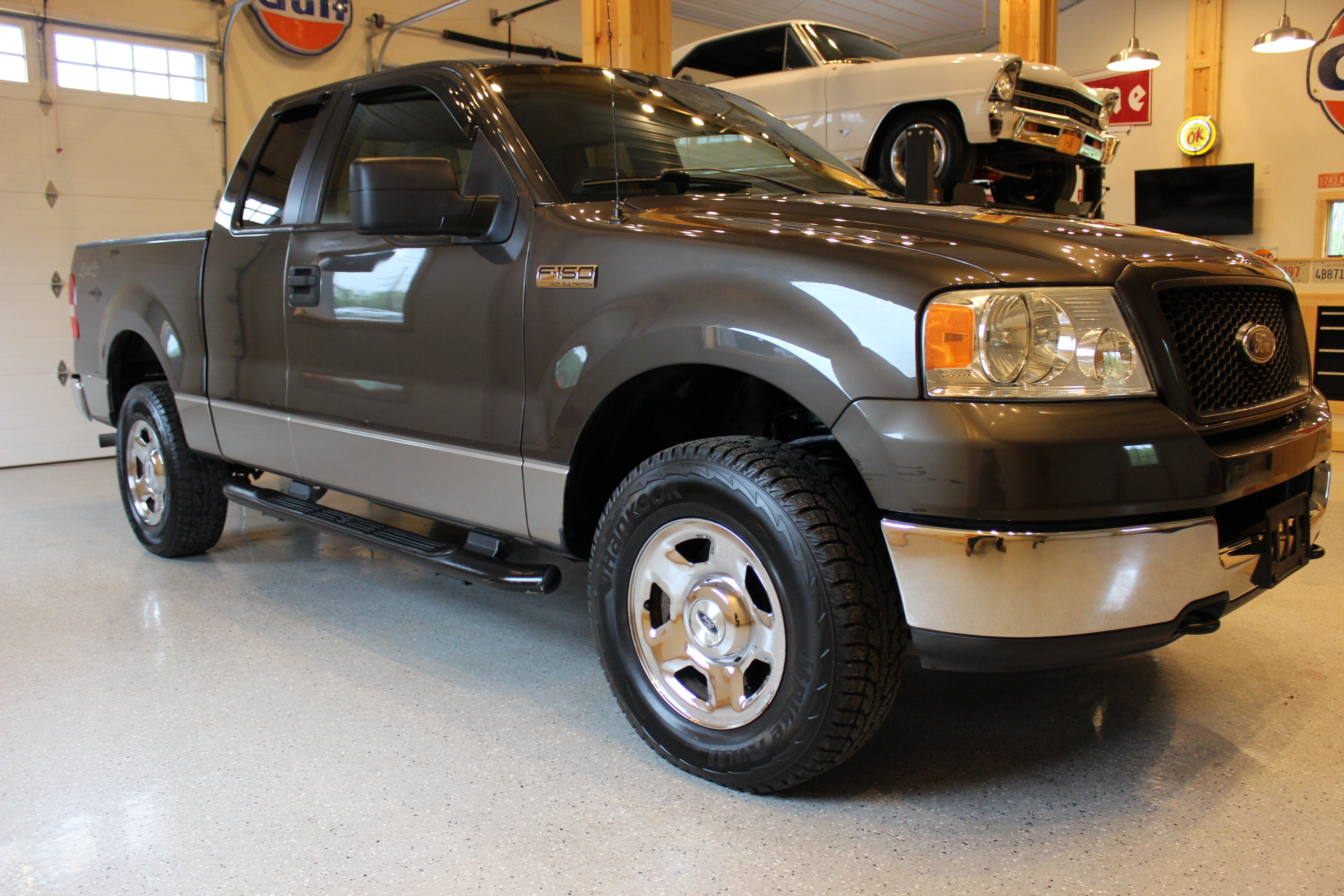
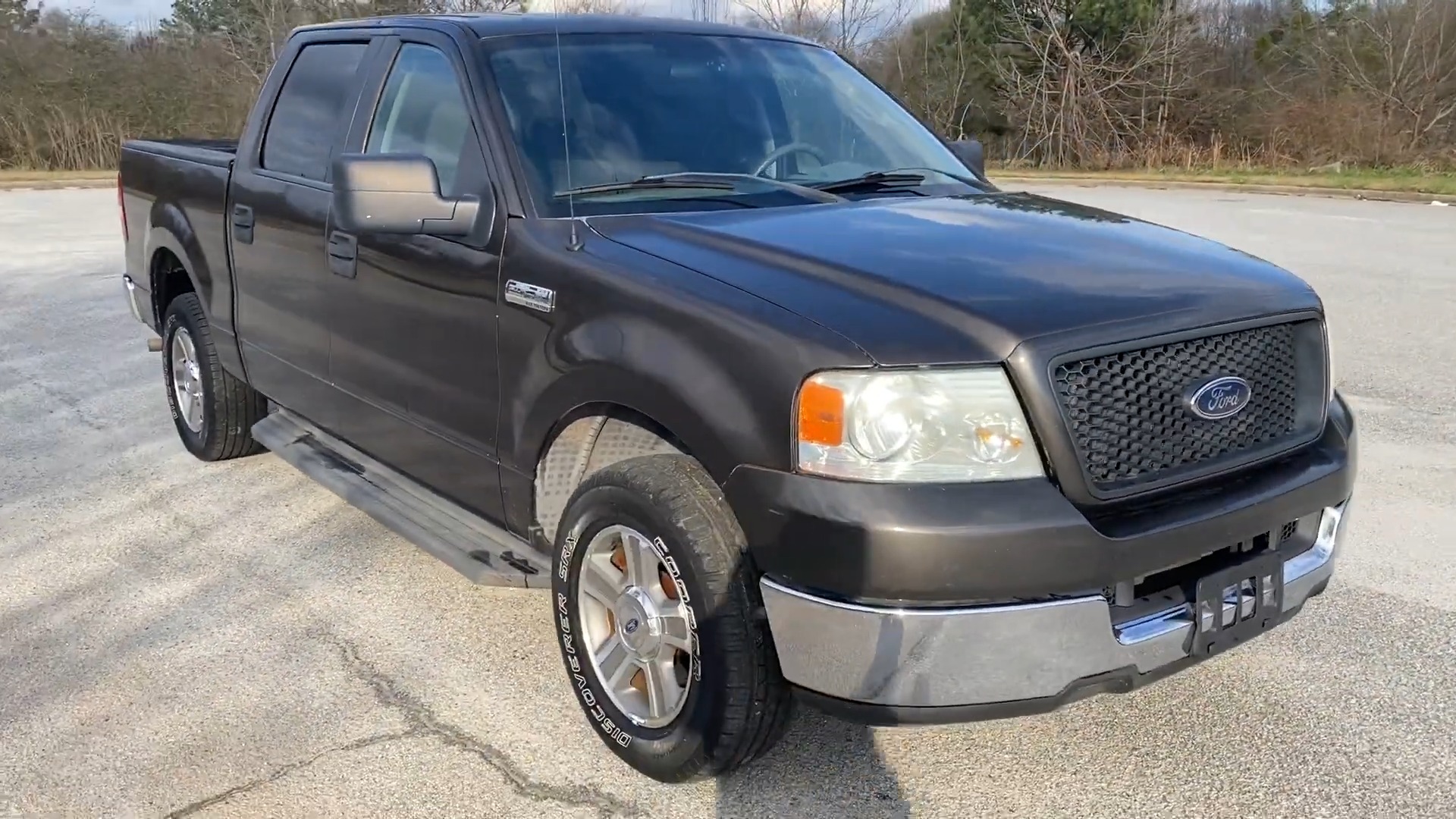
The 2005 black Ford F-150 represents a pivotal generation for America's best-selling pickup truck, introducing a fully redesigned boxed frame, improved ride comfort, and the iconic tuxedo-style black exterior finish that remains a favorite among truck enthusiasts and used-vehicle buyers alike.
Introduction to the Eleventh Generation Ford F-150
The year 2005 marked the second year of the eleventh-generation Ford F-150, a vehicle that fundamentally transformed the full-size pickup truck market. Having undergone a complete ground-up redesign for the 2004 model year, the 2005 F-150 carried over these monumental structural and mechanical upgrades while refining minor production details. For buyers specifically seeking a 2005 black Ford F-150, this era delivers a distinctive combination of rugged utility, aggressive styling, and a commanding road presence.
When coated in factory black paint—whether the deep gloss Shadow Black (also known as UA clearcoat) or a custom metallic flake—the eleventh-generation body lines look particularly striking. The slab-sided doors, pronounced wheel arches, and prominent chrome or blacked-out grilles give the truck a timeless aesthetic. However, purchasing or maintaining a two-decade-old vehicle requires a thorough understanding of its technical specifications, trim hierarchy, mechanical strengths, and notable weak points. This guide provides a comprehensive breakdown of what to expect from a 2005 black Ford F-150, helping current owners and prospective buyers navigate everything from engine choices to common maintenance hurdles.
Technical Specifications and Powertrain Options
Underneath the muscular exterior, the 2005 Ford F-150 offered a completely redesigned hydroformed fully boxed frame that significantly increased torsional rigidity over the previous tenth generation. This structural upgrade improved crash test ratings, reduced cab vibration, and allowed for higher towing and payload capacities.
Buyers of the 2005 model could choose between three distinct V8 engine configurations, as the previous base V6 engine from 2004 was dropped for this model year, making V8 power standard across the lineup.
Engine Lineup Breakdown
- 4.2L V6 (Note on availability): While some early planning documents referenced smaller displacement options, the 2005 model year officially launched with the 4.2-liter Essex V6 only briefly in select base commercial configurations before transitioning heavily to V8 dominance, though the 4.6L and 5.4L units defined the vast majority of the fleet.
- 4.6L Modular V8: Generating 231 horsepower and 293 lb-ft of torque, this single overhead cam (SOHC) engine is widely regarded by mechanics as a dependable, long-lasting workhorse. It may lack the heavy towing grunt of its larger sibling, but it avoids many of the complex valvetrain issues associated with the 5.4L.
- 5.4L Triton 3-Valve V8: Producing 300 horsepower and 365 lb-ft of torque, this engine was the flagship powerplant for the 2005 F-150. It provided exceptional towing capacity—up to 9,500 pounds when properly equipped—but requires meticulous maintenance regarding its oil system and spark plugs.
Transmission and Drivetrain Configurations
Power is routed through either a 4-speed automatic transmission (4R70E/4R75E) mated to the 4.6L engine or a heavier-duty 4-speed automatic (4R75W) paired with the 5.4L V8. Buyers could select between rear-wheel drive (2WD) and electronic shift-on-the-fly four-wheel drive (4WD). The 4WD systems feature a robust transfer case capable of handling harsh winter conditions and light off-roading with ease.
| Engine Option | Horsepower | Torque | Transmission | Max Towing Capacity |
|---|---|---|---|---|
| 4.6L SOHC V8 | 231 hp @ 4,750 rpm | 293 lb-ft @ 3,500 rpm | 4-speed automatic | Up to 7,200 lbs |
| 5.4L Triton 3V V8 | 300 hp @ 5,000 rpm | 365 lb-ft @ 3,750 rpm | 4-speed automatic | Up to 9,500 lbs |
Trim Levels and Cab Configurations
The eleventh-generation F-150 introduced a sprawling hierarchy of trim levels, allowing buyers to configure everything from a basic utilitarian work truck to a luxurious leather-appointed cruiser. When searching for a black exterior finish, certain trims—particularly the Lariat and FX4—accentuate the dark paint with contrasting chrome, body-colored cladding, or brushed aluminum accents.
XL and STX
Serving as the entry-level configurations, the XL and STX were typically ordered by fleets or budget-conscious buyers. They featured vinyl or heavy-duty cloth bench seats, black molded plastic bumpers, and manual windows on the base XL. However, finding a black XL or STX gives the truck a classic, stealthy "ghost work truck" appearance that appeals to customizers.
XLT
The volume-selling XLT struck a balance between utility and comfort. It added power windows and locks, air conditioning, upgraded cloth seating, and chrome bumpers. Many black XLT models were ordered with aluminum wheels and privacy glass, significantly enhancing the curb appeal over base models.
FX4
The FX4 was engineered for off-road enthusiasts and buyers seeking an aggressive stance. Outfitted with skid plates, Rancho-tuned shock absorbers, a limited-slip rear differential, and unique 18-inch aluminum wheels, a black FX4 stands out with its signature red-badged shocks and dark grey lower body accent panels (or solid black paint depending on the specific monochrome package ordered).
Lariat and King Ranch
At the pinnacle of luxury, the Lariat featured premium leather bucket seats, wood-grain interior trim, automatic climate control, and electronic message centers. The King Ranch edition brought premium Saddle-grade leather interior appointments. A black Lariat with chrome running boards and chrome wheels remains one of the most visually striking configurations of this model year.
Common Mechanical Issues and Known Failure Points
Owning or purchasing a 2005 black Ford F-150 requires a proactive approach to maintenance. While the eleventh-generation truck features a robust frame and durable suspension components, certain mechanical quirks are well-documented across automotive forums and service bulletins.
5.4L Triton Spark Plug Breakage
One of the most infamous issues with the 3-valve 5.4L V8 engine involves the original two-piece design of the spark plugs. The lower metal shield of the plug tends to carbon-caking and breaks off inside the aluminum cylinder head during removal. Mechanics must use a specialized extraction tool to clear the broken fragment. When servicing a 2005 F-150 with this engine, verify whether updated one-piece aftermarket spark plugs have already been installed.
Cam Phaser Noise and Timing Chain Guides
The 5.4L 3V engine utilizes hydraulic camshaft phasers to optimize valve timing. Over time, low oil pressure, infrequent oil changes, or worn plastic timing chain guides can cause a distinct "diesel-like" ticking or knocking noise at idle. Ignoring this issue can lead to catastrophic engine failure if the timing chain jumps a tooth.
Exhaust Manifold Leaks
Both the 4.6L and 5.4L engines are prone to warping exhaust manifolds or shearing the rear manifold studs. This results in an audible ticking sound upon a cold start that typically quiets down as the engine warms up and the metal expands. Replacing the gaskets and studs is a labor-intensive job due to tight engine bay clearances.
Power Window Regulators
A common convenience issue across all eleventh-generation F-150s is the premature failure of the power window regulators. Plastic clips within the door panel mechanism frequently snap, causing the glass to drop or bind inside the door. Replacements are inexpensive and readily available, making this a straightforward DIY repair.
Maintaining and Detailing a Black Exterior
A black Ford F-150 looks immaculate when freshly washed, but maintaining that showroom-quality shine requires dedicated care. Black paint acts as a magnifying glass for swirl marks, micro-scratches, tree sap, and road dust.
Paint Care Best Practices
- Two-Bucket Wash Method: Always wash the truck using the two-bucket method with grit guards to prevent loose dirt from scratching the clearcoat.
- Microfiber Towels: Use plush, high-GSM microfiber drying towels rather than traditional chamois or cotton cloths to avoid inducing swirl marks.
- Paint Correction: Because the factory clearcoat on 2005 F-150s is moderately hard, removing age-related oxidation and wash marring typically requires a dual-action polisher paired with a medium-cut compound and a finishing polish.
- Protection: Apply a quality ceramic coating or synthetic sealant after polishing to shield the black paint from ultraviolet (UV) degradation and acid rain.
Frequently Asked Questions
What is the towing capacity of a 2005 black Ford F-150?
The towing capacity ranges from 5,000 pounds up to 9,500 pounds. The exact rating depends heavily on the engine choice (4.6L vs. 5.4L), cab style (Regular Cab, SuperCab, SuperCrew), drivetrain (2WD vs. 4WD), and rear axle ratio. Checking the door jamb sticker for the specific Gross Combined Weight Rating (GCWR) is essential for accurate towing calculations.
Did the 2005 Ford F-150 come with a manual transmission?
No. The eleventh-generation F-150 eliminated manual transmissions entirely. All 2005 models are equipped with electronically controlled automatic transmissions featuring overdrive.
How do I know if my 2005 F-150 has the 4.6L or 5.4L engine?
You can identify the engine by checking the vehicle emission control information sticker under the hood or by looking at the eighth digit of the Vehicle Identification Number (VIN). If the eighth digit is "W", the truck features the 4.6L V8. If the eighth digit is "5", it is equipped with the 5.4L Triton V8.
Are eleventh-generation F-150 frames prone to rusting?
While the fully boxed frame is structurally superior to previous open C-channel frames, salt-belt vehicles can trap moisture and road debris along the inner crossmembers and near the rear leaf spring shackles. Thoroughly inspecting the frame rails for rust perforation is critical when evaluating a used model.
What type of oil should be used in a 2005 Ford F-150 V8?
Ford originally specified 5W-20 motor oil for both the 4.6L and 5.4L engines in this model year. Maintaining correct oil viscosity and clean filters is vital for the proper operation of the variable valve timing system on the 5.4L engine.
Final Recommendations for Buyers and Owners
Securing or maintaining a 2005 black Ford F-150 comes with distinct rewards and responsibilities. For prospective buyers, prioritize vehicles with documented service histories, verified timing component health, and clean frames free of structural corrosion. For current owners, adhering to strict 3,000-to-5,000-mile oil change intervals will safeguard the longevity of the Triton V8 engine and preserve the mechanical integrity of this classic modern truck.