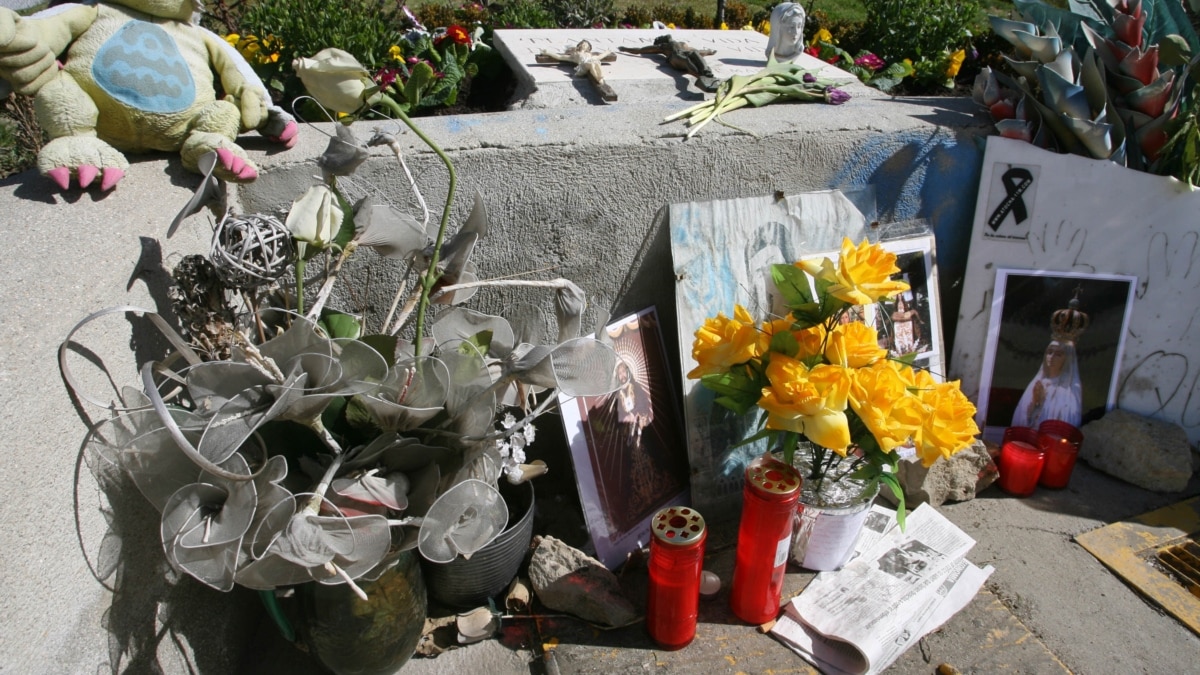
The 2004 Madrid train bombings occurred on March 11, 2004, when a series of coordinated, almost simultaneous bomb blasts struck the Cercanías commuter train system in Madrid, Spain, during the morning rush hour.
Introduction to the March 11 Attacks
The 2004 Madrid train bombings stand as one of the deadliest terrorist attacks in modern European history. To understand when these tragic events unfolded, it is essential to look at the exact start date, the chronology of that fateful morning, and the broader historical timeline that defines the incident. Often referred to in Spain as 11-M, the attacks shattered the capital city and left an indelible mark on European security, domestic politics, and international counter-terrorism policy.
While terrorism studies and historical archives frequently reference the broad span of the conspiracy, the operational start date of the tragedy itself is definitively March 11, 2004. On this day, multiple improvised explosive devices (IEDs) detonated across four commuter trains within a brief window of time. Establishing this exact start date is crucial for historical accuracy, legal documentation, and understanding the subsequent investigations that reshaped Spain's national security framework.
Chronology of March 11, 2004: The Sequence of Events
The events of March 11, 2004, began in the early morning hours, unfolding rapidly across multiple railway stations and transit lines in Madrid. The coordination of the attacks required meticulous planning, but the physical start of the disaster occurred shortly after 7:30 AM local time.
The commuter network was operating at peak capacity, carrying workers, students, and travelers into the heart of Madrid. The explosive devices had been concealed in backpacks placed inside passenger carriages. Below is a structured timeline of the initial detonations that marked the start of the crisis:
- 07:37 AM (Atocha Station): Three bombs exploded aboard a train (Train No. 21431) stationed at or approaching Atocha, Madrid's primary railway hub.
- 07:38 AM (Téllez Street): Two bombs detonated on a train (Train No. 17305) approximately 500 meters from Atocha station, along Téllez street.
- 07:38 AM (El Pozo del Tío Raimundo Station): Two bombs exploded on a train (Train No. 21713) stopped at the El Pozo station in southeastern Madrid.
- 07:39 AM (Santa Eugenia Station): One bomb exploded on a train (Train No. 21723) at the Santa Eugenia station.
Within roughly three minutes, ten bombs detonated across four trains. Later that morning, security forces located unexploded devices and controlled detonations were carried out, bringing the total number of identified bombs to ten active explosions and several neutralized devices. The immediate aftermath marked the beginning of massive rescue operations, emergency medical responses, and national mobilization.
Historical Timeline and Investigation Milestones
Understanding the start date of the bombings requires looking beyond the single morning of March 11 to the immediate aftermath and the long-term judicial and political fallout. The investigation moved rapidly as authorities pieced together forensic evidence, recovered unexploded ordnance, and traced communication devices used by the perpetrators.
| Date / Period | Key Historical Event / Milestone |
|---|---|
| March 11, 2004 | Coordinated bomb blasts strike four commuter trains in Madrid, killing 191 people and injuring over 1,800. |
| March 12–14, 2004 | Massive public demonstrations occur across Spain; early political friction arises regarding the identity of the perpetrators. |
| March 14, 2004 | General elections are held in Spain; the Spanish Socialist Workers' Party (PSOE), led by José Luis Rodríguez Zapatero, wins the election. |
| March 15, 2004 onward | Police investigations uncover ties to radical Islamist extremist cells inspired by al-Qaeda, alongside domestic criminal elements. |
| April 3, 2004 | Several key suspects blow themselves up in a Leganés apartment during a police raid, killing a tactical police officer. |
| February–July 2007 | The major judicial trial takes place in Madrid, resulting in convictions for multiple defendants linked to the plot. |
Geopolitical and Domestic Repercussions
The start date of March 11, 2004, initiated profound changes within Spanish politics and European counter-terrorism policy. Politically, the timing of the attacks—occurring just three days before Spain's general election—heavily influenced the electoral outcome. Initial government attribution of the bombing to the Basque separatist group ETA faced swift skepticism and public backlash as evidence pointed toward radical Islamist terrorism, leading to accusations of governmental misinformation.
The incoming administration fulfilled campaign promises by withdrawing Spanish troops from the United States-led coalition in Iraq, altering Spain's foreign policy stance. Domestically, the tragedy catalyzed legislative reforms aimed at improving intelligence sharing, border security, and surveillance of extremist networks across the European Union.
Frequently Asked Questions
What is the exact start date of the 2004 Madrid train bombings?
The exact start date of the bombings is March 11, 2004. The coordinated attacks began at approximately 7:37 AM local time when the first explosive devices detonated aboard commuter trains entering and operating within the Madrid rail network.
Why are the attacks often referred to as 11-M?
In Spanish media, official reports, and public discourse, the attacks are frequently designated as 11-M. This naming convention follows the European date format (day/month), representing the 11th day of March.
How many people were killed in the March 11 attacks?
The official death toll from the coordinated blasts stands at 191 victims, with more than 1,800 people sustaining various injuries. This makes it the deadliest terrorist attack in modern Spanish history.
Who was responsible for the 2004 Madrid train bombings?
Subsequent judicial investigations and the 2007 trial established that the attacks were carried out by a local cell of radical Islamist extremists inspired by al-Qaeda, though local criminals also supplied the dynamite used in the IEDs.
What long-term impacts did the start date of March 11 have on Spain?
The immediate political fallout influenced the March 14, 2004 general election, led to the withdrawal of Spanish military forces from Iraq, and permanently transformed Spain's national security, intelligence coordination, and railway security protocols.
Next Actions and Further Research
For researchers, historians, and students seeking verified primary source data regarding the 2004 Madrid train bombings start date and subsequent trials, consulting official documentation from the Spanish Ministry of Interior, the Audiencia Nacional judicial archives, and peer-reviewed studies on European counter-terrorism provides comprehensive factual grounding. Ensure that historical timelines distinguish clearly between the operational start date of the attacks and the subsequent multi-year judicial proceedings.