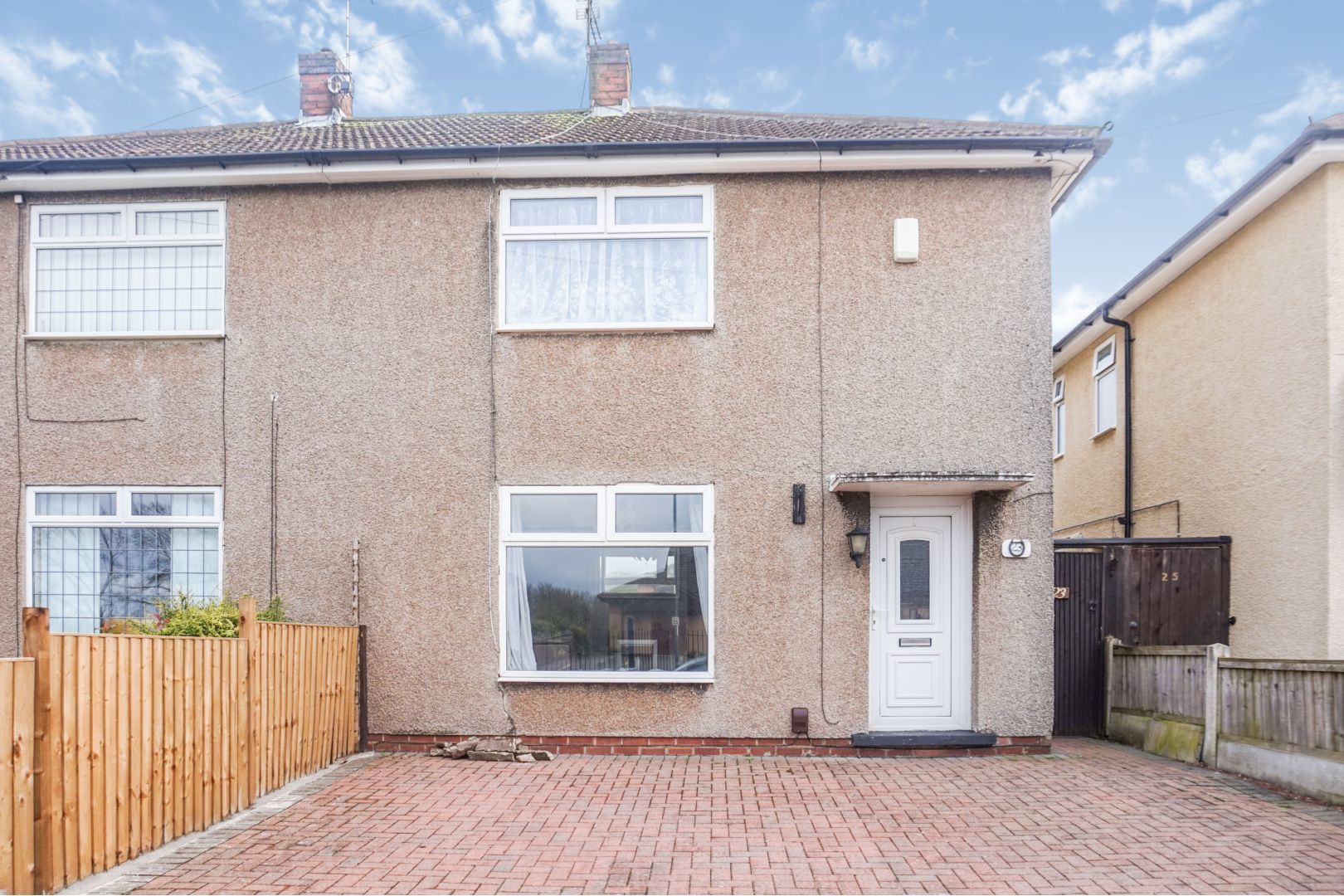
Navigating the 2 bedroom house sale market in Leytonstone requires a clear understanding of East London’s competitive property landscape, local micro-locations, structural property types, and current valuation dynamics. This guide breaks down what buyers and sellers need to know to make informed decisions in this vibrant East London market.
Leytonstone has evolved significantly over the past decade, transforming from a quiet residential suburb into one of East London’s most sought-after neighborhoods for professionals, young families, and first-time buyers. At the heart of this demand is the 2-bedroom house—a highly versatile property type that balances space, affordability, and long-term investment potential. Whether you are looking to secure a Victorian terraced cottage, a purpose-built maisonette, or a modern infill development, understanding the structural nuances, commuter logistics, and pricing trends of the Leytonstone property market is essential for a successful transaction.
The Leytonstone Property Landscape: An Overview
The real estate market in Leytonstone, located within the London Borough of Waltham Forest, presents a diverse architectural mix. Unlike inner-city zones dominated strictly by high-rise apartments, Leytonstone retains a distinctly suburban-urban feel, characterized by tree-lined residential streets running off major arterial routes like High Road Leytonstone and Leytonstone High Road.
For those tracking a 2 bedroom house sale in Leytonstone, the housing stock is heavily weighted toward period properties. Victorian and Edwardian terraced houses, many of which have been thoughtfully converted into split-level properties or retained as single-family homes, dominate neighborhoods such as the Upper Leytonstone conservation area and the streets surrounding Hollow Ponds and Wanstead Flats. Additionally, the area features inter-war period terraces and carefully integrated modern developments that cater to buyers seeking lower maintenance costs.
Demand for 2-bedroom configurations remains exceptionally resilient. Because a two-bedroom footprint offers the flexibility of a home office, a nursery, or a spare room for guests, it appeals to a broad demographic. First-time buyers use these properties as a stepping stone on the London housing ladder, while downsizers and professional couples view them as manageable, well-connected alternatives to larger suburban family homes.
Key Drivers of Demand in Leytonstone
Property values and market velocity in Leytonstone are heavily influenced by several distinct geographic and infrastructural advantages. Analyzing these drivers helps both buyers and sellers contextualize asking prices and long-term value retention.
Transport Connectivity and Commuter Access
One of the primary catalysts for Leytonstone's property popularity is its exceptional transport network. The area is served by the Leytonstone underground station on the Central Line, offering direct, high-frequency transit into the City of London (Liverpool Street) and the West End (Oxford Circus) in under twenty minutes.
Additionally, Leytonstone High Road and Leytonstone stations on the London Overground Gospel Oak to Barking line provide vital orbital connectivity across North and East London. For road commuters, proximity to the A12 offers a direct route into the Blackwall Tunnel and toward the M25, making travel out of London comparatively straightforward.
Green Space and Lifestyle Amenities
Proximity to expansive outdoor space is a major selling point for any 2 bedroom house sale in Leytonstone. The area borders the western edge of Epping Forest, giving residents immediate access to ancient woodlands, walking trails, and recreational lakes such as Hollow Ponds, where rowing boats can be rented. Wanstead Flats, located just to the east, offers vast open grasslands.
The local social scene has also matured rapidly. Areas like Francis Road—located a short walk away on the border with Leyton—and the main high street feature an array of independent coffee shops, bakeries, craft beer pubs, and restaurants. This community-focused atmosphere attracts buyers who want village-style living without sacrificing urban convenience.
Property Types and Architectural Considerations
When evaluating a 2 bedroom house sale in Leytonstone, buyers and sellers encounter several distinct property archetypes. Each comes with its own set of structural considerations, leasehold or freehold distinctions, and maintenance realities.
| Property Archetype | Typical Tenure | Primary Considerations |
|---|---|---|
| Victorian Terraced House | Freehold (or split into flats) | Structural integrity, roof age, modernization costs, damp. |
| Purpose-Built Maisonette | Leasehold (often with share of freehold) | Ground rent, service charges, lease length, management co. |
| Modern Infill Build | Freehold or Leasehold | Energy efficiency, build quality, restrictive covenants. |
Victorian and Edwardian Terraced Houses
Many 2-bedroom houses in Leytonstone are scaled-down versions of larger Victorian terraces, sometimes created by utilizing the ground or first floor, or through clever reconfiguration of smaller two-storey layouts.
- Structural Checks: Buyers must inspect for traditional period issues, including roof tile degradation, single-brick or solid-wall damp susceptibility, and aging timber joists.
- Modernization Potential: Many of these properties offer scope for rear kitchen extensions or loft conversions, subject to local planning permissions and permitted development rights within Waltham Forest.
Maisonettes and Converted Flats
It is common in East London for the term "house" to colloquially encompass ground-floor or split-level maisonettes that feature private front doors and private gardens.
- Tenure Verification: It is crucial to verify whether the property is sold as a freehold or leasehold. If leasehold, check the remaining unexpired term on the lease; anything under 80 years can complicate mortgage lending and requires formal lease extension negotiations.
- Service Charges: Review historical maintenance costs and upcoming major works funds managed by freeholders or managing agents.
Financial and Market Considerations
Entering the property market requires a firm grasp of current economic factors, valuation metrics, and transaction costs.
Valuation and Pricing Dynamics
Property valuations in Leytonstone reflect its position as a Zone 3 hotspot. While more affordable than neighboring Wanstead, South Woodford, or Hackney, prices have appreciated significantly over the past two decades. Sellers must rely on recent comparable sales (sold prices data from HM Land Registry) rather than asking prices alone when setting a competitive figure. Buyers should look at square footage metrics alongside room counts, as internal layouts can vary drastically within the same street.
Additional Purchasing Costs
Beyond the agreed purchase price, buyers must budget for standard UK property transaction expenses:
- Stamp Duty Land Tax (SDLT): Calculated on a tiered sliding scale based on the purchase price and the buyer's residency and property-ownership status.
- Legal and Survey Fees: Conveyancing fees, local authority searches, and RICS Level 2 Home Surveys or Level 3 Building Surveys (recommended for older Victorian stock).
- Mortgage Arrangement Fees: Dependent on the chosen lender and product type.
Frequently Asked Questions
Which areas within Leytonstone are most popular for 2-bedroom properties?
Demand is particularly high in Upper Leytonstone due to its proximity to the Underground station and Wanstead Park. Additionally, streets branching off Leytonstone High Road and areas bordering Francis Road are heavily targeted by buyers seeking a vibrant neighborhood atmosphere.
Are leasehold houses common in Leytonstone?
The vast majority of traditional 2-bedroom houses are sold as freeholds. However, split-level properties, maisonettes, and converted coach houses are frequently leasehold or sold with a share of the freehold. Always confirm tenure details with your solicitor early in the process.
Is Leytonstone considered a good long-term property investment?
Driven by ongoing regeneration across East London, excellent Central Line connectivity, and relative affordability compared to central zones, Leytonstone has historically demonstrated strong capital growth and robust rental demand for 2-bedroom homes.
What planning restrictions should I be aware of if I want to renovate?
Certain areas within Leytonstone fall under local conservation guidelines or Article 4 directions, which restrict permitted development rights for exterior alterations like replacing windows or modifying front facades. Always check with the London Borough of Waltham Forest planning portal before undertaking major works.
How long does a typical property purchase take in this market?
From an offer being accepted to completion, the average property transaction in England typically takes between 12 to 16 weeks, depending on chain complexity, local search turnaround times, and mortgage underwriting speed.
Practical Next Actions
If you are planning to buy or sell a 2-bedroom property in Leytonstone, start by securing your administrative preparations. Sellers should commission an independent valuation, gather lease documentation if applicable, and ensure minor maintenance items are addressed to present the property favorably. Buyers must secure an agreement in principle (AIP) from a mortgage lender, define their non-negotiable criteria regarding location and layout, and instruct an experienced local conveyancer familiar with Waltham Forest property searches. Grounding your strategy in thorough market research and professional guidance ensures a streamlined and successful transaction.