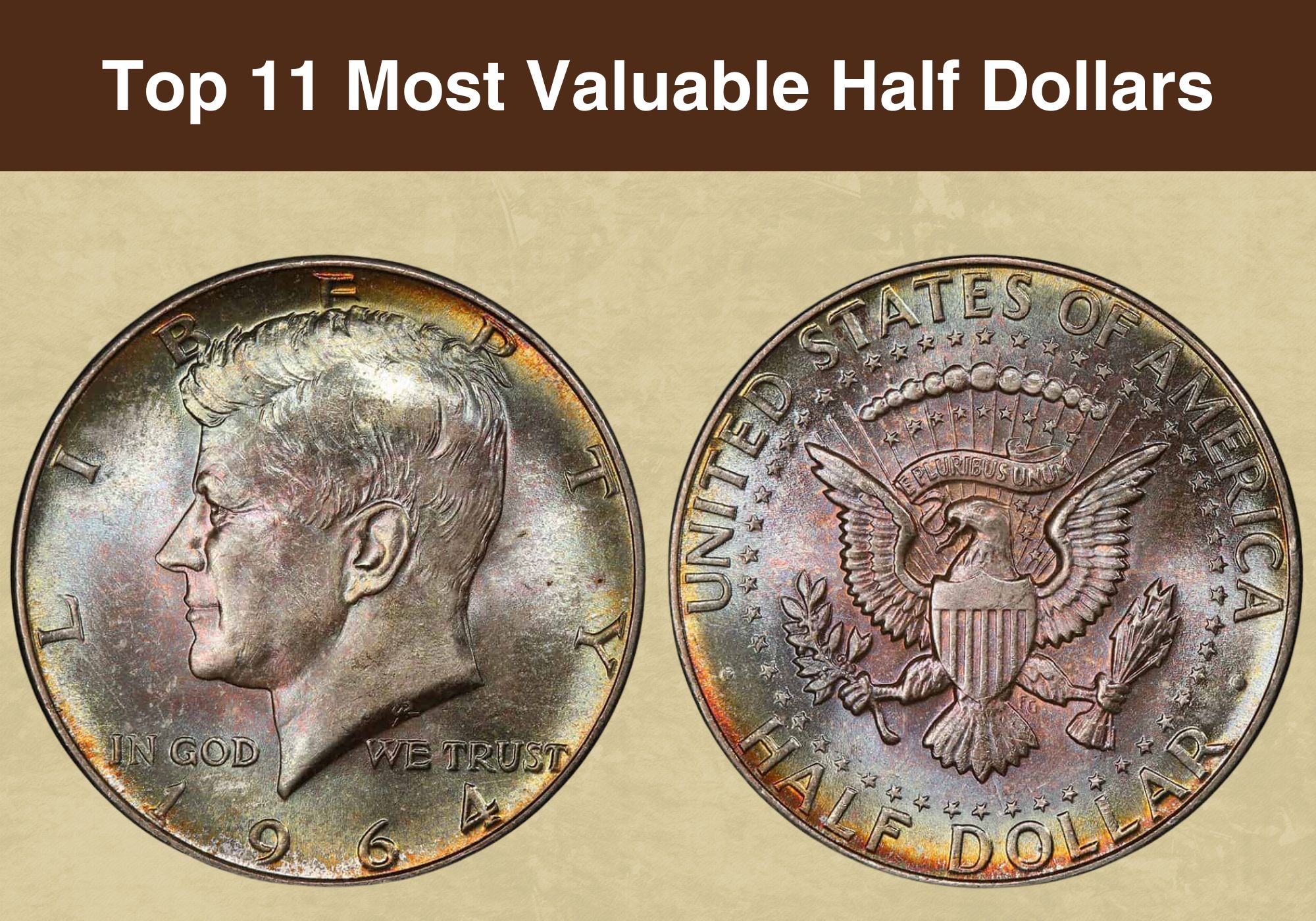
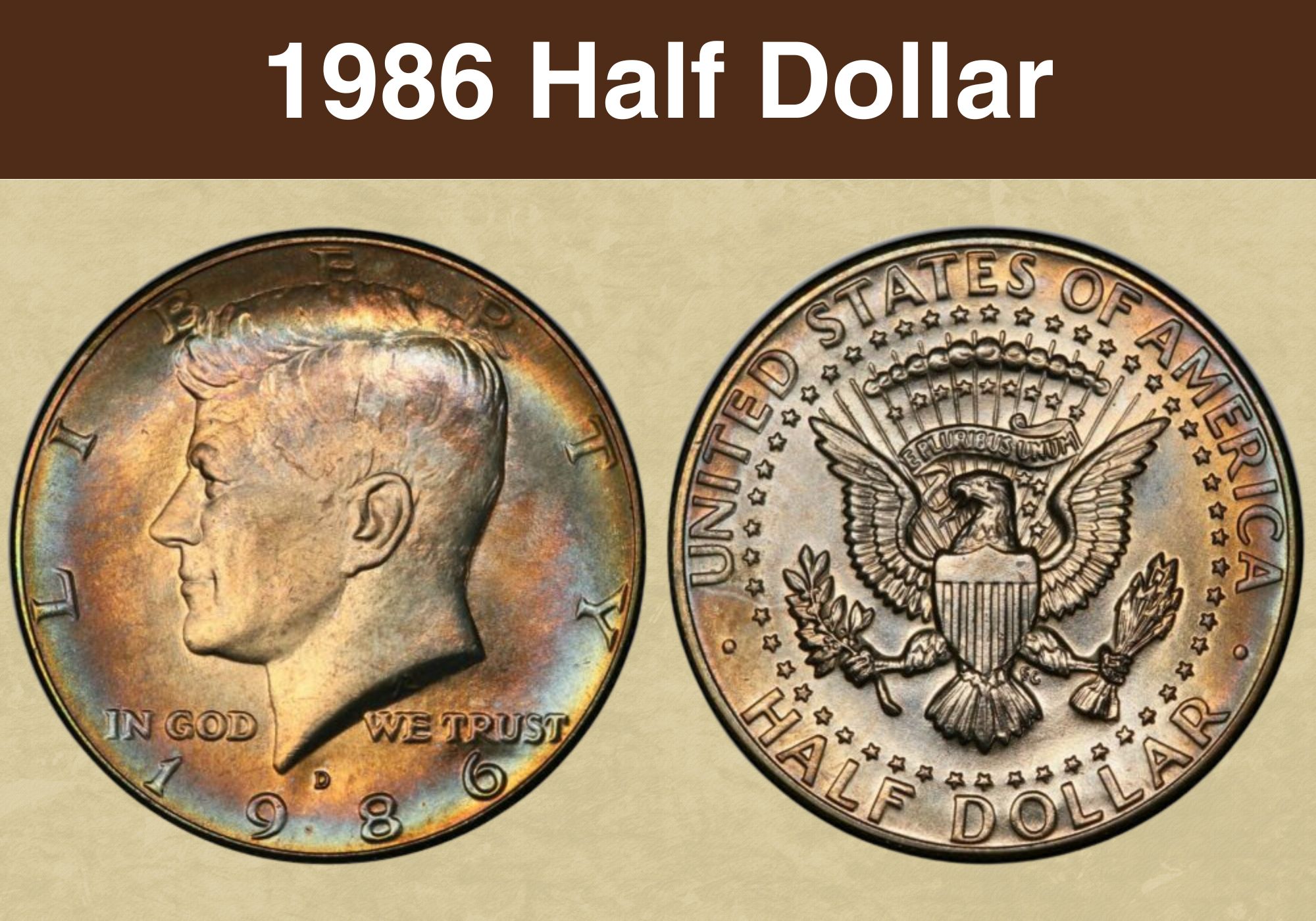
A 1966 half dollar is generally worth between $4.50 and $8.00 in circulated condition, as its value is primarily anchored by its 40% silver composition rather than rare collector demand. However, pristine uncirculated specimens, high-grade mint state examples, and rare mint errors can command significantly higher premiums among numismatists.
Historical Context and Composition of the 1966 Half Dollar
The year 1966 holds a unique place in the history of United States coinage, specifically regarding the Kennedy half dollar series. Following the assassination of President John F. Kennedy in late 1963, Congress and the United States Mint rushed to honor the fallen leader by placing his likeness on the half dollar. The initial 1964 Kennedy half dollars were struck in 90% silver. However, rapidly rising global silver prices and hoarding by the public quickly drained federal silver reserves.
To prevent the total disappearance of circulating coinage, the Coinage Act of 1965 authorized a dramatic change in composition. Starting in 1965 and continuing through 1970, the United States Mint reduced the silver content of the half dollar from 90% down to 40%. The 1966 half dollar is part of this specific transitional window, often referred to by collectors as the "forty percenters."
Understanding the metallurgical makeup of the 1966 half dollar is essential for determining its value today. The coin is not solid silver all the way through. Instead, it features a clad composition consisting of two distinct layers:
- Outer Cladding: An alloy composed of 80% silver and 20% copper.
- Inner Core: An alloy composed of roughly 21% silver and 79% copper.
When melted down or analyzed as a whole, the coin contains exactly 40% silver by weight. More specifically, a 1966 half dollar has a total gross weight of 11.50 grams and contains 0.1479 troy ounces of pure silver. This distinct metallic recipe means that the base financial value of any 1966 half dollar will always fluctuate in tandem with the daily spot price of silver on international commodities markets.
Factors Influencing the Value of a 1966 Half Dollar
While the silver content provides a reliable pricing floor, individual 1966 half dollars can vary widely in market worth. Numismatic value—the value assigned to a coin based on its scarcity, historical significance, and physical condition—frequently pushes prices well above raw bullion value for exceptional pieces.
Condition and the Sheldon Grading Scale
The condition of a coin is the single most important factor determining whether a 1966 half dollar is worth its melt value or hundreds of dollars. Coin collectors use the 70-point Sheldon Scale to grade coins, ranging from Poor-1 (barely recognizable) to Mint State-70 (perfect uncirculated condition).
- Circulated Condition (Good to About Uncirculated): Coins that have spent time in commerce show visible wear on the high points of the design, such as the hair above Kennedy's ear and the feathers on the presidential seal on the reverse. These coins generally carry minimal numismatic premium and trade close to their intrinsic silver value.
- Uncirculated Condition (Mint State): Coins that were pulled from mint bags immediately and never entered public circulation retain their original mint luster. They feature bright, satin-like finishes with no trace of wear. A 1966 half dollar graded MS-63 or MS-65 by a third-party grading service can trade for significantly more than a circulated specimen because high-grade business strikes from this era are genuinely scarce.
Mint Marks and Production Locations
In 1966, the United States Mint did not use mint marks on any circulating coins, a temporary practice implemented from 1965 to 1967 to discourage coin collecting and hoarding during the transition away from 90% silver. Therefore, whether a 1966 half dollar was struck at the Philadelphia Mint or another facility, it will feature no mint mark above the date on the obverse. All 1966 half dollars were produced at the Philadelphia facility, making regional mint mark variations a non-factor for this specific year.
Special Mint Sets (SMS)
An exception to standard coin production in 1966 was the creation of Special Mint Sets (SMS). Because the mint suspended traditional uncirculated coin sets and proof sets from 1965 to 1967, it produced Special Mint Sets for collectors instead. These SMS coins were struck using higher pressure and special polished dies, resulting in coins with sharper details and a distinctive, semi-glossy finish that distinguishes them from regular business strikes. Finding a 1966 half dollar in an original SMS package or certified as an SMS specimen dramatically increases its collectible value.
Valuing Your Coin: Market Comparisons
To help navigate the wide spectrum of pricing, the following breakdown illustrates estimated market values based on condition, grading, and intrinsic metal content.
| Coin Condition / Grade | Description | Estimated Value Range (USD) |
|---|---|---|
| Bust / Cull | Heavily worn, damaged, bent, or holed; valued strictly for silver scrap. | $3.50 – $4.50 |
| Circulated (Average) | Moderate wear on high points; retains all lettering and date. | $4.50 – $6.00 |
| About Uncirculated (AU) | Minor trace wear on highest points; preserves much of original mint luster. | $6.00 – $10.00 |
| Mint State 63 (MS-63) | No wear, minor contact marks, good eye appeal. | $15.00 – $35.00 |
| Mint State 65 (MS-65) | Gem condition, few blemishes, strong luster. | $50.00 – $150.00+ |
| Special Mint Set (SMS) | Struck with special dies for collectors; sharp strike and unique finish. | $15.00 – $50.00+ |
Note: Actual market values fluctuate daily alongside the spot price of precious metals and shift according to current collector demand on auction platforms.
How to Verify and Test Your 1966 Half Dollar
If you have discovered a half dollar and want to verify whether it is a valuable 40% silver specimen rather than a post-1970 copper-nickel clad coin, you can perform several non-destructive checks.
Edge Inspection
The most reliable quick test is examining the edge of the coin.
- Copper-Nickel Clad (1971–Present): The edge reveals a distinct two-tone sandwich effect, with a bright copper stripe visible in the middle flanked by silver-colored outer layers.
- Silver Clad (1965–1970): The edge typically appears solid silver-gray. Because the inner core also contains over 20% silver, you will rarely see a prominent, bright copper band running down the center, though an older, toned coin might show a very faint, muted gray-brown line.
The Weight Test
Using a precise digital jewelry or coin scale, weigh the coin.
- A standard post-1971 copper-nickel half dollar weighs 11.34 grams.
- A genuine 1966 40% silver half dollar weighs 11.50 grams. While a difference of 0.16 grams is small, consistent measurements across multiple known samples can help confirm the alloy.
Professional Certification
If you suspect you possess an exceptionally well-preserved specimen that could grade at a high Mint State level, consider submitting it to a reputable third-party grading service, such as the Professional Coin Grading Service (PCGS) or the Numismatic Guaranty Company (NGC). Professional authentication and encapsulation protect the coin from environmental damage and provide a standardized grade recognized by dealers and collectors worldwide. However, because grading fees often range from $30 to $100 per coin, this step is financially sensible only for specimens that clearly exhibit superior condition.
Frequently Asked Questions
Are 1966 half dollars rare?
No, 1966 half dollars are not rare in circulated condition. The United States Mint produced over 108 million half dollars for that year. Because millions were saved by the public and collectors during the silver transition era, a high survival rate keeps common-grade specimens readily available. Scarcity only applies to high-grade uncirculated examples and certified Special Mint Set pieces.
How much silver is in a 1966 half dollar?
A 1966 half dollar contains 40% silver by weight. In terms of precious metal content, it holds 0.1479 troy ounces of pure silver. To find the melt value at any given time, multiply this exact weight by the current live spot price of silver per troy ounce.
Why does my 1966 half dollar look dark or toned?
Toning is a natural chemical reaction that occurs when the silver alloys in the coin interact with trace gases and sulfur in the environment over decades. Light golden, rainbow, or deep gray toning is normal and does not necessarily harm the coin's value. In fact, some collectors actively pay premiums for attractive, natural rainbow toning, though harsh cleaning or chemical polishing permanently damages the coin's numismatic value.
Can I spend a 1966 half dollar at face value?
Yes, a 1966 half dollar remains legal tender in the United States and can be spent at face value ($0.50) at any retail establishment or deposited at a bank. However, doing so wastes its inherent financial value, as the silver content alone makes the coin worth significantly more than fifty cents.
Where is the mint mark on a 1966 half dollar?
There is no mint mark on a 1966 half dollar. All regular production half dollars for that year were minted in Philadelphia, which did not stamp mint marks on coins between 1965 and 1967. Do not mistake minor surface imperfections for a missing or altered mint mark.
Summary and Next Steps
Evaluating a 1966 half dollar comes down to assessing its physical condition and understanding its precious metal foundation. If your coin is heavily worn, damaged, or circulated, treat it as a silver bullion piece worth its melt value—typically between $4.50 and $8.00 depending on current silver markets. If you discover a pristine, mirror-like coin straight from an original mint set, store it securely in a protective coin flip or capsule, avoid cleaning it at all costs, and consult a professional numismatist to explore potential collector value.