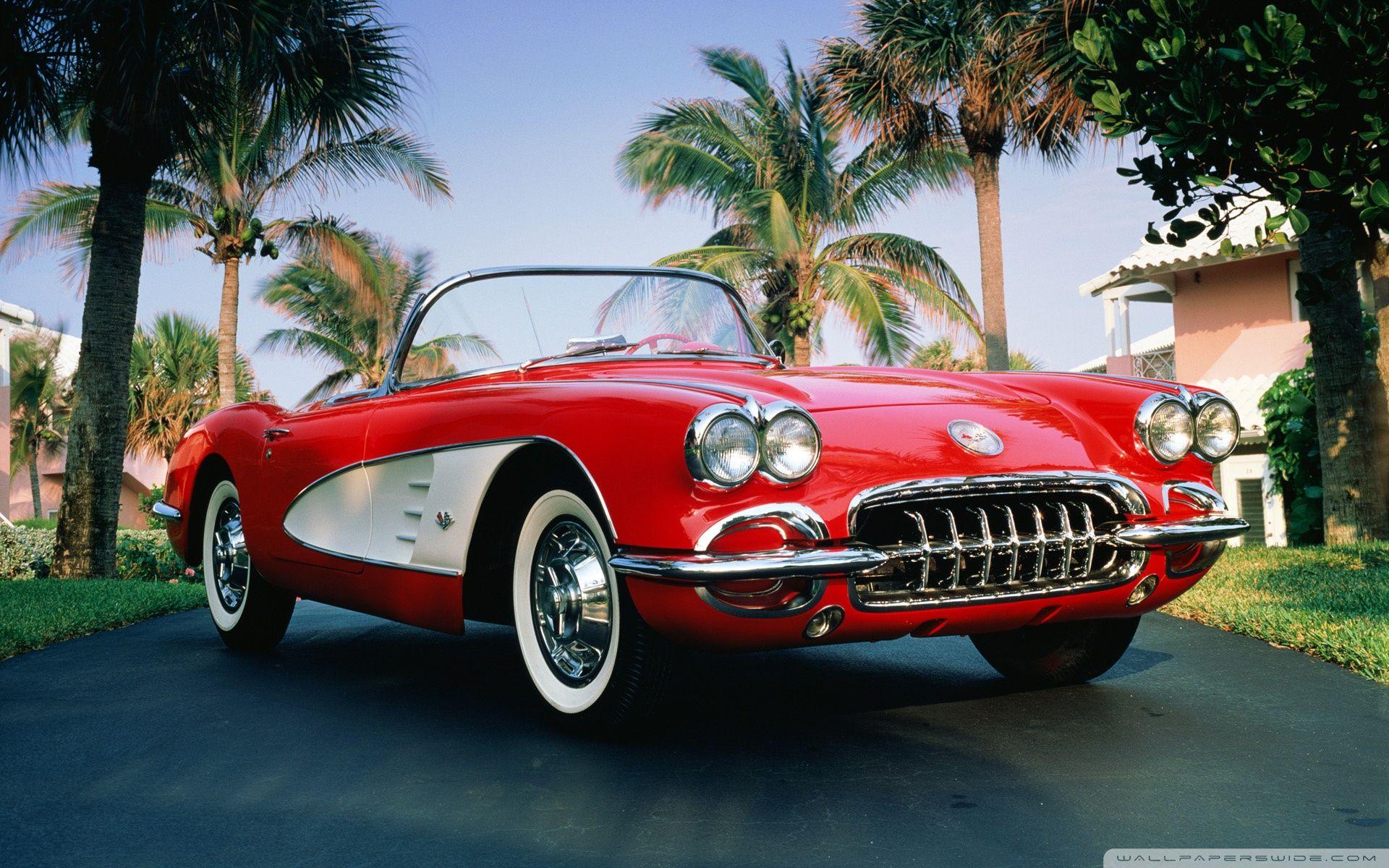
The 1960s was a transformative decade for American sports cars, marked by a shift from European-inspired designs to muscular, high-performance powerhouses that prioritized raw speed, striking styling, and innovative engineering. This era gave birth to legendary nameplates like the Chevrolet Corvette Sting Ray, the Shelby Cobra, and the Ford GT40, which competed globally and redefined automotive performance.
The Cultural and Industrial Landscape of the 1960s
The landscape of American automotive manufacturing in the 1960s was driven by intense domestic competition, particularly the rivalry between General Motors, Ford, and Chrysler. As post-war prosperity peaked and a younger, more affluent demographic entered the car market, manufacturers realized that practical family sedans were no longer enough to capture the public imagination. Performance became the ultimate marketing tool, leading to the golden age of both sports cars and muscle cars.
While traditional sports cars were generally lightweight, nimble, two-seat roadsters designed primarily for handling and road-racing circuits, American engineers adapted this formula to local tastes. They paired lightweight, aerodynamic bodies with massive, high-displacement V8 engines. This combination created a distinct sub-genre of vehicles that could dominate both the drag strip and the twisty country road, offering an intoxicating blend of straight-line acceleration and aggressive styling.
Furthermore, the influence of motorsport was inescapable during this decade. Executive mandates from corporate boardrooms in Detroit prioritized racing success—encapsulated by Ford's total assault on Le Mans and Chevrolet’s continuous development of the Corvette's suspension and braking systems. This cross-pollination between racing programs and production lines ensured that technological advancements trickled down directly to consumer showrooms.
Iconic Models That Defined the Decade
Chevrolet Corvette (C2 and C3 Generations)
The Chevrolet Corvette stands as the quintessential American sports car of the 1960s. The decade began with the final years of the C1 generation, but the introduction of the C2 generation—known universally as the Sting Ray—in 1963 changed the paradigm. Styled by Larry Shinoda under the direction of Bill Mitchell, the C2 introduced a revolutionary fastback profile, a split rear window (exclusive to the 1963 coupe), and, for the first time in Corvette history, an independent rear suspension.
As the decade progressed, engine options grew increasingly potent. Small-block V8s were joined by legendary big-block powerplants, culminating in the ferocious 427-cubic-inch engines. By 1968, the C3 generation arrived, drawing heavy styling cues from the Mako Shark II concept car. With its dramatic Coke-bottle waistline and removable T-top roof panels, the C3 solidified the Corvette's status as a global performance icon.
Shelby Cobra
If the Corvette was a mass-produced halo car, the Shelby Cobra was a specialized Anglo-American hybrid built for pure domination. Carroll Shelby, a retired racing driver, had the audacious idea to take a lightweight British AC Ace chassis and cram a Ford small-block V8 engine into it. The result was the Shelby Cobra (AC Cobra), a ferocious machine that offered power-to-weight ratios capable of embarrassing contemporary European exotics.
Starting with the 260-cubic-inch V8 and rapidly evolving to the 289 and eventually the monstrous 427-cubic-inch big-block, the Cobra became a terror on road-racing circuits across the United States and Europe. Its raw, unrefined driving dynamics demanded immense skill from those behind the wheel, cementing its legacy as a widow-maker and one of the most collectible automobiles in history.
Ford GT40
Born out of a personal vendetta when Enzo Ferrari pulled out of a planned buyout by Ford, the Ford GT40 was engineered with a singular, uncompromising objective: defeat Ferrari at the 24 Hours of Le Mans. Standing a mere 40 inches high—hence the name—the GT40 was a mid-engine racing prototype that eventually spawned road-legal variants to meet homologation requirements.
Powered by high-output Ford V8 engines, the GT40 overcame early reliability hurdles to achieve historic overall victories at Le Mans from 1966 through 1969. This achievement not only validated American engineering on the international stage but also demonstrated that Detroit could build world-class endurance racing machinery capable of beating the best Europe had to offer.
Technical Specifications and Engineering Innovations
Engineering during the 1960s transitioned from rudimentary mechanical setups to more sophisticated, data-driven chassis design. American manufacturers experimented heavily with materials, aerodynamics, and powertrain configurations to harness the massive horsepower outputs of their growing V8 engines.
| Model | Production Years | Engine Type | Displacement | Horsepower Range | Notable Innovation |
|---|---|---|---|---|---|
| Chevrolet Corvette (C2) | 1963–1967 | Pushrod V8 (Small/Big Block) | 5.4L to 7.0L (327–427 cu in) | 250 – 435 hp | Independent rear suspension |
| Shelby Cobra 289 | 1962–1965 | Ford Windsor Pushrod V8 | 4.7L (289 cu in) | 271 – 306 hp | Lightweight multi-tube ladder frame |
| Ford GT40 Mk I | 1964–1969 | Ford Windsor/FE Pushrod V8 | 4.7L to 7.0L (289–427 cu in) | 385 – 485 hp | Advanced aerodynamics and monocoque chassis |
| Studebaker Avanti | 1962–1964 | Packard/Studebaker V8 | 4.7L (289 cu in) | 240 – 289 hp (Supercharged) | Fiberglass body and built-in roll bar |
The integration of disc brakes marked a major milestone during this period. Early-decade sports cars often struggled to slow down from triple-digit speeds due to fading drum brakes. The widespread adoption of four-wheel disc brakes—standardized on the Corvette in 1965 and utilized on racing programs like the GT40—drastically improved stopping power and circuit endurance.
Aerodynamics also emerged as a critical discipline. As top speeds exceeded 150 miles per hour on tracks like Daytona and Le Mans, engineers utilized wind tunnels to refine body lines, reduce lift, and enhance high-speed stability. Features like functional hood scoops, Kamm tail designs, and integrated spoilers transformed from aesthetic choices into functional performance necessities.
Purchasing, Restoring, and Maintaining a 1960s American Sports Car Today
Owning and maintaining a 1960s American sports car in 2026 requires a distinct approach compared to modern vehicle ownership. While these cars are mechanically simpler than their modern counterparts, finding unblemished examples or sourcing correct components demands patience and specialized knowledge.
Verification and Authenticity
When evaluating a potential purchase, verifying the vehicle's numbers-matching status—ensuring the engine block, transmission, and differential stamping numbers align with factory records—is paramount for high-value collectibles. Counterfeit "clones" or tribute cars are common, particularly with high-performance variants like Shelby Cobras or big-block Corvettes. Prospective buyers should always consult marque-specific registries, such as the Shelby World Registry or National Corvette Restorers Society (NCRS) documentation, to confirm provenance.
Common Maintenance Challenges
- Rust and Corrosion: Many 1960s sports cars utilized steel frames enclosed by fiberglass bodies (such as the Corvette and Avanti). Moisture can become trapped between the fiberglass and the steel birdcage or frame, leading to structural rust that is expensive to remediate.
- Electrical Systems: Generator-to-alternator conversions, aging wiring harnesses, and outdated fuse boxes frequently require professional rewiring to ensure reliability and prevent electrical fires.
- Fuel Compatibility: Modern ethanol-blended fuels can degrade vintage rubber fuel lines, carburetor gaskets, and fuel pump diaphragms. Installing ethanol-resistant components is a necessary preventative measure.
Frequently Asked Questions
What is the difference between a 1960s American sports car and a muscle car?
Sports cars of this era were typically lighter, featured two-door, two-seat configurations, and were engineered primarily for handling, cornering agility, and road-racing performance. Muscle cars, conversely, were usually based on standard passenger sedan platforms, offering larger back seats and heavy-duty V8 engines optimized primarily for straight-line acceleration and drag racing.
Are 1960s American sports cars difficult to drive in modern traffic?
Driving a vintage car requires adjustments due to the absence of modern safety and convenience features. Most 1960s sports cars feature manual steering, manual drum or early disc brakes, non-synchronized first gears (in some older transmissions), and a lack of anti-lock braking systems or electronic stability control. Defensive driving is essential.
How accessible are replacement parts for restoration projects?
Thanks to a robust aftermarket industry, mechanical parts for engines like the Chevrolet small-block and Ford Windsor V8 are exceptionally easy to source and affordable. However, model-specific trim pieces, interior upholstery, and unique exterior brightwork for low-production vehicles can be difficult and expensive to acquire.
What should I look out for regarding engine modifications?
Many 1960s sports cars were modified by previous owners for increased horsepower. While period-correct modifications can add character and performance, heavily altered engines or modified frames often detract from the investment value for purists and collectors. Always request a compression test and professional inspection before finalizing a purchase.
Conclusion and Next Actions
Exploring the world of 1960s American sports cars reveals an era of unprecedented engineering ambition and stylistic daring. Whether you are looking to invest in a concourse-ready Corvette Sting Ray, study the racing heritage of the Ford GT40, or embark on a garage restoration project, understanding the technical nuances and historical context is essential. For prospective buyers and enthusiasts, the recommended next step is to attend specialized automotive auctions, join marque-specific car clubs, and inspect multiple verified examples in person to establish a baseline for quality and fair market pricing.