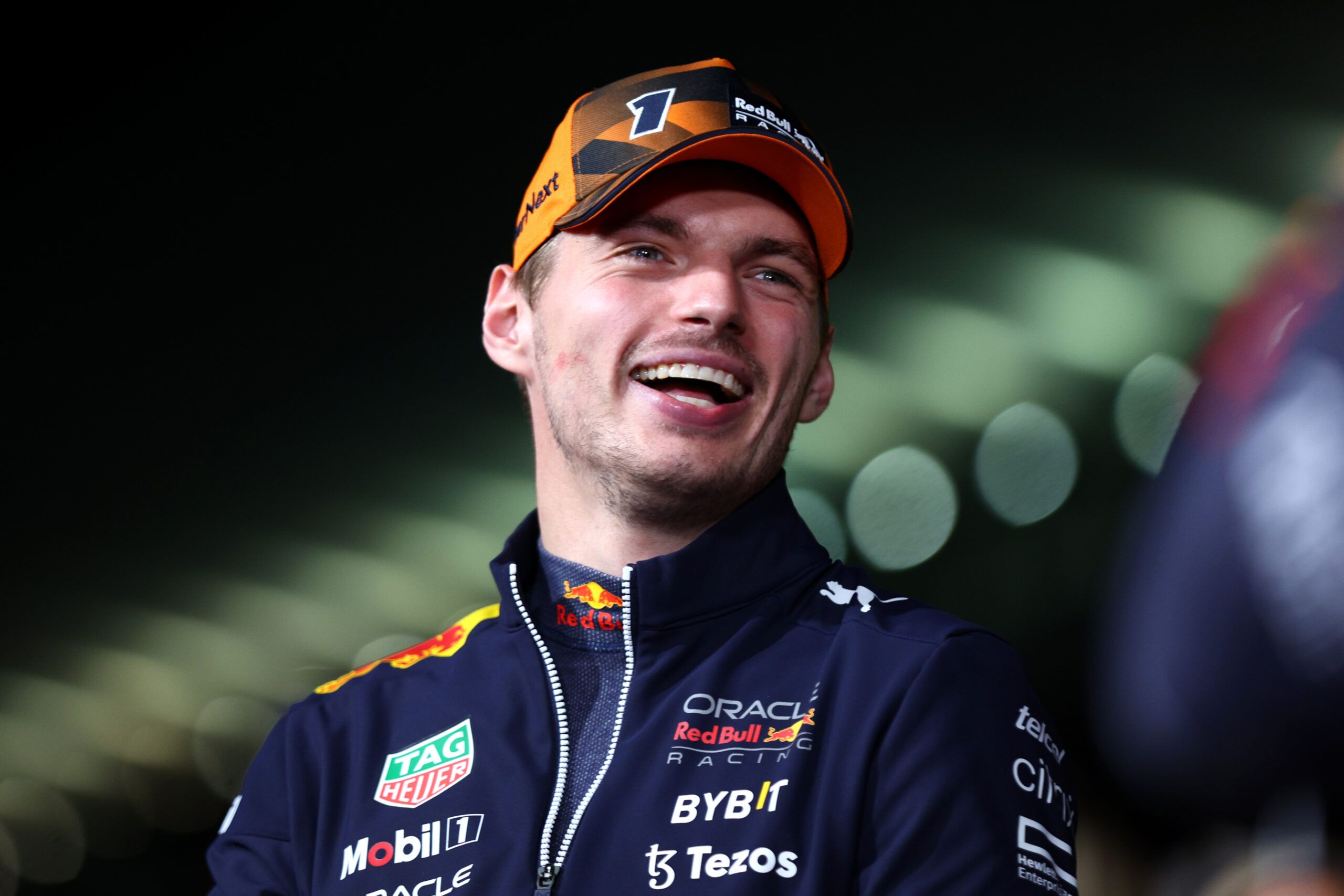
Max Verstappen was precisely 17 years, 166 days old when he started his first Formula One race at the 2015 Australian Grand Prix, instantly shattering the sport's age records and prompting sweeping changes to FIA superlicence regulations.
The trajectory of modern motorsport changed irrevocably on March 15, 2015, when a teenager from Hasselt stepped onto the Melbourne Grand Prix Circuit grid. Max Verstappen’s debut with Scuderia Toro Rosso at just 17 years and 166 days old represented a watershed moment in the history of the Fédération Internationale de l'Automobile (FIA) Formula One World Championship. Never before had a driver of such tender years—legally unable to drive a standard road car unaccompanied in most countries—competed at the absolute pinnacle of open-wheel racing.
This meteoric rise ignited fierce global debates regarding youth, experience, maturity, and safety within high-performance motorsport. Understanding how a 17-year-old secured a Formula One seat requires examining a unique confluence of extraordinary karting pedigree, a calculated talent-scouting strategy by Red Bull, rapid junior formula progression, and the subsequent regulatory tightening that ensures no driver will ever be able to repeat this exact feat under current rules.
The Precocious Rise: From Karting Prodigy to European F3 Sensation
Max Verstappen’s journey to Formula One was not a conventional multi-year ascent through the standard racing ladder; it was an accelerated masterclass in racecraft. Born to former Formula One driver Jos Verstappen and champion kart racer Sophie Kumpen, Max was immersed in high-level motorsport from infancy. His karting career was characterized by overwhelming dominance across international CIK-FIA championships, where he routinely defeated older, more experienced rivals in direct equipment.
In 2014, Verstappen made the massive leap from karts directly into single-seaters, contesting the FIA European Formula 3 Championship with Van Amersfoort Racing. Driving against seasoned competitors with years of car-racing experience, Verstappen won 10 races, including an astonishing streak of six consecutive victories. His wet-weather masterclass at the Norisring and his relentless pace at circuits like Spa-Francorchamps showcased a car control and strategic intellect far beyond his years.
Red Bull motorsport advisor Helmut Marko recognized this generational talent early. By August 2014, while Verstappen was still 16, Red Bull signed him to the Red Bull Junior Team, offering him a Friday free-practice role with Toro Rosso later that season and a full-time race seat for 2015. This decisive move caught the wider motorsport world off guard, as many pundits questioned whether a teenager could physically and mentally handle the brutal G-forces and intense political pressures of Formula One.
The 2015 Australian Grand Prix: Shattering Records on Debut
When the lights went out at Albert Park for the 2015 Australian Grand Prix, Max Verstappen officially eclipsed Jaime Alguersuari’s previous record as the youngest driver in Formula One history by nearly two full years. Alguersuari had been 19 years and 125 days old when he debuted in 2009. Verstappen’s entry pulverized that benchmark, setting a new standard that fundamentally altered how teams scouted junior talent.
Driving the Renault-powered Toro Rosso STR10, Verstappen qualified 11th, narrowly missing out on a Q3 appearance on his first weekend. During the race, he ran comfortably inside the points-paying positions until a power unit failure forced his retirement on lap 34. Despite the mechanical DNF, his performance silenced immediate skeptics. Two weeks later, at the 2015 Malaysian Grand Prix, Verstappen finished seventh, scoring his maiden championship points at 17 years and 180 days old and setting another record as the youngest points-scorer in F1 history—a record that stood until broken by subsequent regulations.
| Record Category | Driver | Age at Achievement | Date / Event |
|---|---|---|---|
| Youngest Race Starter | Max Verstappen | 17 years, 166 days | 2015 Australian Grand Prix |
| Youngest Points Scorer | Max Verstappen | 17 years, 180 days | 2015 Malaysian Grand Prix |
| Youngest Race Winner | Max Verstappen | 18 years, 228 days | 2016 Spanish Grand Prix |
| Previous Youngest Starter | Jaime Alguersuari | 19 years, 125 days | 2009 Hungarian Grand Prix |
The Regulatory Backlash: The "Verstappen Rule" and Superlicence Overhaul
Verstappen’s unprecedented entry into Formula One at age 17 triggered immediate regulatory introspection within the FIA. Governing bodies and team principals raised valid concerns that drivers might enter the world championship without adequate experience in junior formulae, potentially posing safety risks on the grid. Consequently, the FIA instituted a sweeping overhaul of the superlicence point system, colloquially dubbed the "Verstappen Rule," effective for the 2016 season and beyond.
Under the updated International Sporting Code, obtaining an FIA Superlicence requires drivers to meet stringent criteria:
- Age Requirement: A mandatory minimum age of 18 years old upon participation in a Formula One weekend.
- Licence Prerequisite: Possession of a valid FIA International Grade A driver's licence.
- Road Car Competence: Proof of holding a valid, full driving licence for public roads (or passing an FIA-approved test regarding sporting regulations and safety).
- Junior Category Success: Accumulating a minimum of 40 superlicence points over a rolling three-year period across recognized feeder series (such as Formula 2, Formula 3, IndyCar, or Formula E).
- Mileage Requirement: Completing a minimum of 300 kilometers in a representative Formula One car at racing speeds over a maximum of two days, verified by the FIA.
Because of these rigorous requirements, Max Verstappen remains an absolute anomaly. No future driver will ever be able to start an F1 grand prix at 17 years old, cementing his debut as a unique historical milestone that can never be replicated under modern sporting governance.
Physical, Mental, and Technical Demands of F1 at Seventeen
Transitioning from European Formula 3 to Formula One as a minor required exceptional physiological and psychological resilience. Modern Formula One cars subject drivers to lateral G-forces exceeding 5g in high-speed corners, requiring neck muscles capable of supporting a helmet weight multiplied by five for sustained periods. Verstappen underwent intensive neck conditioning, cardiovascular training, and core strengthening regimens to prepare his adolescent frame for the rigors of premier-class racing.
Beyond physical preparation, the psychological demands of media scrutiny, engineering debriefs, and high-stakes wheel-to-wheel combat tested a 17-year-old's maturity. Verstappen worked closely with seasoned engineers at Toro Rosso, notably chief race engineer Xevi Pujolar, who helped translate his raw speed into disciplined racecraft. While early-career incidents—such as his high-speed crash with Romain Grosjean at the 2015 Monaco Grand Prix—highlighted occasional youthful impetuosity, his overall poise earned the respect of veteran world champions on the grid.
Frequently Asked Questions
Could another driver ever break Max Verstappen’s record?
No. Because the FIA subsequently amended the sporting regulations to mandate a strict minimum age of 18 for obtaining a superlicence, it is mathematically and legally impossible for any future driver to start an F1 race at 17 years old.
Did Max Verstappen have a valid road driving licence when he started F1?
Not initially. When Verstappen made his Formula One debut at 17, he was not yet old enough to drive a standard passenger car unaccompanied in the Netherlands. He passed his practical road driving test shortly after turning 18 in September 2015.
What team did Max Verstappen debut with?
Verstappen debuted with Scuderia Toro Rosso (now Visa Cash App RB), Red Bull’s junior sister team, before being promoted to the senior Red Bull Racing squad ahead of the 2016 Spanish Grand Prix, where he became the youngest race winner in history at 18 years and 228 days old.
How many superlicence points are required to race in F1 today?
Drivers must accumulate a minimum of 40 points through sanctioned junior single-seater championships over a three-year window, alongside meeting the mandatory 18-year age limit and completing required testing mileage.
Why did the FIA change the superlicence rules after Verstappen's debut?
The governing body sought to ensure that all incoming drivers possessed sufficient maturity, racecraft experience, and technical understanding before piloting the fastest racing cars in the world, mitigating safety concerns associated with rapid, youth-heavy promotions.
Strategic Takeaways and Next Actions
For motorsport historians and enthusiasts examining Max Verstappen’s historic entry, the key takeaway is that his debut represents the convergence of undeniable generational talent and a specific regulatory window that has since closed. When evaluating driver development pathways in contemporary motorsport, observers must account for the strict 18-year age floor and the 40-point superlicence threshold. To explore further, examine the current FIA International Sporting Code appendices regarding licence issuance or review archival race telemetry from the 2015 Formula One season to witness how a teenager adapted instantly to premier-class machinery.