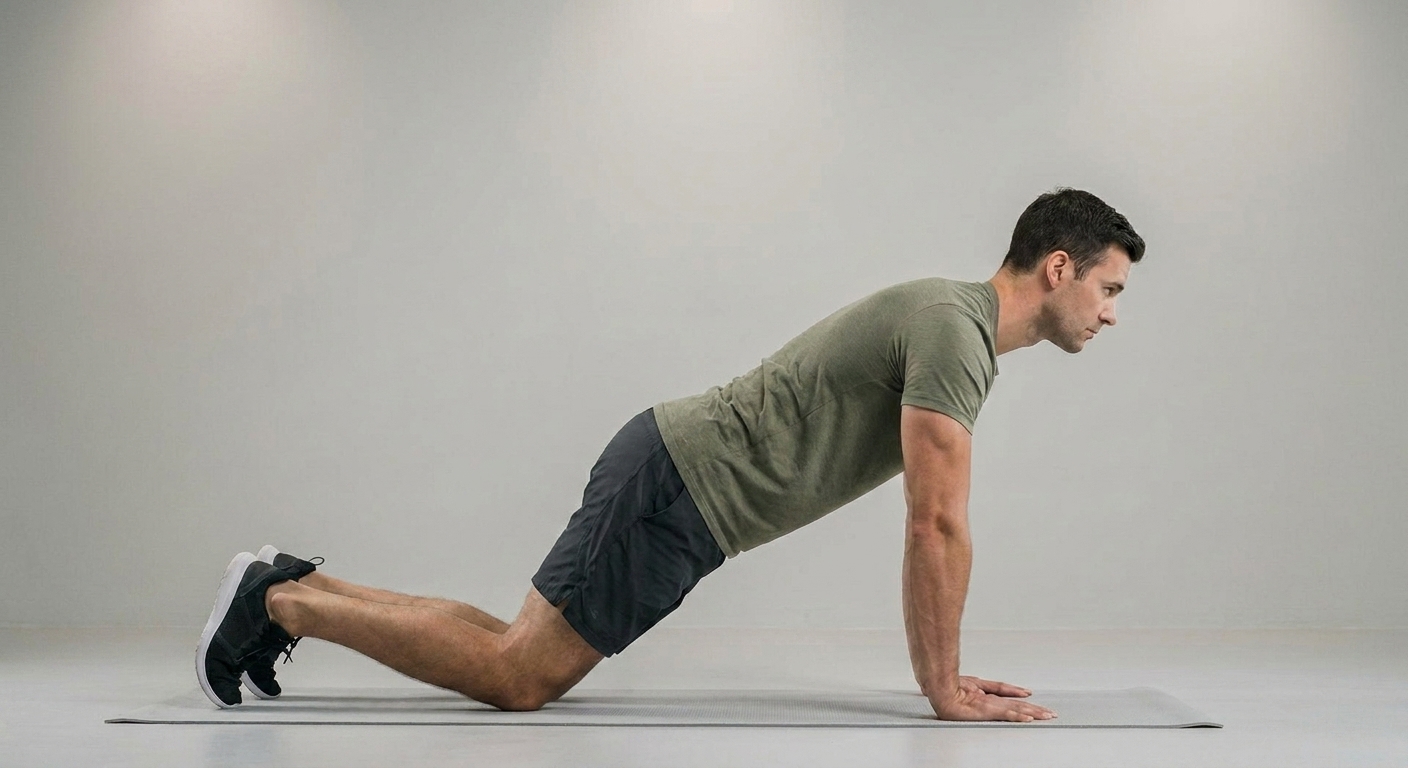
Taking on a daily or recurring physical challenge like completing 100 situps and 100 pushups can serve as a potent catalyst for developing upper body endurance, core strength, and training consistency. This volume-based bodyweight regimen forces practitioners to confront muscular fatigue, movement mechanics, and recovery requirements head-on. Whether inspired by pop-culture fitness challenges or structured linear progression models, integrating high-repetition calisthenics into a lifestyle requires careful consideration of biomechanics, progressive overload principles, and injury prevention strategies to ensure sustainable fitness gains without joint degradation or overuse injuries.
Understanding the Anatomy of a High-Volume Calisthenics Routine
High-repetition bodyweight training differs fundamentally from heavy resistance training. While a powerlifter might focus on low repetitions with near-maximal loads to recruit high-threshold motor units, a routine centered around 100 situps and 100 pushups targets muscular endurance, metabolic conditioning, and central nervous system efficiency under fatigue.
The pushup is a compound movement primarily engaging the pectoralis major, anterior deltoids, and triceps brachii, while secondary stabilizers like the core, serratus anterior, and quadriceps work continuously to maintain a rigid plank position. Conversely, the traditional situp isolates the rectus abdominis through spinal flexion, involving the hip flexors (psoas major and iliacus) to pull the torso upward.
Combining these two movements creates a balancing act between anterior upper-body pushing power and abdominal-flexor endurance. However, performing 100 repetitions of each in a single session without adequate preparation can expose structural vulnerabilities, particularly in the lower back and shoulder joints. Understanding the mechanical demands of each exercise is the first step toward building a safe, effective implementation strategy.
Prerequisites, Safety Considerations, and Medical Limitations
Before diving into a daily or systematic high-volume calisthenics routine, individuals must evaluate their baseline physical readiness. High-repetition routines place repetitive stress on specific joints, tendons, and connective tissues.
Joint Health and Biomechanical Load
Pushups place significant compressive and shearing forces across the wrists, elbows, and glenohumeral (shoulder) joints. Individuals with pre-existing rotator cuff tendinopathy, shoulder impingement, or chronic wrist pain should modify the movement—such as using parallettes or pushup bars to neutral-position the wrists—or consult a physical therapist before starting.
Similarly, traditional situps involve repetitive lumbar flexion. According to spinal biomechanics research popularized by spine researchers like Dr. Stuart McGill, repeated and loaded spinal flexion under fatigue can place excessive stress on the intervertebral discs. Individuals with a history of lower back pain, disc herniations, or lumbar instability should consider substituting traditional situps with core-stabilizing alternatives like hollow body holds, dead bugs, or standard planks.
Professional Advice Limitation
Disclaimer: The following information is for educational and informational purposes only and does not constitute medical or professional fitness advice. Readers should consult a qualified physician or certified physical therapist before beginning any new high-intensity exercise program, especially if they have pre-existing cardiovascular, musculoskeletal, or metabolic health conditions.
Structuring the Routine: Approaches to Reaching 100 Repetitions
Attempting to knock out 100 consecutive pushups and 100 consecutive situps on day one is a recipe for muscular failure, severe delayed onset muscle soreness (DOMS), and potential form breakdown. Successful execution relies on structured pacing strategies tailored to current fitness levels.
Repetition Strategies for High-Volume Training
| Training Approach | Execution Method | Best Suited For | Recovery Demand |
|---|---|---|---|
| Straight Sets | Performing equal sets of moderate reps (e.g., 5 sets of 20) with 60–90 seconds rest. | Intermediate practitioners looking for balanced muscular fatigue. | Moderate |
| Pyramid Training | Scaling reps up and down (e.g., 5, 10, 15, 20, 15, 10, 5) with short rests. | Advanced trainees seeking varied neuromuscular stimulus. | Moderate to High |
| Grease the Groove | Spreading the 100 reps throughout the day in small, sub-maximal sets (e.g., 10 reps every hour). | Beginners or busy individuals prioritizing neurological adaptation. | Very Low |
| EMOM (Every Minute on the Minute) | Completing a set number of reps (e.g., 10 pushups/situps) at the start of every minute for 10 minutes. | Conditioning-focused athletes wanting time-efficient volume. | High |
Using these strategies allows practitioners to accumulate total volume without sacrificing movement quality. When form degrades—such as the hips sagging during pushups or the neck pulling forward during situps—the stimulus shifts away from the target muscles and onto vulnerable connective tissues.
Proper Form Mechanics and Technique Breakdown
Executing high-volume calisthenics safely requires strict adherence to biomechanical best practices. Fatigue often breeds sloppy mechanics, increasing injury risk.
Perfecting the Pushup
- Hand Placement: Place hands slightly wider than shoulder-width apart, with fingers pointing forward or slightly outward. Ensure the wrists are stacked directly beneath or slightly below the shoulders.
- Body Alignment: Engage the glutes, brace the core as if anticipating a punch, and maintain a straight line from the heels to the crown of the head. Avoid letting the hips sag or pike upward.
- Descent: Lower the body in a controlled manner until the chest comes within a few inches of the floor, keeping the elbows tucked at roughly a 45-degree angle relative to the torso rather than flaring straight out to the sides.
- Ascent: Drive the floor away, extending the arms fully while maintaining core and glute tension throughout the lockout.
Executing Safe and Effective Situps
- Starting Position: Lie flat on the back with knees bent at approximately a 90-degree angle, feet flat on the floor. Avoid anchoring the feet under heavy objects, as this over-recruits the hip flexors and strains the lumbar spine.
- Arm Positioning: Cross arms loosely over the chest or place fingertips lightly behind the ears without pulling on the neck.
- Movement Execution: Exhale and contract the abdominals, curling the shoulder blades off the floor and rolling upward until the torso is upright.
- Controlled Descent: Lower the torso back to the floor with control, vertebrae by vertebrae, rather than dropping back down using momentum.
Common Mistakes and Troubleshooting
When practitioners adopt high-volume daily or semi-weekly challenges like 100 situps and 100 pushups, several recurring pitfalls tend to derail progress. Identifying these errors early prevents chronic overuse issues.
- Neglecting Progressive Overload and Rest: Jumping straight into daily high-volume work without a conditioning buildup often leads to severe overuse syndromes, such as elbow tendonitis or lower back strain. Muscles grow and adapt during recovery, not during the workout itself. Incorporate rest days or alternate between high-volume days and active recovery mobility sessions.
- Using Momentum Over Muscular Control: Rushing through repetitions by utilizing hip thrusts during pushups or jerking the neck during situps reduces the effective muscular stimulus while increasing shear stress on joints. Every single repetition should be executed with a deliberate tempo.
- Failing to Balance the Physique: Pushing exclusively with horizontal pressing (pushups) and spinal flexion (situps) creates muscular imbalances. Over time, this can lead to rounded shoulders due to over-tightened chest muscles and postural issues stemming from overdeveloped hip flexors. Counterbalance the routine with pulling movements (such as rows or pull-ups) and posterior chain work (such as bird-dogs or glute bridges).
Building a Sustainable Weekly Schedule
Rather than treating the 100 situps and 100 pushups challenge as an unyielding daily mandate that ignores physical feedback, frame it as a progressive milestone. For beginners, breaking the volume down into manageable intervals three times a week allows connective tissues to adapt to the mechanical load. Intermediate and advanced athletes can incorporate the volume into existing upper-body or full-body strength templates.
Tracking metrics such as total completion time, perceived exertion, and joint comfort helps gauge adaptation. If completing the 100 repetitions becomes seamless and pain-free, practitioners can introduce variations to increase difficulty—such as decline pushups, diamond pushups, or weighted core movements—rather than simply increasing raw repetition numbers indefinitely.
Conclusion
Taking on the goal of completing 100 situps and 100 pushups is an effective way to build mental toughness, upper-body muscular endurance, and core strength. By prioritizing strict movement mechanics, listening to bodily feedback, utilizing pacing strategies, and balancing the routine with opposing movement patterns, practitioners can reap the physiological benefits of high-volume calisthenics while minimizing the risk of injury. Consistency, patience, and attention to form remain the cornerstones of long-term physical development.