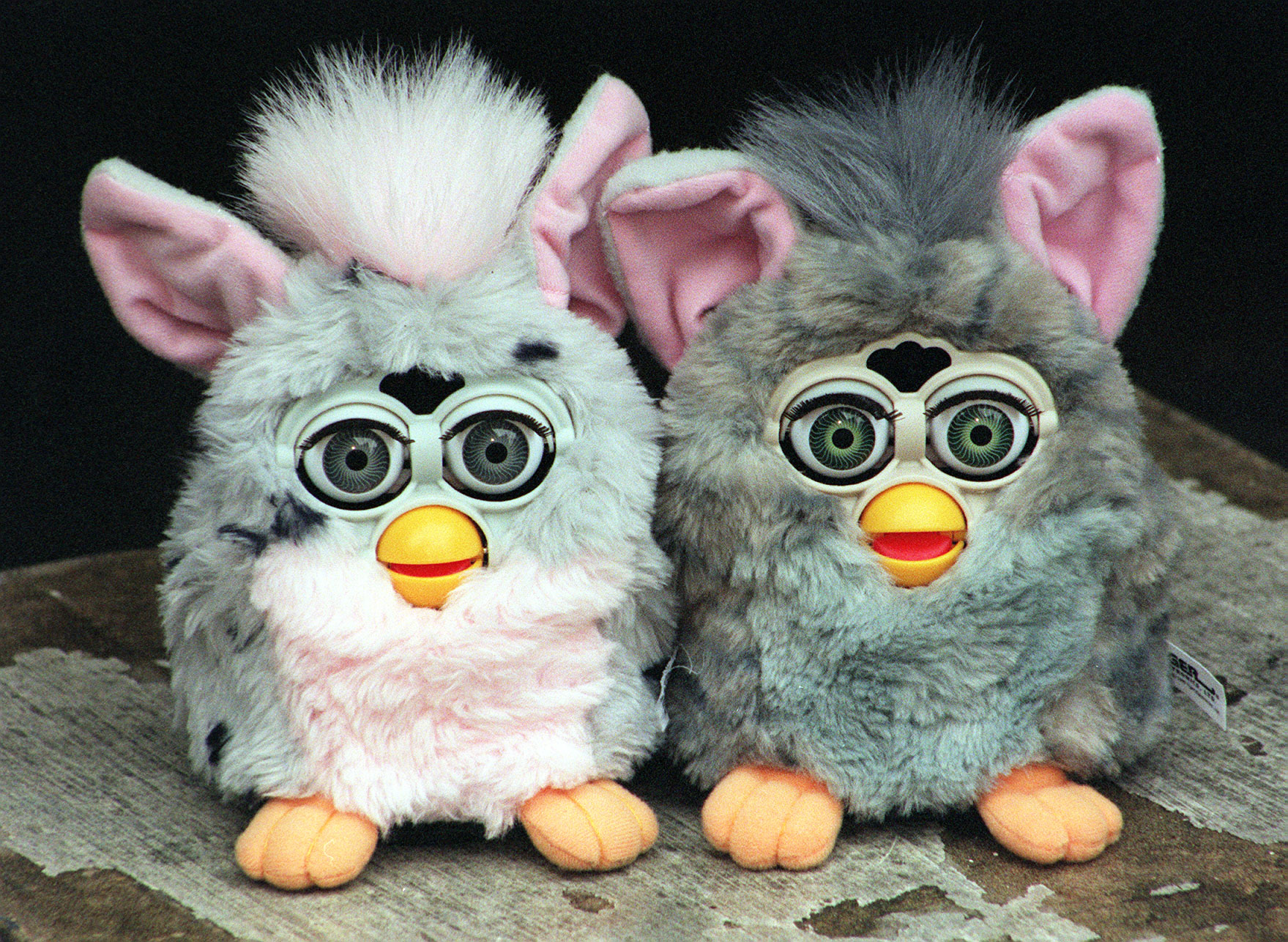
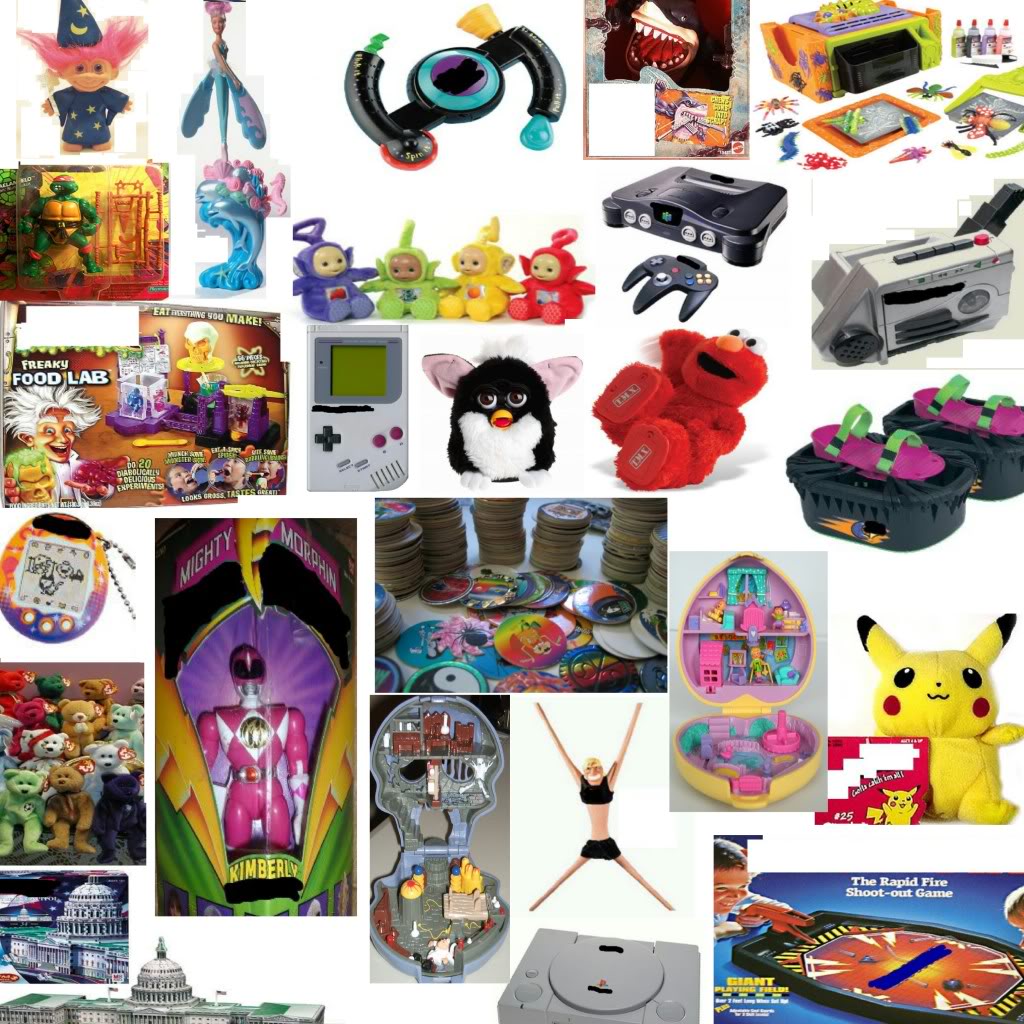
The 10 most popular toys of the 90s include iconic interactive innovations like Tamagotchi, Beanie Babies, Furby, and Tickle Me Elmo, which revolutionized mechanical movement, digital pets, and collectibledriven marketing to create unprecedented cultural phenomena during the final decade of the twentieth century.
The 1990s marked a pivotal shift in the toy industry. As analog traditions met the dawn of digital interactivity, manufacturers began creating playthings that responded to touch, simulated life, or leveraged scarcity to drive unprecedented consumer demand. For those who grew up during this era, these objects were more than mere playthings; they represented social currency on the school playground and technological marvels of their time. Examining these cultural touchstones requires looking at how they worked, why they captivated millions, and how they reshaped the modern toy market.
Understanding the Shift in 1990s Play Culture
Before diving into specific products, it is essential to understand the socio-technological landscape of the 1990s. Mass manufacturing had reached a new zenith, allowing complex microchips and synthetic materials to be produced cheaply enough for the mass market. At the same time, children's media consumption exploded through dedicated cable networks, Saturday morning cartoons, and aggressive advertising campaigns.
Toy manufacturers no longer relied solely on static action figures or board games. Instead, they engineered psychological engagement through artificial intelligence precursors, breeding scarcity, and daily maintenance mechanics. This era established templates for collectible valuation and interactive bonding that modern digital games and apps still emulate.
1. Tamagotchi (Bandai, 1996)
Introduced by Bandai in Japan in 1996 and sweeping global markets in 1997, the Tamagotchi was a pocket-sized digital pet housed in an egg-shaped plastic casing. Users interacted with the pixelated creature via three small buttons, feeding it, cleaning up its digital waste, playing games, and disciplining it to ensure it evolved successfully into adulthood.
The technological brilliance of the Tamagotchi lay in its persistent state. The virtual pet lived in real-time, meaning it could beep at any moment demanding attention—during math class, at dinner, or late at night. This forced a new level of accountability among children, who often treated their dying digital pixels with genuine emotional distress.
Key Characteristics and Operational Realities
- Interface: Three physical buttons (Select, Enter, Cancel) navigating a monochromatic LCD screen.
- Psychological Hook: Loss aversion and simulated nurturing; neglecting the pet resulted in its premature death or morphing into an alien creature.
- Cultural Impact: Banned in numerous schools worldwide due to classroom disruption, spawning countless knock-offs and modern smartphone revivals.
2. Beanie Babies (Ty Inc., 1993)
Ty Warner’s Beanie Babies transformed soft-sculpture plush toys into a speculative financial market. Stuffed with PVC pellets rather than traditional heavy stuffing to give them a lifelike flexibility, these plush animals were released in limited runs with individual names, birthdays, and poetic biographies printed on their heart-shaped paper tags.
The phenomenon relied heavily on the concept of "retirement." When Ty announced that a specific animal would no longer be produced, secondary market values skyrocketed. Adults and children alike hoarded them in protective plastic tag covers, tracking prices via monthly collector magazines in anticipation of funding college educations or retirements—a financial bubble that eventually burst at the turn of the millennium.
3. Furby (Tiger Electronics, 1998)
Released by Tiger Electronics in the fall of 1998, Furby was an animatronic creature covered in synthetic fur with expressive plastic eyes, moving ears, and a beak that synchronized with its speech. Out of the box, Furby spoke exclusively "Furbish," a fictional language, but was programmed to gradually incorporate English phrases as it interacted with its owner and other Furbies.
Furby utilized primitive infrared communication sensors located between its eyes, allowing multiple units to "talk" to one another, sing, and dance in unison. The toy's microphone allowed it to react to sound and touch, making it feel startlingly alive to children who had never experienced consumer-level robotics.
4. Tickle Me Elmo (Tyco Preschool, 1996)
Based on the beloved Sesame Street character, Tickle Me Elmo became the defining holiday shopping frenzy of 1996. When squeezed, the plush toy dissolved into helpless giggles, shook violently, and eventually uttered phrases like, "Oh, boy!" and "That tickles!"
The toy's explosive popularity was driven by a combination of viral morning talk show mentions and severe supply chain shortages. Parents camped outside department stores overnight, and physical altercations broke out in retail aisles as desperate shoppers vied for the remaining inventory. Black market prices for a single Elmo routinely exceeded ten times its retail value, establishing the modern template for holiday retail madness.
5. Pokémon Trading Card Game (Wizards of the Coast / Nintendo, 1999)
While the Game Boy titles captured imaginations globally starting in 1998, the Pokémon Trading Card Game, localized in English by Wizards of the Coast in 1999, created a massive trading ecosystem on school playgrounds. Players built custom decks featuring pocket monsters with specific elemental types, hit points, and attack moves to battle opponents.
The collectibility was fueled by rarity tiers denoted by symbols on the bottom corner of each card—common circles, uncommon diamonds, rare stars, and elusive holographic foils. The game required strategic resource management, basic mathematics, and social negotiation, making it a rare example of a complex hobby embraced by millions of children simultaneously.
6. Super Soaker 50 (Larami, 1990)
Invented by nuclear engineer Lonnie Johnson, the Super Soaker 50 revolutionized backyard water warfare. Prior to its release, water guns relied on squeeze triggers that offered pitiful range and meager water streams. The Super Soaker used a pressurized air chamber; pumping a handle compressed air inside the plastic reservoir, releasing a powerful, high-velocity stream capable of soaking targets thirty feet away.
Comparative Analysis of 90s Water Warfare Innovation
| Feature | Traditional 1980s Water Guns | Super Soaker 50 (1990) |
|---|---|---|
| Mechanism | Direct squeeze trigger pump | Pressurized air chamber & water tank |
| Range | 5 to 10 feet | Up to 30 to 40 feet |
| Capacity | Low (Internal bulb or small clip) | High (Standard 20-ounce bottle equivalent) |
| Impact | Trickle or weak spray | Sustained hydraulic stream |
7. Talkboy (Tiger Electronics, 1993)
Originally manufactured as a non-working prop for the film Home Alone 2: Lost in New York, consumer demand forced Tiger Electronics to produce a working retail version of the Talkboy in 1993. This cassette player and recorder featured a sluggish pitch-shift slider that allowed users to record their voices and alter playback speed, creating either a deep villainous rumble or a high-pitched chipmunk squeak.
Children utilized the device for endless pranks, recording family members or mimicking movie quotes. Its rugged, chunky gray plastic aesthetic perfectly captured early-90s consumer electronics design.
8. Sky Dancer (Galoob, 1994)
Sky Dancers were spinning flying dolls launched via a pull-string cord housed in a plastic base. When the user yanked the cord, the doll's foam wings rotated at extreme speeds, lifting the toy high into the air like a helicopter rotor.
While immensely popular for outdoor play, Sky Dancers gained notoriety for their erratic flight paths. The rigid plastic bodies and fast-spinning foam wings frequently collided with household lamps, trees, pets, and children's faces, leading to safety recalls and numerous regulatory warnings regarding facial and eye injuries.
9. Pogs / Milk Caps (World Pogo Association, 1993)
Originating from cardboard bottle caps used for milk in Hawaii, the modern Pog craze swept schools globally in the mid-1990s. The game required minimal investment: players stacked cardboard discs (Pogs) face down, then used heavy plastic or metal "slammer" discs to strike the stack, capturing whichever Pogs landed face up.
The appeal lay in the infinite variety of licensed artwork printed on the discs, ranging from cartoons and video game characters to sports stars and abstract neon patterns. It functioned simultaneously as a gambling game, an artistic collection, and a rapid playground currency.
10. You've Got Mail / Access-Era Tech Toys (Tiger Electronics / Various)
As the decade closed, technology shifted toward early digital interfaces and handheld electronic learning systems. Devices like the Pico system, early educational laptops, and rudimentary handheld LCD games paved the way for the internet age. These toys bridged the gap between physical play and digital processing, teaching basic typing, spelling, and logic skills wrapped in bright primary-colored plastic shells.
Frequently Asked Questions About 90s Toys
Why are 90s toys so valuable today?
Many 90s toys command high prices on the secondary market due to nostalgia-driven demand from millennials with disposable income. Pristine, unopened items—particularly Beanie Babies with rare tag errors or mint-condition Pokémon cards—attract serious collectors willing to pay premiums for childhood artifacts.
Were Tamagotchis actually able to die permanently?
Yes. If neglected for extended periods, a Tamagotchi would pass away, leaving behind a tombstone pixel graphic. However, pressing the reset button on the back of the device instantly hatched a new egg, allowing users to start the nurturing cycle over again.
Who invented the Super Soaker?
The Super Soaker was invented by Lonnie Johnson, an engineer who previously worked on NASA spacecraft systems, including the Galileo Jupiter probe. While testing a heat pump system in his bathroom, he noticed a high-pressure stream of water and realized its potential for outdoor toys.
Are original 90s toys safe for children to play with today?
Generally yes, though vintage plastic and electronics may degrade over time. Battery compartments can suffer from alkaline corrosion, and older plastics may become brittle. Additionally, toys like Sky Dancers carry inherent safety risks due to their unpredictable flight mechanics.
How did Beanie Babies change marketing?
Ty Inc. pioneered artificial scarcity by limiting production runs, retiring specific animals abruptly, and avoiding traditional major retail chains initially. This created an aggressive collector culture where consumers felt pressured to buy immediately before an item disappeared forever.
Conclusion and Preservation of Nostalgia
The toys of the 1990s captured a unique cultural crossroads where mechanical ingenuity met early electronics and aggressive marketing. Whether through the frantic hunt for a Tickle Me Elmo, the daily responsibility of keeping a Tamagotchi alive, or the tactical mastery of a Pokémon deck, these objects defined childhood for an entire generation. Preserving or rediscovering these items offers a tangible window into a decade that fundamentally altered how children played, collected, and interacted with technology.