Implementing a strategic mix of digital and local contractor advertising ideas—such as optimizing your Google Business Profile, running hyper-local geo-fenced ads, and leveraging customer referral incentives—allows trade professionals to consistently attract high-intent leads, fill seasonal schedule gaps, and scale their revenue sustainably.
In the competitive landscape of home improvement, construction, and specialized trade work, relying solely on word-of-mouth referrals is no longer enough to sustain predictable growth. Whether you are a general contractor, electrician, plumber, roofer, or landscaper, the modern homeowner turns to digital search engines, social media platforms, and online review sites before making a hiring decision. Finding the right mix of marketing strategies requires balancing immediate lead generation tactics with long-term brand building. To help your business stand out from the competition and secure a steady stream of profitable projects, examine these ten proven contractor advertising ideas designed to boost your bottom line.
1. Optimize Your Google Business Profile for Local Map Packs
For most contractors, the single highest-converting source of inbound leads is the Google Local Map Pack—the block of three local business listings that appears at the top of Google search results when a user looks for a nearby service. Optimizing this free asset is the foundational step in any contractor marketing plan.
To maximize your visibility, ensure your Business Profile is claimed, verified, and completely filled out. Your business name, physical address or service area radius, phone number, and website must match your other online directory listings precisely. Select the most accurate primary category—such as "General Contractor," "Roofing Contractor," or "Plumber"—and add relevant secondary categories for your specialized services.
Review generation and management are critical factors within this space. When a project wraps up successfully, automate a text or email follow-up containing a direct link to your review profile. Respond to all reviews, both positive and negative, in a professional and prompt manner. Furthermore, upload high-resolution photos of your completed jobs, team members in branded apparel, and equipment regularly to signal to Google that your business is active and engaged.
2. Launch Hyper-Local Paid Search (PPC) Campaigns
When homeowners experience a plumbing emergency, a leaking roof, or decide to finally renovate their kitchen, they want a solution immediately. Pay-per-click (PPC) advertising via platforms like Google Ads allows your contracting business to skip the organic SEO waiting period and place your ads directly in front of active buyers.
The key to successful contractor PPC is hyper-local targeting. Instead of bidding on broad keywords like "kitchen remodeling," which can drain your budget on out-of-area clicks that never convert, target long-tail, intent-driven phrases combined with your service area, such as "kitchen remodeling contractors in Austin TX" or "emergency roof repair near me."
Structure your campaigns into tight ad groups centered around specific services. Direct your ad clicks to dedicated landing pages tailored to that exact service rather than your generic homepage. A visitor searching for concrete pouring who lands on a page detailing concrete pouring services with a clear phone number and a simple contact form is significantly more likely to convert than one who has to dig through a cluttered website.
3. Leverage Geo-Fenced Mobile Ads Around Active Job Sites
Geo-fencing is an advanced location-based digital advertising technique that draws a virtual boundary around specific geographic areas—such as an upscale neighborhood where you are currently renovating a home, a competitor's active job site, or a commercial supply yard.
When potential clients enter these geo-fenced perimeters and browse apps on their smartphones, your display or social media ads are served to them. This creates a powerful psychological effect known as social proof. If a homeowner sees your branded truck on the street and sees an ad for your remodeling services on their phone while sitting in their living room, your brand establishes immediate local authority and trustworthiness.
Pair these geo-fenced mobile ads with localized yard signs. When you secure a project, ask the homeowner for permission to place a clean, professionally designed sign on their lawn for the duration of the work. Neighbors walking their dogs or driving by will note the sign, and if they receive a geo-fenced ad while browsing later, the visual reinforcement is magnified.
4. Build a High-Converting, Mobile-Responsive Website
Your website acts as your digital storefront. Many contractors invest heavily in driving traffic through ads, SEO, or social media, only to watch potential clients bounce away because their website takes ten seconds to load, looks broken on a smartphone, or lacks clear contact information.
A successful contractor website must be engineered for conversion. Over 60% of local search traffic originates from mobile devices, meaning your site must feature tap-to-call phone numbers, fast loading speeds, and mobile-optimized contact forms.
Essential elements to feature prominently on your homepage and service pages include:
- Clear Value Proposition: Immediately state what services you offer and the specific cities or counties you service.
- Trust Badges: Display your state license numbers, insurance certificates, industry association memberships (such as the NAHB or local chambers of commerce), and badges from review platforms like Houzz, Angi, or HomeAdvisor.
- Call to Action (CTA): Use contrasting colors for buttons that say "Get a Free Estimate" or "Schedule Your Consultation."
- Visual Proof: Feature a high-definition photo gallery categorized by project type (e.g., bathrooms, decks, additions) rather than a single massive photo dump.
5. Implement a Strategic Referral and Word-of-Mouth Program
While digital marketing drives new volume, your past clients remain your most cost-effective source of high-margin work. People trust recommendations from friends, family, and neighbors far more than traditional advertising. However, waiting passively for clients to mention your business to others is an inefficient strategy. You need a structured referral program.
Formalize your referral incentives by offering tangible rewards. For residential contractors, this might be a gift card to a popular local restaurant, a Visa gift card, or a direct discount on future maintenance or home additions for every client who refers a signed contract. For commercial contractors, consider structured referral fee agreements where legally permissible, or high-end corporate gifts.
The timing of your referral request is critical. Do not ask for a referral six months after the project ends. The ideal moment to ask is immediately after the final walkthrough when the client is thrilled with the transformation and their home is clean. Make the process frictionless by providing business cards they can hand out or a digital link they can text to a neighbor who admired their new patio.
6. Dominate Local Service Ads (LSAs)
Google Local Service Ads (LSAs) operate differently from traditional PPC ads. Instead of paying per click, you pay per lead (PPL)—meaning you are only charged when a potential customer calls your business or sends a message directly through the ad interface.
LSAs appear at the very top of search engine results pages, even above standard Google Ads and map packs. Furthermore, they feature the coveted "Google Guaranteed" badge if your business passes Google’s background checks and license verifications. This badge provides an instant layer of consumer confidence, reassuring nervous homeowners that your company is vetted and financially backed by the search engine giant itself.
Setting up LSAs requires submitting your state license numbers, proof of general liability insurance, and background checks for your field technicians or owners. Because competition varies by trade and market, maintaining a high response rate to incoming LSA leads and continuously gathering five-star reviews is essential to keeping your ad ranking high and your cost-per-lead low.
7. Show Real Project Transformations on Social Media Platforms
Platforms like Facebook, Instagram, and TikTok thrive on visual storytelling, making them ideal channels for showcasing construction, remodeling, and trade work. Homeowners love seeing dramatic "Before and After" transformations because it helps them visualize what is possible in their own spaces.
Do not just post polished final photographs. Document the journey:
- The Problem: Show the outdated, cramped kitchen or the rotting roof deck before work begins.
- The Process: Post short video clips of framing, tile setting, or custom carpentry work. Highlighting craftsmanship builds authority and separates professional contractors from budget handymen.
- The Result: Share cinematic wide-angle shots or walk-through videos of the finished project, highlighting unique design details or client reactions.
You can also leverage Meta’s advanced ad targeting tools to boost these organic posts. Target homeowners within a 15-mile radius who match demographic profiles associated with homeownership and property renovation age brackets, turning organic engagement into targeted local leads.
8. Partner with Complementary Home Service Professionals
Strategic partnerships create a symbiotic ecosystem where non-competing trade professionals cross-promote each other’s services to shared client bases. For example, a residential roofer rarely handles interior drywall repairs, and a kitchen remodeler rarely installs central HVAC systems.
Identify non-competing businesses that target the same ideal client profile in your geographic area. Reach out to local architects, interior designers, real estate agents, electricians, plumbers, and painters. Propose a formal or informal referral agreement where you recommend their services to your clients, and they do the same for you.
Real estate agents are particularly valuable partners. Agents frequently work with home buyers who purchase properties requiring immediate updates, repairs, or additions before move-in. By establishing yourself as a trusted, reliable contractor partner for local real estate agents, you secure a recurring pipeline of inspection-repair jobs and pre-sale renovations.
9. Direct Mail and Vehicle Wraps for Offline Local Presence
While digital marketing dominates modern budgets, traditional offline advertising channels still hold significant power in the contracting industry, particularly for localized trade work.
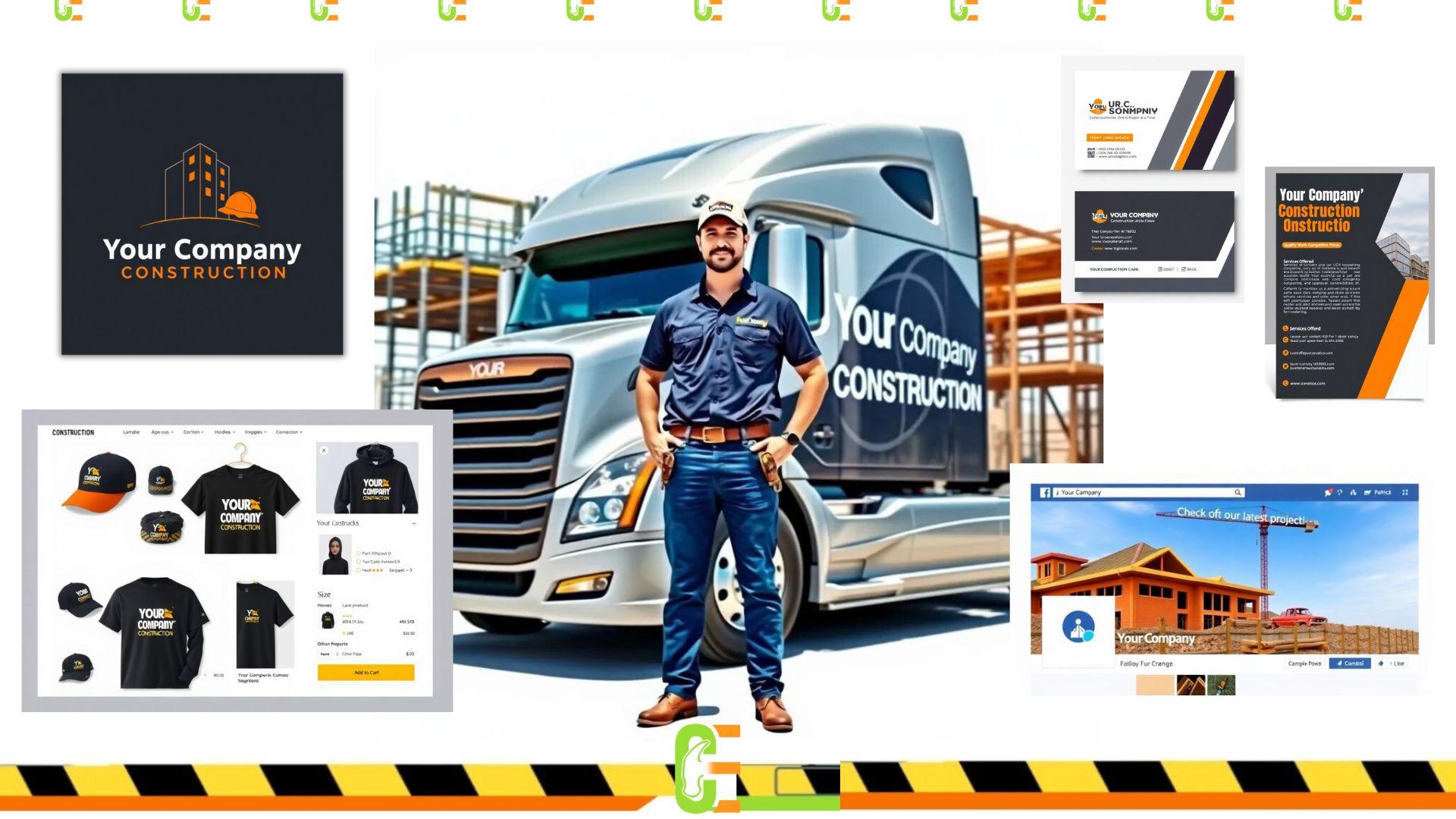
Vehicle Wraps: Your service trucks are mobile billboards operating in your target neighborhoods every day. A professionally designed, high-contrast vehicle wrap featuring your logo, core services, phone number, website, and license number turns transit time into passive brand awareness. Parked vehicles outside active job sites act as silent advertisements for every neighbor on that street.
Targeted Direct Mail: Exact-match direct mail—such as Every Door Direct Mail (EDDM) through the United States Postal Service—allows you to target specific zip codes or carrier routes. Design large, high-gloss postcards featuring a compelling seasonal offer (e.g., "Spring HVAC Tune-Up Special" or "Fall Gutter Cleaning Discount") with clear call-to-action details. Direct mail is particularly effective in established neighborhoods where homes were built around the same era and often require simultaneous maintenance, such as roof replacements or siding upgrades.
10. Implement Email Marketing and Automated Review Follow-Ups
Many contractors acquire a lead, complete the project, collect payment, and never contact the client again. This is a missed opportunity for repeat business and ongoing word-of-mouth marketing. Maintaining a database of past clients through a Customer Relationship Management (CRM) or email marketing platform allows you to stay top-of-mind.
Set up automated email sequences that nurture client relationships long after project completion:
- Maintenance Reminders: Send seasonal reminders to clients for services such as gutter cleaning, HVAC filter replacements, deck sealing, or plumbing winterization.
- Anniversary Check-Ins: Send a personalized email on the one-year anniversary of their kitchen remodel or roof installation asking how everything is holding up and offering a loyalty discount for future additions.
- Educational Content: Share short, practical home maintenance tips via a monthly or quarterly newsletter to position your business as a trusted authority.
Contractor Advertising Strategy Comparison
Review this reference table to evaluate which contractor advertising channel aligns best with your business model, budget, and timeline for lead generation.
| Advertising Channel | Setup Complexity | Cost Structure | Speed to First Lead | Best Suited For |
|---|---|---|---|---|
| Google Local Service Ads | Medium | Pay-Per-Lead (PPL) | Fast (Days) | Emergency services, plumbers, electricians, roofers |
| PPC Search Ads (Google Ads) | High | Pay-Per-Click (PPC) | Fast (Days) | High-ticket renovations, general contractors |
| Google Business Profile | Low | Free (Time investment) | Medium (Weeks) | All local contractors seeking map visibility |
| Vehicle Wraps & Yard Signs | Low | Upfront fixed cost | Immediate | Neighborhood saturation and brand awareness |
| Strategic Partnerships | Medium | Commission / Referral | Slow to Medium | Designers, realtors, specialty subcontractors |
| Social Media & Video Ads | Medium | Pay-Per-Impression | Medium | Visual transformations (landscaping, remodeling) |
Frequently Asked Questions
What is the most effective advertising method for small contractors with a limited budget?
For contractors working with a restricted marketing budget, optimizing your Google Business Profile and actively generating online reviews delivers the highest return on investment. It is entirely free to set up and maintain, places your business directly in local map results where high-intent buyers search, and builds long-term organic authority without requiring ongoing ad spend.
How much should a contractor spend on advertising?
As a general rule of thumb within the home services industry, established contractors allocate between 5% to 12% of their gross annual revenue toward marketing and advertising. Newer businesses or those aggressively looking to scale rapidly often invest up to 15% or more until their local brand recognition and organic referral loops are fully established.
Are Google Local Service Ads better than traditional Google Search Ads?
Google Local Service Ads (LSAs) and traditional Google Search Ads serve different purposes and often work best in tandem. LSAs are typically more cost-effective for direct phone calls because you only pay when a verified lead contacts you, and they feature the "Google Guaranteed" trust badge. However, traditional search ads offer greater keyword control, custom landing page routing, and are superior for promoting larger, multi-phase remodeling projects.
How can I get more reviews from past clients?
The most reliable way to secure reviews is through automation and timing. Integrate your invoicing or CRM software to automatically send a text message or email containing a direct review link immediately upon project completion. Keep the request brief, personalize it with the client's name and project type, and explain how much their feedback helps a local, independent business.
Do vehicle wraps really generate leads for contractors?
Yes, professionally designed vehicle wraps serve as effective mobile billboards. According to outdoor advertising industry data, a wrapped vehicle can generate thousands of visual impressions per day while driving or parked at active job sites. For local service providers, a clean truck displaying clear contact details acts as a visible marker of local activity and professionalism.
Final Recommendation
To maximize your advertising return, avoid spreading your budget too thin across every available platform. Start by locking down your local foundation—claim your Google Business Profile, gather reviews from past clients, and ensure your website is mobile-friendly with a clear call to action. Once your local foundation converts incoming traffic efficiently, layer on high-intent paid acquisition channels like Google Local Service Ads or targeted PPC campaigns to capture active buyers and scale your revenue predictably.