When an employee suffers a workplace injury or contracts an occupational illness, filing a workers' compensation claim is the critical first step toward securing medical care and wage replacement benefits. In jurisdictions such as California, this formal notification process begins with the submission of the DWC-1 form, officially known as the Worker's Compensation Claim Form for Workers' Compensation Benefits. This document triggers legal obligations, sets statutory timelines for employers and insurance carriers, and establishes an injured worker's right to benefits under state labor codes.
The Purpose and Legal Significance of the DWC-1 Form
The DWC-1 form serves as the foundational administrative document in the state workers' compensation system. Its primary function is to officially notify an employer that a work-related injury or illness has occurred and that the employee is claiming statutory benefits. Under state regulations, the provision and completion of this form are not merely bureaucratic formalities; they are legally mandated steps that protect the rights of both the injured worker and the employer.
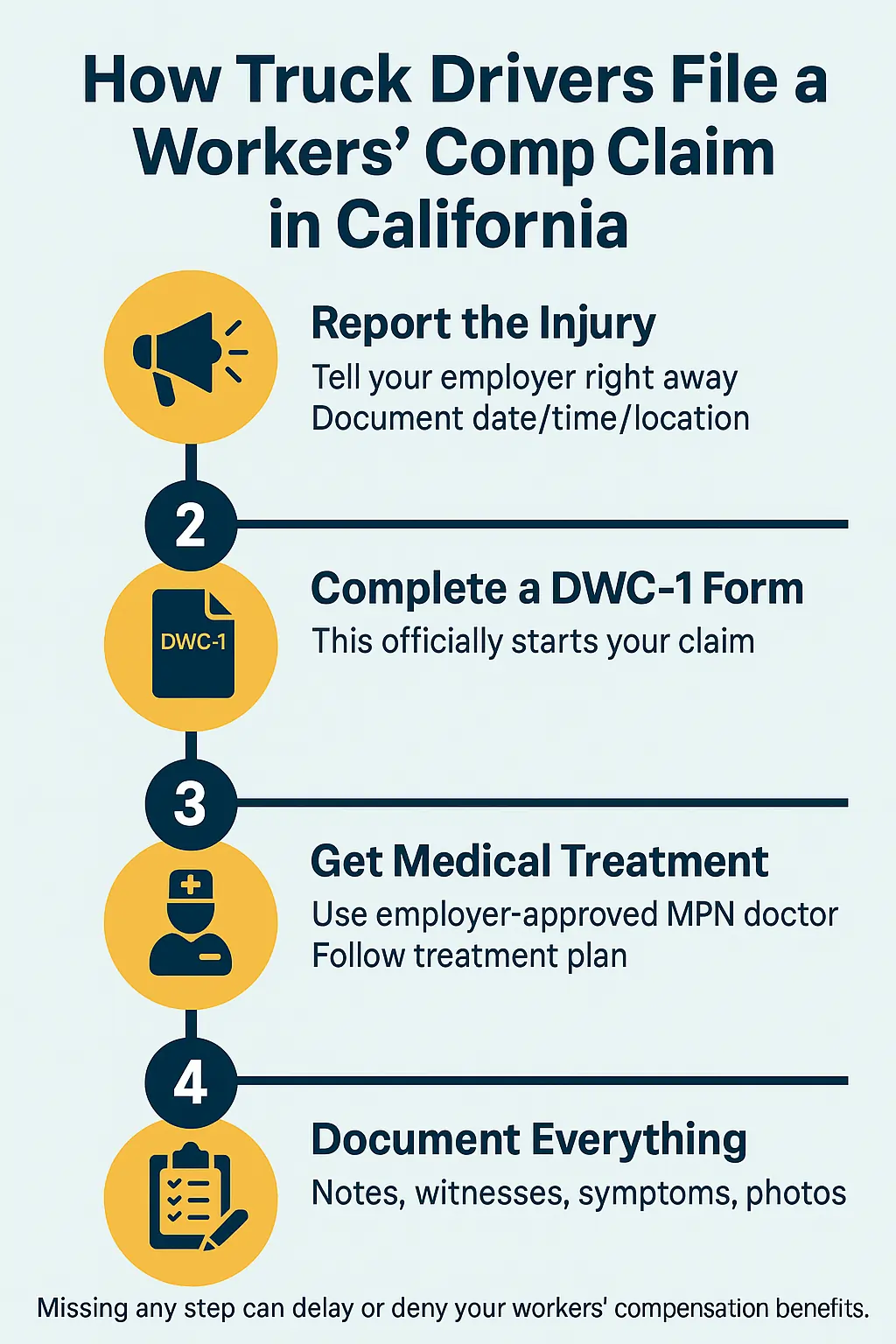
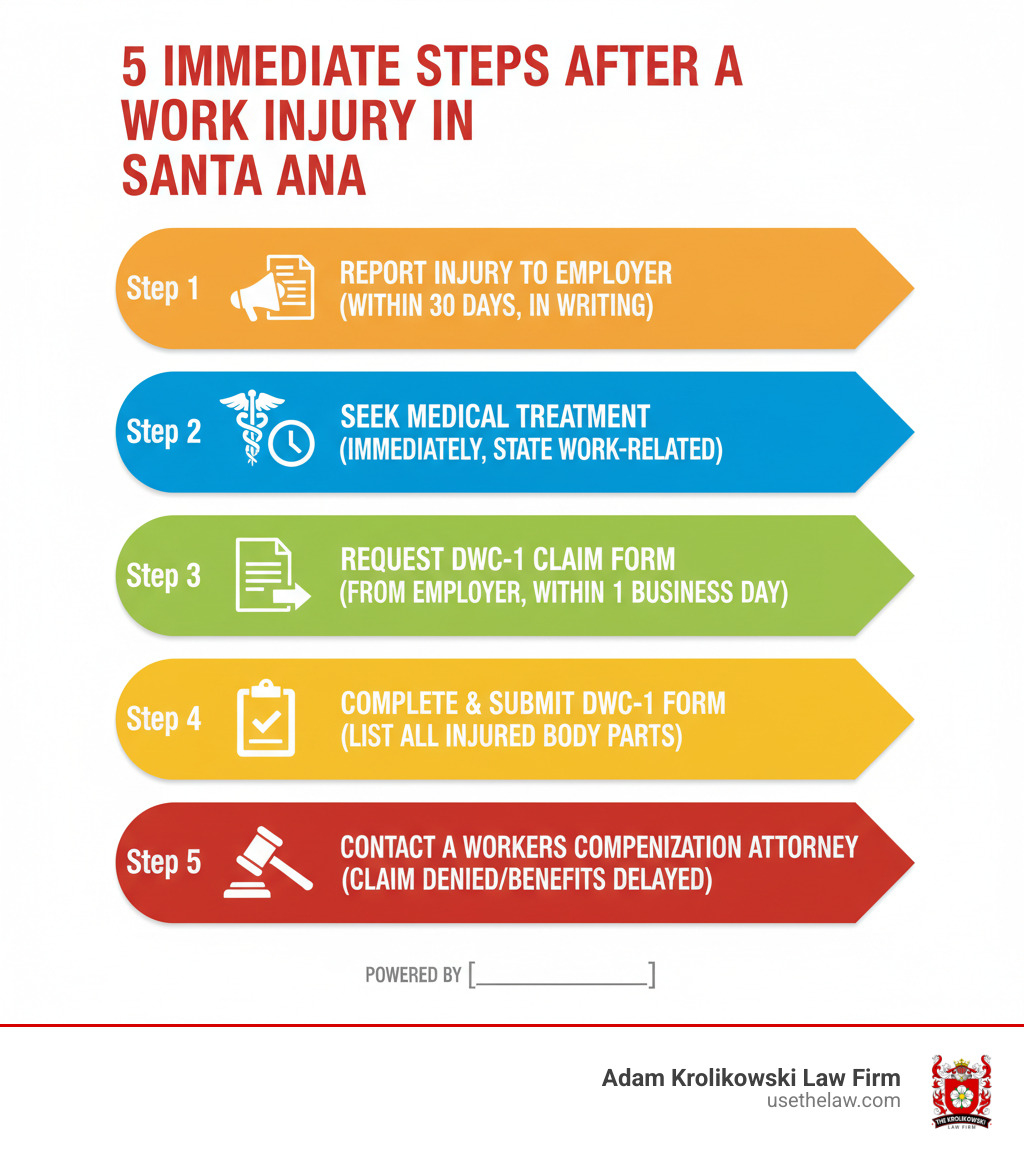
When an employee experiences a work-related medical issue, the employer is legally required to provide a DWC-1 form within one working day of receiving notice or knowledge of the injury. Submitting this form sets off a series of strict statutory deadlines. For instance, once the employer receives the completed form from the worker, they have a specified timeframe to authorize medical treatment up to a certain dollar limit while the claim is being investigated, and they must forward the form to their workers' compensation claims administrator. Failing to provide or process the form promptly can result in severe legal and financial penalties for employers, while failing to file it can jeopardize an employee's access to timely medical care and temporary disability payments.
Eligibility, Prerequisites, and When to File
Not every workplace incident requires a formal DWC-1 filing, but understanding the precise triggers ensures that injured workers do not inadvertently waive their rights. Eligibility for workers' compensation benefits generally extends to all employees—whether full-time, part-time, temporary, or seasonal—from their very first day on the job. Independent contractors are typically excluded, though misclassification is a frequent subject of legal dispute.
The primary prerequisite for filing a DWC-1 form is sustaining an injury or illness that arises out of and in the course of employment (often abbreviated as AOE/COE). This includes:
- Traumatic physical injuries caused by sudden workplace accidents, such as slips, falls, or machinery malfunctions.
- Cumulative trauma injuries resulting from repetitive motions or micro-traumas over time, such as carpal tunnel syndrome or chronic back strain.
- Occupational illnesses contracted due to workplace exposure to hazardous chemicals, toxic substances, or infectious diseases.
- Mental health injuries under specific statutory conditions, such as those caused by sudden and extraordinary workplace events or, in some cases, prolonged exposure to unlawful harassment or discrimination by management.
Employees should file the form as soon as possible after realizing that an injury or illness is work-related. In many jurisdictions, there is a strict statute of limitations—often 30 days to provide initial notice of the injury to the employer, and up to one year to file a formal claim application with the state's division of workers' compensation if disputes arise. Delaying notification can complicate the claims investigation and provide the insurance carrier grounds to contest liability.
Step-by-Step Guide to Completing the DWC-1 Form
Completing the DWC-1 form requires accuracy, clarity, and specific factual details. The document is divided into two main sections: the employee portion and the employer/insurer portion. Mistakes or omissions in filling out these sections can lead to administrative delays, processing errors, or contested claims.
Section 1: Employee’s Section (Notice of Injury)
The employee must complete the top portion of the form, providing clear and verifiable information regarding their identity, employment status, and the nature of the incident.
- Personal Information: Enter your full legal name, current home address, telephone number, and social security number. Ensure this matches the information on file with your employer's human resources department.
- Employer Details: Provide the exact legal name of your employer, the physical address where you work, and your direct supervisor's name. If you work for a subsidiary or franchise, use the specific location name rather than the corporate parent entity, if applicable.
- Date and Time of Injury: Specify the exact date the accident occurred. For cumulative trauma or occupational illnesses, enter the date you first realized that your medical condition was caused by your employment.
- Location and Description of Injury: Describe how the injury happened and what parts of your body were affected. Be specific. Instead of writing "hurt back," write "lower back strain experienced while lifting a 50-pound crate in the warehouse." List every body part affected, as adding new body parts later in the claim process can be subject to legal scrutiny.
- Signature and Date: Sign and date the form. By signing, you certify that the information provided is true and correct to the best of your knowledge.
Section 2: Employer’s Section (Receipt and Processing)
Once the employee returns the completed form, the employer or their designated representative must immediately complete the lower portion.
- Employer Information: Fill in the employer's name, address, and the name of the workers' compensation insurance carrier or third-party administrator (TPA).
- Date Received: Record the exact date the employee handed or mailed the completed DWC-1 form back to the employer. This date triggers the insurance carrier's legal timeline to accept or deny the claim.
- Policy and Claim Numbers: Enter the employer's insurance policy number and, if known, the internal claim tracking number.
- Employer Signature: A designated employer representative must sign and date the form, acknowledging receipt and confirming that a copy of the form was provided to the employee.
Responsibilities After Filing: What Happens Next?
Filing the DWC-1 form initiates a complex administrative and medical workflow managed by the employer's insurance claims administrator. Understanding the procedural milestones helps workers navigate the weeks following their injury.
| Stage | Responsible Party | Timeframe / Statutory Rule | Action / Requirement |
|---|---|---|---|
| Initial Notice | Employee / Employer | Within 1 working day of knowledge | Employer must provide DWC-1 form to the employee. |
| Form Submission | Employee | Immediately upon completion | Employee returns completed form to the employer. |
| Medical Authorization | Insurance Carrier | Up to 10,000 USD in medical care | Carrier must authorize treatment while investigating the claim. |
| Claim Decision | Insurance Carrier | Within 90 days of receiving form | Carrier must formally accept or deny liability for the claim. |
| Benefit Delivery | Insurance Carrier / TPA | Every two weeks if disabled | Payment of temporary disability benefits for wage loss. |
During the initial investigation period—which can last up to 90 days depending on the jurisdiction—the insurance carrier has the right to review medical records, interview witnesses, and request an independent medical evaluation (IME). Despite this investigation, the law typically requires the carrier to authorize up to a specified dollar amount (such as $10,000) for immediate medical treatment while the claim status is pending.
If the claim is accepted, the injured worker is entitled to fully covered medical treatment with a physician in the employer's medical provider network (MPN), reimbursement for travel expenses to medical appointments, and temporary disability (TD) benefits if the treating doctor certifies that the worker cannot perform their regular job duties. If the claim is denied, the worker receives a formal Notice of Claim Denial explaining the legal or factual basis for the rejection, after which the worker can file for a hearing before the state's workers' compensation appeals board.
Common Mistakes and Troubleshooting DWC-1 Issues
Navigating the workers' compensation system frequently uncovers common procedural pitfalls that can delay benefits or jeopardize a claim. Recognizing these errors allows workers and employers to resolve discrepancies before they escalate into formal disputes.
Failing to List All Injured Body Parts
A frequent mistake made by employees is listing only the primary site of pain on the DWC-1 form. For example, a worker who falls from a ladder might write "broken right arm" while ignoring secondary neck and shoulder strains caused by the impact. Later in the claim lifecycle, when seeking physical therapy for the shoulder, the insurance carrier may deny coverage because that body part was omitted from the original DWC-1 filing. Troubleshooting: If additional injuries manifest after filing, notify the claims administrator and your treating physician in writing immediately to amend the medical record.
Employer Refusal or Delay in Providing the Form
Some employers attempt to discourage claims by refusing to hand out the DWC-1 form or delaying its distribution. This violates state labor laws. Troubleshooting: If an employer refuses to provide the form, an injured worker can download a blank DWC-1 form directly from the state's Department of Industrial Relations or Division of Workers' Compensation website, complete it, and send it via certified mail with return receipt requested to both the employer and their insurance carrier.
Missing Deadlines and Statute of Limitations
Procrastination is a major hurdle in workers' compensation cases. Waiting months to report an injury or failing to respond to informational requests from the insurance carrier can result in an administrative dismissal of the claim. Troubleshooting: Always maintain copies of every document submitted, keep a chronological log of all communications with the employer and insurance adjuster, and consult with a qualified workers' compensation attorney or state information and assistance officer if deadlines are missed or disputes arise.
Frequently Asked Questions
What should I do if my employer refuses to give me a DWC-1 form?
If your employer refuses or delays providing the form, you do not have to wait. You can download the official DWC-1 form online from your state's department of industrial relations website. Fill out the employee section, make copies for your personal records, and send the completed document to your employer and their workers' compensation insurance carrier via certified mail to create an indisputable record of delivery.
Does filing a DWC-1 form guarantee that my medical bills will be paid?
Filing the form guarantees that your claim will be formally reviewed and that the insurance carrier must either accept or deny liability. While the claim is under investigation, the carrier is typically required to pay up to a statutory limit (such as $10,000) for necessary medical treatment. Full coverage and wage replacement benefits are guaranteed only if the carrier accepts the claim or if a workers' compensation judge rules in your favor following a dispute.
Can I change my doctor after filing a DWC-1 form?
In most jurisdictions governed by employer medical provider networks (MPNs), you must initially select a treating physician from your employer's approved network. However, regulations usually allow you to switch to a different physician within that same network at any time. If you wish to be treated by a personal physician who is outside the network, you must have pre-designated that doctor in writing prior to the date of your injury under specific statutory guidelines.
What is the deadline for filing a DWC-1 form after an injury?
While you should notify your employer immediately—and often within 30 days of the incident to protect your rights—the formal statute of limitations to file an application for adjudication of claim with the state board is generally one year from the date of injury, the date of the last medical benefit payment, or the date you realized the injury was work-related, whichever is later. Missing this statutory cutoff can permanently bar you from receiving benefits.
Will filing a workers' compensation claim affect my job security?
State and federal laws, including the Americans with Disabilities Act (ADA) and specific state labor codes, strictly prohibit employers from firing, demoting, or retaliating against an employee for filing a legitimate workers' compensation claim or requesting medical treatment. If you experience retaliation, demotion, or termination shortly after filing a DWC-1, you may have grounds for a separate wrongful termination or discrimination lawsuit.
Next Steps and Professional Guidance
Successfully navigating a workers' compensation claim requires diligence, meticulous record-keeping, and strict adherence to procedural rules. Once you have submitted your completed DWC-1 form, prioritize your recovery by attending all scheduled medical appointments and following your treating physician's work restrictions. Keep copies of every medical report, correspondence letter, and receipt related to your injury. Because workers' compensation laws vary significantly by jurisdiction and frequently undergo legislative updates, individuals facing complex claim denials, permanent disability ratings, or employer retaliation should consult with a licensed workers' compensation attorney or contact their state's Division of Workers' Compensation Information and Assistance (I&A) unit for personalized, objective guidance.