As of 2026, the digital preservation of classic hip-hop remains a critical priority for audiophiles and casual listeners alike. Sir Mix-a-Lot, the Seattle-born pioneer who brought Northwest hip-hop to the global stage, possesses a catalog that has successfully transitioned from the analog warmth of 12-inch vinyl and cassette tapes to the high-fidelity digital world. Understanding the landscape of Sir Mix-a-Lot MP3s requires looking beyond the chart-topping hits to analyze the technical quality, historical context, and official availability of his entire body of work in a digital format.
This overview serves as a technical and historical guide for those seeking to curate a high-quality digital library of Anthony Ray’s—better known as Sir Mix-a-Lot—most influential tracks. From the subterranean bass of "Posse on Broadway" to the cultural phenomenon of "Baby Got Back," the way these tracks are encoded and stored in MP3 format significantly impacts the listening experience, especially given the artist's legendary emphasis on low-end frequencies and Roland TR-808 percussion.
The Evolution of Sir Mix-a-Lot’s Digital Catalog
The transition of Sir Mix-a-Lot’s music into the MP3 era began in the late 1990s and early 2000s, often through unofficial peer-to-peer networks where early encodes were frequently of poor quality. Today, the landscape is much different. Official digital reissues and remasters have standardized the quality of his discography.
Sir Mix-a-Lot’s career is generally divided into his early independent years with Nastymix Records and his later major-label success with Rick Rubin’s Def American (later American Recordings). Each era presents different challenges and opportunities for the digital collector. The Nastymix era, characterized by tracks like "Swass" and "Seminar," features raw, high-energy production that relies heavily on clear high-hats and booming bass. If an MP3 of these tracks is compressed at a low bitrate (such as 128 kbps), the nuances of the 808 kick drums often become "muddy" or lose their punch.
By the time he released Mack Daddy in 1992, production values had shifted. These recordings were engineered for larger studios and eventually for the burgeoning digital market. Consequently, MP3 versions of 1990s-era Sir Mix-a-Lot tracks generally exhibit better dynamic range than the earlier, more DIY-oriented recordings, provided they are sourced from official 2026-era digital masters.
Technical Specifications: Bitrate and Audio Fidelity
When discussing an MP3 overview for an artist like Sir Mix-a-Lot, technical specifications are paramount. Because his music is "bass-heavy," the limitations of the MP3 format (which is a lossy compression algorithm) are more apparent than in other genres.
The Importance of 320 kbps CBR
For the best listening experience, collectors should prioritize MP3s encoded at 320 kbps Constant Bitrate (CBR). MP3 compression works by removing frequencies that the human ear supposedly cannot hear. However, in tracks like "My Hooptie" or "Testarossa," the low-frequency vibrations are essential to the song's identity.
Lower bitrates (128 kbps or 192 kbps) often struggle with "pre-echo" and "aliasing" in the low end. In 2026, storage space is rarely a concern, making the 320 kbps standard or even the V0 (Variable Bitrate) setting the only logical choice for maintaining the integrity of the original studio recording.
Remastering and Volume Normalization
Many Sir Mix-a-Lot MP3s available on modern storefronts have undergone digital remastering. This process involves increasing the overall volume (normalization) and adjusting the EQ for modern playback devices like smartphones and Bluetooth speakers. While this makes the tracks sound "louder," purists often seek out digital transfers of the original 1980s CDs to avoid the "Loudness War" effects that can sometimes flatten the dynamic peaks of the original tracks.
Analyzing the Essential Digital Discography
To build a comprehensive MP3 collection, one must understand the core albums that define Sir Mix-a-Lot’s sound. Below is a breakdown of the primary releases and what to look for in their digital versions.
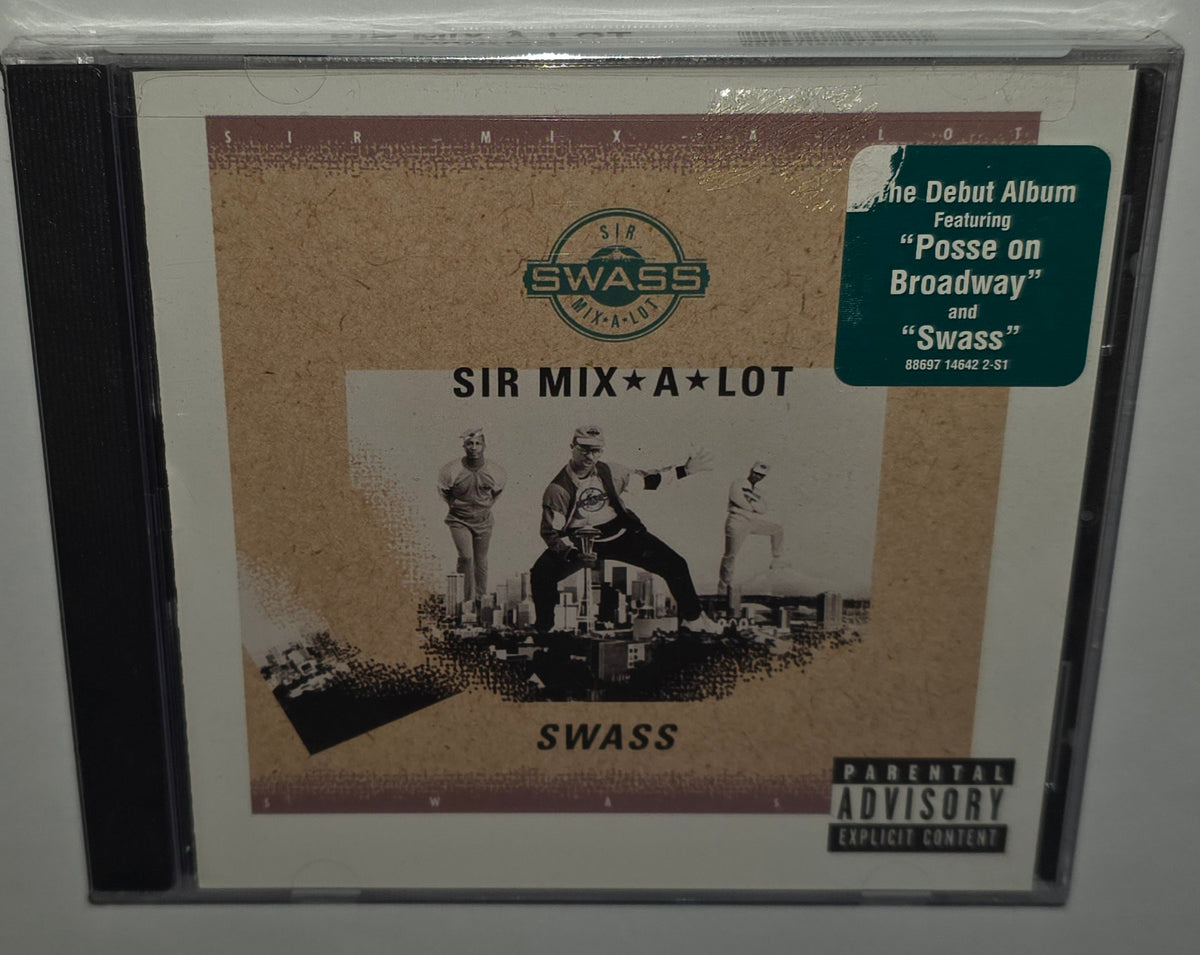
Swass (1988)
This was the debut that put Seattle on the hip-hop map. The MP3 versions of "Posse on Broadway" and "Iron Man" (a Black Sabbath cover/reimagining) are essential. Collectors should look for the 20th or 30th-anniversary digital reissues, which often include bonus tracks and cleaner transfers than the original late-90s digital rips.
Seminar (1989)
Continuing the success of Swass, this album featured "My Hooptie" and "Beepers." The digital files for Seminar are notable for their crisp electronic textures. Because this album was produced during the transition from analog to digital recording, the MP3s often sound remarkably clean compared to other 1989 hip-hop releases.
Mack Daddy (1992)
This is the diamond-certified powerhouse containing "Baby Got Back." In the digital realm, this album is the most widely available. However, there are numerous "Radio Edit" versus "Album Version" MP3s. Collectors should ensure they have the full album version to appreciate the intricate sampling and the humorous interludes that define the "Mix-a-Lot" persona.
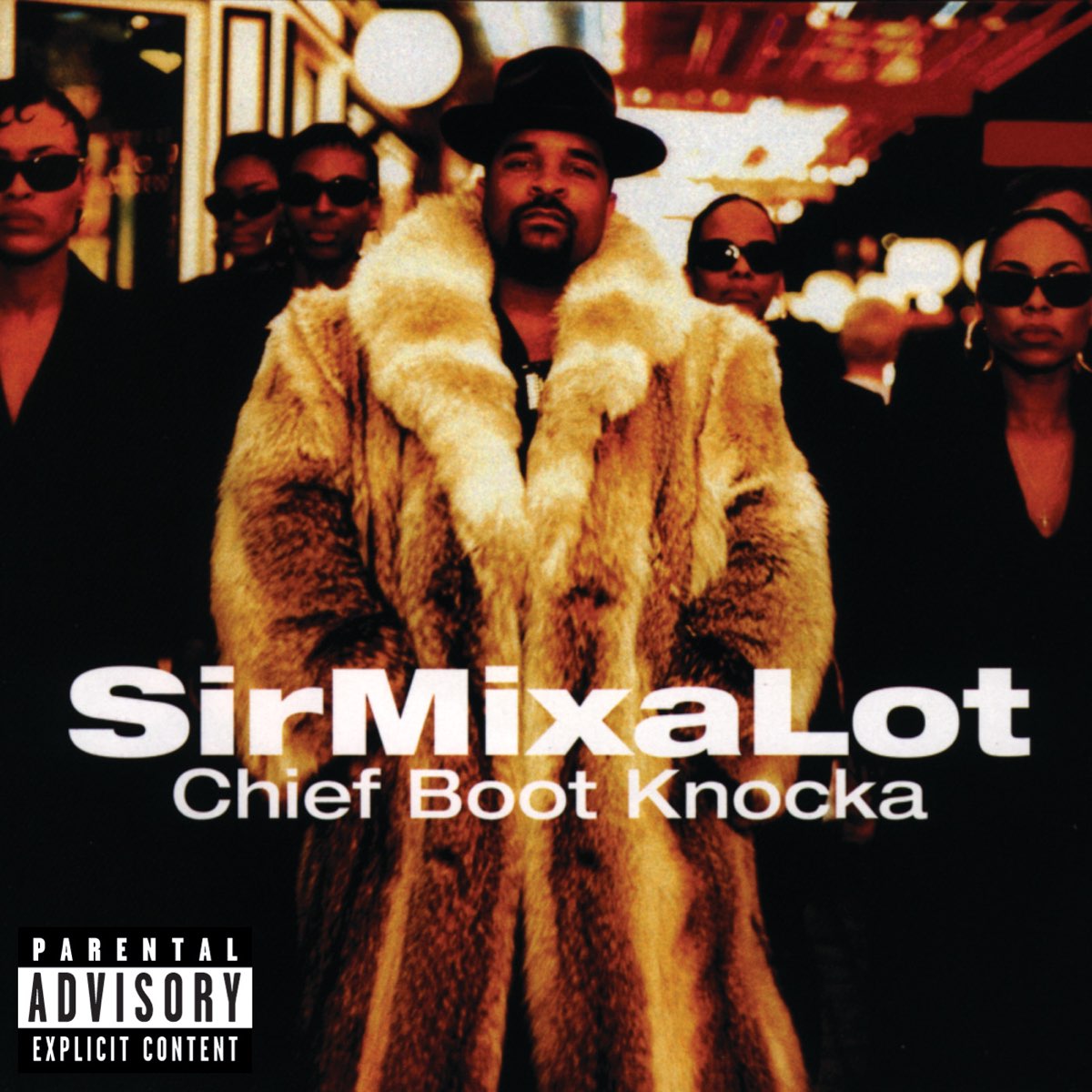
Chief Boot Knocka (1994)
This album marked a shift toward a more "G-Funk" influenced sound. Tracks like "Ride" and "Put 'Em on the Glass" showcase a more polished, cinematic production style. The digital MP3s of this era benefit from the high-end recording equipment used at American Recordings, resulting in excellent stereo separation.
Comparison of Digital Release Eras
The following table compares the different eras of Sir Mix-a-Lot's music in terms of digital availability and typical audio characteristics found in standard MP3 files.
| Era | Key Albums | Primary Digital Source | Audio Characteristic |
|---|---|---|---|
| Independent (1987-1990) | Swass, Seminar | Nastymix / Digital Reissues | High 808 emphasis, raw transients |
| Major Label (1991-1996) | Mack Daddy, Chief Boot Knocka | American Recordings / Sony | Polished, wide stereo field, high-end fidelity |
| Late Career (1997-2003) | Return of the Bumpasaurus, Daddy's Home | Various Indie Labels | Experimental, dense digital layering |
| Modern Era (2010-2026) | Singles, Features | Digital Distribution (DistroKid/Tunecore) | Maximum loudness, optimized for streaming |
Identifying Official vs. Unofficial MP3 Sources
In 2026, the risk of downloading malicious files disguised as MP3s remains a concern for those using unverified sources. To ensure both safety and the highest audio quality, it is recommended to source Sir Mix-a-Lot MP3s from reputable vendors.
- Direct-to-Consumer Stores: Sites like Amazon Music or Apple Music allow for the purchase of individual tracks or full albums in high-bitrate MP3 or AAC formats. These files include verified ID3 tags (metadata) and official album art.
- Bandcamp (If Available): Occasionally, legacy artists or their estates release "Vault" recordings on Bandcamp. These are superior because they allow the user to download the files in FLAC (lossless) and then convert them to MP3 320 kbps personally, ensuring total control over the encoding process.
- Specialized Archival Sites: For rare B-sides or the "12-inch Remix" versions of his early hits, collectors may need to look at sites like Discogs to identify which digital compilations actually contain the sought-after versions.
Avoid "YouTube to MP3" converters. These tools rip audio from a compressed video stream, leading to significant "generation loss." The resulting audio will sound hollow, with "swirly" artifacts in the high frequencies (cymbals and snares), which ruins the punchy production of Sir Mix-a-Lot’s tracks.
Metadata and Library Organization
An often-overlooked aspect of an MP3 overview is the organization of the files. For a professional-grade library, the ID3 tags must be accurate. This is especially important for Sir Mix-a-Lot because of his various collaborations and the "remix" culture of the early 90s.
- Artist Name: Consistently use "Sir Mix-a-Lot" rather than variations like "Sir Mix A Lot."
- Genre: While "Hip-Hop" is the standard, many collectors use "West Coast Hip-Hop" or "Seattle Hip-Hop" to distinguish his sound.
- Year: Ensure the "Year" tag reflects the original release date (e.g., 1988 for Swass) rather than the date of the digital reissue. This helps in chronological sorting.
- Album Art: High-resolution (at least 600x600 pixels) cover art should be embedded into the MP3 file. This is standard for files purchased through official 2026 digital retailers.
The Cultural Impact of the Digital Transition
The fact that we are discussing Sir Mix-a-Lot MP3s in 2026 speaks to the enduring nature of his work. MP3s allowed his music to travel far beyond the Pacific Northwest. In the early days of the internet, "Baby Got Back" became one of the most shared files, helping to cement its status as a permanent fixture in pop culture.
Furthermore, the digital format has allowed for the preservation of "regional" hits that might have otherwise disappeared with the death of the cassette single. Tracks like "Square Dance Rap" or the "Posse on Broadway (Godzilla Remix)" exist today primarily because they were digitized and shared by dedicated fans, eventually leading to official digital re-releases by the rights holders.
Frequently Asked Questions
What is the highest quality MP3 bitrate for Sir Mix-a-Lot songs?
The highest standard bitrate for an MP3 is 320 kbps. For an artist like Sir Mix-a-Lot, whose music relies heavily on complex low-end frequencies, this is the recommended minimum. While lossless formats like FLAC or WAV are technically superior, a 320 kbps MP3 is virtually indistinguishable from the source CD for most listeners on standard equipment.
Are there any "lost" Sir Mix-a-Lot tracks that aren't available as MP3s?
Most of his mainstream discography is fully digitized. However, some early 1980s radio promos, live "freestyles" from Seattle's KFOX, and specific regional remixes from the Nastymix era are harder to find. These often exist only as "vinyl rips" shared in enthusiast communities, which may not meet the same quality standards as official studio-sourced MP3s.
Why does my "Baby Got Back" MP3 sound different than the version on the radio?
You likely have a different "edit." There is the original album version from Mack Daddy, various radio edits (which censor certain words or shorten the intro), and several remixed versions produced for dance clubs. Additionally, different remasters (from 1992, 2002, or later) will have different volume levels and EQ balances.
Can I legally convert my old Sir Mix-a-Lot CDs into MP3s?
Yes, in most jurisdictions, "space-shifting" or "format-shifting" allows you to rip a CD you own into MP3 format for personal use. Using a high-quality ripper like Exact Audio Copy (EAC) with the LAME encoder is the gold standard for ensuring the MP3 is a faithful representation of the CD.
Does Sir Mix-a-Lot still receive royalties when I play an MP3?
If you purchase an MP3 from an official store (like Amazon or iTunes), the artist receives a portion of that sale. If you stream the song, he receives a micro-royalty per play. To best support the artist in 2026, purchasing official digital albums or merchandise is the most effective method.
Final Recommendation for Collectors
To build a definitive Sir Mix-a-Lot MP3 collection, start with the "Big Three" albums: Swass, Seminar, and Mack Daddy. Seek out the "Remastered" versions for modern listening, but try to find the "Original Pressing" digital transfers if you prefer the authentic 80s/90s dynamic range. Always verify that your files are encoded at 320 kbps to ensure the heavy bass lines—the hallmark of Sir Mix-a-Lot’s career—remain crisp and powerful. As digital formats continue to evolve, the MP3 remains the most versatile and compatible way to keep the King of Seattle’s legacy alive in your personal library.