A modern royal consort is the spouse of a reigning monarch who provides essential diplomatic, social, and emotional support to the Sovereign while lacking formal constitutional power. In 2026, the role has transitioned into a professionalized "working royal" position, focusing on high-impact philanthropy, international diplomacy, and the modernization of ancient national institutions.
Defining the Modern Royal Consort: Titles and Legal Status
The term "consort" fundamentally refers to the husband or wife of a reigning King or Queen. While the title sounds singular, its application varies significantly based on gender, tradition, and specific national laws. In most contemporary monarchies, the wife of a King is known as the Queen Consort (or simply Queen), whereas the husband of a Queen Regnant is typically titled a Prince Consort or simply a Prince of the realm.
As of 2026, the legal framework governing these roles remains primarily traditional rather than statutory. For instance, in the United Kingdom, the consort has no defined role within the British Constitution. They do not hold independent political power, they cannot sign legislation into law, and they do not have an official seat in the legislature. Instead, their status is derived entirely from their marriage to the Sovereign.
Despite this lack of formal power, the modern consort’s influence is substantial. They act as the "First Support" to the monarch, often acting as a sounding board for the Sovereign’s non-political reflections. This relationship is crucial for the stability of the monarchy, as the consort often humanizes the crown, bridging the gap between an ancient institution and a modern, democratic society.
The Professionalization of the Consort’s Office
Historically, the role of a consort was primarily dynastic—focused on producing heirs and forming strategic international alliances through marriage. In the modern era, particularly as we observe the landscape in 2026, the role has been "professionalized." A modern consort operates much like a high-level executive or a specialized diplomat.
The Private Office and Secretariat
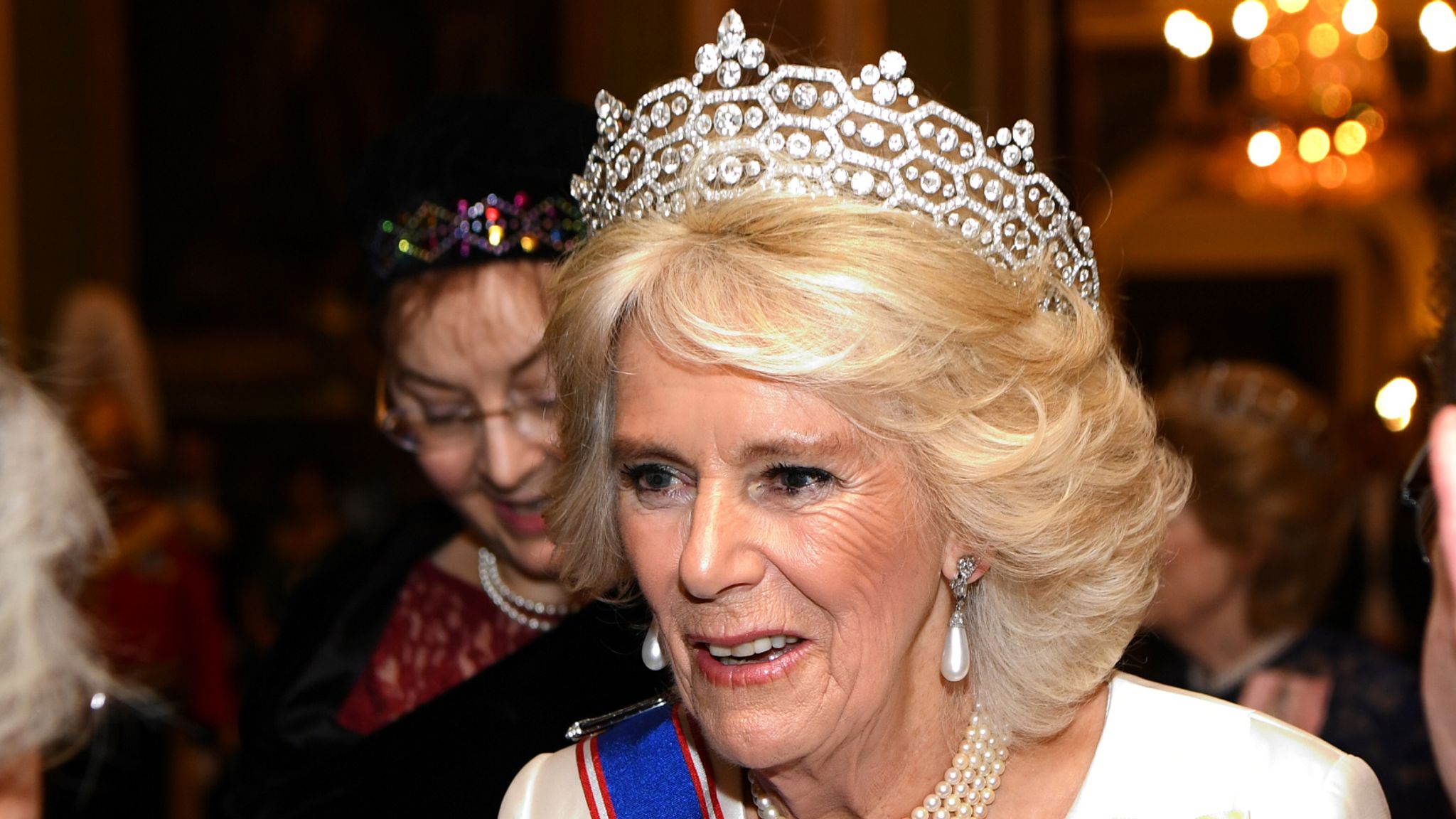
Modern consorts, such as Queen Camilla in the UK or Queen Mary in Denmark, manage their own private offices. These offices are staffed with private secretaries, press officers, and program coordinators. Their schedules are planned months, sometimes years, in advance, ensuring that their public appearances align with the broader strategic goals of the monarchy and the national government.
Managing a Portfolio of Patronages
One of the most significant developments in the modern era is the "portfolio" approach to royal duties. A consort does not simply attend parties; they champion specific causes. These causes often reflect the consort’s professional background or personal interests, such as:
- Literacy and Education: Queen Camilla’s long-standing focus on the "Queen’s Reading Room."
- Sustainability and Health: Queen Mary of Denmark’s work with the Mary Foundation to combat social isolation.
- Economic Empowerment: Queen Máxima of the Netherlands’ role as the UN Secretary-General’s Special Advocate for Inclusive Finance for Development (UNSGSA).
By focusing on these niche areas, the consort provides "soft power" benefits to their nation, raising the profile of critical social issues that might otherwise lack high-level visibility.
Key Responsibilities and Daily Functions
The daily life of a modern royal consort is a blend of ceremony, advocacy, and supportive logistics. To understand the depth of the role, one must look at the three primary pillars of their work: State, Support, and Service.
State Duties and Diplomacy
The consort is a vital tool in a nation's diplomatic arsenal. During state visits, while the monarch engages in formal meetings with heads of state, the consort often leads a "parallel program." This involves visiting cultural sites, schools, or innovative businesses to strengthen bilateral ties through cultural exchange. These activities are rarely just "photo opportunities"; they are carefully curated to support the host nation's industries and the home nation's foreign policy objectives.
Supporting the Sovereign
The psychological and logistical support the consort provides to the monarch cannot be overstated. The "job" of a King or Queen is uniquely isolating. The consort is often the only person with whom the monarch can speak with absolute candor. In public, the consort’s role is to ensure that events run smoothly, often engaging with the crowds to allow the monarch to maintain a more formal presence, or stepping in to handle smaller interactions during large-scale tours.
Community Service and Philanthropy
A modern consort typically holds hundreds of patronages. These are not merely honorary titles. In 2026, the expectation for a "working royal" is active engagement. This includes attending annual general meetings, visiting frontline facilities (such as domestic violence shelters or research labs), and using their platform to assist in fundraising efforts.
Comparison of Contemporary Royal Consorts (Status 2026)
The following table highlights how different modern consorts have approached their roles, reflecting their unique backgrounds and national expectations.
| Consort | Country | Title | Primary Focus Areas | Background |
|---|---|---|---|---|
| Queen Camilla | United Kingdom | Queen | Literacy, Domestic Abuse, Osteoporosis | Private Citizen/Charity Advocate |
| Queen Mary | Denmark | Queen | Sustainability, Mental Health, Fashion | Marketing/Law |
| Queen Máxima | Netherlands | Queen | Financial Inclusion, Youth Mental Health | Investment Banking |
| Queen Letizia | Spain | Queen | Rare Diseases, Nutrition, Journalism | News Anchor/Journalist |
| Prince Daniel | Sweden | Prince | Organ Donation, Fitness, Entrepreneurship | Business/Health Coaching |
| Prince Guillaume | Luxembourg | Hereditary Grand Duke* | Economic Development, Social Entrepreneurship | Military/Political Science |
*Note: Titles and roles are subject to specific national succession laws and traditions.
The "Consort’s Dilemma": Balancing Tradition and Identity
One of the most complex aspects of being a modern royal consort is the loss of individual professional identity. Unlike the spouses of political leaders, who may continue their own careers (as seen with various First Gentlemen or First Ladies globally), a royal consort is generally expected to abandon their private career upon marriage or accession.
The Sacrifice of Career
For individuals like Queen Letizia (a former journalist) or Queen Máxima (a former banker), the transition involves a significant pivot. They must translate their professional skills into the royal framework. This can be challenging in a digital age where the public scrutinizes every move. The "consort’s dilemma" is maintaining enough individuality to be relatable and effective while remaining sufficiently traditional to satisfy the requirements of a hereditary institution.
Public Scrutiny and Media Pressure
In 2026, the media landscape is more fragmented and instantaneous than ever. A modern consort must navigate social media, 24-hour news cycles, and the constant threat of misinformation. They are often the subject of intense fashion criticism, personality analysis, and comparisons to their predecessors. Successfully managing this pressure requires a high degree of emotional intelligence and a robust public relations strategy.
Legal and Financial Considerations
The funding of a consort’s activities is a matter of significant public interest and varies by country. Generally, the consort does not receive a direct "salary" from the government. Instead, their activities are funded through the Sovereign’s official budget (such as the Sovereign Grant in the UK) or through private royal estates (like the Duchy of Lancaster or the Duchy of Cornwall).
Official Expenses
Expenses covered typically include:
- Staffing: Salaries for the Private Office and household staff.
- Travel: Costs associated with official state visits and domestic tours.
- Security: High-level protection provided by national police or military forces.
- Residences: The maintenance of official apartments within royal palaces.
Transparency and Accountability
In the 2020s, there has been a global push for greater transparency in royal finances. Most modern monarchies now publish annual financial reports detailing how public funds are spent. Consorts are increasingly expected to demonstrate "value for money" through the impact of their charitable work and their contribution to national "soft power" and tourism.
The Future of the Role: Evolution Toward 2030 and Beyond
As we look forward from 2026, the role of the royal consort is likely to become even more specialized. With the "slimming down" of many European monarchies, the consort’s role becomes more critical because there are fewer "working royals" to share the burden of public engagements.
We can expect to see:
- Increased Global Advocacy: Consorts taking on more formal roles with international bodies like the UN or the World Health Organization.
- Focus on Digital Presence: Using virtual reality and advanced social media to connect with younger generations who may feel disconnected from the concept of monarchy.
- Greater Focus on Diversity and Inclusion: Consorts playing a leading role in ensuring the monarchy reflects the multicultural nature of modern societies.
The modern royal consort is no longer just a spouse; they are a vital institutional asset. Their success is measured not by the crown they wear, but by the tangible impact they make on the social fabric of their nation and the degree to which they can help the monarchy adapt to an ever-changing world.
Frequently Asked Questions
Does a royal consort have any political power?
No, a royal consort does not hold any formal political or constitutional power. They cannot vote on legislation, command the military, or interfere in governmental affairs. Their role is strictly ceremonial, diplomatic, and charitable. Their influence is limited to "soft power," which involves using their public profile to highlight social issues and support national interests.
What is the difference between a Queen Regnant and a Queen Consort?
A Queen Regnant is a female monarch who rules in her own right (such as the late Queen Elizabeth II). She is the head of state. A Queen Consort is the wife of a reigning King. While she holds the title of Queen, she does not possess the sovereign powers of the monarch and acts in a supportive capacity.
Can a consort become the monarch if their spouse dies?
In most modern monarchies, the consort does not inherit the throne if the monarch dies. The crown passes to the next person in the line of succession, usually the monarch's eldest child. The surviving consort may be titled "Queen Dowager" or "Queen Mother" (if they are the mother of the new monarch), but they do not remain the reigning head of state.
How is a modern consort’s work funded?
A consort’s work is typically funded through a combination of public grants (taxpayer money) and private royal income. Public funds usually cover official travel, security, and the staffing of their private office, as these activities are considered part of their service to the state. Personal expenses and certain charitable endeavors may be funded through the royal family’s private estates and investments.
Why do some male spouses of Queens not receive the title of King?
This is largely due to historical patriarchal traditions. Historically, the title of "King" was seen as superior to "Queen." To ensure that the Queen Regnant was recognized as the sole head of state, her husband was often given the title of "Prince Consort" or "Prince" to avoid the implication that he outranked her. While gender equality has advanced, many monarchies have retained these traditional titling conventions.
Practical Recommendation for Further Research
To gain a deeper understanding of the specific impact of a modern consort, it is recommended to review the Annual Sovereign Grant Reports (for the UK) or the official state websites of the Scandinavian and Dutch Royal Houses. These documents provide verified data on the number of engagements, the cost of operations, and the specific charities supported by the consorts. Observing the "Court Circular" or similar official diaries can also provide a day-to-day perspective on how the role is executed in real-time.