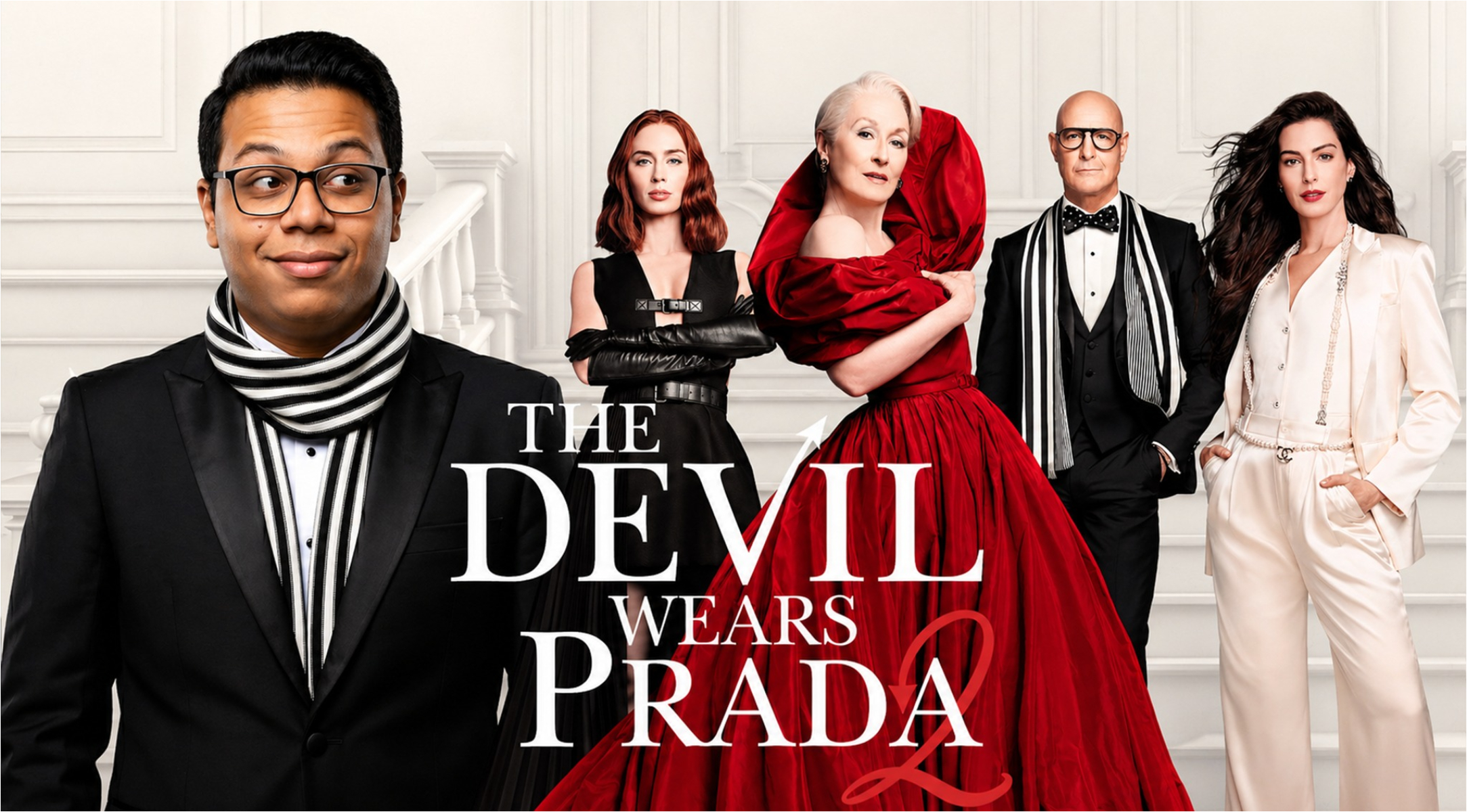
The 2006 film The Devil Wears Prada, directed by David Frankel and distributed by 20th Century Fox, was a massive commercial success. It grossed approximately $326.7 million globally against a production budget of $35 million. This high return on investment cemented the film’s status as a quintessential mid-budget box office triumph in modern cinema history.
Contextualizing the Financial Impact of The Devil Wears Prada
In the landscape of 2006 cinema, The Devil Wears Prada emerged as an unexpected juggernaut. While industry analysts anticipated a modest performance for a comedy-drama centered on the high-fashion industry, the film transcended its niche premise. To understand why its box office performance remains a case study for studio executives, one must look at the convergence of star power, release timing, and critical reception.
At the time of its release, the film benefited from the immense cultural capital of Meryl Streep and Anne Hathaway. Streep’s portrayal of Miranda Priestly, modeled after high-profile figures in fashion journalism, generated significant pre-release buzz. Furthermore, the film was released in late June, positioning it as a sophisticated alternative to the louder, CGI-heavy action blockbusters that dominated the summer season. By offering a "prestige" comedy experience that appealed to a broad demographic, 20th Century Fox successfully captured a segment of the audience that was underserved by the traditional summer tentpole slate.
Breaking Down the Box Office Numbers
The film’s financial journey is characterized by its remarkable "legs"—a term used in the industry to describe a movie’s ability to remain profitable over a long period due to positive word-of-mouth rather than just a high opening weekend.
Domestic vs. International Performance
The domestic market (United States and Canada) accounted for roughly $124.7 million of the total gross. While this was a strong opening performance, the international market contributed an additional $202 million. This international dominance is particularly notable because, at the time, films about the American fashion industry were often expected to have limited appeal outside major urban centers in the West. However, the themes of corporate workplace dynamics and personal ambition proved to be universal, allowing the film to resonate with audiences globally.
Budget and Profitability
With a production budget of $35 million, the film’s profitability ratio was exceptionally high. When factoring in marketing and distribution costs (often referred to as P&A, or prints and advertising), the total investment was likely in the neighborhood of $70 million. With a global haul of $326.7 million, the film provided 20th Century Fox with a significant profit margin, even after accounting for the exhibition and distribution shares that keep ticket revenue from returning 100% to the studio.
| Financial Metric | Approximate Value (USD) |
|---|---|
| Production Budget | $35,000,000 |
| Domestic Box Office | $124,700,000 |
| International Box Office | $202,000,000 |
| Total Global Gross | $326,700,000 |
| Estimated Return on Investment | High |
Factors Influencing Sustained Theatrical Revenue
The longevity of The Devil Wears Prada in theaters was not accidental. Several key factors contributed to its ability to maintain high ticket sales throughout the summer of 2006.
Positive Critical Reception and Word-of-Mouth
Upon release, the film received strong critical reviews, particularly regarding Meryl Streep’s performance. In the era before social media dominated film discourse, traditional professional reviews and "water cooler" conversations were the primary engines of box office growth. As viewers left theaters praising the film’s wit and the portrayal of the "Runway" magazine offices, it encouraged repeat viewings and drew in skeptical audience members who might have initially dismissed the film as a niche fashion drama.
Strategic Scheduling
By positioning the film as a counter-programming option, 20th Century Fox ensured that they were not competing directly for the same audience as the summer's massive superhero sequels. This strategy provided a "long tail" for ticket sales, as the film remained in theaters for months, capturing audiences who wanted a high-quality, dialogue-driven film after the initial rush of the summer blockbuster season had subsided.
The Appeal of the "Workplace Drama" Genre
While marketed as a comedy, the film functions effectively as a workplace drama. This genre is inherently relatable; the dynamics between an demanding boss and an ambitious, overworked assistant translate across cultures. This relatability ensured that the film did not fall off the charts as quickly as genre-specific comedies, which often suffer from diminishing returns once the initial target audience has seen them.
Analyzing the "Mid-Budget" Economic Model
The success of The Devil Wears Prada is frequently referenced in 2026 as a reminder of the viability of mid-budget films. In the current industry, studios have shifted largely toward massive, high-budget franchises. However, the 2006 performance of this film serves as proof that a $35 million investment, when backed by a compelling script and top-tier talent, can result in a massive financial win.
When studios analyze the "box office" of such films today, they often use the 2006 data to justify projects that emphasize character development over spectacle. The film’s success proved that audience demand for mature, grounded storytelling is substantial and can reliably produce high-revenue results that rival the returns of larger franchise entries.
Frequently Asked Questions
1. Was The Devil Wears Prada considered a box office surprise? Yes. While it had strong casting, it was not a massive franchise movie or an action film. The industry was surprised by how much money it continued to generate week after week, demonstrating that audiences were craving adult-oriented comedy-dramas.
2. How much did the film gross compared to its budget? The film grossed approximately 9.3 times its production budget. In the motion picture industry, a return of 2 to 3 times the budget is generally considered a success; therefore, earning over 9 times the budget is classified as a significant commercial windfall.
3. Why did the film perform so well internationally? The film's themes of professional ambition, workplace politics, and the balance between personal life and career are universal. Because these experiences are not specific to the United States, the film’s narrative resonated deeply with international audiences.
4. Does the 2006 box office include home media or streaming sales? No. The box office totals refer strictly to ticket sales at theatrical venues worldwide. Home media sales (DVD, Blu-ray), digital rentals, and licensing for streaming platforms in later years represent additional revenue streams distinct from the theatrical box office.
5. How does this film influence current studio strategy? It is often cited as a benchmark for "prestige comedy." Studios look at its performance as evidence that a well-written, star-driven film can perform as well as, or better than, high-budget spectacle movies by targeting a broader, more mature demographic.
Next Steps for Evaluating Box Office Data
If you are researching the financial history of cinema, the most effective next step is to cross-reference theatrical gross data with the film’s production and marketing budget to understand the true "net profit" for the studio. Because box office reports rarely include marketing costs—which can often match the production budget—looking for "fiscal year" reports from parent companies or major trade publications like Variety or The Hollywood Reporter from 2006 can provide a clearer picture of the final financial impact. For historical research, use reputable databases like Box Office Mojo or The Numbers to ensure the figures match historical filings rather than anecdotal reports.