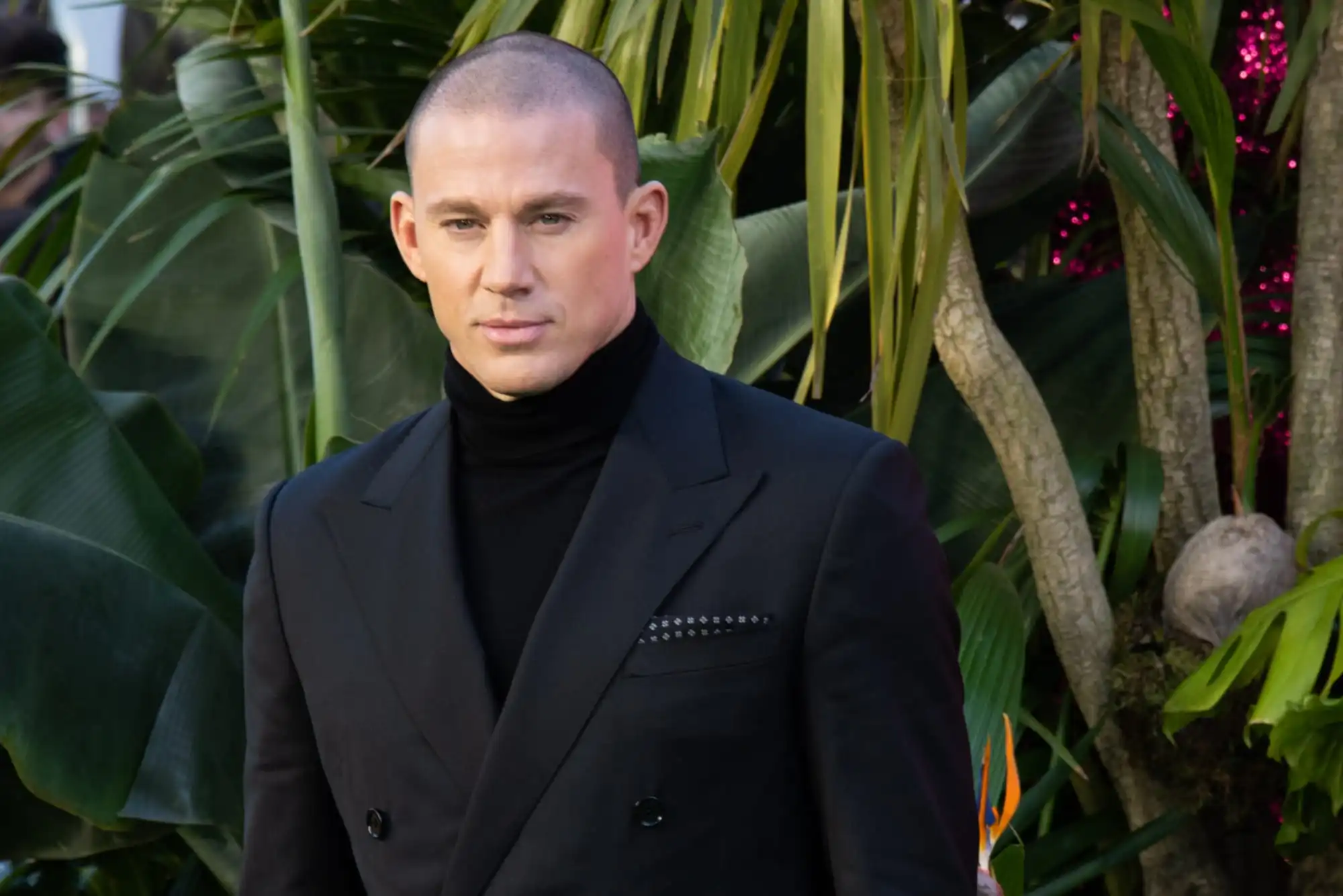
The single most consequential creative pivot regarding the cast of Deadpool 3 (released theatrically as Deadpool & Wolverine in 2024) was the historic casting and realization of Channing Tatum as Remy LeBeau, aka Gambit, bringing a beloved cinematic "what-if" project to live-action fruition after years of false starts.
The cinematic landscape of comic book adaptations is littered with cancelled projects, unrealized development cycles, and fan-casting dreams that never materialize on the silver screen. Among the most infamous of these lost treasures was 20th Century Fox’s long-gestating solo Gambit movie, which spent nearly a decade lingering in development hell with actor Channing Tatum attached to star and produce. When Disney acquired 21st Century Fox in 2019, the solo Cajun mutant project was officially shelved, seemingly consigning Tatum’s physical preparation, custom trench coat fittings, and meticulously cultivated Louisiana accent to the annals of Hollywood history. However, the production of Deadpool & Wolverine enacted a seismic shift in this narrative. By resurrecting the dormant character and casting Tatum in the actual live-action film rather than offering a fleeting cameo or hiring a different actor, the production delivered one of the most talked-about legacy casting payoffs in modern superhero cinema. This comprehensive exploration examines how this pivotal casting decision unfolded, the historical context of the canceled Fox project, the technical and logistical hurdles of bringing the character to life, and the broader implications for the Marvel Cinematic Universe (MCU).
The Genesis of a Canceled Dream: Channing Tatum and the Fox Gambit Film
To fully appreciate the weight of Gambit’s inclusion in Deadpool & Wolverine, one must examine the arduous journey Channing Tatum undertook to bring the character to the screen. Long before Marvel Studios integrated the X-Men intellectual property into its sprawling cinematic universe, 20th Century Fox operated a separate, sprawling mutant franchise. Following the character's introduction—and subsequent fan dissatisfaction—in 2009's X-Men Origins: Wolverine (where Taylor Kitsch played the card-slinging mutant), Fox sought a fresh, star-driven vehicle for the charismatic thief.
Channing Tatum championed the project with relentless enthusiasm. Alongside his producing partner Reid Carolin, Tatum envisioned a romantic heist film wrapped in a superhero aesthetic, drawing heavy inspiration from the distinct cultural texture of New Orleans. Directors such as Rupert Wyatt, Doug Liman, and Gore Verbinski were successively attached to helm the picture, and a release date was even officially scheduled by the studio. Yet, creative differences, script rewrites, and the eventual corporate acquisition by The Walt Disney Company brought the production to a definitive halt. For years, Tatum expressed genuine heartbreak over the project's demise, noting in various retrospective interviews that he had invested deeply in the character's physical conditioning, card-throwing mechanics, and dialect. The cancellation felt absolute, leaving fans to wonder what might have been if corporate mergers had not swept the board clean.
Ryan Reynolds, Marvel Studios, and the Mechanics of the Cameo
The transition from a dead franchise to a triumphant cinematic appearance hinges largely on the unique creative ecosystem fostered by Ryan Reynolds and Marvel Studios President Kevin Feige for Deadpool & Wolverine. As the first R-rated entry within the MCU umbrella, the film was designed explicitly as a celebratory, irreverent swan song for the 20th Century Fox era of Marvel adaptations, pulling characters from the multiverse fringes to honor two decades of superhero filmmaking outside the traditional MCU continuity.
Ryan Reynolds has frequently spoken about his personal advocacy for Tatum’s version of Gambit. Knowing that Tatum had spent years preparing for a role he was never permitted to play, Reynolds and director Shawn Levy recognized the profound meta-textual resonance of casting Tatum as a variant of Gambit trapped in the Void—a desolate wasteland at the end of time where discarded timeline elements are sent to perish. This meta-narrative layer served a dual purpose: it functioned as a hilarious, self-aware joke about Hollywood's development hell while simultaneously delivering an unadulterated, fan-pleasing spectacle. When Tatum steps onto the screen wielding kinetic-charged playing cards and speaking in an exaggerated, high-energy Cajun brogue, the performance is fueled by real-world catharsis. It transforms what could have been a standard CGI-heavy cameo into an emotional validation of an actor's decade-long persistence.
Character Conception, Costume Design, and Combat Choreography
Translating Gambit from comic book panels to live-action cinema presented distinct design and technical challenges. Past attempts at adapting the X-Men often favored sleek, utilitarian black leather over comic-accurate aesthetics, a trend that frequently disappointed purists. For Deadpool & Wolverine, the costume department embraced the vibrant, unapologetic visual language of the source material.
| Element | Comic Book Source | Fox Unmade Project Vision | Deadpool & Wolverine Realization |
|---|---|---|---|
| Costume | Magenta and blue tactical armor, metal boots, signature headgear or swept-back hair | Modernized trench coat, street-level thief aesthetic | High-fidelity comic-accurate trench coat, chest armor, and glowing pink kinetic accents |
| Accent | Distinct thick Cajun patois (Creole-influenced Louisiana dialect) | Grounded, gritty Southern dialect | Exaggerated, authentic-leaning Cajun cadence played for both action and comedic effect |
| Powers | Molecular acceleration turning inanimate objects into explosive projectiles | Ground-level hand-to-hand combat combined with kinetic card throwing | Wire-fu action choreography, staff mastery, and visual effects-heavy card explosions |
| Narrative Status | Core X-Men team member and solo protagonist | Planned romantic heist solo film lead | Multiversal survivor residing in the Void |
As outlined in the comparison above, the final realization of Gambit in the film bridged the gap between stylized comic book fidelity and practical cinematic action. The signature brown trench coat, metallic armor plating, and glowing pink kinetic energy effects were meticulously recreated. Furthermore, the action choreography relied heavily on practical stunt work blended with digital effects to showcase Gambit’s signature staff combat—known as bojutsu—and his lethal proficiency with playing cards. Tatum underwent intensive physical training to ensure his movements mirrored the agile, acrobatic thief depicted in classic 1990s animation and comic runs.
Cultural Impact and Fan Reception
The introduction of Tatum’s Gambit generated an immediate wave of viral enthusiasm across social media platforms upon the film's theatrical release in July 2026. Moviegoers responded enthusiastically not only to the novelty of seeing a long-rumored project momentarily brought to life, but also to the sheer commitment Tatum brought to a role he had fought for over fifteen years.
This reception sparked intense industry speculation regarding the future of the character within the broader cinematic landscape. While Marvel Studios has maintained strict confidentiality regarding post-Multiverse Saga casting rosters, public sentiment has amplified calls for Tatum to reprise the role in future ensemble projects, such as Avengers: Secret Wars. The casting decision serves as a masterclass in fan service that respects narrative continuity while subverting expectations, proving that even abandoned cinematic endeavors can find a second life through clever Multiversal storytelling.
Related Questions and Contextual Inquiries
Will Channing Tatum play Gambit in future MCU movies?
As of 2026, Marvel Studios has not officially announced a dedicated solo project or a permanent role for Channing Tatum’s Gambit following Deadpool & Wolverine. However, the positive critical and audience reception has kept the door open for potential multiversal cameo appearances in upcoming crossover films.
Why was the original standalone Gambit movie canceled?
The standalone film experienced multiple delays due to shifting directorial assignments, script revisions, and creative disagreements over the tone—balancing a romantic comedy heist with a superhero blockbuster. The ultimate cancellation occurred when The Walt Disney Company acquired 21st Century Fox in 2019, leading to the dissolution of Fox's independent Marvel development slate.
How did Taylor Kitsch's version of Gambit compare?
Taylor Kitsch portrayed Remy LeBeau in 2009's X-Men Origins: Wolverine, presenting a more grounded, gritty, and modern interpretation of the character without the iconic comic-accurate costume or heavy accent. Tatum's version leaned significantly closer to the comic book source material in visual design, dialogue cadence, and overt stylistic flair.
What is the Void in Deadpool & Wolverine?
In the narrative of the film, the Void is a multiversal garbage dump overseen by the Time Variance Authority (TVA) where pruned timelines, discarded characters, and forgotten variant realities are sent to exist, ruled over by the antagonist Cassandra Nova.
Practical Considerations and Industry Takeaways
For aspiring filmmakers, screenwriters, and entertainment industry analysts, the journey of Tatum's Gambit offers several key lessons in tenacity, brand equity, and the power of meta-narrative execution.
- Persistence in Development: Intellectual property rights and studio landscapes shift constantly; maintaining relationships and public enthusiasm can occasionally resurrect seemingly dead projects years later.
- The Power of Meta-Commentary: Modern audiences respond strongly to self-aware storytelling that acknowledges real-world Hollywood production history, turning behind-the-scenes trivia into in-universe humor.
- Balancing Fidelity and Realism: Adapting fantastical comic book aesthetics requires a careful balance between honoring legacy designs and ensuring they function practically within live-action cinematography.
Conclusion
The inclusion of Channing Tatum as Gambit stands as the single most inspired casting pivot in Deadpool & Wolverine, transforming a Hollywood ghost story into a triumphant cinematic reality. By honoring years of unrealized creative labor, the production delivered a memorable sequence that resonated deeply with fans and critics alike. Whether this fleeting appearance marks the absolute conclusion of Tatum's tenure as the Cajun mutant or merely the explosive opening chapter of a wider MCU future, it remains a definitive highlight of modern superhero cinema.