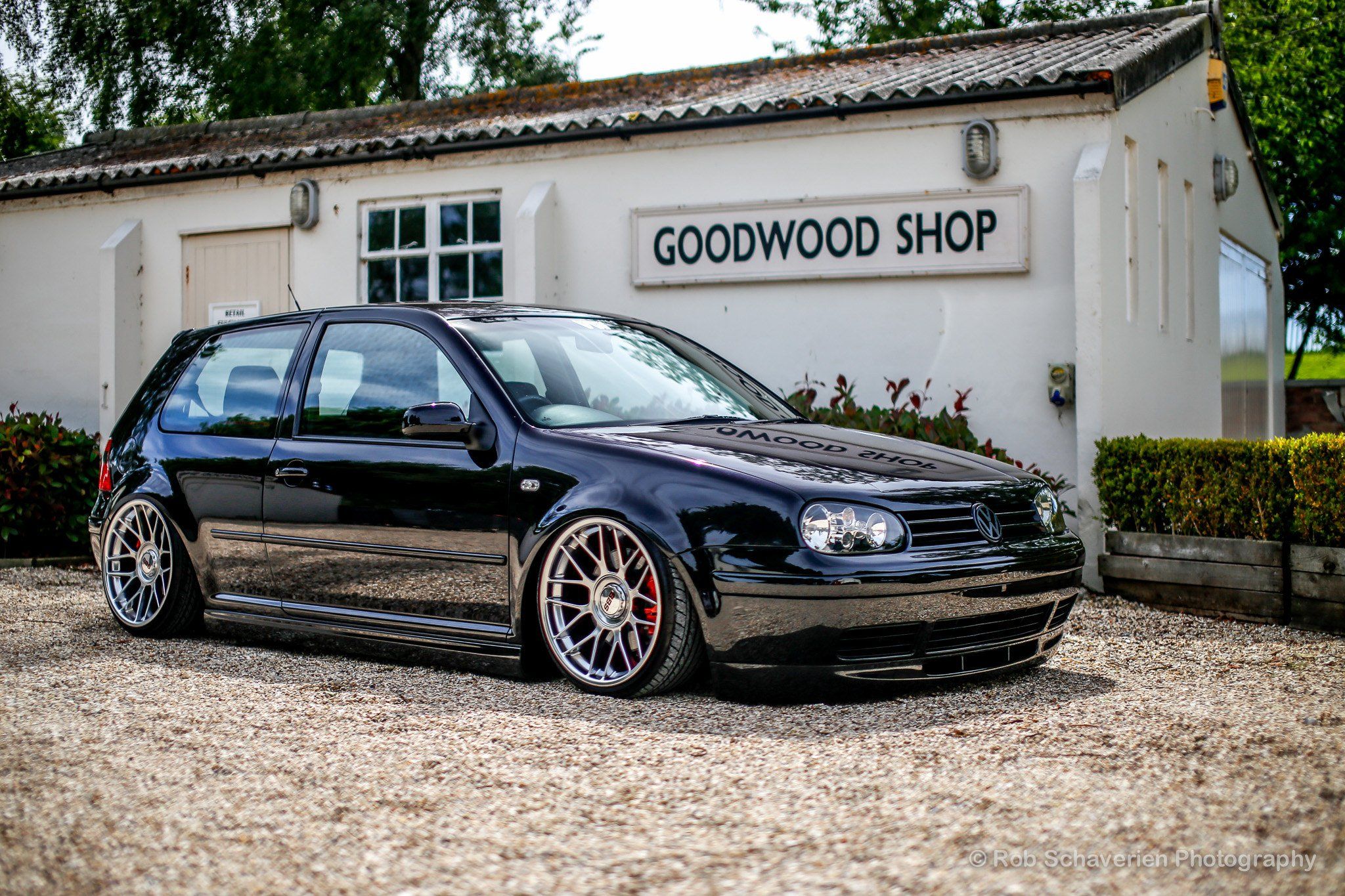
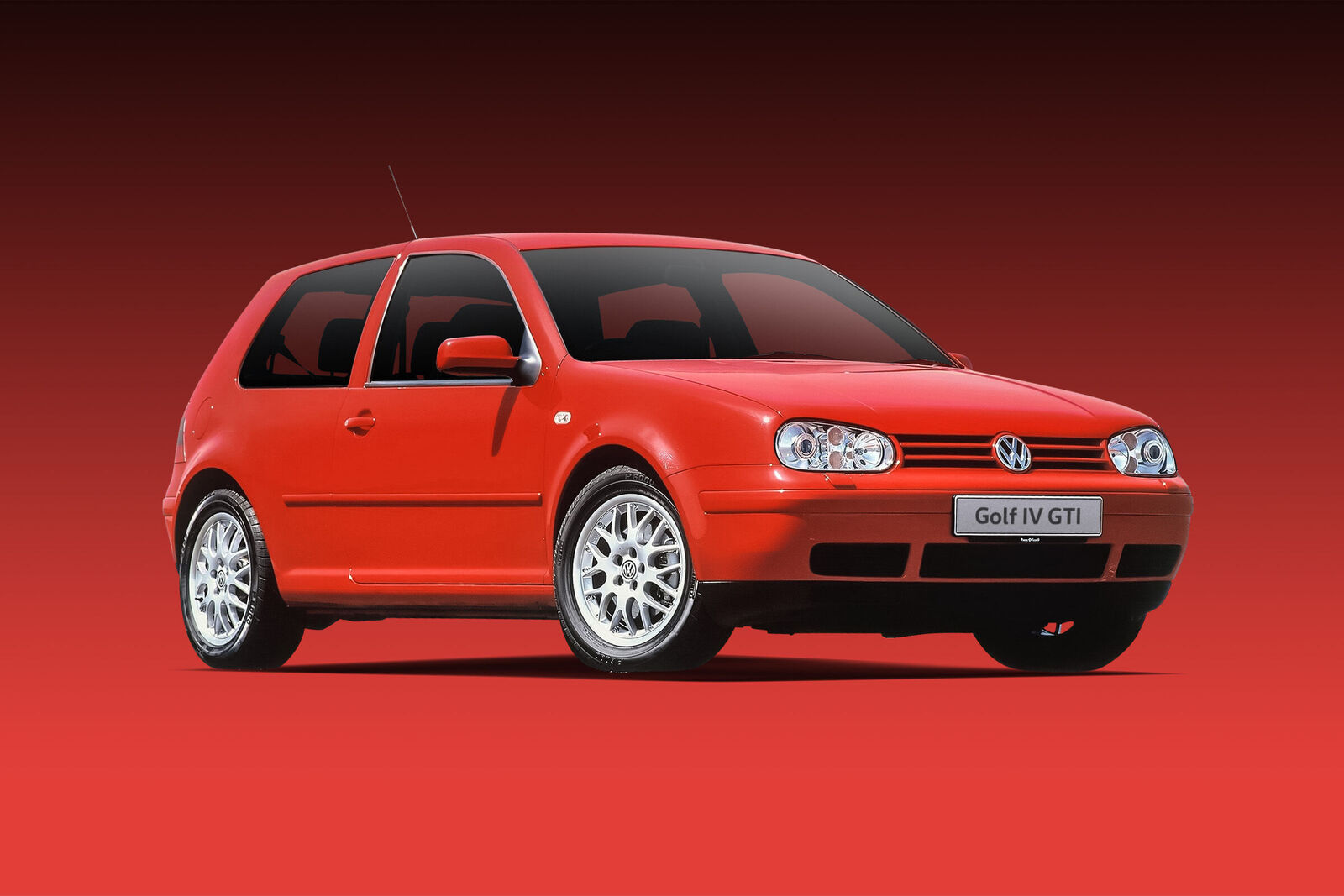
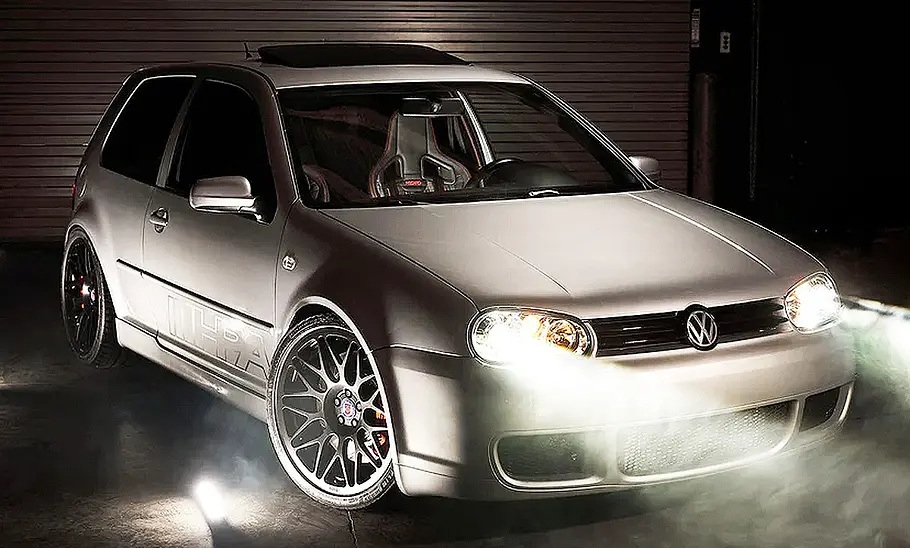
The Volkswagen Golf Mk4 GTI, produced between 1998 and 2006, remains one of the most significant iterations in the model’s history, representing a pivotal shift from pure performance to a refined, premium-oriented hot hatch experience. It is defined by its robust build quality, versatile engine lineup, and the iconic aesthetic that cemented the "GTI" badge as a standard for daily-drivable European performance.
Historical Context and Design Philosophy
The fourth generation of the Volkswagen Golf, internally designated as the Typ 1J, arrived at a time when the manufacturer was aggressively pushing toward a more premium market position. When the GTI variant debuted, it was tasked with balancing the heritage of the original "pocket rocket" with the demands of an increasingly sophisticated consumer base.
Unlike its predecessor, the Mk3, which was often criticized for becoming somewhat lethargic, the Mk4 GTI emphasized interior craftsmanship and structural integrity. Volkswagen invested heavily in high-quality plastics, soft-touch materials, and a more rigid chassis, making the car feel several rungs above its peers in the economy hatchback segment. The design was evolutionary rather than revolutionary, utilizing the "c-pillar" profile that had become synonymous with the Golf identity, combined with modern, rounded contours that defined late 1990s automotive aesthetics.
Technical Specifications and Powertrain Options
The engine options for the Mk4 GTI were diverse, reflecting the varying regional requirements and the ongoing development of forced induction technology during that era. Understanding these engines is critical for both prospective owners and enthusiasts looking to maintain or tune these vehicles.
The 1.8-Liter Turbo (1.8T)
The 1.8T, particularly the 20-valve engine, is the definitive heart of the Mk4 GTI experience. It offered a balance of efficiency and tuning potential that few competitors could match at the time. Depending on the year and the specific engine code, this motor produced between 150 and 180 horsepower. The 180hp version, often found in later models, featured a larger turbocharger and refined ECU mapping, making it a highly desirable choice for those prioritizing power delivery.
The VR6 Engine
For those who preferred naturally aspirated power and a unique acoustic profile, the VR6 engine was the flagship choice. The 2.8-liter narrow-angle V6 provided smooth, linear power delivery that felt more substantial than the peaky nature of the turbocharged four-cylinder. The VR6 models are often viewed as the "grand tourer" of the Mk4 range, offering more weight over the nose but a refined driving experience suitable for long-distance highway cruising.
Driving Dynamics and Chassis Refinement
The driving experience of the Mk4 GTI is characterized by a "grown-up" feel. While the suspension geometry—a MacPherson strut front and torsion beam rear—was largely shared with the standard Golf, the GTI received stiffer springs, thicker anti-roll bars, and lower ride height.
On the road, the car provides a compliant ride that absorbs road imperfections well without sacrificing stability during high-speed cornering. While it may not possess the sharp, raw feedback of a contemporary lightweight sports car, it offers a predictable and confidence-inspiring handling profile. The steering, though electrically assisted in later models and power-assisted in earlier ones, provides adequate feedback, ensuring the driver feels connected to the front tires during spirited maneuvers.
Performance Comparison Table
| Engine Variant | Displacement | Induction | Horsepower | Torque | Primary Character |
|---|---|---|---|---|---|
| 1.8T (AGU/AUM) | 1.8L | Turbocharged | 150 hp | 155 lb-ft | Agile/Tuning Ready |
| 1.8T (AUQ) | 1.8L | Turbocharged | 180 hp | 173 lb-ft | Balanced/Quick |
| VR6 (12v) | 2.8L | Naturally Aspirated | 174 hp | 173 lb-ft | Smooth/Linear |
| VR6 (24v) | 2.8L | Naturally Aspirated | 201 hp | 199 lb-ft | Premium/Powerful |
Interior Quality and Ergonomics
The Mk4 Golf interior is widely regarded as a benchmark for its era. Volkswagen introduced the concept of "soft-touch" rubberized coatings on plastics, which provided a premium tactile experience when new. The instrument cluster, backlit in the signature blue and red "Volks-lighting," gave the cabin a sophisticated appearance at night.
Standard features on the GTI often included sport-contoured seats with side bolsters, which provide excellent support during aggressive driving. The ergonomic layout of the center console is straightforward, placing all necessary climate and audio controls within easy reach of the driver. However, owners should be aware that the aforementioned soft-touch coatings are prone to peeling or becoming "sticky" after two decades of environmental exposure, a common cosmetic frustration for collectors today.
Maintenance and Common Troubleshooting
As we reach 2026, the youngest Mk4 GTI examples are now 20 years old. Reliability is no longer determined solely by design, but by the rigor of the vehicle's maintenance history.
Electrical Gremlins
The Mk4 is notorious for door latch microswitch failures, which can cause interior lights to remain off when the door is opened or cause the alarm system to behave erratically. Similarly, window regulators—often made of plastic in early production runs—are prone to snapping, leading to stuck windows.
Cooling System and Vacuum Lines
The 1.8T engine relies on a complex web of vacuum lines and a pressurized cooling system. Over time, rubber components become brittle. A common point of failure is the plastic coolant flange on the side of the cylinder head, which can crack and lead to rapid coolant loss. Replacing these with aftermarket metal alternatives is a standard preventive measure among enthusiasts.
Timing Belt Service
Both the 1.8T and the VR6 require strict adherence to timing belt (1.8T) or timing chain (VR6) service intervals. Failure to replace the timing belt at the recommended interval can lead to catastrophic engine damage. Prospective buyers should verify that this service has been performed recently, as it is a significant cost factor in the vehicle’s long-term ownership.
Buying a Collector-Grade Mk4 GTI in 2026
Purchasing a Mk4 GTI today requires a shift in mindset compared to buying a used car a decade ago. It is no longer just a daily driver; it is a modern classic.
- Check for Rust: Inspect the front fenders, the area around the windshield, and the rocker panels. While the Mk4 is generally well-protected, drainage channels can clog, leading to trapped moisture.
- Verify Engine Codes: When researching a specific car, use the engine code (found on the timing belt cover or the trunk data sticker) to determine the exact variant. Not all 1.8Ts were created equal; understanding if you are getting an early-generation or a late-generation head is vital for parts compatibility.
- Documented History: Favor vehicles with a thick stack of service records. Because the Mk4 was an entry point for many tuners, many surviving examples have been "modified" poorly. A stock, well-maintained vehicle will almost always be more valuable and reliable than a "stage 2" tuned example with undocumented modifications.
Frequently Asked Questions
Which Mk4 GTI engine is the most reliable?
The naturally aspirated 2.0-liter engines (though not technically branded "GTI" in all markets) are simple, but for the true GTI experience, the 1.8T with the AUM or AUQ engine codes is generally favored for its refined peripherals, while the 24-valve VR6 is considered the most robust and punchy naturally aspirated option.
Why is the interior plastic peeling on my GTI?
The "soft-touch" coating used by Volkswagen in the late 90s and early 2000s reacts to UV light, heat, and skin oils over time. It is a common cosmetic defect that does not affect mechanical function, though it can be addressed by stripping the coating or replacing the affected trim pieces.
Is the Mk4 GTI a good daily driver in 2026?
It can be, provided it has been properly maintained. Its build quality is impressive for its age, but be prepared to address the "typical" aging issues—specifically cooling system plastic parts, suspension bushings, and door module electronics.
How does the Mk4 compare to the Mk5 GTI?
The Mk5 saw a move to a more sophisticated multi-link rear suspension and the introduction of the direct-injection FSI engine. The Mk4 feels more mechanical and analog, whereas the Mk5 offers superior chassis dynamics and more modern, albeit more complex, powertrain technology.
Should I prioritize a low-mileage example or a well-maintained one?
Always prioritize maintenance over mileage. A 150,000-mile car with a documented history of suspension, cooling, and timing system overhauls is a significantly better investment than a 70,000-mile car that has sat idle for years and requires a full restoration of rubber and electrical components.
Final Recommendation for Enthusiasts
If you are entering the market for a Volkswagen Golf Mk4 GTI in 2026, focus your search on late-model, well-documented examples—ideally from 2003–2005. Look specifically for the "20th Anniversary Edition" in the US or the "GTI 25th Anniversary" in Europe if your budget allows; these models feature improved suspension, upgraded aesthetic touches, and often the most refined iterations of the 1.8T powertrain. Your next action should be to identify a local specialist shop familiar with VAG (Volkswagen Auto Group) diagnostic tools, as owning a Mk4 successfully requires access to VCDS (VAG-COM Diagnostic System) to properly troubleshoot electronic modules.