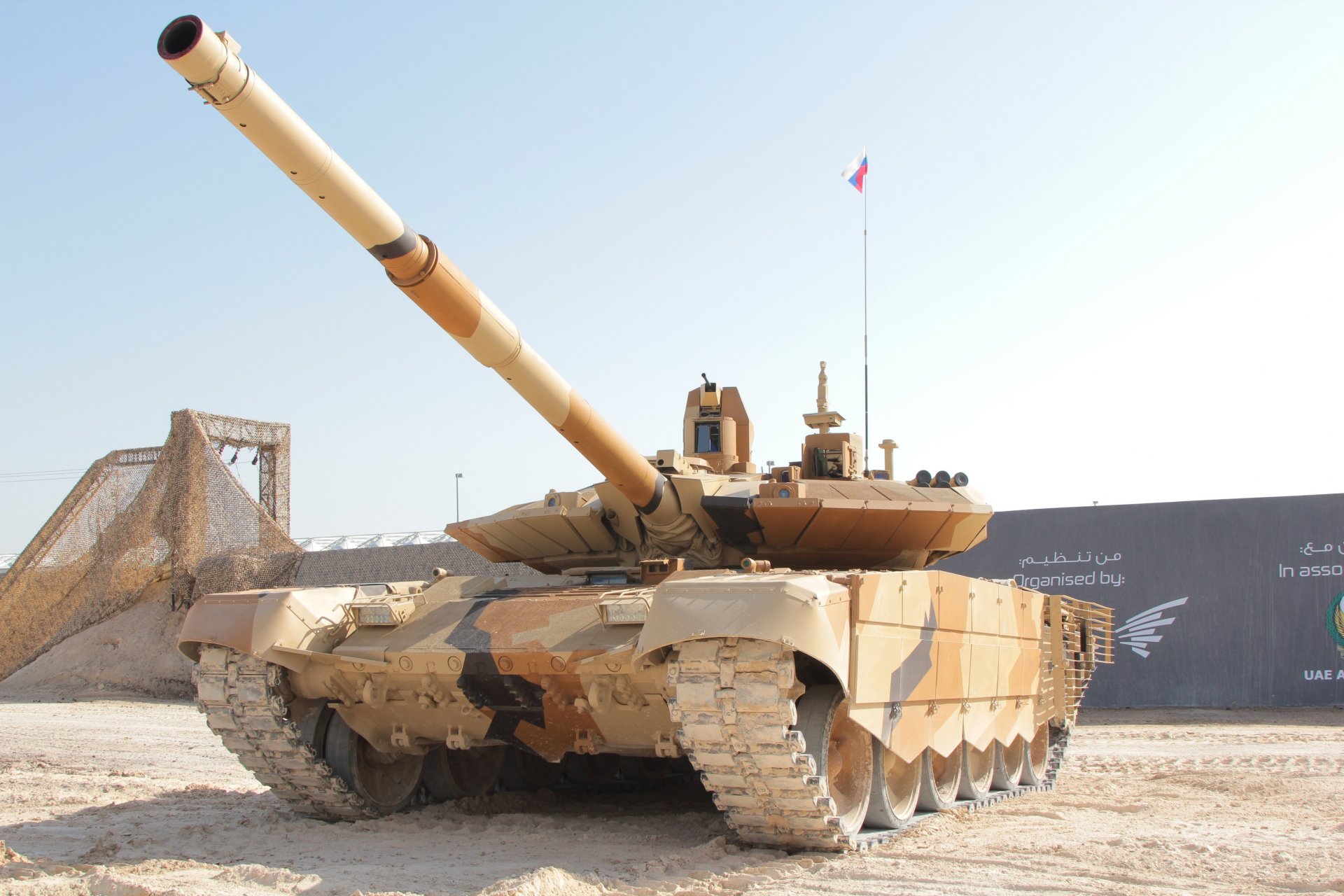
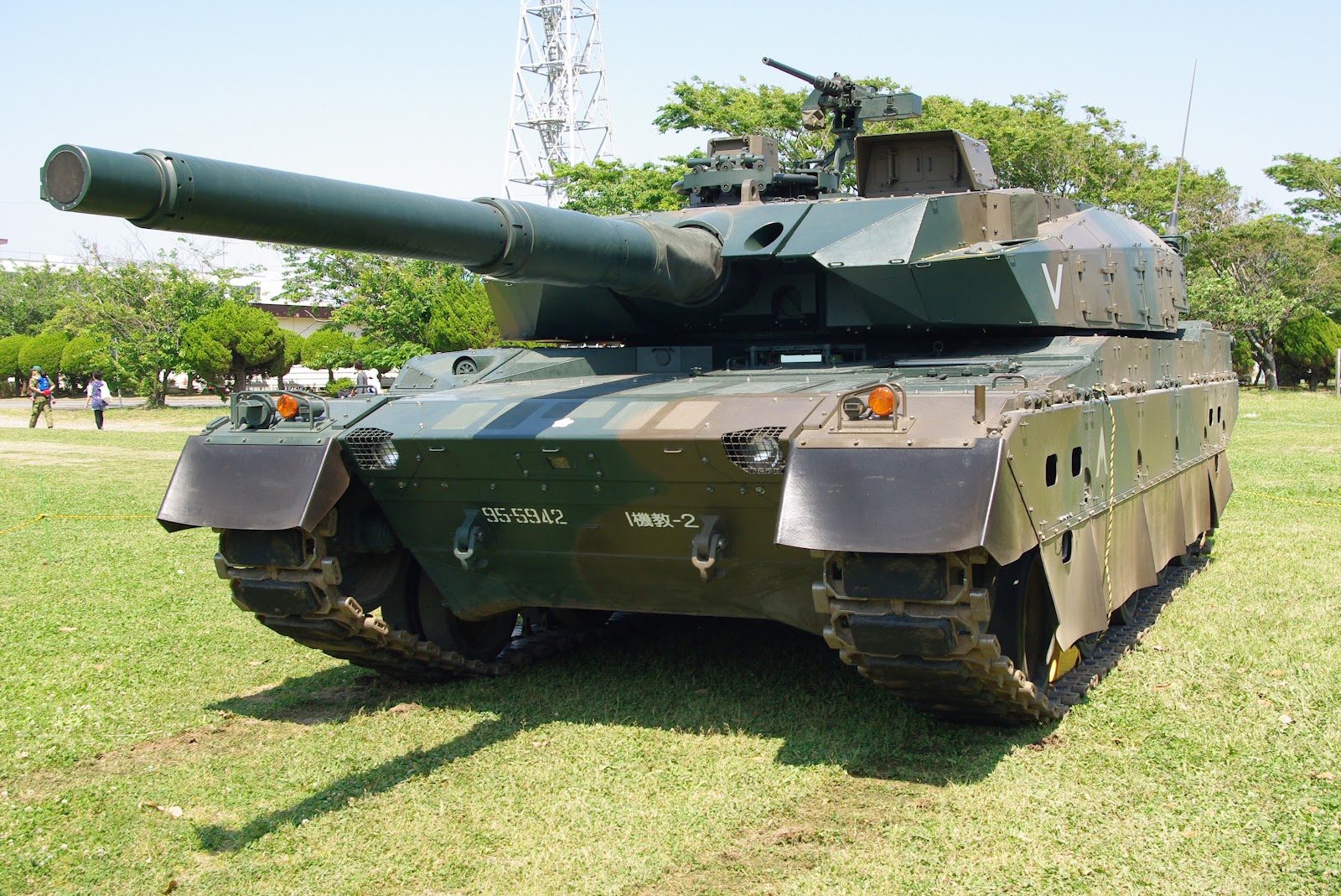
Determining the single best main battle tank in the world is a complex challenge because modern armored vehicle performance depends on a delicate balance of firepower, protection, mobility, and advanced electronics rather than a single superior attribute. Defense analysts and military historians generally evaluate elite systems like the United States' M1A2 SEPv3 Abrams, Germany's Leopard 2A7/2A8, South Korea's K2 Black Panther, and Russia's T-90M through rigorous operational, technological, and tactical frameworks to understand how these platforms perform under realistic combat conditions.
Understanding the Criteria for Main Battle Tank Superiority
Evaluating a main battle tank (MBT) requires moving beyond marketing brochures and theoretical specifications to analyze how a platform performs in actual multi-domain combat environments. Military planners divide tank effectiveness into four foundational pillars: firepower, protection, mobility, and command, control, computers, communications, cyber, intelligence, surveillance, and reconnaissance (C5ISR).
Firepower encompasses the lethality of the main cannon, the accuracy of the fire control system (FCS), the quality of day and night optics, and the variety of ammunition types the tank can deploy. Modern Western standards typically feature 120mm smoothbore cannons capable of firing kinetic energy armor-piercing fin-stabilized discarding sabot (APFSDS) rounds and high-explosive programmable munitions.
Protection involves passive, reactive, and active defense measures. Passive armor relies on advanced composite matrices composed of steel, ceramic, depleted uranium, or specialized spaced layers to defeat incoming kinetic and chemical threats. Reactive armor uses explosive charges to disrupt shaped-charge jets, while active protection systems (APS) use radar to detect incoming anti-tank guided missiles (ATGMs) and launch countermeasures or interceptors to destroy them before impact.
Mobility ensures strategic deployability and tactical agility across varied terrains. Power-to-weight ratios, transmission durability, and suspension types dictate whether a tank can cross soft mud, mountainous terrain, or narrow bridges without breaking down. C5ISR capabilities tie the vehicle into a broader network, allowing crews to share targeting data instantly with infantry, artillery, and aerial assets, ensuring maximum situational awareness on the modern battlefield.
Comparative Overview of Leading Global Main Battle Tanks
To understand which platform claims the title of the world's best, it is vital to compare the leading contenders currently in service or production. Each represents a distinct design philosophy tailored to the industrial base, geographical constraints, and tactical doctrines of its respective nation.
| Tank Designation | Country of Origin | Main Armament | Combat Weight | Notable Protection Feature |
|---|---|---|---|---|
| M1A2 SEPv3 Abrams | United States | 120mm M256 Smoothbore | ~73.6 metric tons | Depleted uranium mesh & Trophy APS |
| Leopard 2A7+/2A8 | Germany | 120mm Rheinmetall L55A1 | ~67–70 metric tons | Modular composite armor & Trophy APS integration |
| K2 Black Panther | South Korea | 120mm CN08 Smoothbore | ~55 metric tons | Non-explosive reactive armor & Soft/Hard-kill APS |
| T-90M Proryv | Russia | 125mm 2A46M-5 Smoothbore | ~48 metric tons | Relikt ERA & Arena-M or similar hard-kill APS |
Analyzing the Top Contenders
M1A2 SEPv3 Abrams: The Heavyweight Standard
The United States M1A2 SEPv3 (System Enhancement Package version 3) represents the evolution of a design that has dominated armored warfare for decades. The primary strength of the Abrams lies in its legendary survivability and advanced optics.
The integration of the Trophy hard-kill Active Protection System addresses the historical vulnerability of modern tanks to top-attack and direct-fire guided missiles. Furthermore, its third-generation depleted uranium armor provides unmatched resistance against kinetic penetrators.
However, the Abrams is exceptionally heavy, weighing over 73 metric tons. This immense weight creates significant logistical challenges, limiting the bridges it can cross, the transport aircraft that can lift it, and the recovery vehicles capable of towing it out of hazardous terrain. Its high fuel consumption powered by a gas turbine engine also demands a massive logistical footprint in the field.
Leopard 2A7 and 2A8: European Versatility and Firepower
Germany's Leopard 2 series, particularly variants like the 2A7+ and the newer 2A8, is widely regarded as the pinnacle of European tank engineering. The Leopard balances formidable firepower provided by the Rheinmetall 120mm L55A1 smoothbore gun—capable of utilizing advanced programmable ammunition—with exceptional crew ergonomics and a reliable diesel power plant.
The Leopard 2A8 introduces factory-fitted active protection systems and enhanced passive armor protection packages, addressing modern drone and top-attack threats. Its MTU diesel engine offers easier maintenance and superior fuel efficiency compared to turbine engines, making it favored across various European supply chains.
Despite these strengths, late-model Leopards have also seen their combat weights climb significantly toward 70 metric tons, reducing some of the operational mobility advantages that earlier variants enjoyed.
K2 Black Panther: Technological Innovation and Agility
South Korea's K2 Black Panther is frequently cited by defense experts as one of the most technologically advanced and well-rounded main battle tanks in existence. Designed with the rugged, mountainous terrain of the Korean Peninsula in mind, the K2 incorporates an advanced in-arm suspension system that allows the tank to sit, rise, or tilt its chassis in any direction. This capability maximizes gun depression and elevation while presenting a smaller profile to enemy fire.
The K2 features an automatic loading system, reducing crew requirements to three members, and a sophisticated fire control system capable of automatically tracking and engaging low-flying helicopters and fast-moving targets. Its composite armor is augmented by non-explosive reactive armor and an integrated soft- and hard-kill active protection system.
The primary drawback of the K2 historically has been the development hurdles of its domestic power pack, though recent iterations have successfully integrated reliable transmissions and engines, driving significant export interest globally.
The Operational Reality: Why There is No Single "Best" Tank
In modern defense analysis, declaring a single "best" main battle tank is fundamentally flawed because tanks do not operate in isolation. A tank's effectiveness is inextricably linked to the military doctrine, crew training, maintenance infrastructure, and combined-arms support surrounding it.
A technologically superior tank operated without adequate infantry support, air defense, and electronic warfare protection remains vulnerable to modern loitering munitions, anti-tank guided missiles, and minefields. Conversely, a slightly less advanced platform backed by superior logistics, highly trained crews, and seamless battlefield networking can outperform a more sophisticated adversary.
Therefore, the title of the best MBT often depends on the specific theater of operations. For rapid global deployment and maximum crew survivability in open terrain, the M1A2 SEPv3 remains formidable. For European continental defense with emphasis on crew comfort, logistics, and gun accuracy, the Leopard 2A8 stands out. For sheer technological integration, crew reduction, and rough-terrain agility, the K2 Black Panther claims the lead.
Frequently Asked Questions
What makes a main battle tank better than older medium or heavy tanks?
Modern main battle tanks combine the high mobility and strategic speed of historical medium tanks with the heavy armor and high-caliber firepower of historical heavy tanks into a single, versatile platform. This consolidation was made possible by advanced composite armor materials and powerful, compact engines that eliminate the need for separate weight classes.
How do active protection systems change tank combat?
Active protection systems (APS) use onboard radars and optical sensors to detect incoming projectiles like anti-tank guided missiles or rocket-propelled grenades. Once detected, the system calculates the trajectory and launches a physical countermeasure or fragmenting interceptor to destroy or deflect the threat before it hits the tank's armor, dramatically increasing survivability.
Why do some tanks use autoloaders while others use human loaders?
Autoloaders reduce the required crew size from four to three members, allowing for a smaller turret profile and a higher sustained rate of fire that does not degrade as the loader fatigues. Human loaders, however, are often preferred by Western doctrines because they are safer in the event of an ammunition fire, easier to service in the field, and can manually select specialized ammunition faster than mechanical systems.
Can a main battle tank operate without infantry support?
Operating a main battle tank without infantry support is a tactical hazard. Tanks have blind spots, limited internal visibility, and are highly vulnerable to close-quarters infantry attacks, concealed anti-tank teams, and drone operators if left unshielded by friendly ground forces and electronic warfare countermeasures.
What is the primary weapon of a modern main battle tank?
The primary weapon of nearly all modern Western and allied main battle tanks is a 120mm smoothbore cannon, while many Eastern designs utilize a 125mm smoothbore cannon. Smoothbore barrels are necessary to fire high-velocity fin-stabilized kinetic energy penetrators with maximum muzzle velocity and accuracy.
Conclusion and Strategic Next Steps
Selecting or evaluating the world's leading main battle tank requires looking past simple rankings and examining the logistical, tactical, and technological realities of modern armored warfare. When assessing defense procurements or studying military history, focus on how well a vehicle integrates with its supporting arms, how easily it can be maintained in austere environments, and how its protection suite adapts to emerging threats like drone warfare and top-attack munitions. Review official defense ministry white papers and technical military journals for ongoing performance updates and procurement shifts.