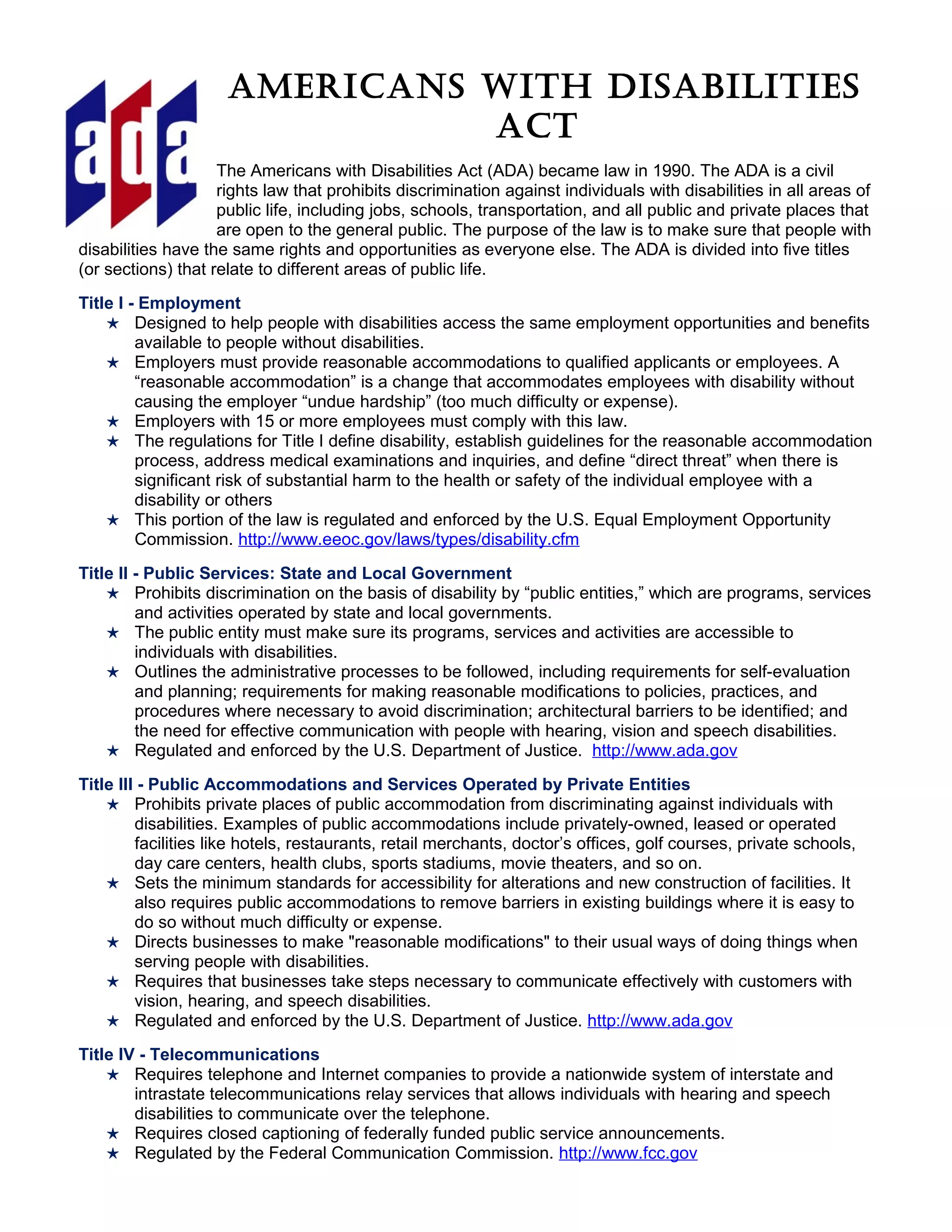
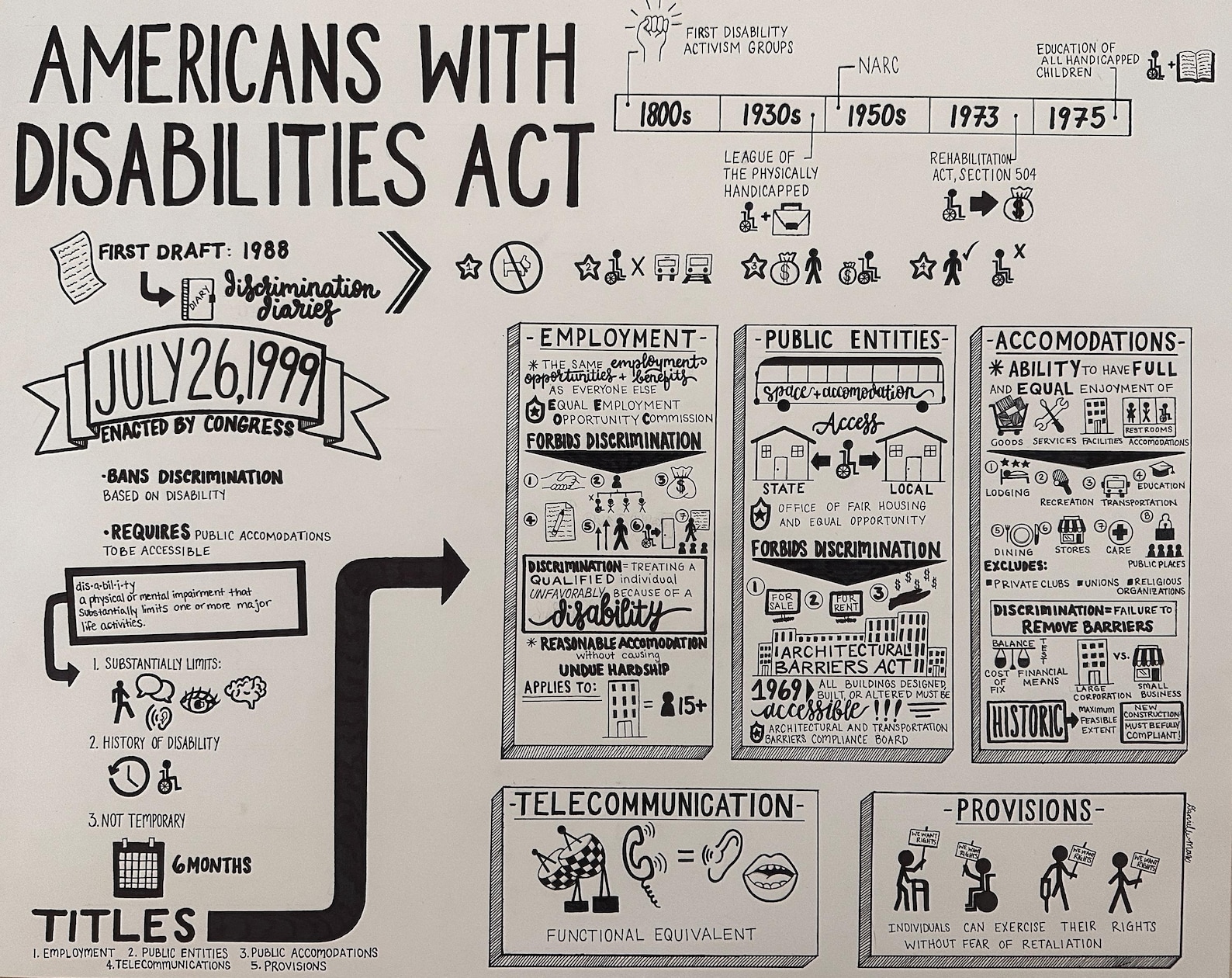
The Americans with Disabilities Act (ADA) of 1990 is a landmark federal civil rights law designed to prevent discrimination against individuals with disabilities in all areas of public life. It ensures equal opportunity in employment, state and local government services, public accommodations, commercial facilities, transportation, and telecommunications, effectively mandating that people with disabilities have the same rights and opportunities as everyone else.
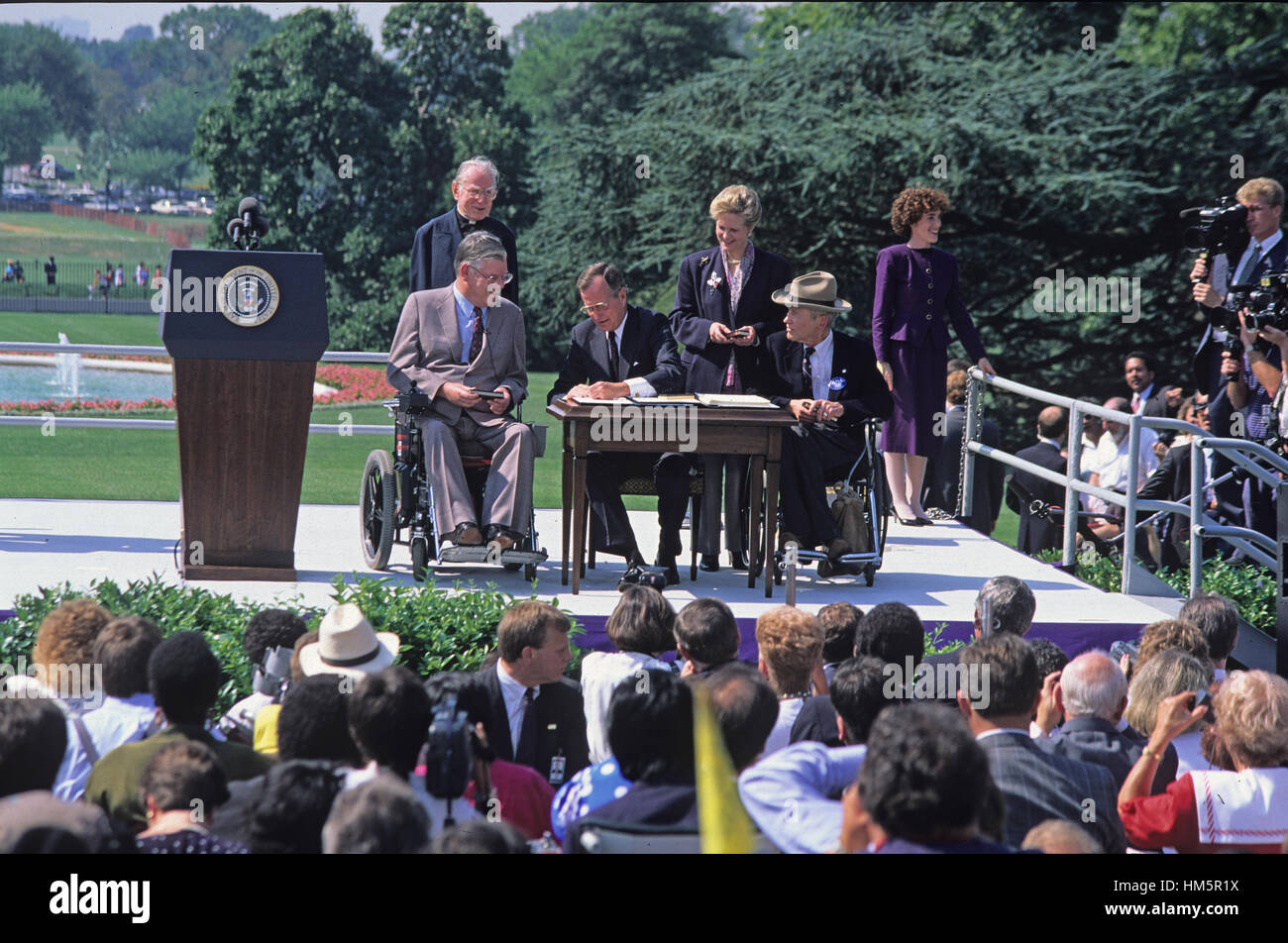
Since its enactment on July 26, 1990, the ADA has transformed the American landscape, moving society toward a model of inclusion rather than isolation. In 2026, the law continues to serve as the gold standard for disability rights globally, though its application has evolved significantly to address digital environments and modern workplace structures. Understanding the nuances of the ADA requires a look at its five distinct "Titles," the definition of disability it employs, and the specific compliance obligations it places on various entities.
The Historical Catalyst and Legislative Intent
Before 1990, individuals with disabilities faced systemic barriers that limited their participation in the workforce and broader society. While the Rehabilitation Act of 1973 provided protections within the federal sector and for programs receiving federal funding, there was no comprehensive national mandate covering the private sector or all state and local government activities.
The ADA was modeled after the Civil Rights Act of 1964, which prohibited discrimination based on race, color, religion, sex, or national origin. The intent was to provide a clear and enforceable national mandate for the elimination of discrimination against individuals with disabilities. It sought to address not only intentional exclusion but also the "benign neglect" resulting from architectural, communication, and transportation barriers.
Defining Disability Under the ADA
The legal definition of disability under the ADA is functional rather than medical. An individual is considered to have a disability if they meet at least one of the following three criteria:
- A physical or mental impairment that substantially limits one or more major life activities. This includes functions such as walking, seeing, hearing, speaking, breathing, learning, working, and the operation of major bodily functions (e.g., immune system, neurological, or respiratory functions).
- A record of such an impairment. This protects individuals who have a history of disability, such as someone in remission from cancer or someone who was previously misclassified as having a learning disability.
- Being regarded as having such an impairment. This prevents discrimination based on stereotypes or fears, even if the individual does not actually have a limiting impairment.
In 2008, the ADA Amendments Act (ADAAA) was passed to broaden this definition. The Supreme Court had previously issued several rulings that narrowed the scope of who qualified for protection. The ADAAA explicitly rejected those narrow interpretations, mandating that the definition of disability should be construed in favor of broad coverage.
Title I: Employment Practices
Title I of the ADA prohibits private employers, state and local governments, employment agencies, and labor unions from discriminating against qualified individuals with disabilities. In 2026, this title remains a cornerstone of HR law for any organization with 15 or more employees.
The "Qualified Individual" and Essential Functions
A "qualified individual" is someone who satisfies the requisite skill, experience, education, and other job-related requirements of the position and who can perform the essential functions of the job, with or without reasonable accommodation. Employers are not required to hire someone who cannot perform the core duties of the role, but they must consider whether an accommodation would make performance possible.
Reasonable Accommodation and Undue Hardship
A reasonable accommodation is any change in the work environment or the way things are customarily done that enables an individual with a disability to enjoy equal employment opportunities. Common examples include:
- Providing sign language interpreters or readers.
- Modifying work schedules or offering part-time positions.
- Acquiring or modifying equipment or devices.
- Adjusting or modifying examinations, training materials, or policies.
- Improving accessibility in the physical workspace.
The only limit to this obligation is undue hardship, defined as an action requiring significant difficulty or expense when considered in light of a number of factors. These factors include the nature and cost of the accommodation, the overall financial resources of the facility, and the impact on the operation of the facility.
The Interactive Process
Compliance with Title I is not a one-way street. When an employee requests an accommodation, the employer and employee should engage in an "interactive process"—a collaborative dialogue to identify the precise limitations resulting from the disability and potential reasonable accommodations that could overcome those limitations.
Title II: State and Local Government Activities
Title II applies to all programs, activities, and services of public entities. This includes everything from state legislatures and local police departments to public parks, libraries, and public transportation systems.
Program Accessibility
Unlike Title III (which focuses on physical barriers), Title II emphasizes "program accessibility." A public entity does not necessarily have to make every one of its existing facilities fully accessible, but it must ensure that its programs and services, when viewed in their entirety, are accessible to people with disabilities. This might be achieved by moving a public meeting to an accessible floor or providing home delivery of library books.
Public Transportation
Public transportation is a critical component of Title II. Authorities must ensure that new vehicles (buses, rail cars) are accessible and that they provide "paratransit" services—specialized transportation for individuals who cannot use the fixed-route system. In 2026, this increasingly includes the integration of autonomous transit solutions and digital scheduling apps that must meet high accessibility standards.
Title III: Public Accommodations and Commercial Facilities
Title III prohibits discrimination on the basis of disability in the activities of places of public accommodation. These are private entities that own, lease, or operate facilities such as:
- Hotels and motels.
- Restaurants and bars.
- Theaters and stadiums.
- Retail stores and shopping centers.
- Banks, laundromats, and professional offices (lawyers, doctors).
- Private schools and daycare centers.
Barrier Removal and New Construction
For existing facilities, Title III requires the removal of architectural and communication barriers when such removal is readily achievable (i.e., easily accomplishable and able to be carried out without much difficulty or expense). If barrier removal is not readily achievable, the entity must provide its services through alternative methods if those methods are readily achievable.
For new construction and alterations, the standards are much higher. Buildings constructed for first occupancy after January 26, 1993, must be readily accessible to and usable by individuals with disabilities. These designs must follow the 2010 ADA Standards for Accessible Design, which provide specific technical requirements for things like door widths, ramp slopes, and bathroom dimensions.
Effective Communication
Title III also requires businesses to take steps to ensure that they communicate effectively with customers who have vision, hearing, or speech disabilities. This may involve providing auxiliary aids and services, such as braille materials or assistive listening devices, unless doing so would result in an undue burden or a fundamental alteration of the nature of the goods or services.
Title IV and Title V: Telecommunications and Miscellaneous
Title IV: Telecommunications
Title IV addressed the need for accessible communication technology. It required the establishment of nationwide telecommunications relay services (TRS) 24/7, allowing individuals with hearing or speech disabilities to communicate via telephone. It also mandated closed captioning for all federally funded public service announcements.
Title V: Miscellaneous Provisions
Title V contains a variety of provisions relating to the ADA as a whole. Crucially, it prohibits retaliation or coercion against individuals who exercise their rights under the ADA or who assist others in doing so. it also clarifies that the ADA does not invalidate or limit the remedies, rights, and procedures of any other federal, state, or local laws that provide greater or equal protection.
Summary of ADA Titles and Enforcement
| Title | Subject Matter | Primary Target Entities | Enforcement Agency |
|---|---|---|---|
| Title I | Employment | Employers with 15+ employees, unions | Equal Employment Opportunity Commission (EEOC) |
| Title II | Public Services | State and local governments, public transit | Dept. of Justice (DOJ) / Dept. of Transportation (DOT) |
| Title III | Public Accommodations | Private businesses open to the public | Department of Justice (DOJ) |
| Title IV | Telecommunications | Phone and internet service providers | Federal Communications Commission (FCC) |
| Title V | Miscellaneous | All entities covered by Titles I-IV | Varies by underlying violation |
Digital Accessibility in 2026: The Modern Frontier
While the original 1990 text of the ADA did not explicitly mention the internet, the Department of Justice and federal courts have increasingly interpreted Title II and Title III to apply to website and mobile application accessibility. In 2026, digital accessibility is no longer an "extra" feature; it is a legal requirement.
The prevailing standard for digital compliance is the Web Content Accessibility Guidelines (WCAG). Businesses and government agencies are expected to ensure that their digital platforms are Perceivable, Operable, Understandable, and Robust (the POUR principles). This includes providing alt-text for images, ensuring keyboard navigability for those who cannot use a mouse, and maintaining high color contrast for users with low vision. Failure to maintain an accessible digital presence is one of the most common sources of ADA-related litigation today.
Frequently Asked Questions
Does the ADA apply to very small businesses?
Under Title I (Employment), the ADA applies to employers with 15 or more employees. However, under Title III (Public Accommodations), the ADA applies to almost all businesses that are open to the public, regardless of the number of employees. Even a small "mom-and-pop" retail shop must remove barriers if it is readily achievable to do so and must not discriminate against customers with disabilities.
What is the difference between a service animal and an emotional support animal under the ADA?
The ADA defines a service animal specifically as a dog (or in some cases a miniature horse) that is individually trained to do work or perform tasks for the benefit of an individual with a disability. The task must be directly related to the person’s disability. Emotional support animals (ESAs), which provide comfort just by being with a person, are not considered service animals under the ADA and are not required to be admitted into public accommodations, although they may be protected under the Fair Housing Act.
Is remote work considered a reasonable accommodation?
Yes, in 2026, allowing an employee to work from home is a well-established form of reasonable accommodation, provided that the essential functions of the job can be performed remotely. The COVID-19 pandemic and subsequent shifts in workplace culture have made it much more difficult for employers to claim that remote work constitutes an "undue hardship" if the infrastructure for such work already exists.
How do I file a complaint if my rights have been violated?
The process depends on which Title was violated. For employment discrimination (Title I), you must typically file a charge with the EEOC within 180 days (or 300 days depending on state laws). For violations of Title II or Title III, complaints are generally filed with the Department of Justice Civil Rights Division.
Are "invisible" disabilities covered?
Absolutely. The ADA protects individuals with both visible and invisible disabilities. This includes chronic illnesses (like diabetes or epilepsy), mental health conditions (like PTSD, depression, or anxiety), and neurodivergence (like autism or ADHD). As long as the condition "substantially limits a major life activity," it qualifies for protection.
Next Steps for Compliance and Advocacy
Whether you are a business owner seeking to ensure compliance or an individual looking to exercise your rights, the best next step is to conduct an accessibility audit. For businesses, this means evaluating both physical premises and digital assets against the 2010 ADA Standards and WCAG 2.2+ guidelines. For individuals, understanding the specific "interactive process" requirements for employment can help in securing the accommodations necessary for a productive career.
The ADA is not merely a checklist of building codes; it is a living framework for civil rights. As technology and social norms continue to evolve, staying informed through official resources like ADA.gov is essential for maintaining a truly inclusive environment in 2026 and beyond.