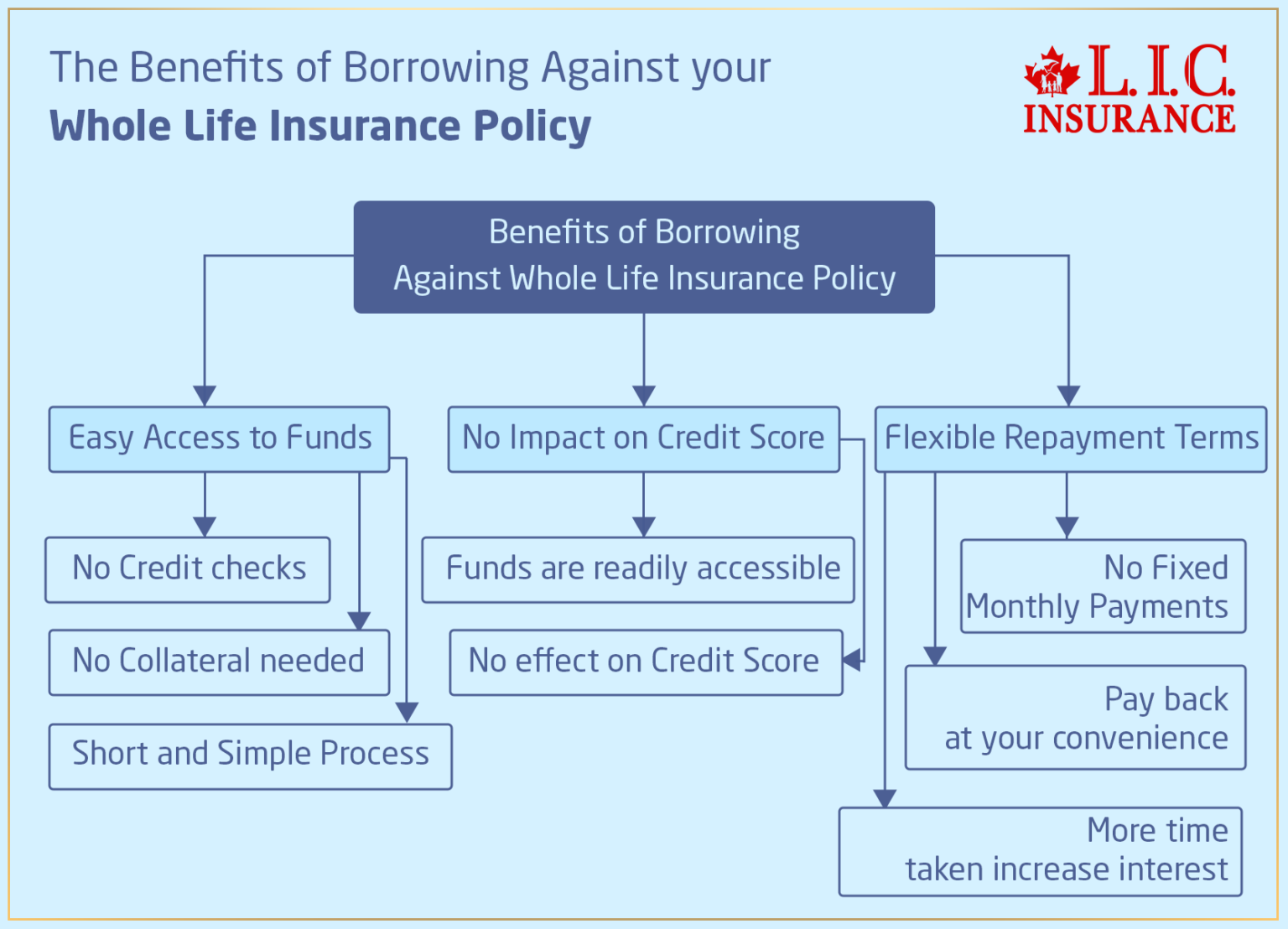
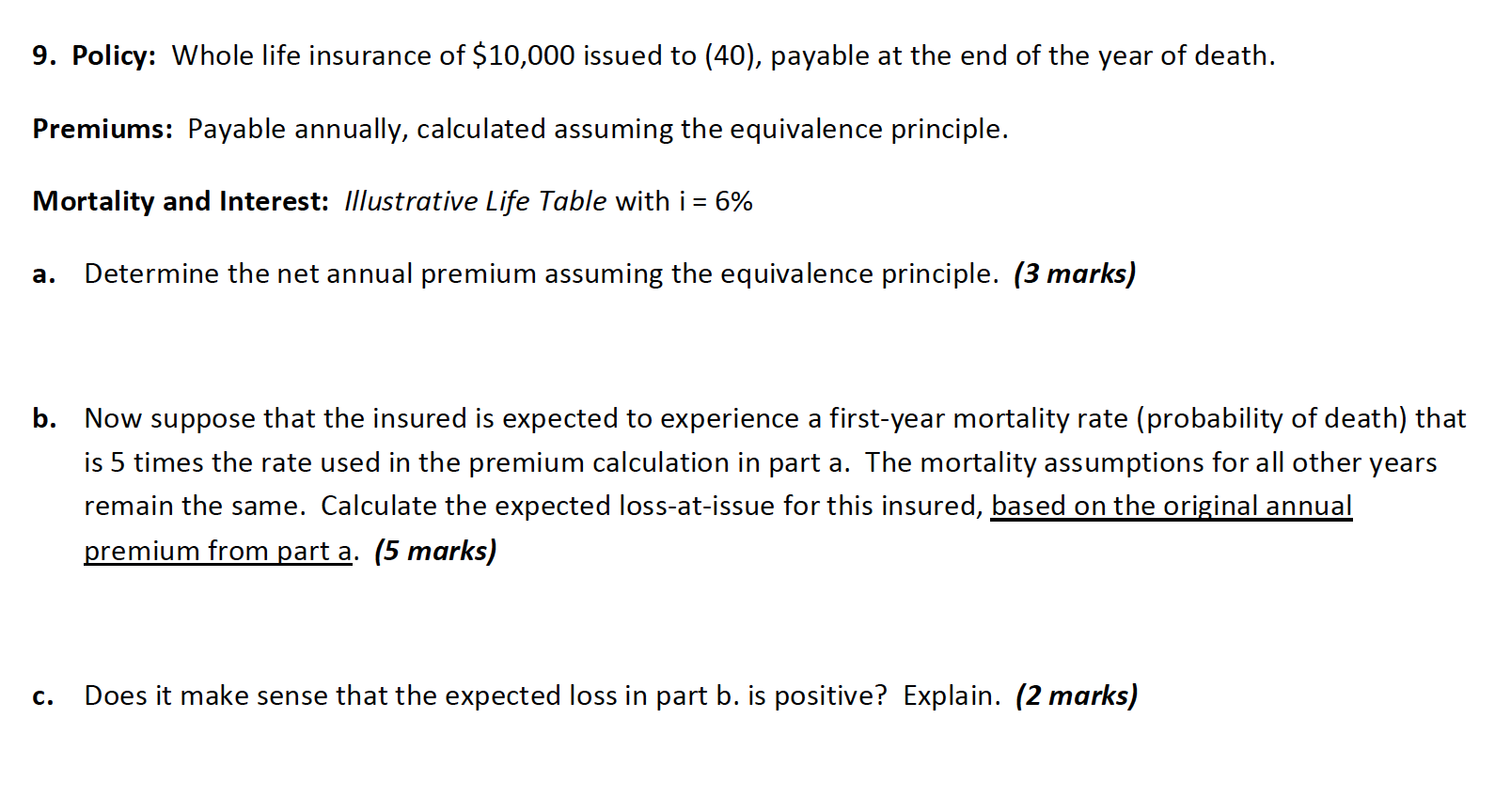
Securing a whole life insurance policy at age 21 locks in exceptionally low base premium rates and provides a lifetime of permanent coverage alongside a cash value component, though its complex expense structure heavily front-loads policy costs to cover acquisition, administrative, and underwriting fees.
Purchasing permanent life insurance as a young adult is often touted as a savvy long-term financial strategy. When a whole life insurance policy issued to 21 with expense structure is evaluated, the conversation quickly shifts from basic mortality costs to the intricate financial mechanics operating behind the scenes. At age 21, an individual enjoys the distinct advantage of youth and health, translating into the lowest possible standard premium rates for permanent coverage. However, whole life insurance is far more than a simple protection vehicle; it is a financial product governed by a rigid expense structure designed to compensate agents, cover company overhead, and build long-term reserves.
Understanding how expenses interact with premium payments, cash value accumulation, and dividend distribution is essential for anyone entering the permanent life insurance market at an early age. This article breaks down the foundational mechanics of a whole life policy issued at 21, details the various components of its expense structure, analyzes the long-term financial implications, and provides practical guidance for evaluating such a contract.
Foundational Mechanics of Whole Life Insurance at Age 21
Whole life insurance is a form of permanent life insurance that remains in force for the insured's entire life, provided that scheduled premiums continue to be paid. Unlike term life insurance, which expires after a set number of years, whole life features a dual-benefit design: a guaranteed death benefit paid to beneficiaries upon the insured's passing, and a tax-deferred cash value account that grows according to a schedule determined by the insurer.
The Advantage of Youthful Issuance
Locking in a policy at age 21 offers profound actuarial advantages. Because mortality risk is statistically very low for a 21-year-old, the cost of insurance (COI)—the pure cost of the death benefit for a given year—is minimal. This allows a significant portion of early premium payments to be directed toward the cash value reservoir rather than purely funding the mortality risk.
Furthermore, purchasing early mitigates the risk of developing future uninsurability. Chronic conditions, hazardous occupations, or lifestyle changes that emerge later in life can drastically inflate insurance costs or cause an application to be denied entirely. A policy secured at 21 establishes a permanent contractual baseline that cannot be altered or canceled by the insurer due to changing health, provided premiums remain current.
Guaranteed Premiums and Cash Value
A defining characteristic of traditional whole life insurance is level, guaranteed premiums. The dollar amount paid each year at age 21 remains identical when the policyholder is 41, 61, or 81. To balance this out—since the actual cost of insuring an aging individual rises exponentially—insurers collect higher-than-necessary premiums during the early years of the policy. These excess funds are placed into the cash value account, earning interest and serving as a reserve to offset the higher mortality costs of later decades.
Deconstructing the Expense Structure
The expense structure of a whole life insurance policy dictates how every dollar of premium is allocated. Because insurance companies incur significant upfront costs to issue and service policies, these expenses are heavily front-loaded. Understanding these fees prevents unrealistic expectations regarding early cash value growth.
- Premium Payment
- Acquisition & Commission Expenses (Agent commissions, medical underwriting)
- Administrative & Operating Fees (Policy maintenance, record keeping)
- Cost of Insurance (COI) (Mortality risk allocation)
- Residual Cash Value (Compounding interest and dividends)
1. Acquisition and Commission Expenses
The most substantial friction on early cash value accumulation comes from acquisition costs. When a policy is sold, the insurance company pays a commission to the issuing agent or broker. Additionally, the company incurs expenses for processing the application, conducting medical exams or reviewing medical records, and issuing the contract. In the first year of a policy issued at 21, these acquisition costs often consume a major percentage of the initial premiums paid, which is why the cash value in years one and two is frequently near zero or significantly lower than the cumulative premiums paid.
2. Administrative and Operating Fees
Insurance companies must maintain infrastructure to manage policyholder records, process premium payments, issue annual statements, and manage investments. A portion of every premium payment is carved out to cover these ongoing maintenance costs. While administrative fees are generally lower than acquisition costs, they persist throughout the life of the contract.
3. Premium Load and Expense Charges
Many permanent policies incorporate a "premium load"—a percentage fee deducted directly from incoming premium payments before any funds are credited to the policy's cash value or general account. This structure ensures that the insurer recoups its capital outlay efficiently. Over time, as acquisition expenses are fully amortized, the net impact of these structural expenses decreases relative to the growing cash value and dividend earnings.
Financial Performance and Cash Value Trajectory
The interaction between the policy's expense structure and its cash value growth creates a distinct financial curve often referred to as the "J-curve."
The J-Curve Phenomenon
During the initial years of a whole life policy issued at 21, the heavy burden of front-end expenses means that cash value grows slowly or even remains lower than the total amount paid in premiums. Policyholders who attempt to surrender their policy within the first three to five years will typically experience a financial loss because the surrender value (cash value minus any surrender charges) is minimal.
However, as the policy matures into its second and third decades, the compounding effect of guaranteed interest and (in the case of mutual insurers) non-guaranteed dividends begins to outpace the fixed administrative expenses. By age 35 or 40, the cash value curve sweeps upward, often surpassing the total cumulative premiums paid, transforming the policy into a robust liquid asset.
Participating vs. Non-Participating Policies
When evaluating whole life policies, buyers at age 21 will typically choose between participating and non-participating structures:
- Participating Policies: Issued primarily by mutual insurance companies, these policies allow the owner to share in the financial success of the insurer through annual dividends. While dividends are never guaranteed, they can be used to purchase paid-up additions, which increase both the death benefit and the cash value, helping to offset the drag of underlying expenses.
- Non-Participating Policies: Issued by stock companies, these offer fixed, guaranteed premiums, death benefits, and cash value growth without dividends. They provide absolute certainty but generally lack the upside potential to outpace long-term inflation or recover rapidly from front-end expense loads.
Comparative Analysis of Policy Structures
To better understand how different design choices impact a policyholder starting at age 21, consider the following structural comparison:
| Policy Feature | Standard Whole Life | Reduced Paid-Up / Limited Pay | Single Premium Whole Life |
|---|---|---|---|
| Payment Period | Lifetime (e.g., to age 100) | Shortened (e.g., 10 or 20 years) | Immediate single lump sum |
| Expense Load Distribution | Spread evenly across decades | Heavily compressed into payment years | Concentrated entirely in year one |
| Early Cash Value | Low in early years due to ongoing premiums | Moderate, builds faster than standard | High immediate cash value relative to lump sum |
| Annual Premium Burden | Low, highly manageable for a 21-year-old | Higher annual commitment | Very high initial capital requirement |
| Suitability for Age 21 | Ideal for steady, long-term budgeting | Good for those with early income streams | Impractical for typical 21-year-old budgets |
Strategic Considerations and Potential Pitfalls
Purchasing a whole life insurance policy at 21 requires careful alignment with broader financial goals. While locking in low mortality rates is advantageous, structural traps can undermine the utility of the contract.
Opportunity Cost
Capital locked inside a whole life insurance policy's cash value typically grows at conservative rates compared to equity markets. A 21-year-old has a 40-to-50-year investment horizon. Allocating substantial portions of disposable income to a high-expense insurance product means missing out on the historical growth rates of diversified stock portfolios or retirement accounts such as Roth IRAs.
Policy Lapse Risk
The greatest risk of buying a whole life policy at 21 is policy lapse. Young adulthood is characterized by income volatility, career changes, and shifting financial priorities. If a 21-year-old commits to a rigid, high-premium whole life structure and later finds themselves unable to make the payments, surrendering the policy early results in forfeiting a large portion of the capital lost to front-end expenses.
Professional Guidance and Underwriting
Before purchasing, applicants should consult with an independent financial advisor or insurance specialist who is not tied to a single proprietary carrier. Reviewing an official policy illustration provides a transparent look at guaranteed versus non-guaranteed cash value projections, helping to verify that the expense structure aligns with the buyer's long-term financial timeline.
Frequently Asked Questions
Can a 21-year-old realistically afford a whole life insurance policy?
Yes, because base premium rates are calculated based on young age and excellent health, a standard whole life policy requires relatively low annual dollar outlays compared to policies issued later in life. However, affordability depends heavily on the face amount selected and whether riders or paid-up additions are attached.
Why is the cash value so low during the first few years of the policy?
The cash value is low initially because insurance companies deduct high upfront acquisition costs, including agent commissions, medical underwriting fees, and administrative setup expenses, directly from early premium payments before allocating funds to the cash value account.
What happens if I stop paying premiums on a whole life policy issued at 21?
If you stop paying premiums, you have several non-forfeiture options: you can surrender the policy for its current cash surrender value, convert it to a reduced paid-up policy with a smaller permanent death benefit, or use the accumulated cash value to keep the full death benefit active temporarily via extended term insurance.
Are the dividends from a whole life policy guaranteed?
No. While the base cash value growth and death benefit in a traditional whole life policy are fully guaranteed by the insurer, dividends distributed by mutual companies are never guaranteed and depend on the insurer's investment returns, mortality experience, and operational expense management.
Is whole life insurance better than term life insurance for a 21-year-old?
For most 21-year-olds with limited budgets and no dependents, term life insurance is more cost-effective for pure income replacement. Whole life is typically reserved for individuals who have already maximized traditional retirement vehicles and specifically desire lifelong permanent coverage, estate planning tools, or guaranteed cash reserves.
Next Actions and Recommendations
If you are considering a whole life insurance policy at age 21, begin by evaluating your core financial priorities. Ensure that you have established an emergency fund, eliminated high-interest debt, and contributed to available retirement accounts before committing to a permanent insurance contract. Request formal, detailed ledger illustrations from multiple mutual insurance carriers to compare guaranteed cash value growths and expense loads side-by-side. Consult with a fee-only fiduciary financial planner to confirm that the long-term premium commitment integrates seamlessly with your broader financial trajectory.