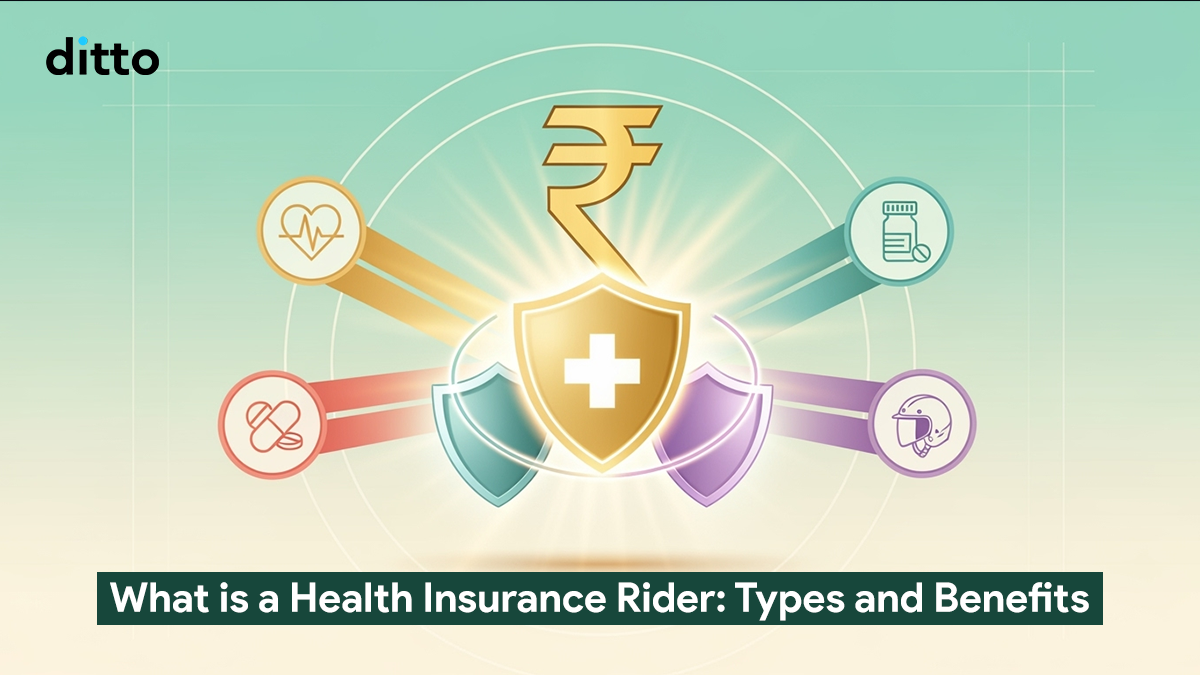
A rider is a modification or change to a life or health insurance policy that adds specific benefits or amends the terms of the existing coverage. Often referred to as "endorsements" or "add-ons," riders allow policyholders to tailor a standardized insurance product to meet unique personal, financial, or medical needs without the necessity of purchasing an entirely separate insurance contract.
Insurance policies are typically drafted as standardized legal documents designed to cover a broad spectrum of risks for the average consumer. However, individual circumstances—such as a sudden diagnosis, the birth of a child, or a change in financial stability—can render these base policies insufficient. Riders provide the structural flexibility required to expand coverage areas, waive specific requirements, or accelerate the payout of benefits. By paying an additional premium, the policyholder gains a customized layer of protection that evolves alongside their life stages.
The Core Functionality of Insurance Riders
At its fundamental level, an insurance rider functions as a contract amendment. When an insurer issues a policy, they define the scope of coverage, the exclusions, and the premium structure. When you add a rider, you are effectively appending a document to that contract that alters the obligations of the insurer and the rights of the policyholder.
These amendments are not universal; they are strictly governed by the terms set forth in the rider document itself. Once attached, the rider becomes legally binding, and the premium associated with it is usually bundled with the base policy’s premium. Understanding how these work requires distinguishing between the base policy—the foundation—and the rider—the modular extension.
Why Policyholders Choose Riders
The decision to add a rider is rarely impulsive; it is usually driven by a specific goal, such as risk mitigation or long-term financial planning. Here are the primary reasons individuals incorporate riders into their insurance strategies:
1. Filling Coverage Gaps
Standard life insurance policies provide a death benefit, but they do not always account for the financial burden of a terminal illness. An accelerated death benefit rider can help bridge this gap by providing liquidity while the policyholder is still living.
2. Managing Inflation and Future Needs
Some riders, like a "guaranteed insurability" rider, protect the policyholder’s ability to increase coverage in the future, regardless of changes in their health status. This is particularly valuable for young professionals who anticipate rising income and increased family responsibilities.
3. Lowering Long-term Costs
While riders increase the immediate premium, they can be significantly cheaper than purchasing an entirely new, separate policy. Bundling features into one contract simplifies administration and often costs less than maintaining multiple independent insurance plans.
Common Types of Life Insurance Riders
The marketplace for life insurance riders is vast. Depending on the issuer, you will find variations, but the following are the most common industry-standard options:
- Accidental Death Benefit Rider: Provides an additional payout if the insured dies due to an accident rather than natural causes. This is often referred to as "double indemnity."
- Waiver of Premium Rider: If the policyholder becomes totally disabled and unable to work, the insurance company will waive the premium payments while keeping the policy in force.
- Accelerated Death Benefit (ADB) Rider: Allows the policyholder to receive a portion of the death benefit early if they are diagnosed with a terminal illness, helping to cover medical costs or end-of-life expenses.
- Term Conversion Rider: Common in term life insurance, this allows the policyholder to convert their policy into a permanent (whole or universal) life insurance policy without requiring a new medical exam.
- Child Term Rider: Adds a small amount of term life insurance coverage for the policyholder’s children, with the option to convert it to a permanent policy once the child reaches a certain age.
Common Types of Health Insurance Riders
Health insurance riders serve a similar purpose but focus on the specifics of medical costs and care accessibility.
- Maternity Benefit Rider: Standard health plans may have limited coverage for pregnancy and delivery. A maternity rider expands these benefits to cover prenatal care, delivery costs, and postnatal care.
- Critical Illness Rider: Provides a lump-sum cash payment if the policyholder is diagnosed with a major illness (e.g., cancer, stroke, heart attack) covered under the policy terms.
- Hospital Daily Cash Rider: Pays a fixed daily amount for each day the insured is hospitalized. This helps cover incidental expenses that typical insurance claims might not address, such as transportation or specialized meals.
- OPD (Outpatient Department) Rider: Covers medical expenses incurred without requiring a formal 24-hour hospitalization, which is often a strict requirement for base health insurance payouts.
Comparison of Base Policy vs. Rider
| Feature | Base Insurance Policy | Insurance Rider |
|---|---|---|
| Independence | Can exist as a standalone contract. | Dependent on the base policy. |
| Primary Purpose | Core protection (death benefit or medical cover). | Specialized, elective coverage enhancements. |
| Termination | Remains active until policy ends or lapses. | Usually terminates if the base policy lapses. |
| Cost Structure | Main premium cost, determined by age/risk. | Typically a small additional premium surcharge. |
| Underwriting | Requires full medical/financial underwriting. | May require additional underwriting or a simple statement of health. |
Prerequisites and Considerations
Before committing to a rider, it is essential to evaluate whether the benefit justifies the additional cost. Not every rider is necessary for every individual. Consider these three steps before signing an add-on:
1. Assess Your Current Risk Profile
Are you in a high-risk profession? If so, an accidental death rider might be valuable. Do you have a family history of critical illness? A critical illness rider might offer peace of mind that a basic plan cannot match.
2. Verify Premium Increases
Riders are not free. Calculate the long-term cost impact. If a rider costs 10% of your premium but only provides a benefit you are unlikely to need, that capital might be better allocated toward higher coverage limits on the base policy itself.
3. Check for Overlap
Often, consumers purchase riders that duplicate coverage they already possess through an employer-sponsored plan. Review your employee benefits handbook to ensure you aren't paying for protection you already have via your workplace policy.
Potential Pitfalls and Limitations
While riders are powerful tools, they are governed by strict definitions. For example, a "Disability" rider will have a very specific contractual definition of what constitutes a "total disability." If your injury does not meet that specific legal definition, the rider will not pay out.
Another common pitfall is the expiration of riders. Some riders have age limits—for instance, a child term rider may expire when the child turns 25. If the policyholder fails to monitor these timelines, they may lose coverage unexpectedly. Always review the policy schedule to understand when a rider is slated to terminate.
Legal and Regulatory Context
In 2026, insurance regulations remain highly localized. In many jurisdictions, insurance companies are required to clearly disclose the premium associated with each rider on the policy declarations page.
Furthermore, regulators emphasize that riders must not be used as a "catch-all" to hide predatory pricing. Consumers have the right to request a "prospectus" or "specimen policy" that outlines the exact language of any rider before they agree to add it to their coverage. If you are uncertain about the specific wording of a rider, request a sample of the contract from your insurer or an independent insurance broker.
Frequently Asked Questions
Can I add a rider to a policy I have already purchased?
In most cases, yes, though the insurance company may require a new medical examination or a statement of health to ensure you haven't developed conditions that would alter your risk profile. Some riders can only be added at the time of the initial policy application.
What happens to my rider if I cancel my base policy?
The rider is legally attached to the base policy. If the base policy is cancelled or lapses due to non-payment of premiums, the rider is automatically terminated. You cannot keep a rider while canceling the underlying policy.
Are rider premiums tax-deductible?
Tax treatment depends heavily on the jurisdiction and the nature of the policy. In many tax codes, life insurance premiums are generally not tax-deductible, regardless of whether they are for the base policy or a rider. However, certain health insurance riders may qualify for health-related tax deductions. Consult a tax professional in your specific region.
Do all riders require a medical exam?
Not necessarily. Some riders are "guaranteed issue," meaning you can add them without additional medical underwriting. However, more significant riders, such as those that increase the death benefit significantly, almost always require proof of insurability.
Is it cheaper to buy a rider or a separate policy?
Generally, a rider is cheaper because it shares the administrative infrastructure of the base policy. A separate policy requires its own policy fees, underwriting costs, and administrative maintenance, which are built into the premium price.
Final Guidance: Making Your Decision
A rider is a modification or change to a life or health insurance policy that should be treated as a strategic financial instrument, not an impulsive purchase. When reviewing your portfolio in 2026, approach riders with a "need-to-have" mindset. Start by auditing your base policy to identify where your financial vulnerabilities lie. Once you have identified these gaps, investigate whether a rider provides the most cost-effective solution compared to increasing your base coverage or purchasing a secondary, standalone policy. Always read the fine print regarding termination clauses, definitions of "disability" or "illness," and the specific duration of the rider’s coverage. If in doubt, consult a licensed insurance advisor to ensure the customization aligns with your broader financial plan.