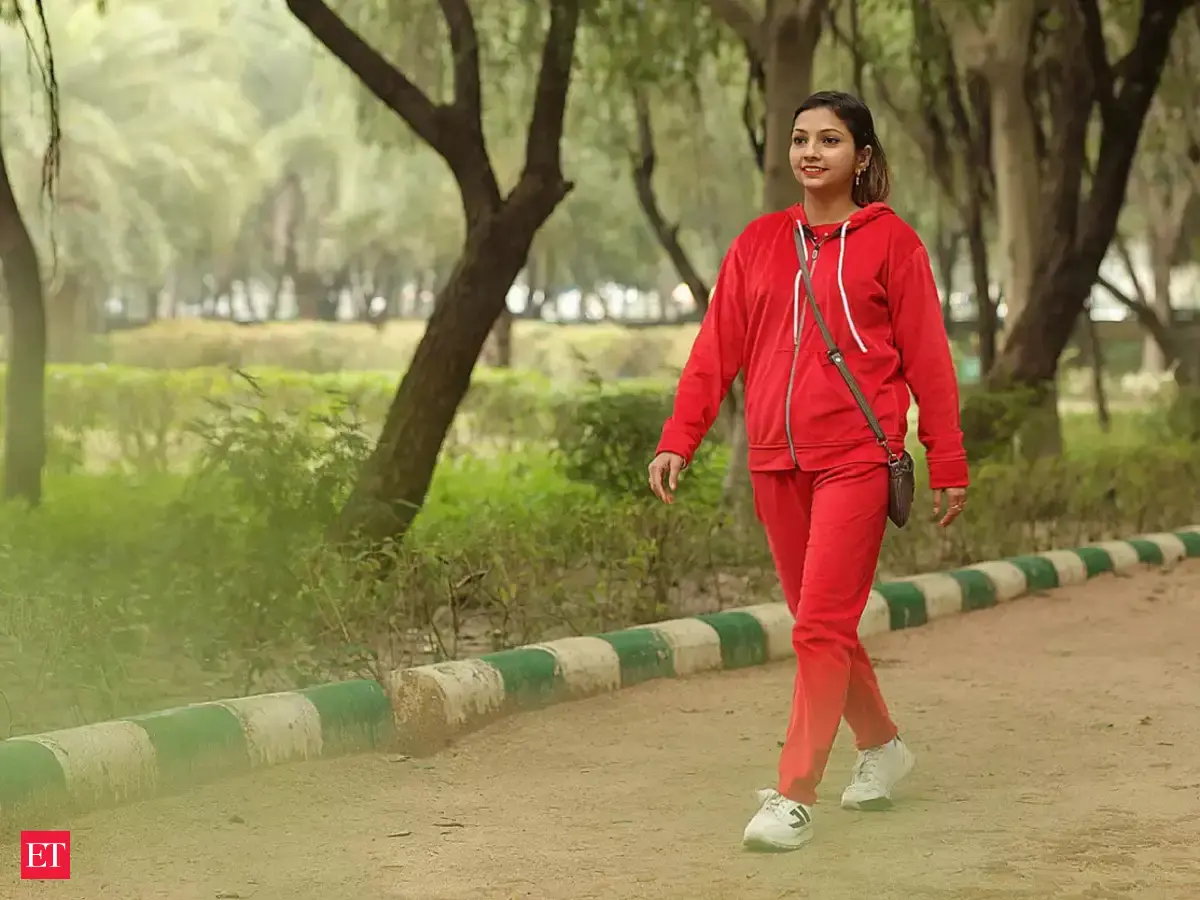
A relaxed evening walk is a deliberate, low-intensity transition from the productivity demands of the day to the restorative state of rest. By maintaining a gentle pace, focusing on rhythmic breathing, and consciously detaching from digital stimuli, individuals can lower cortisol levels, improve digestion, and establish a clear mental boundary between work and personal time.
The Physiology of Evening Movement
The human body is biologically structured to benefit from steady-state, low-impact movement, particularly in the hours leading up to sleep. Unlike high-intensity interval training (HIIT) or heavy resistance exercise, which can spike adrenaline and increase core body temperature—potentially delaying sleep onset—a relaxed evening walk utilizes the parasympathetic nervous system.
When you walk at a leisurely pace (typically 2.0 to 3.0 miles per hour), you engage in what exercise physiologists often call "active recovery." This movement helps clear metabolic byproducts from the muscles after a day of sitting, which is particularly beneficial for office workers experiencing postural fatigue. Furthermore, the gentle rhythmic impact of walking improves circulation without inducing systemic stress.
Establishing the Routine: Prerequisites and Preparation
To ensure a walk remains "relaxed" rather than another item on a to-do list, the environment and preparation are critical. The goal is to minimize decision fatigue.
- Footwear Selection: While a formal hiking boot is unnecessary, a shoe with proper arch support is vital. Soft-soled walking shoes or athletic sneakers with adequate cushioning help mitigate the risk of plantar fasciitis, especially if your route includes concrete or asphalt surfaces.
- Environmental Scanning: Choose a route that avoids high-traffic intersections or areas where you feel hyper-vigilant. The goal is "soft fascination"—walking in an environment that captures your attention without requiring active problem-solving. Parks, residential neighborhoods with low traffic, or quiet waterfront paths are ideal.
- Digital Decoupling: Leave your work phone at home or switch it to "Do Not Disturb." If you must bring a device for safety, consider using a simplified interface or a device restricted to offline audio content, such as ambient music or non-stimulating podcasts.
- Optimal Timing: The ideal window for an evening walk is 30 to 90 minutes after your final meal. This timing allows for the initial stage of digestion to pass, preventing acid reflux or stomach discomfort, while still providing the post-prandial glucose regulation benefits that walking provides.
The Role of Sensory Regulation
The environment of your evening walk significantly influences its success. As the sun sets, light levels shift. In 2026, many urban areas have adopted adaptive LED street lighting; while efficient, the blue-light spectrum of some modern street lamps can interfere with the natural circadian rhythm.
If possible, choose a route that provides access to natural twilight. Research into photobiology suggests that exposure to dimming light levels helps trigger the pineal gland to produce melatonin. By avoiding harsh, artificial indoor lighting and moving into a natural or subdued exterior setting, you are essentially signaling to your brain that the day is concluding.
Comparative Guide to Evening Walking Environments
| Environment | Primary Benefit | Potential Drawback | Best For |
|---|---|---|---|
| Residential Neighborhood | Accessibility and safety | Predictable scenery | Minimal prep time |
| Public Park | Nature exposure/fresh air | Closes after dark | Reducing mental fatigue |
| Waterfront Path | Low ambient noise/breeze | Exposure to wind/chills | Sensory grounding |
| Indoor Track/Mall | Climate control | Lack of natural light | Poor weather conditions |
Overcoming Common Barriers
Many individuals find it difficult to transition into a "relaxed" state during a walk because they carry the stress of the day with them. This is often manifested as "mental looping," where the mind continues to rehearse conversations or plan the next day's tasks.
- The "Brain Dump" Method: If you find yourself preoccupied, spend five minutes writing down your top three tasks for the following morning before you leave the house. This externalizes the memory load, allowing your brain to treat those tasks as "stored" rather than "active."
- Tactile Anchoring: During the walk, focus on the sensation of your feet striking the ground. This is a foundational technique in mindfulness. By focusing on the physical contact points, you disrupt the brain’s tendency to drift into abstract anxiety.
- Breath Regulation: A simple rhythm to adopt is the 4-7-8 pattern: inhale for 4 seconds, hold for 7, and exhale for 8. This specifically stimulates the vagus nerve, which helps shift the nervous system into a "rest and digest" state.
Safety Considerations for Evening Hours
Safety is a primary concern as visibility decreases. Even in low-traffic areas, visibility to vehicles and cyclists is non-negotiable.
- Visibility: Use reflective gear or small clip-on LED lights if walking near roads. In 2026, many activewear brands integrate reflective threads into standard clothing, making high-visibility gear less bulky and more aesthetic.
- Awareness: Avoid active noise-canceling headphones. It is essential to hear your surroundings—the sound of an approaching vehicle or local wildlife is a critical part of maintaining situational awareness.
- Communication: Always ensure someone knows your general route and estimated return time. While most evening walks are routine, maintaining a digital "check-in" habit provides a necessary safety net.
Sustaining the Habit: Strategies for Consistency
The most significant obstacle to a relaxed evening walk is the "activation energy" required to step out the door. Often, the transition from a chair to the outdoors feels monumental after a long day.
Instead of treating the walk as a standalone event, anchor it to an existing habit. For instance, walk immediately after clearing the dinner table. When the activity becomes a sequence—dinner followed by a walk—you remove the need to make a conscious choice every evening.
Furthermore, do not view the walk as a "fitness session." If you frame it as exercise, you may feel guilty if you walk slowly or for a shorter duration. A relaxed evening walk is, by definition, a period of restoration. If you only manage 10 minutes on a particularly busy day, that is still a successful session. The consistency of the practice matters far more than the duration or distance covered.
Frequently Asked Questions
How long should a relaxed evening walk last? A relaxed evening walk should ideally last between 20 and 45 minutes. This duration is sufficient to reap the physiological benefits of movement and mental clarity without causing excessive physical fatigue that might impede sleep.
Is it better to walk alone or with a partner? This depends on your goal. Walking alone is superior for introspection and mental decompression. Walking with a partner can be beneficial for social connection; however, ensure the conversation remains light and non-confrontational to maintain the "relaxed" nature of the experience.
What should I do if the weather is poor? If environmental conditions are prohibitive, consider a "home-based" walking alternative. This might involve walking through a well-lit basement, a long hallway, or a local indoor shopping center. The goal is movement and sensory shift, which can be achieved even in suboptimal weather.
Can I listen to music or audiobooks? Yes, provided the content is not overly stimulating or associated with high stress. Instrumental music, nature soundscapes, or calming audiobooks are excellent choices. Avoid news briefings, political commentary, or high-octane thrillers, as these can elevate your heart rate and mental alertness.
How does an evening walk affect sleep quality? By lowering body temperature through steady-state movement and assisting in the clearing of cortisol, an evening walk helps prime the body for sleep. Avoid walking within 30 minutes of your intended bedtime, as the core body temperature rise from even gentle movement may take a short window to normalize.
Final Recommendation
To begin your practice, commit to a "Low-Bar Initiation": for the next seven days, resolve to walk for just 15 minutes, starting 45 minutes after your evening meal. Do not track steps, distance, or heart rate. Instead, focus exclusively on the rhythm of your breathing and the ambient environment. Once the habit of stepping out is established, you can gradually increase the duration or complexity of your route. This minimalist approach reduces the psychological pressure to "perform," allowing the walk to function as a genuine tool for your mental and physical recovery.