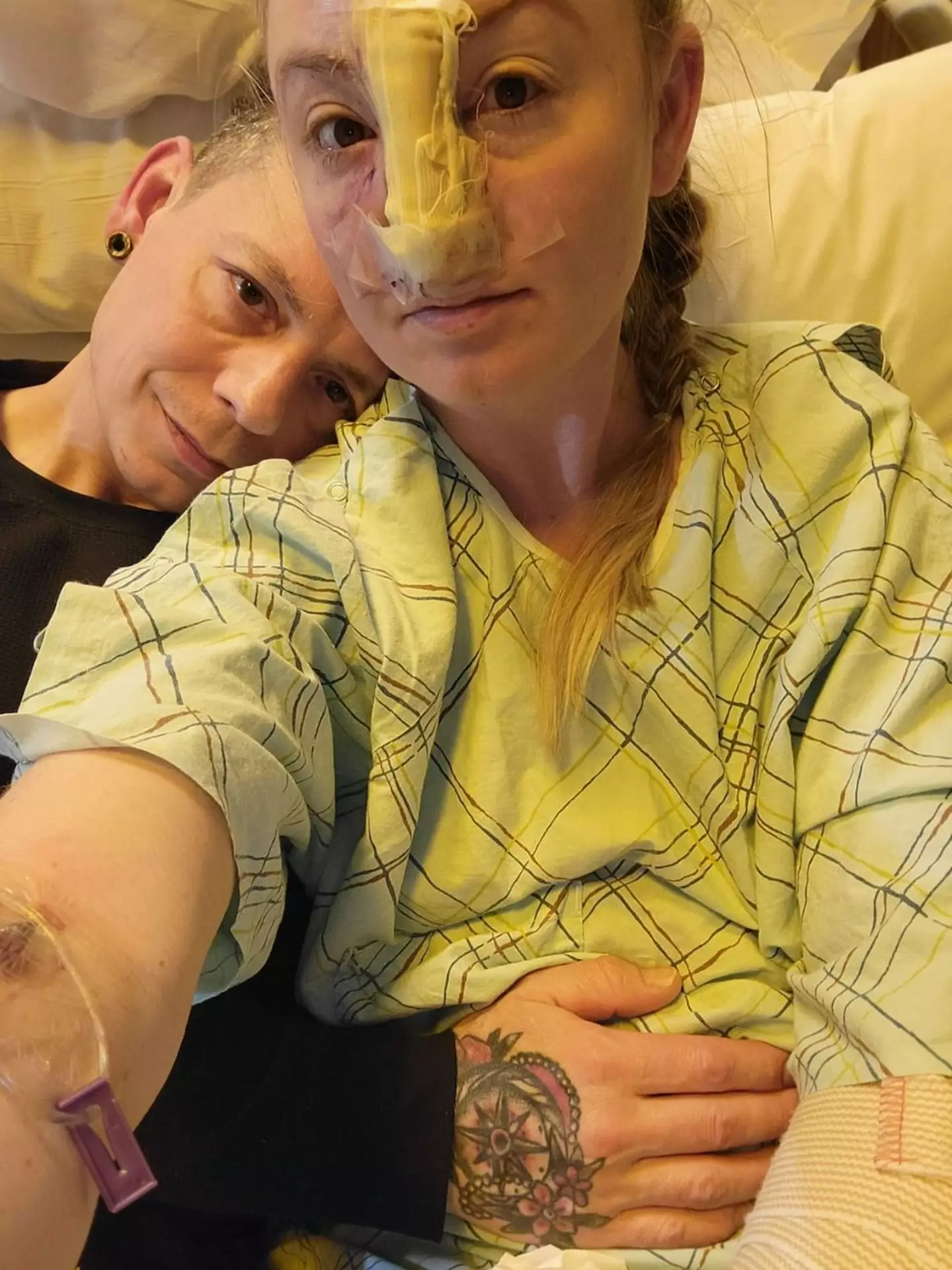
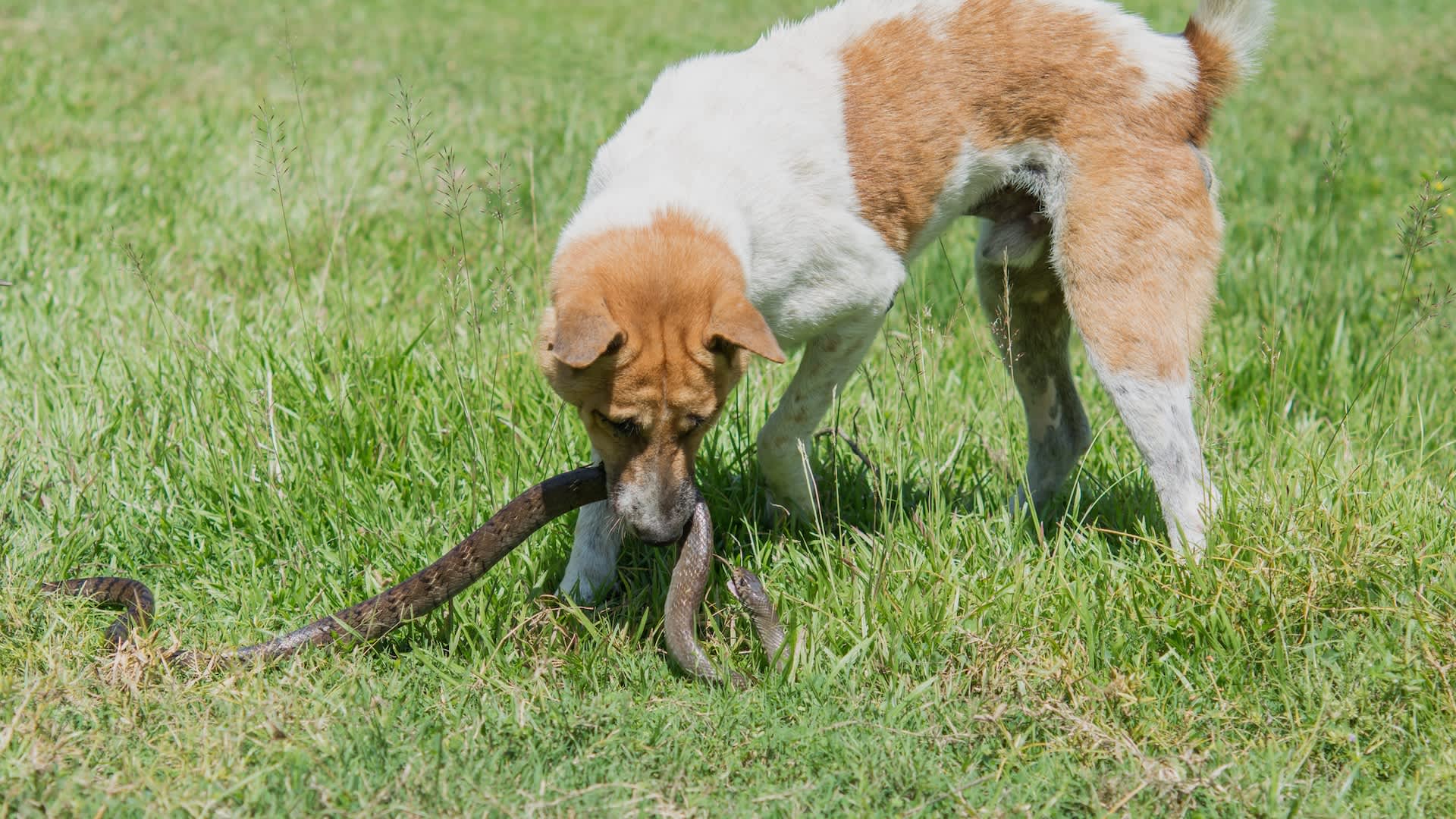
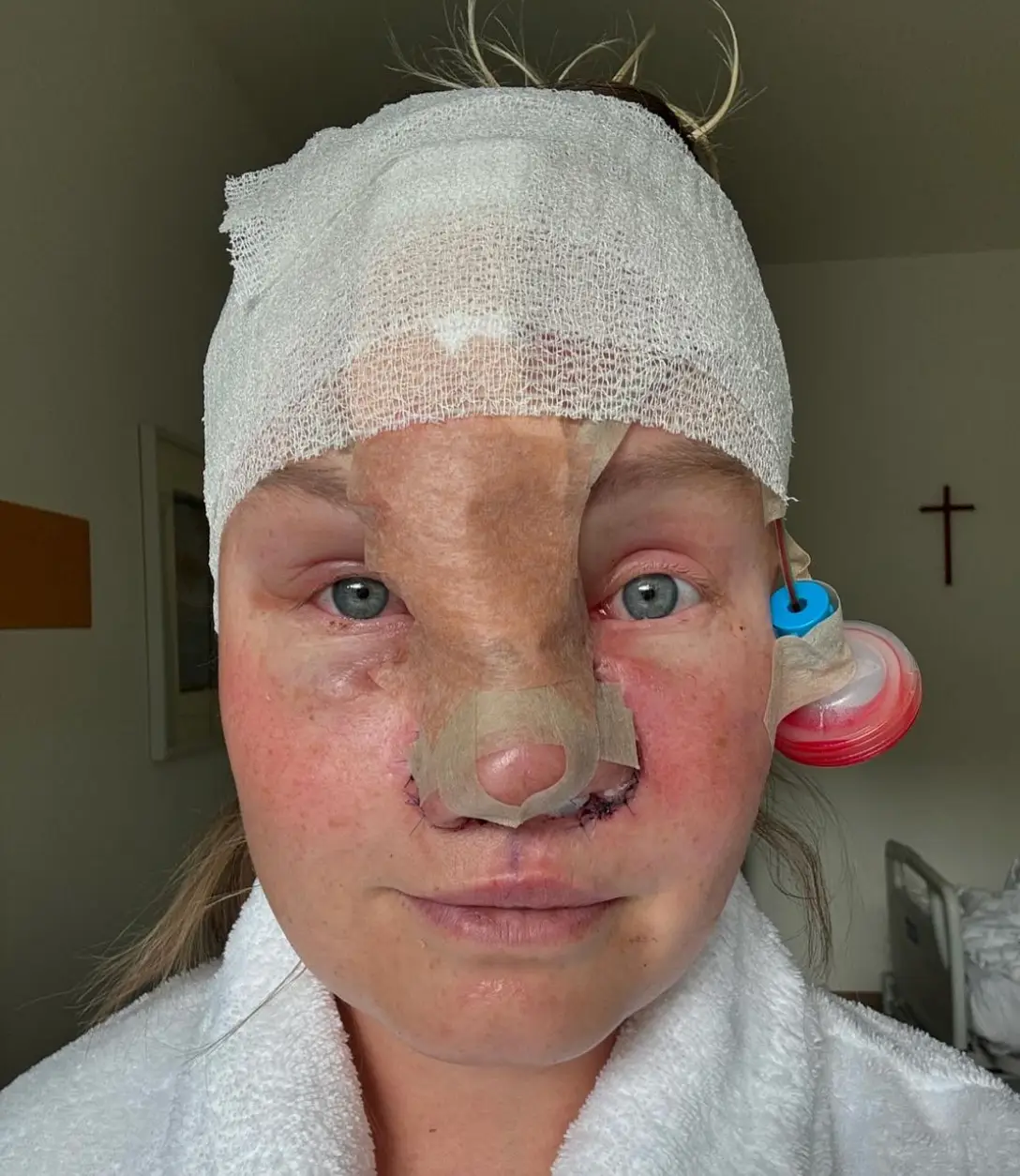
If a nose is bitten off by a dog, immediate action is critical: apply firm, direct pressure with a clean cloth to stop bleeding and locate any severed tissue. Place the avulsed (torn off) piece in a sterile, saline-moistened gauze, seal it in a plastic bag, and place that bag on ice—never directly on ice. Seek emergency care at a Level 1 trauma center or a facility with specialized plastic and reconstructive surgeons immediately.
The loss of a nose, whether partial or total, is a devastating physical and psychological event. Because the nose is the central feature of the human face and essential for respiratory function, its reconstruction requires a sophisticated blend of microsurgery and artistry. In 2026, medical protocols for facial avulsions have become highly streamlined, prioritizing both the prevention of infection and the restoration of a natural appearance.
Immediate Field Response and Tissue Preservation
The first sixty minutes following a traumatic dog bite are often referred to as the "golden hour" for tissue viability. Dog bites are unique because they involve both "crush" and "tear" mechanics. The blunt force of the jaw crushes the delicate cartilage and skin, while the shaking motion often results in a complete avulsion of the nasal tip or the entire structure.
Controlling the Hemorrhage
The nose is highly vascular, supplied by branches of both the internal and external carotid arteries. When a portion is bitten off, bleeding can be profuse. The victim or bystander should apply constant, direct pressure to the wound site for at least 15 minutes without lifting the cloth to check the wound. If the cloth becomes soaked, add another layer on top rather than removing the first.
Managing the Avulsed Part
If the severed portion of the nose can be found, its condition directly dictates the surgical options. Follow the "bag-in-a-bag" protocol:
- Rinse: Gently rinse the tissue with clean water or saline to remove debris. Do not scrub it.
- Wrap: Wrap the tissue in a clean gauze or cloth moistened with saline (preferable) or clean water.
- Seal: Place the wrapped tissue in a waterproof plastic bag.
- Cool: Place that bag into a second container or bag filled with a mixture of ice and water. Caution: Never place the tissue directly on ice, as this causes frostbite and cellular death, making the part unusable for replantation.
Emergency Department Triage and Infection Control
Upon arrival at the hospital, the medical team will prioritize stabilization and infection prophylaxis. Dog mouths are reservoirs for a variety of bacteria, including Pasteurella multocida, Capnocytophaga canimorsus, and various anaerobes.
Antibiotic and Vaccine Protocol
Bite wounds are considered "dirty" wounds. Patients are typically started on a course of amoxicillin-clavulanate (Augmentin), which is the gold standard for covering the specific pathogens found in canine saliva. If the patient has a penicillin allergy, a combination of clindamycin and a fluoroquinolone or trimethoprim-sulfamethoxazole may be used.
The physician will also verify the patient's tetanus status. If the last booster was more than five years ago, a new dose is administered. Rabies is a secondary but vital concern. If the dog’s vaccination history is unknown or the animal is a stray, the rabies post-exposure prophylaxis (PEP) series—including the rabies vaccine and Human Rabies Immune Globulin (HRIG)—must be initiated immediately.
Wound Debridement
Before any reconstruction can be discussed, the wound must be thoroughly irrigated. Surgeons use high-pressure saline lavage to flush out bacteria and foreign material. Debridement involves removing ragged, non-viable tissue edges. In 2026, surgeons use specialized tools to preserve as much healthy "nasal lining" as possible, as the internal mucosal lining is the most difficult part of the nose to replace.
Surgical Reconstruction Options
Reconstructing a nose is a multi-layered challenge. A successful reconstruction must address three components: the internal lining (to allow breathing), the structural support (cartilage or bone to prevent collapse), and the external skin cover (for aesthetics).
Microvascular Replantation
If the severed part is in good condition and contains a suitable artery and vein, microvascular replantation is the first choice. This involves using a high-powered microscope to sew together blood vessels that are often less than 1 millimeter in diameter.
- Pros: Uses the patient's actual nose; offers the best color and contour match.
- Cons: Extremely high failure rate due to "venous congestion." While an artery can be reconnected to bring blood in, the tiny veins often fail to drain blood out, causing the tissue to turn purple and die. Surgeons may use medicinal leeches (Hirudo medicinalis) post-operatively to assist with venous drainage until new vessels grow.
The Paramedian Forehead Flap
When replantation is not possible, the "gold standard" for nasal reconstruction is the forehead flap. This technique has been refined over centuries and remains the most reliable method for replacing large portions of the nose.
- The Procedure: A piece of skin is harvested from the forehead, but it remains attached at the eyebrow by a "pedicle" (a bridge of tissue containing the supratrochlear artery). The skin is flipped down onto the nose.
- The Living Bridge: Because it remains attached to its original blood supply, the flap has a very high success rate.
- The Second Stage: After 3 to 4 weeks, once the flap has established a new blood supply from the nose site, the "bridge" of skin to the forehead is cut and the remaining tissue is tucked back into the brow.
Composite Grafts and Cartilage Scaffolding
For smaller defects, such as the loss of a nostril edge (the ala), a composite graft may be taken from the ear. Ear tissue is remarkably similar to nasal tissue, containing both skin and a thin layer of supportive cartilage.
For total nose reconstruction, surgeons in 2026 often utilize 3D-printed bio-scaffolds or harvested rib cartilage to create a frame. Without this frame, the new skin would contract and collapse during the healing process, leading to a "pinched" appearance and breathing difficulties.
Comparison of Reconstruction Techniques
| Technique | Suitability | Primary Advantage | Major Limitation |
|---|---|---|---|
| Microvascular Replantation | Complete or large partial avulsions | Perfect anatomical match | High risk of venous failure; technically demanding |
| Forehead Flap | Subtotal or total nasal loss | Robust blood supply; excellent skin match | Requires multiple surgeries; temporary facial distortion |
| Nasolabial Flap | Small defects on the side of the nose | Uses adjacent cheek skin; minimal scarring | Limited to smaller areas; can distort the lip or cheek |
| Composite Ear Graft | Small defects of the nasal rim/tip | Provides both skin and support | Limited size (max 1.5–2 cm); high risk of graft "take" failure |
| Prosthetic Nose | Cases where surgery is contraindicated | Immediate aesthetic restoration | Requires daily adhesive; does not "feel" like part of the body |
The Recovery Process and Long-Term Management
Healing from a nasal avulsion is a marathon, not a sprint. The initial surgical phase may take months, but the maturation of the scars and the refinement of the shape can take up to two years.
Post-Operative Care
Patients must avoid any activity that increases blood pressure in the face, such as heavy lifting or bending over, for several weeks. Smoking is strictly prohibited, as nicotine constricts small blood vessels and is the leading cause of flap failure. In 2026, hyperbaric oxygen therapy (HBOT) is frequently used post-surgery to saturate the healing tissue with oxygen and encourage the growth of new capillaries.
Scar Revision and Aesthetics
Once the reconstructed nose has healed, "refinement" surgeries are common. These might include laser treatments to blend skin color, or "de-bulking" procedures if the forehead flap tissue is too thick. Medical tattooing can also be used to recreate the subtle color variations of the nasal tip.
Psychological Impact and Support
Facial disfigurement carries a heavy psychological burden. The nose is central to identity, and its sudden loss can lead to Post-Traumatic Stress Disorder (PTSD), depression, and social withdrawal. Modern treatment plans in 2026 almost always include a psychologist or counselor specializing in facial trauma.
Support groups for dog bite victims provide a space to process the trauma of the attack itself, which often involves a pet or a familiar animal, adding layers of guilt and confusion to the recovery process.
Legal and Insurance Considerations
A dog bite to the face is a significant legal event. Most homeowners' insurance policies cover dog bite liability, though certain "high-risk" breeds may be excluded depending on the jurisdiction.
- Documentation: It is vital to obtain a police or animal control report immediately.
- Liability: In many regions, "strict liability" laws apply, meaning the owner is responsible for the damages regardless of whether the dog had previously shown aggression.
- Cost of Care: Reconstructive surgery is not considered "cosmetic" in the context of trauma; it is functional restoration. Consequently, most major medical insurance providers are required to cover these procedures, though the costs for multi-stage reconstruction and psychological support can exceed $100,000.
Prevention and Understanding Canine Behavior
While no one expects an attack, understanding that any dog can bite under specific circumstances is key to prevention. Most facial bites occur when a person’s face is in close proximity to the dog’s face—often during hugging, kissing, or "staring down" the animal.
In 2026, animal behaviorists emphasize "Body Language Literacy." Dogs rarely bite without warning; however, the warnings (flicking the tongue, showing the whites of the eyes, or a stiffened tail) are often missed by humans. Educating children to never put their faces near a dog's nose is the most effective way to prevent these life-altering injuries.
FAQ
Can a nose be sewn back on after a dog bite?
Yes, it is possible through microvascular replantation, but it is highly dependent on the condition of the severed part and the speed of medical intervention. Because dog bites involve crushing, the blood vessels are often too damaged to be reconnected. If replantation fails, surgeons move to reconstructive flaps.
How long does it take to get a "new" nose after an attack?
The initial reconstruction (such as a forehead flap) usually happens in stages over 3 to 6 months. However, the final aesthetic results, including scar fading and shape settling, typically take 12 to 24 months.
Will my sense of smell return after reconstruction?
If the olfactory nerves (located high inside the nasal cavity) were not damaged in the attack, your sense of smell should remain intact. However, if the reconstruction limits airflow through the nostrils, your ability to smell may be temporarily diminished until the airway is surgically cleared.
What is the most common complication of nasal reconstruction?
The most common complications are infection and "tissue necrosis" (death of the skin flap). Infection is a high risk due to the bacteria in dog saliva, while necrosis occurs if the blood supply to the new tissue is insufficient.
Is the surgery covered by health insurance?
Yes. Since the nose is essential for breathing and the surgery is repairing a traumatic injury, it is classified as reconstructive rather than cosmetic. This means that both the functional and aesthetic components of the repair are generally covered by insurance.
Final Recommendation
If you or someone nearby has suffered a nasal avulsion, do not delay. Call emergency services immediately. Your priority is to stop the bleeding and preserve any severed tissue using the "bag-on-ice" method. Ensure that you are transported to a facility that has a microvascular plastic surgeon on call, as the window for successful replantation closes rapidly.