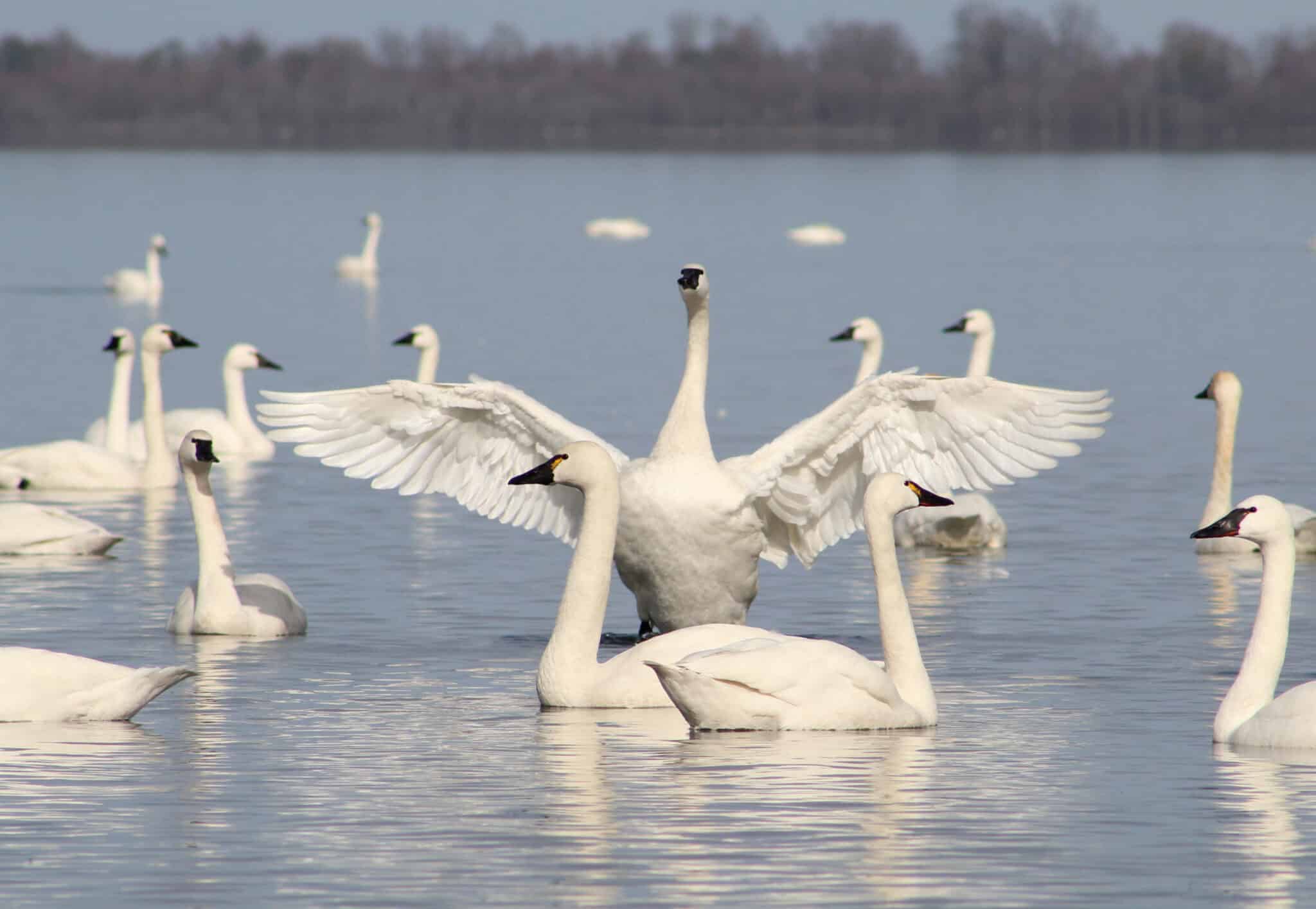
A company of swans is a collective noun used to describe a group of these birds, particularly when they are on the water. It also serves as the title of Eva Ibbotson’s celebrated 1985 historical romance novel, which follows a young ballet dancer’s journey from Edwardian England to the Amazon rainforest in Brazil.
While the phrase "a company of swans" is technically a term of venery—a specialized collective noun rooted in medieval hunting traditions—it is most frequently searched today in the context of Eva Ibbotson’s literary work. This article examines both the linguistic history of the collective noun and a deep analysis of the novel, its historical setting, and its enduring relevance in 2026.
The Etymology and Usage of "A Company of Swans"
The English language is famously rich with collective nouns for animals, often referred to as "terms of venery." These terms emerged largely in the 14th and 15th centuries, appearing in texts like the Book of Saint Albans (1486). While we commonly use "flock" for most birds, swans are granted several distinct identifiers based on their behavior and environment.
Collective Nouns for Swans
The term used for a group of swans depends heavily on their current activity. In 2026, linguistic precision remains a hallmark of natural history writing and formal prose.
- A Company: This is the most general term for a group of swans. It suggests a social gathering, often on the water or resting on a bank.
- A Wedge: This specifically describes a group of swans flying in a "V" formation. The term refers to the visual shape the birds cut through the air to reduce wind resistance.
- A Skein: Like the wedge, a skein refers to swans in flight, though it is often used more broadly for any line or string of waterfowl in the air.
- A Bank: This term is used when the swans are gathered on the shore or the edge of a body of water.
- A Lamentation: Perhaps the most poetic of the terms, a "lamentation of swans" is an archaic collective noun that likely refers to the "swan song" myth—the idea that swans sing a beautiful, mournful song just before they die.
Understanding these distinctions is essential for writers, ornithologists, and language enthusiasts who wish to convey specific imagery. In the context of Eva Ibbotson's novel, the word "company" performs double duty, referring both to the birds and to a professional troupe of dancers.
Exploring Eva Ibbotson’s A Company of Swans
Published in 1985, A Company of Swans remains one of Eva Ibbotson’s most beloved works of historical fiction. As of 2026, it continues to be a staple in the "comfort read" genre, praised for its lush descriptions, intelligent protagonists, and meticulous historical research.
Narrative Arc and Plot Summary
The story begins in 1912 in the stifling, academic atmosphere of Cambridge, England. The protagonist, Harriet Morton, is the daughter of a cold, controlling professor. Her life is defined by strict boundaries and the expectation of domestic boredom. However, Harriet possesses a secret passion and talent: ballet.
When a professional ballet company—the "Company of Swans"—auditions for dancers to embark on a tour of South America, Harriet seizes the opportunity to escape. She joins the troupe, traveling across the Atlantic to Manaus, Brazil. The contrast between the grey, rigid world of Cambridge and the vibrant, dangerous, and opulent atmosphere of the Amazonian rubber boom forms the emotional core of the novel.
In Manaus, Harriet encounters Simon Cancio, a wealthy, disillusioned Englishman who has built an empire in the jungle. The narrative follows their developing relationship against the backdrop of Tchaikovsky’s Swan Lake, the decadence of the Teatro Amazonas, and the encroaching realities of the jungle.
Key Characters and Motivations
Ibbotson is known for creating characters who are archetypal yet deeply human.
- Harriet Morton: Unlike the traditional "damsel in distress," Harriet is motivated by a desire for artistic expression and physical freedom. Her journey is as much about discovering her own strength as it is about finding love.
- Simon Cancio: A brooding, complex figure, Simon represents the intersection of European industry and the untamed Amazon. He provides the "Byronic" element to the romance but is grounded by his genuine respect for Harriet’s independence.
- The Ballet Troupe: Led by the demanding yet visionary maestro, the company serves as a surrogate family for Harriet. Their dedication to art in the face of logistical nightmares (heat, humidity, and fever) highlights the theme of human perseverance.
Historical and Geographical Context: The Amazon Rubber Boom
To fully appreciate A Company of Swans, one must understand the specific historical moment in which it is set. The year 1912 was near the end of the "Belle Époque" of the Amazon rubber boom.
The Opulence of Manaus
During this era, Manaus was one of the wealthiest cities in the world. Rubber "barons" amassed fortunes that allowed them to import everything from Europe—from paving stones to French champagne. The centerpiece of this wealth was the Teatro Amazonas, a magnificent opera house built with Italian marble, English wrought iron, and French glass.
Ibbotson uses this setting to emphasize the absurdity and beauty of European high culture being transplanted into the heart of the rainforest. The "Company of Swans" performing Swan Lake in a theater surrounded by miles of impenetrable jungle serves as a powerful metaphor for the fragility of civilization.
The Reality of the "Green Hell"
While the city was opulent, the surrounding jungle was often referred to as the "Green Hell." The novel does not shy away from the dangers of the environment, including malaria, yellow fever, and the sheer scale of the Amazon River. This environmental tension adds a layer of high stakes to the romance and the troupe’s performances.
The Symbolism of Swans in Art and Literature
The swan is a potent symbol in Western culture, and Ibbotson weaves these meanings throughout her narrative. In 2026, these symbols continue to resonate in contemporary literary analysis.
| Symbol | Interpretation in A Company of Swans |
|---|---|
| Transformation | Harriet’s journey from a repressed daughter to a professional ballerina mirrors the "Ugly Duckling" transformation. |
| Purity and Grace | The precision of the ballet represents a standard of grace that Harriet strives to maintain amidst the chaos of the jungle. |
| The "Swan Song" | Represents the end of the rubber boom and the impending end of the Edwardian era with the approach of World War I. |
| Fidelity | Swans mate for life, reflecting the deep, singular bond that develops between Harriet and Simon. |
The use of Swan Lake as the central ballet in the novel is intentional. The story of Odette, a princess turned into a swan by an evil sorcerer, parallels Harriet’s own feeling of being "cursed" by her father’s expectations and her eventual "enchantment" by the world of dance and the Amazon.
Comparative Analysis: Ibbotson’s Place in Historical Romance
Eva Ibbotson occupies a unique niche in the literary world. While her works are often categorized as romance, they are frequently characterized by a level of wit and historical detail that elevates them above standard genre tropes.
Ibbotson vs. Traditional Romance
In many romance novels, the setting is merely a backdrop for the relationship. In A Company of Swans, the setting is a character in its own right. Ibbotson’s background—she was the daughter of a scientist and an author—gave her a penchant for factual accuracy and a dry, European sense of humor. This prevents the story from becoming overly sentimental.
Connection to Young Adult Literature
Though written for adults, the novel has a massive following among young adult readers. Its themes of self-discovery, rebellion against parental authority, and the pursuit of a dream are universal. In 2026, it remains a recommended text for students exploring the intersection of historical fiction and the arts.
Technical Requirements for Ballerinas in the Edwardian Era
To understand Harriet's challenges, it is useful to look at the technical aspects of ballet in 1912. Modern audiences might not realize how much the discipline has evolved.
- Pointe Shoes: In 1912, pointe shoes were less reinforced than they are today. Dancers often had to darn the toes themselves to provide extra grip and support.
- Costuming: Costumes were heavy and often made of layers of tarlatan and silk, which would have been incredibly stifling in the 90-degree humidity of Manaus.
- Travel: A touring company in the early 20th century faced grueling conditions. The "Company of Swans" would have traveled for weeks by steamship, practicing on moving decks and dealing with limited space.
Critical Reception and Legacy in 2026
As of 2026, A Company of Swans is regarded as a minor classic of 20th-century English literature. It is often cited in discussions regarding "The British Overseas" subgenre—stories of British citizens finding themselves in exotic or colonial settings.
Critics point to Ibbotson’s ability to balance the "light" and the "dark." While the romance is fulfilling, the descriptions of the rubber trade's underlying brutality (though kept in the background of Harriet's immediate experience) and the environmental costs of the boom provide a necessary weight to the narrative.
The book’s legacy is also tied to the resurgence of "light" historical fiction that prioritizes atmosphere and character growth over gritty realism. It serves as a reminder that escapism, when executed with high literary skill, is a valid and vital form of art.
Common Collective Nouns for Waterfowl and Birds
To provide a broader linguistic context, the following table compares collective nouns for various birds as they are recognized in formal English.
| Bird Species | Collective Noun (Primary) | Context/Variation |
|---|---|---|
| Swan | Company | Bevy (old usage), Wedge (flight), Bank (on land) |
| Goose | Gaggle | Skein (flight), Wedge (flight) |
| Duck | Raft | Paddling (on water), Team (in flight) |
| Heron | Siege | Sedge (alternative) |
| Owl | Parliament | Stare (less common) |
| Crow | Murder | Hover (rarely used) |
| Starling | Murmuration | Specifically for large, swirling flocks |
Frequently Asked Questions
Why is a group of swans called a "company"?
The term "company" likely stems from the social nature of swans when they are gathered on the water. Unlike some birds that are highly territorial and solitary outside of breeding, swans are often seen in groups (particularly non-breeding juveniles), which gave the impression of a social "company" or gathering.
Is A Company of Swans based on a true story?
While the "Company of Swans" ballet troupe is fictional, the historical setting is very much real. The Manaus rubber boom and the construction of the Teatro Amazonas are historical facts. Ibbotson used these real events and locations to anchor her fictional narrative in a believable world.
What is the age rating for Eva Ibbotson’s A Company of Swans?
The novel is generally considered suitable for readers aged 12 and up. While it is a romance, it is "sweet" rather than "steamy," focusing on emotional intimacy and intellectual connection. It is frequently recommended for both teenagers and adults.
Where can I see a "company of swans" today?
In the UK, large groups of Mute Swans can be seen at the Abbotsbury Swannery in Dorset, which has existed since the 11th century. In North America, Trumpeter Swans can be found in large groups in the Pacific Northwest and the Great Lakes region during the winter months.
How does the title relate to the themes of the book?
The title is a double entendre. It refers to the literal group of swans Harriet sees in the wild and the collective noun for the birds she portrays on stage. More deeply, it represents Harriet finding her "flock"—a group of people where she finally belongs and can express her true nature.
Has A Company of Swans been adapted into a film?
As of early 2026, there have been several rumors of a streaming series adaptation, particularly given the success of historical dramas like Bridgerton and The Gilded Age. However, no official production has been completed. Fans of the book often point to its cinematic potential due to the contrast between Cambridge and the Amazon.
Practical Recommendation for Readers
If you are interested in the linguistic aspect of "a company of swans," exploring the Oxford English Dictionary or the Book of Saint Albans will provide deep historical context for terms of venery.
For those interested in the literary side, it is highly recommended to read A Company of Swans alongside Ibbotson’s other historical romances, such as The Morning Gift or The Secret Countess. These books offer a similar blend of historical accuracy, humor, and heartfelt storytelling. When reading, pay close attention to the way Ibbotson uses the natural world to mirror the internal emotional states of her characters—a hallmark of her writing style that remains influential in 2026.