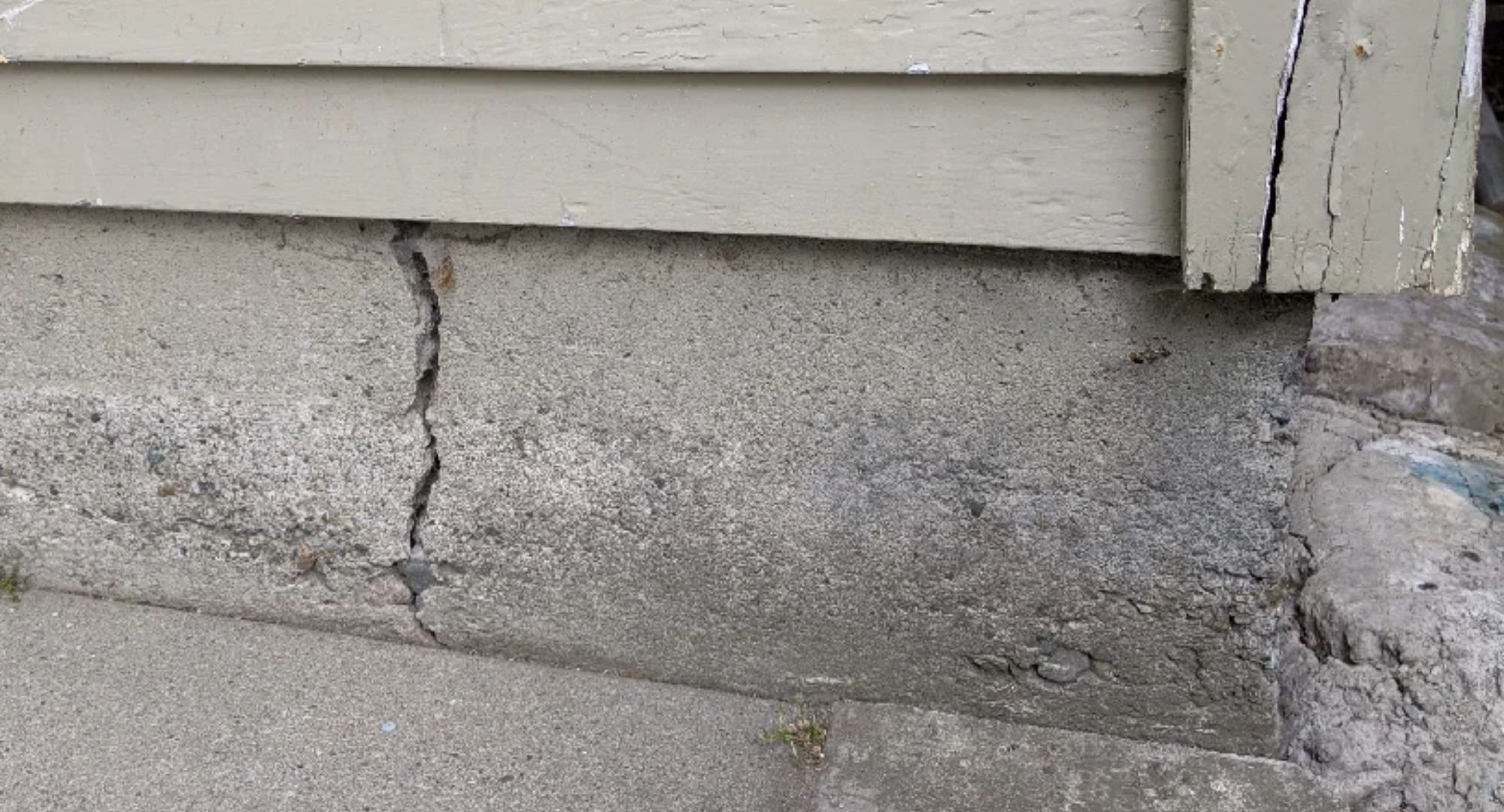
Foundation repair in Ardmore, Oklahoma, typically involves addressing issues caused by the region's expansive clay soils, which shift significantly with Southern Oklahoma’s moisture cycles. Effective solutions in 2026 range from steel piering and helical piles for structural stabilization to polyurethane injection for slab leveling, with costs varying based on the severity of the settlement and the chosen method.
Understanding the Geological Challenges in Ardmore, Oklahoma
Ardmore is situated in a geographic region where the soil composition is dominated by expansive clays. These soils are characterized by their high shrink-swell potential. During the humid Oklahoma summers or periods of heavy rainfall, the clay absorbs water and expands, exerting immense upward pressure on residential and commercial foundations—a phenomenon known as heave. Conversely, during the frequent drought cycles common to Carter County, the soil loses moisture and shrinks, leaving voids beneath the concrete.
When the soil shrinks, the foundation loses its uniform support, leading to differential settlement. This is not just a cosmetic issue; it is a structural failure where one part of the building sinks faster than another. In Ardmore, the proximity to the Arbuckle Mountains and the specific alluvial deposits in the area mean that some properties may sit on highly variable strata, making professional soil analysis a prerequisite for any permanent repair strategy.
As of 2026, structural engineers in Southern Oklahoma emphasize that foundation movement is rarely a one-time event. Because the "active zone"—the depth at which soil moisture fluctuates—can extend ten feet or deeper in this region, shallow foundations are particularly vulnerable. Understanding these local geological conditions is the first step for any homeowner facing structural instability.
Identifying the Warning Signs of Foundation Failure
Recognizing the early symptoms of foundation distress can prevent a manageable repair from turning into a total structural overhaul. In Ardmore’s climate, these signs often manifest slowly but accelerate during extreme weather shifts.
Interior Indicators
Inside the home, the most common sign is the "sticking" door or window. When a foundation shifts, the rectangular frames of doors and windows become skewed into parallelograms. You might notice that a door that used to swing freely now rubs against the top of the frame or requires significant force to latch.
Another critical indicator is the presence of cracks in the drywall, particularly those radiating at 45-degree angles from the corners of door frames and windows. While small hairline cracks can sometimes be attributed to natural settling or humidity changes in the wood framing, wide or recurring cracks usually point to a moving foundation. Furthermore, sloping or uneven floors suggest that the subfloor or the slab itself has lost its level plane.
Exterior and Structural Indicators
On the exterior of an Ardmore home, "stair-step" cracks in the brickwork or masonry are the definitive "smoking gun" of foundation settlement. These cracks follow the mortar lines in a zigzag pattern and indicate that the section of the wall is pulling away or sinking.
Homeowners should also inspect the "freeze board"—the trim piece where the siding or brick meets the soffit. If there are visible gaps or if the trim is pulling away from the house, the structure is likely tilting. In homes with crawl spaces (pier and beam foundations), sagging floors or a musty odor can indicate failing support posts or moisture-related rot in the wooden joists, both of which require immediate intervention to preserve the home's integrity.
Primary Foundation Repair Methods Used in 2026
The technology for stabilizing structures has advanced significantly. In Ardmore, contractors generally choose between several "deep-driven" solutions to bypass the unstable surface clay and reach more competent load-bearing strata.
Steel Piering
Steel piers are often considered the gold standard for foundation repair in Oklahoma. These involve driving heavy-duty steel pipes deep into the earth using hydraulic jacks until they hit bedrock or a load-bearing strata that can support the weight of the building. Once the piers are "to refusal," the weight of the house is transferred from the unstable soil to the steel columns. This method allows for the actual lifting of the foundation back toward its original position.
Helical Piers
Helical piers resemble large screws. They are mechanically "screwed" into the ground rather than being driven by the weight of the house. These are particularly effective for lighter structures, such as porches, or in areas where the soil is sandy or lacks the density required for standard steel piers. In 2026, helical piers are frequently used in Ardmore for both remedial repair and as a preventative measure for new construction on known "problem" lots.
Polyurethane Injection (Polyjacking)
For concrete slabs that have sunk but remain structurally sound—such as garage floors, driveways, or interior slabs-on-grade—polyurethane injection has largely replaced traditional mudjacking. This process involves drilling small, penny-sized holes in the concrete and injecting a high-density expanding foam. The foam expands to fill voids and exerts enough pressure to level the slab. It is faster, less invasive, and more waterproof than the old sand-and-cement slurries used in the past.
Concrete Pressed Piers
Pressed concrete piers are a more economical alternative to steel. These consist of pre-cast concrete cylinders driven into the ground using the home’s weight. While effective in many Southern Oklahoma scenarios, they may not reach the same depths as steel and are sometimes more susceptible to shifting if the soil undergoes extreme moisture changes.
Cost Analysis and Comparison for Ardmore Homeowners
The cost of foundation repair in Ardmore is influenced by the number of supports (piers) required, the depth to bedrock, and the accessibility of the perimeter. While every project is unique, the following table provides a generalized comparison of the primary methods available in 2026.
| Repair Method | Average Cost Per Unit/Project | Best For | Expected Longevity |
|---|---|---|---|
| Steel Piers | $850 – $1,300 per pier | Heavy residential/Commercial settlement | Lifetime (Transferable) |
| Helical Piers | $900 – $1,400 per pier | Lighter structures/Sandy soils | Lifetime |
| Concrete Pressed Piers | $450 – $700 per pier | Budget-conscious residential repair | 15–25 Years |
| Polyurethane Injection | $1,500 – $4,500 per area | Sinking slabs, patios, and driveways | 10–20 Years |
| Drainage Correction | $2,500 – $6,000 | Preventing future movement | Variable |
Note: Prices are estimates based on 2026 market rates in Southern Oklahoma and include labor and materials. Total project costs typically range from $5,000 to $20,000+ depending on the scope of the damage.
The Critical Role of Drainage and Maintenance
In Ardmore, the best foundation repair is the one you never have to perform. Since moisture is the primary driver of soil movement, controlling the water around your home is essential. Many foundation failures in Carter County are exacerbated by poor gutter systems or improper grading.
Gutters and Downspouts
Water shedding from the roof should never be allowed to pool at the base of the foundation. In 2026, experts recommend that downspout extensions carry water at least 5 to 10 feet away from the structure. If the water saturates the soil near the house, it creates a "moat effect" that weakens the soil's load-bearing capacity and encourages the clay to expand disproportionately.
Grading and French Drains
The ground should slope away from the foundation at a rate of at least 6 inches over the first 10 feet. If the landscape naturally slopes toward the house, a French drain—a trench filled with gravel and a perforated pipe—can intercept surface and subsurface water and redirect it toward the street or a lower part of the property.
Foundation Watering
During the intense Oklahoma droughts, many homeowners use "soaker hoses" to maintain a consistent moisture level in the clay. The goal is not to saturate the soil but to prevent it from shrinking and pulling away from the foundation. Consistent moisture levels help keep the soil volume stable, reducing the risk of differential settlement.
Choosing a Qualified Foundation Repair Contractor in Ardmore
Homeowners should be diligent when selecting a contractor. Foundation repair is a significant investment, and the quality of the work is often hidden underground once the project is complete.
- Verification of Insurance and Bonding: Ensure the contractor carries both general liability and workers' compensation insurance. This protects the homeowner from liability in the event of an accident on-site.
- Engineering Reports: For significant structural work, it is highly recommended (and sometimes required by local Ardmore building codes) to have an independent structural engineer assess the property before and after the repair. This provides an unbiased set of "eyes" on the solution being proposed.
- Warranty Terms: Most reputable companies in 2026 offer lifetime transferable warranties on piering systems. Read the fine print to understand what is covered—specifically, whether the warranty covers only the piers themselves or the "adjustment" of those piers if further movement occurs.
- Local References: Ask for references from projects completed in the Ardmore or Carter County area. Soil conditions in nearby towns like Marietta or Madill are similar, but local experience with Ardmore’s specific terrain is invaluable.
Frequently Asked Questions
Does homeowners insurance cover foundation repair in Oklahoma?
Generally, standard homeowners insurance policies do not cover foundation repair resulting from earth movement, seepage, or normal wear and tear. Coverage is usually only triggered if the foundation damage was caused by a "covered peril," such as a pipe burst under the slab or a catastrophic event like a tornado. It is important to review your specific policy with an agent to determine if any endorsements for water backup or foundation coverage exist.
How long does a typical foundation repair project take?
For an average Ardmore home requiring 10 to 15 piers, the installation usually takes between 3 to 5 days. Factors such as the presence of rock ledges, the need to remove and replace landscaping, or interior pier requirements (which involve cutting through the floor) can extend this timeline. Polyjacking for a driveway or patio can often be completed in a single day.
Can I sell my house if it has had foundation repairs?
Yes, you can sell a house with a history of foundation repair, provided the repairs were performed by a reputable company and are backed by a transferable warranty. In fact, a house that has been properly "piered" to bedrock is often more structurally sound than a neighboring house on the same soil that has not been repaired. Full disclosure of the repairs and providing the engineering certificates to the buyer are standard parts of the real estate process in Oklahoma.
Is it better to repair the foundation or wait?
Waiting almost always increases the cost. As the foundation continues to shift, the secondary damage—cracked bricks, broken tiles, and warped frames—becomes more extensive and expensive to fix. Furthermore, extreme settlement can eventually stress plumbing lines under the slab, leading to leaks that further destabilize the soil, creating a destructive feedback loop.
Final Recommendations for Ardmore Residents
If you suspect your Ardmore property is experiencing foundation movement, the first step should be a professional evaluation. Start by documenting any new cracks with photos and dates to track the rate of movement. Consult with a structural engineer who does not have a financial stake in the repair itself to get an objective assessment of the damage. Once a repair plan is established, prioritize solutions that address the root cause—the soil instability—rather than just patching the cosmetic symptoms. By combining deep-driven piering with improved drainage systems, you can ensure your home remains stable for decades to come, regardless of the volatile Oklahoma weather.