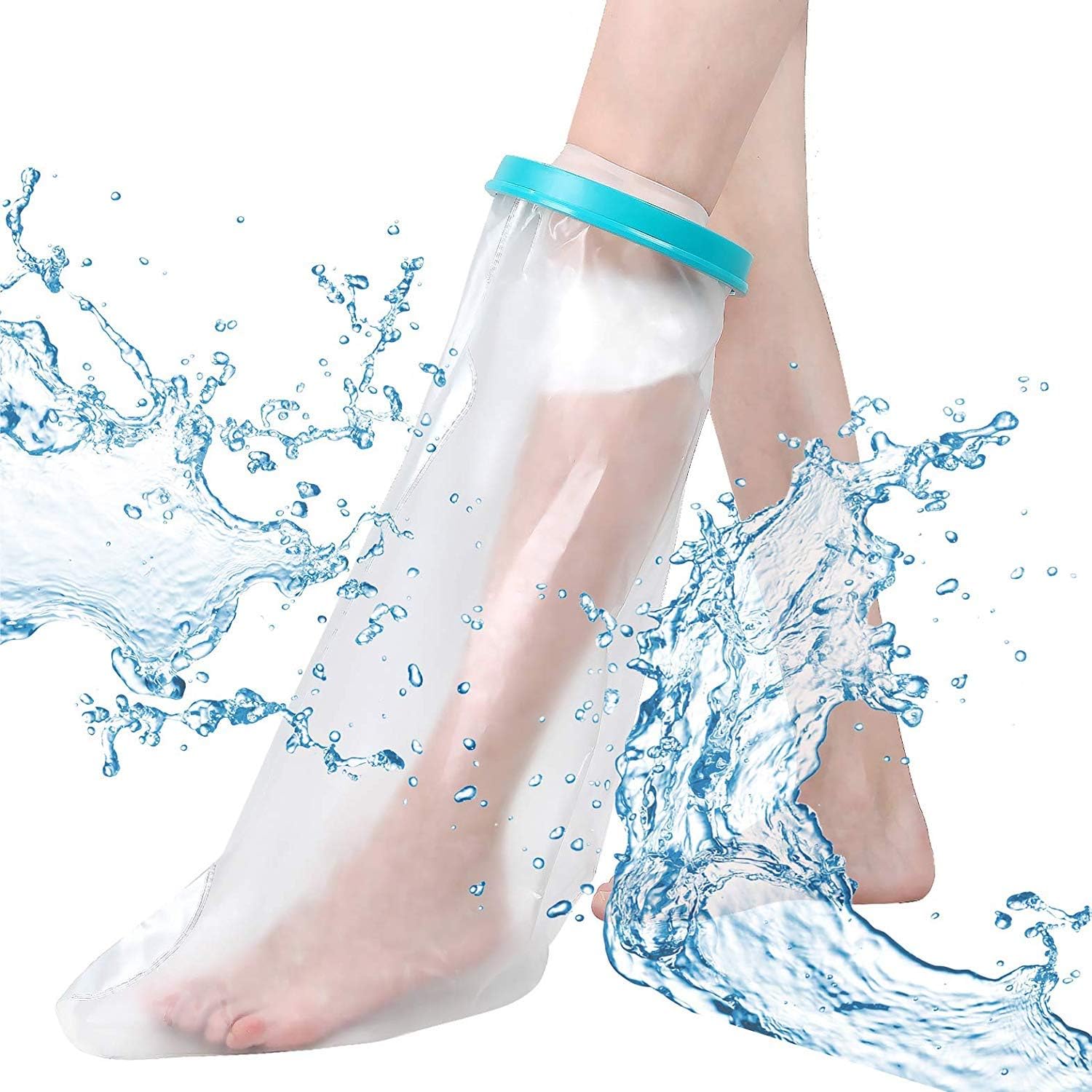
An ankle cast cover for showering is a specialized waterproof protector designed to keep plaster or fiberglass casts, as well as post-surgical bandages, completely dry during bathing. These covers utilize a tension-based seal, typically made of medical-grade silicone or elastic rubber, to create a watertight barrier around the lower leg, preventing moisture from compromising the cast or the underlying skin.
Recovering from an ankle fracture, a severe sprain, or post-operative surgery is a challenging process that often involves weeks or months in a non-weight-bearing or restricted-motion cast. One of the most persistent daily hurdles in this recovery journey is maintaining personal hygiene without ruining the cast. In 2026, the technology behind ankle cast covers has evolved significantly, offering more durable, ergonomic, and reliable solutions than the makeshift plastic bags used in decades past. Understanding the various types of covers, how to achieve a perfect seal, and the safety protocols for showering with limited mobility is essential for a smooth recovery.
The Critical Importance of Keeping an Ankle Cast Dry
Keeping an ankle cast dry is not merely a matter of convenience; it is a clinical necessity. Whether you are fitted with a traditional plaster cast or a modern fiberglass version, moisture is a primary enemy of the healing process.
Structural Integrity of the Cast
Plaster of Paris casts are particularly vulnerable to water. When plaster becomes wet, it softens and loses its ability to immobilize the bone, which can lead to malunion (the bone healing in the wrong position) or nonunion. While fiberglass casts are technically "water-resistant" in their outer shell, the padding underneath—usually cotton or a synthetic blend—is not. Once that padding gets wet, it stays wet, leading to several secondary complications.
Skin Health and Infection Control
When moisture is trapped between a cast and the skin, it creates a dark, warm, and damp environment—the perfect breeding ground for bacteria and fungi. This can lead to:
- Maceration: The skin becomes white, wrinkled, and soft, making it prone to breakdown and tearing.
- Contact Dermatitis: Irritation from moisture and trapped soaps can cause intense itching and rashes.
- Infection: For those with surgical incisions or open wounds under the cast, moisture can introduce pathogens, leading to serious post-operative infections that may require additional surgery or prolonged antibiotic treatment.
Types of Ankle Cast Covers Available in 2026
The market for orthopedic accessories has diversified, providing patients with several options based on their budget, the duration of their recovery, and their specific mobility needs.
1. Reusable Medical-Grade Silicone Covers
These are the most common and recommended protectors for long-term recovery (6 weeks or more). They feature a heavy-duty PVC or TPU (Thermoplastic Polyurethane) body and a thick, flexible silicone ring at the top. The silicone ring is stretched over the cast and sits flush against the skin of the calf, creating a high-pressure seal that blocks water.
2. Vacuum-Sealed Protectors
Vacuum-sealed covers are designed for patients who require a higher degree of security or those who may inadvertently submerge their limb. These often come with a small hand pump that removes the air from inside the cover once it is applied. The resulting vacuum creates a skin-tight fit that is highly resistant to leaks, even if the leg is briefly submerged in a bathtub.
3. Disposable and Short-Term Covers
Usually made of thinner polyethylene, these covers are intended for single-use or a few uses. They often use an adhesive strip or a simple rubber band seal. While more affordable upfront, they are prone to tearing and are generally less reliable than reusable versions. They are best suited for travel or very short-term bandage protection (less than one week).
Comparing Ankle Cast Cover Specifications
The following table compares the primary categories of ankle cast covers to help you determine which is most appropriate for your specific injury and lifestyle.
| Feature | Reusable Silicone/PVC | Vacuum-Sealed | Disposable Plastic |
|---|---|---|---|
| Primary Material | Heavy-duty PVC & Silicone | Surgical Latex or Rubber | Polyethylene |
| Seal Type | Diaphragm/Tension Seal | Vacuum Suction | Adhesive or Elastic |
| Durability | High (Lasts 2-3 months) | High (Lasts 2-4 months) | Low (1-2 uses) |
| Submersibility | Shower only (Light splashing) | Submersible (Bath/Pool) | Not submersible |
| Ease of Use | Moderate (Requires stretching) | High (Pump-assisted) | Easy (Slip-on) |
| Average Cost (2026) | $25 – $45 | $40 – $65 | $10 – $15 (Multi-pack) |
Key Features to Consider Before Purchasing
When selecting an ankle cast cover, several technical specifications will determine its effectiveness and comfort.
Diaphragm and Seal Diameter
The most common cause of failure in a cast cover is an improperly sized seal. The "diaphragm" is the opening that grips your leg. If it is too loose, water will seep in; if it is too tight, it can restrict circulation, which is dangerous for a healing limb. In 2026, most manufacturers provide specific calf-circumference ranges. Measure your leg roughly 2-3 inches above the top of your cast to find the correct size.
Material Safety (Latex-Free)
Many patients develop sensitivities to materials over time, and some have pre-existing latex allergies. Ensure the product is labeled as Latex-Free to avoid skin reactions. Medical-grade silicone is the gold standard as it is hypoallergenic and maintains its elasticity longer than natural rubber.
Non-Slip Sole Design
Safety in the shower is paramount. A wet cast cover is incredibly slippery on tile or acrylic surfaces. Look for models that feature a textured or "treaded" bottom. While you should still use a shower chair or grab bars, a non-slip sole provides an extra layer of protection against falls.
Length and Volume
Ankle casts vary in bulk. A standard fiberglass cast is relatively slim, but a post-surgical "splint" with heavy bandaging can be quite wide. Ensure the cover is "half-leg" or "ankle" specific to avoid having excess material tripping you up, but verify that the internal volume can accommodate the width of your specific cast.
Step-by-Step Guide to Using an Ankle Cast Cover
Using a cast cover correctly requires a specific technique to ensure the seal is airtight and the cast remains protected during removal.
1. Preparation and Pre-Check
Before getting into the shower, inspect the cover for any pinholes or tears, especially along the seams. Even a tiny hole can allow enough water in to dampen the internal padding of a cast.
2. Application
- Stretch the Seal: Use your hands to stretch the silicone diaphragm wide.
- Slide In: Carefully slide your foot into the cover. Be mindful of any toes sticking out of the cast; do not let them snag on the material.
- Positioning: Pull the cover up until the seal sits on smooth skin, approximately two to four inches above the cast. Avoid placing the seal directly over a bone (like the shin bone) or a skin fold, as this can create a channel for water.
- Burping the Cover: Once the cover is on, gently pull the seal away from the skin slightly to let out any trapped air, then let it snap back. This "burps" the cover and helps create a more effective vacuum-like fit.
3. During the Shower
Keep the casted leg out of the direct stream of water as much as possible. While the cover is waterproof, reducing the volume of water hitting the seal minimizes the risk of a leak. Always use a shower chair or a sturdy stool. Standing on one leg in a wet shower is a high-risk activity for anyone, especially those with a compromised ankle.
4. Removal
This is the stage where most people accidentally get their cast wet.
- Dry the Outside: Before taking the cover off, use a towel to thoroughly dry the exterior of the cover and your leg above the seal.
- Stretch and Slide: Stretch the seal again to pull it away from the skin and slide the cover off carefully.
- Inspection: Check the top of the cast immediately for any damp spots.
Shower Safety and Mobility Tips for Ankle Injuries
The risk of a fall is significantly higher when you are restricted by an ankle cast. A cast cover is only one part of a safe hygiene routine.
Use a Shower Chair
Attempting to balance on one leg while washing is dangerous. A dedicated medical shower chair or a stable, non-slip bench allows you to sit while bathing, keeping the weight off your injured ankle and providing a stable base.
Install Grab Bars
If your recovery will take several months, consider installing temporary or permanent grab bars in the shower. Do not rely on towel racks or soap dishes for balance, as they are not designed to support human weight.
Organize Your Supplies
Ensure all your soaps, shampoos, and washcloths are within easy reach of your seated position. Reaching across a wet shower can lead to a loss of balance.
Troubleshooting Common Issues
"My cast feels damp even though there was no leak."
This is a frequent complaint. Often, what feels like a leak is actually condensation. Because the cast cover is airtight, your skin continues to breathe and sweat inside the plastic. For long showers, this can create a humid environment that makes the cast feel slightly damp. To minimize this, keep your showers short (under 10 minutes) and cool.
"The seal is cutting off my circulation."
If your toes start to turn blue, feel cold, or tingle while wearing the cover, the seal is too tight. Immediately remove the cover. You may need a larger size, or you may be placing the seal on a part of the calf that is too thick. Ensure you are not leaving the cover on for longer than necessary.
"The cover is too long and the foot part is floppy."
If you are shorter than average, you may find that "half-leg" covers are still too long. Do not fold the seal over, as this creates a leak path. Instead, you can wear a thick sock over the cast (if permitted) to fill out the extra volume, but ensure the seal itself remains in direct contact with your skin.
Maintenance and Longevity of Your Cast Cover
To ensure your reusable ankle cast cover lasts through your entire recovery period, proper maintenance is required.
- Rinse After Use: Soap scum and body oils can degrade the silicone seal over time. Rinse the exterior and the seal with fresh water after every shower.
- Air Dry: Do not put the cover in a dryer or use a hairdryer on it. Hang it upside down to air dry thoroughly. Ensure it is completely dry before the next use to prevent mold growth inside the plastic sleeve.
- Avoid Sharp Objects: Be careful when walking (if you are in a walking cast) while wearing the cover. Rough floors can puncture the bottom. Use the cover only for the duration of the shower.
FAQ: Frequently Asked Questions
Can I use an ankle cast cover in a swimming pool? Most standard ankle cast covers are designed for "showering and light splashing" and are not rated for submersion in a pool. Only specific vacuum-sealed models are explicitly designed for swimming. Even with these, you should consult your orthopedic surgeon first, as the pressure of the water or the chemicals in the pool might not be advisable for your specific injury or incision.
How do I know what size to buy? The most important measurement is the circumference of your leg at the point where the seal will sit (usually 2-3 inches above the cast). Manufacturers in 2026 provide size charts based on this measurement. Do not choose a size based on your height or shoe size, as calf thickness is the determining factor for a waterproof seal.
Are there DIY alternatives to a cast cover? While you can use a heavy-duty trash bag and duct tape or rubber bands, this is generally discouraged for long-term use. DIY methods are significantly more likely to leak, and the adhesive from duct tape can be difficult to remove from the skin or may cause irritation. Given the high cost of cast replacement and the risk of infection, a professional cast cover is a worthwhile investment.
How long can I leave the cast cover on? You should only wear the cast cover for the duration of your shower, typically no longer than 15-20 minutes. Prolonged wear can lead to significant moisture buildup from perspiration and can potentially restrict blood flow if the seal is tight.
Final Recommendation
When dealing with an ankle injury in 2026, a high-quality, reusable silicone-seal ankle cast cover is the most effective tool for maintaining hygiene. Prioritize a model with a non-slip sole and a latex-free diaphragm. Always pair the use of a cast cover with a shower chair to minimize the risk of falls. By ensuring a tight seal and following proper application and removal techniques, you can protect your cast from damage and keep your skin healthy throughout the duration of your recovery.