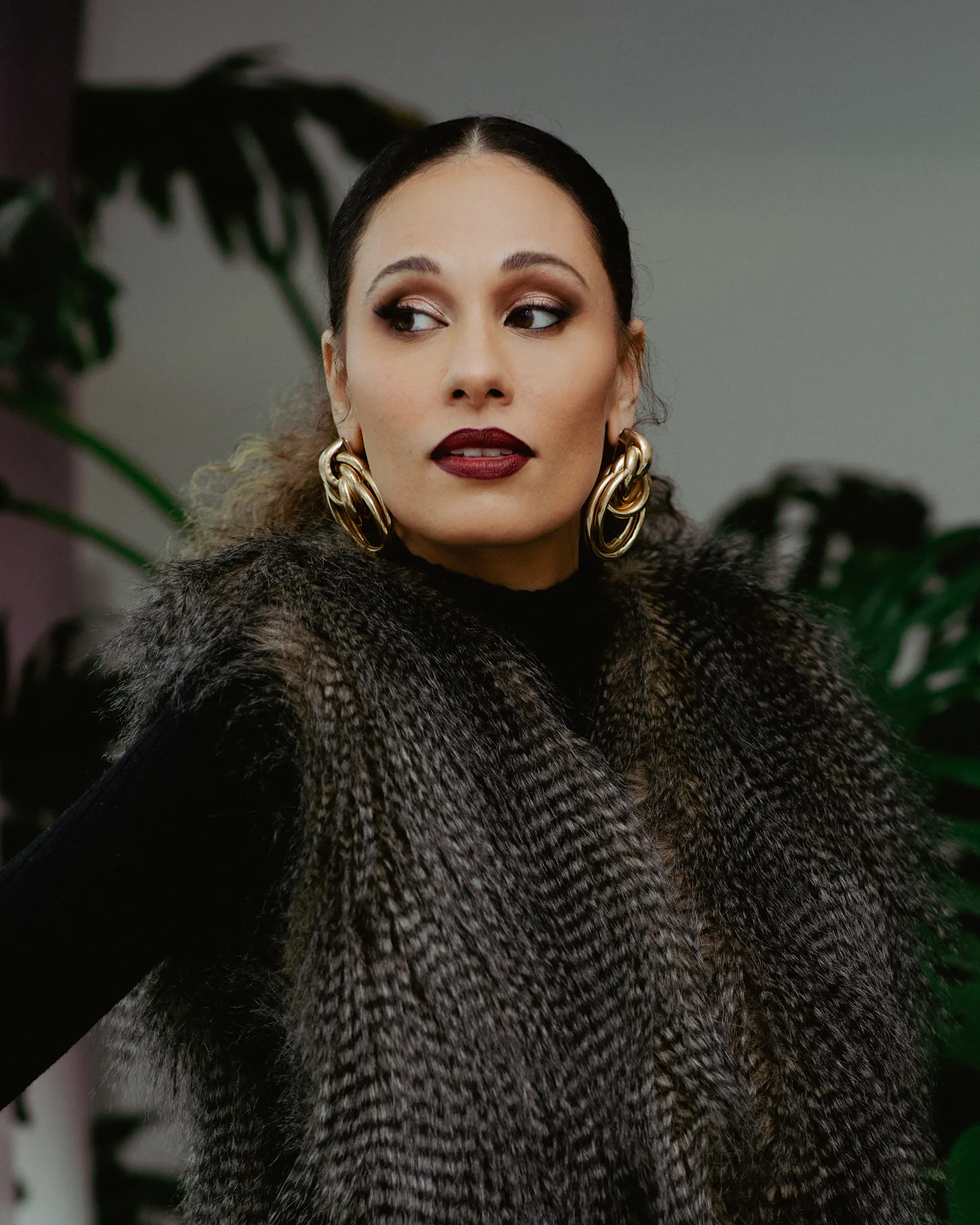
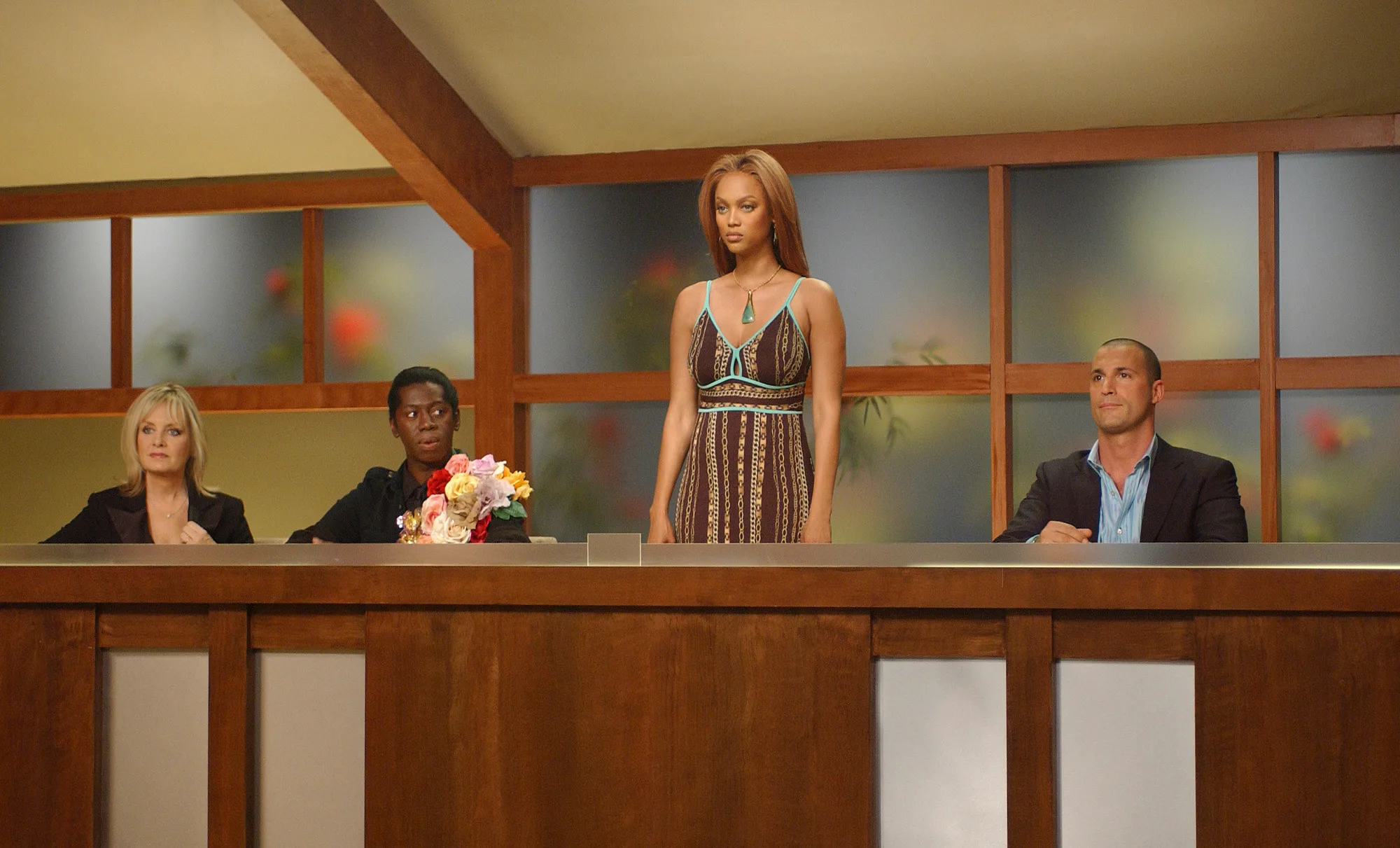
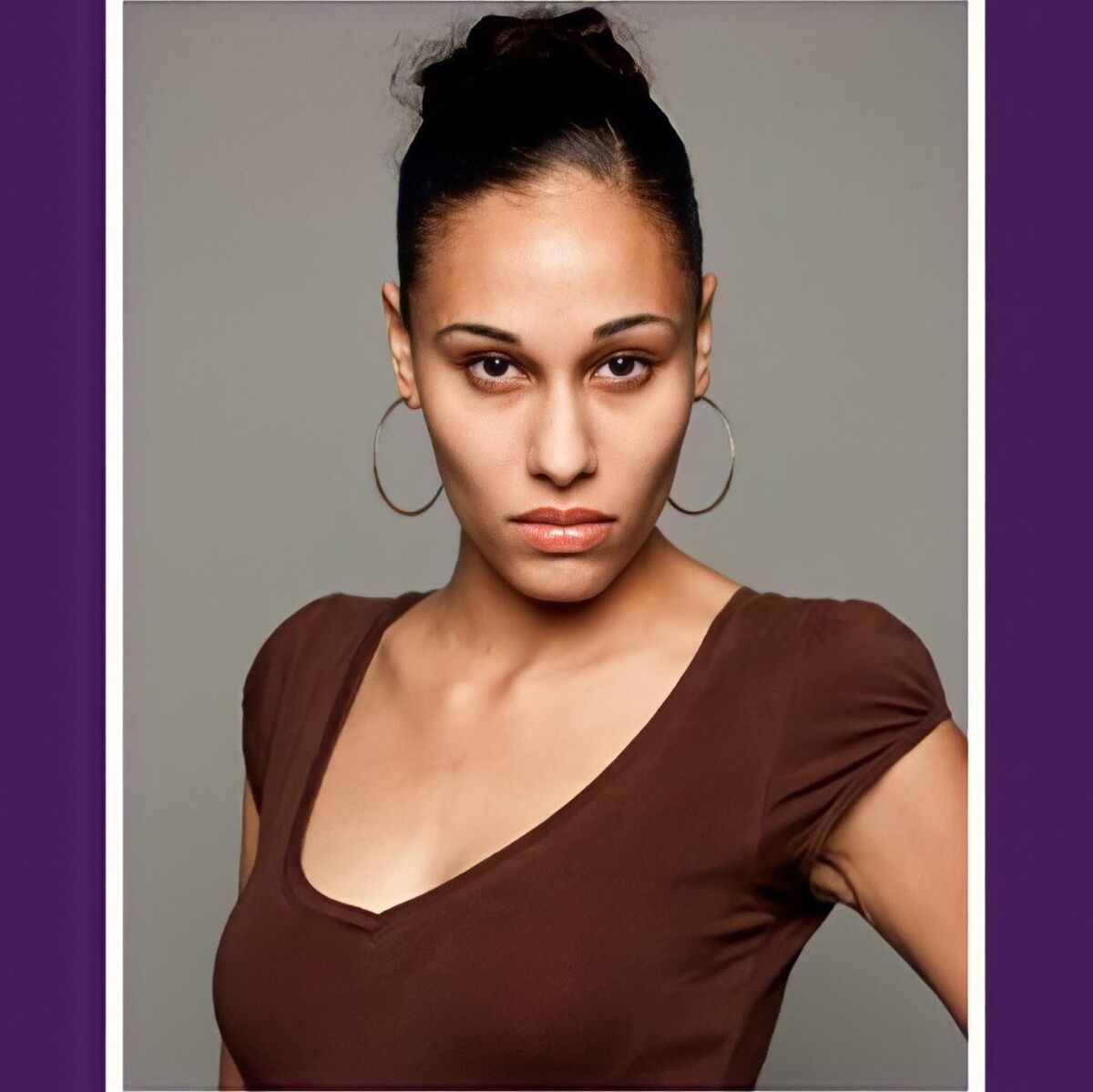
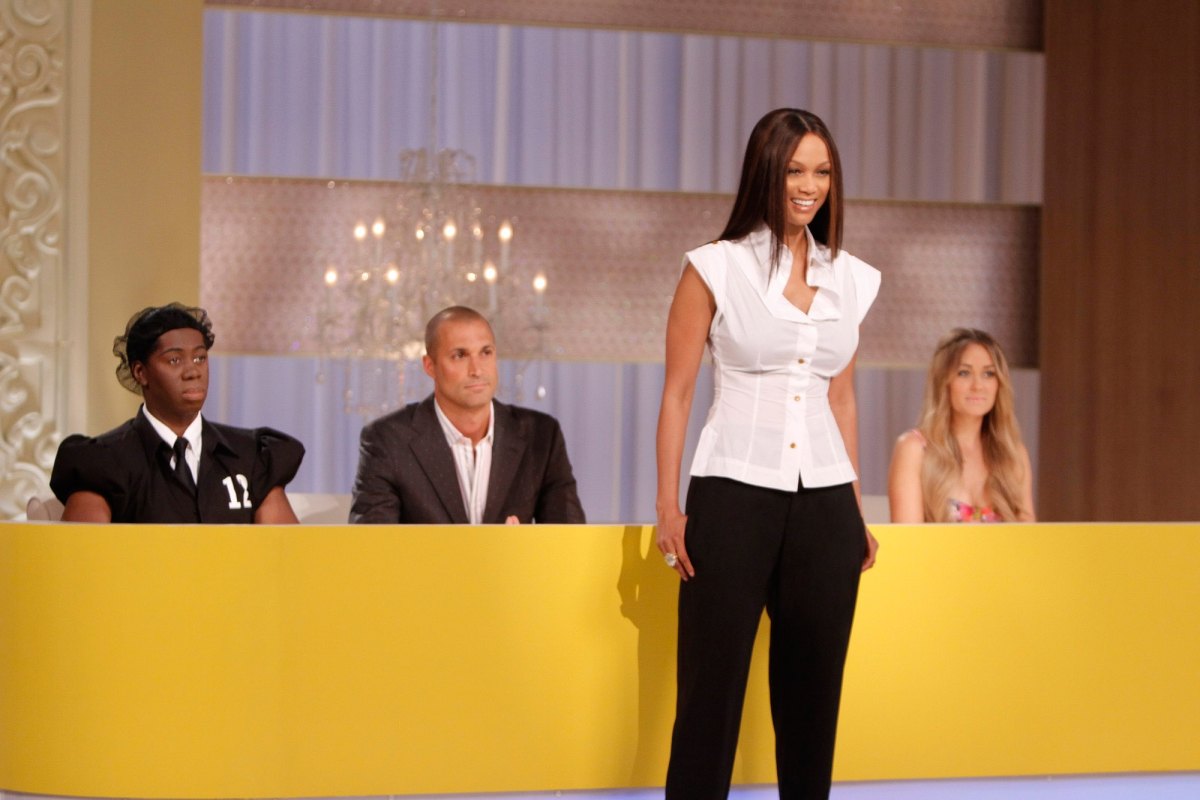
Angelea Preston’s journey on America’s Next Top Model (ANTM) stands as one of the most tumultuous and legally complex chapters in reality television history. Disqualified from the All-Star cycle after initially being crowned the winner, Preston later filed a massive lawsuit against network executives, production companies, and host Tyra Banks. This comprehensive analysis breaks down the timeline of events, the rules of the modeling competition, the disclosure of her past escort work, and the legal fallout that ultimately reshaped reality television contracts.
The Rise of Angelea Preston on America's Next Top Model
To understand the controversy, one must first look at Angelea Preston's trajectory within the America’s Next Top Model franchise. Preston originally competed in Cycle 14, where her sharp personality, dramatic confessionals, and raw modeling potential made her a breakout star. Though she did not win Cycle 14—finishing in the top three—her memorable presence earned her an invitation back for Cycle 17, subtitled All-Stars, which aired in the fall of 2011 on The CW.
The All-Star cycle brought back fan favorites and memorable contestants from previous seasons to compete for a career-defining prize package. Preston competed fiercely throughout the season, showcasing a transformed look and a determined attitude. In the finale, she stood alongside fellow contestants Allison Harvard and Lisa D'Amato. When the judges made their final deliberations, Preston was declared the winner of Cycle 17, securing the grand prize, which included a fashion spread in Vogue Italia, a contract with CoverGirl cosmetics, and a management deal.
However, viewers tuning in to watch the finale noticed an abrupt and bizarre pivot. Instead of celebrating Preston's victory, the network aired a hastily edited conclusion. Lisa D'Amato was suddenly declared the winner, and Preston was entirely edited out of the closing scenes as if she had never won the competition. For years, fans and media outlets speculated wildly about why a newly crowned winner was stripped of her title post-production without a clear, on-air explanation from the network.
The Disqualification and Escort Work Controversy
The truth behind Angelea Preston's sudden disqualification emerged not from the network, but through investigative reporting and later legal filings. During the production of Cycle 17 and shortly after taping wrapped, network and production compliance teams discovered that Preston had engaged in past sex work, specifically working as an escort prior to her return for the All-Star season.
In the highly regulated world of network television and corporate brand sponsorships—especially major beauty campaigns like CoverGirl—contestants and winners are typically bound by strict moral clauses and code-of-conduct guidelines. Production companies argued that Preston’s undisclosed past employment violated these contractual terms, which were designed to protect the corporate image of sponsors.
Upon uncovering this history, The CW and production company Pottle Productions (alongside Bankable Productions) made the decision to strip Preston of her title, retap the finale sequence with runner-up Lisa D'Amato, and scrub Preston’s win from the official broadcast history. At the time, Preston was bound by extensive non-disclosure agreements (NDAs) that prevented her from publicly discussing the real reason for her disqualification, leaving her silent while rumors swirled across internet message boards and fan communities.
The Landmark Lawsuit Against Tyra Banks and Production Companies
The controversy escalated dramatically in 2014 when Angelea Preston filed a multi-million-dollar lawsuit against CBS, The CW, production companies, and show creator Tyra Banks. Filed in a New York court, Preston’s legal complaint sought millions in damages for breach of contract, emotional distress, and unfair labor practices.
Preston’s legal arguments brought several dark aspects of reality television production into the public spotlight. Her primary claims and grievances included:
- Unfair Disqualification: Preston argued that production staff were well aware of her past before or during the filming of Cycle 17, or that the rules regarding her past were applied unfairly and punitively.
- Severe Psychological Distress: The lawsuit detailed the intense psychological toll of being stripped of a life-changing victory after enduring grueling competition conditions.
- Coercive Non-Disclosure Agreements: Preston claimed that production utilized overly restrictive NDAs to silence her regarding the circumstances of her removal, effectively damaging her personal and professional reputation without allowing her to defend herself.
- Exploitative Working Conditions: Like many reality television lawsuits of that era, the complaint touched upon the lack of labor protections, low compensation, and intense psychological pressure placed on contestants.
Summary of Legal Claims and Resolution
| Legal Aspect | Plaintiff's Claims (Angelea Preston) | Defense / Network Response | Final Outcome / Status |
|---|---|---|---|
| Breach of Contract | Promised the grand prize and fulfillment of promotional contracts after winning Cycle 17. | Conduct violated standard moral clauses tied to corporate sponsorship requirements. | Dismissed/Settled out of court under confidential terms. |
| Defamation & Silence | Unjustly smeared and silenced through restrictive non-disclosure agreements. | NDAs protect proprietary production information and brand integrity. | Confidential settlement reached in 2018. |
| Damages Sought | $3 million in monetary compensation for lost earnings and emotional distress. | Claims were legally baseless under standard reality TV arbitration clauses. | Terms sealed; lawsuit dismissed by mutual agreement. |
The Aftermath and Impact on Reality Television Standards
The legal battle waged by Angelea Preston dragged on for several years before reaching a resolution in late 2018, when the lawsuit was ultimately dismissed following a confidential out-of-court settlement. While the exact financial terms of the settlement remain undisclosed, the case left a permanent mark on how reality television productions handle contestant vetting, moral clauses, and the treatment of participants.
In the years following her legal battle, Preston spoke out intermittently about her experiences, highlighting the immense pressure placed on reality TV contestants and the disparity between network profits and participant compensation. Her case became a frequently cited precedent in discussions surrounding the exploitation of reality show contestants, many of whom lacked union representation or adequate legal counsel when signing complex participant agreements.
Furthermore, the controversy forced networks to re-evaluate how they vet returning contestants for all-star formats. The requirement for transparency between contestants and production regarding personal histories became much stricter, while legal teams refined moral clauses to explicitly cover past activities that could jeopardize corporate sponsorships.
Frequently Asked Questions
Why was Angelea Preston disqualified from America's Next Top Model?
Angelea Preston was disqualified because production executives discovered she had worked as an escort prior to competing on Cycle 17. Network executives and sponsors argued this violated the moral clauses and code-of-conduct guidelines tied to the grand prize packages, such as the CoverGirl contract.
Who won Cycle 17 of America's Next Top Model instead of Angelea?
After Preston was disqualified, production hastily retaped the final judging sequence. Lisa D'Amato, who originally placed in the top three alongside Preston and Allison Harvard, was declared the winner of the All-Star cycle.
Did Angelea Preston win any money from her lawsuit against Tyra Banks?
Preston filed a $3 million lawsuit against the network, production companies, and Tyra Banks in 2014. The legal battle concluded in 2018 with a confidential out-of-court settlement, meaning the exact financial terms and details of the agreement were never made public.
How did the controversy impact reality television production?
The controversy highlighted the restrictive nature of reality TV non-disclosure agreements and moral clauses. It prompted greater scrutiny regarding how networks vet contestants, treat returning all-stars, and manage the psychological and professional aftermath of sudden disqualifications.
Is Angelea Preston still involved in modeling?
Following the controversy and the resolution of her lawsuit, Preston stepped away from mainstream commercial modeling. She has occasionally shared updates regarding her personal life and business ventures, focusing on moving past the reality television chapter of her career.
Next Actions and Recommendations
For readers interested in the structural history of reality television and labor rights in the entertainment industry, examining legal analyses of participant contracts offers deeper insight. Researching the evolution of reality TV unions and the advocacy work surrounding participant welfare provides a clearer picture of how protections have changed since Cycle 17 aired in 2011.