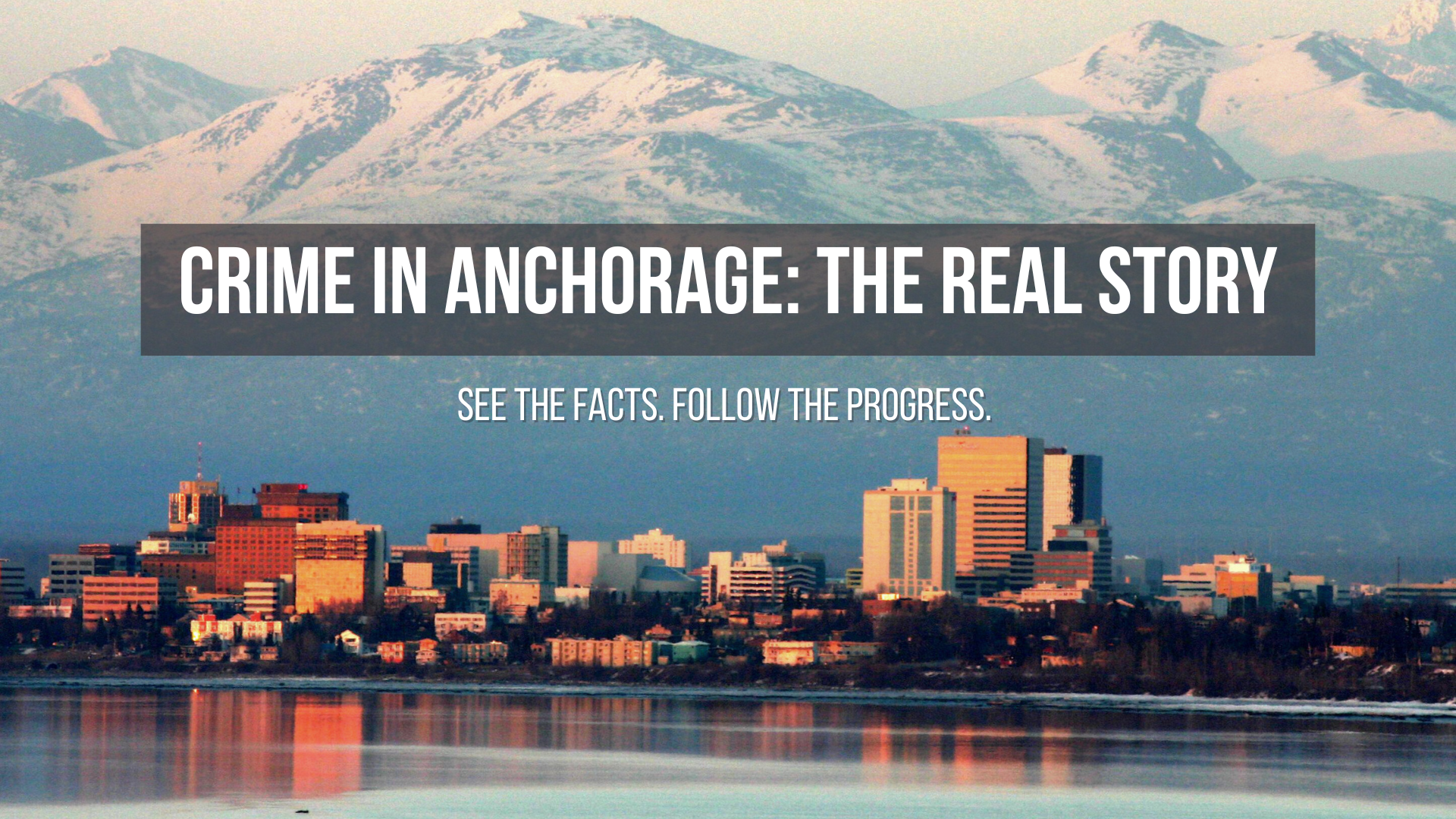
Anchorage, Alaska exhibits crime rates significantly above the United States national average, marked by elevated levels of both violent and property crime. These statistics are driven by a combination of geographic isolation, high rates of substance abuse, law enforcement staffing constraints, acute economic shifts, and Anchorage's role as a regional healthcare and judicial hub for rural Alaska.
Disclaimer: This analysis provides statistical and contextual public safety information for educational purposes. It does not constitute formal legal advice, criminological expert testimony, or real estate recommendations.
Understanding Anchorage's Crime Rate: The Statistical Picture
Evaluating crime in Anchorage requires examining standardized data models established by federal and state law enforcement authorities. The Federal Bureau of Investigation (FBI) tracks criminal activity through the National Incident-Based Reporting System (NIBRS) and Uniform Crime Reporting (UCR) program, measuring offenses per 100,000 residents to allow standard comparisons across municipalities regardless of population size.
Anchorage consistently ranks higher than the national average across major violent and property crime categories. While national violent crime averages typically hover around 350 to 400 incidents per 100,000 residents annually, Anchorage's violent crime rate frequently doubles or triples that baseline. Property crime rates follow a similar trend, exceeding national benchmarks due to distinct environmental, economic, and logistical conditions unique to Southcentral Alaska.
- Anchorage Statistical Overview (UCR/NIBRS)
- Violent Crime Rate: ~2.5x to 3x National Average
- Property Crime Rate: ~1.5x to 2x National Average
- Primary Factors: Substance Abuse, Hub Dynamics, Staffing
Statistical totals can obscure critical nuances. A substantial portion of recorded violent offenses involves individuals with prior relationships or domestic connections rather than random street violence. Understanding these statistical breakdowns helps distinguish overall community safety from localized risk factors.
Key Drivers Behind Anchorage's High Crime Statistics
The factors shaping Anchorage’s crime numbers extend beyond traditional urban crime models. As Alaska’s largest municipality—housing nearly 40% of the state's total population—Anchorage concentrates social, logistical, and economic challenges unique to the Far North.
Geographic Isolation and Healthcare Limitations
Alaska's vast geography isolates Anchorage from lower-48 supply chains and administrative networks. More importantly, Anchorage functions as the primary medical, social service, and judicial hub for unorganized boroughs and remote bush villages throughout the state. Individuals traveling to Anchorage for specialized medical care, substance abuse treatment, or legal proceedings frequently face housing instability or lack long-term support systems upon arrival.
When social safety nets fail or institutional support ends, vulnerable populations often remain in Anchorage without the resources required to return to their home communities. This concentration of unhoused and vulnerable individuals in a cold-climate urban environment directly correlates with higher rates of opportunistic theft, trespassing, and personal conflicts.
Substance Abuse and Mental Health Challenges
Substance use disorders—particularly involving alcohol, methamphetamines, and synthetic opioids like fentanyl—remain primary contributors to crime statistics across Alaska. The state consistently reports high rates of heavy alcohol consumption and illicit drug distribution per capita, which directly fuels both violent and property crime categories.
- Violent Crime: Alcohol and drug intoxication are frequently cited in police reports involving physical assault, domestic disputes, and homicide.
- Property Crime: Property offenses, including shoplifting, vehicle break-ins, and residential burglaries, are largely driven by individuals seeking funds or goods to support addiction.
The demand for behavioral health services in Anchorage continuously outpaces local bed capacity and provider availability, leaving critical gaps in immediate mental health crisis response.
Law Enforcement Staffing and Jurisdictional Dynamics
The Anchorage Police Department (APD) maintains primary municipal law enforcement jurisdiction, supported by the Alaska State Troopers for regional highway and surrounding unorganized areas. APD faces persistent challenges with officer recruitment, retention, and workload management across a massive geographical area spanning over 1,700 square miles (including mountainous and wilderness parklands).
Lower officer-to-resident ratios limit proactive community policing capabilities, forcing law enforcement agencies to focus primarily on reactive emergency response. Reduced police visibility in commercial corridors and residential areas can lower deterrence levels for property crime and lower-level offenses.
Anchorage Crime Data Breakdown: Categorical Comparison
To clarify how different criminal activities manifest within the municipality, the table below breaks down primary crime categories, their statistical prevalence relative to national standards, primary drivers, and typical operational context.
| Crime Category | Prevalence Relative to U.S. Baseline | Primary Contributing Factors | Typical Operational Context |
|---|---|---|---|
| Aggravated Assault | Significantly Above Average | Alcohol/substance intoxication, domestic conflicts | Private residences, night-life districts, unhoused encampments |
| Sexual Assault | Exceptionally Above Average | Vulnerability in remote settings, domestic dynamics, delayed reporting | Private residences, isolated public areas |
| Motor Vehicle Theft | High Above Average | Winter vehicle idling ("warm-up thefts"), key storage | Residential driveways, apartment parking structures, retail centers |
| Larceny-Theft | Moderate to High | Retail theft, opportunism, property left unsecured | Commercial stores, vehicles parked at trailheads, yard spaces |
| Burglary | Slightly Above Average | Drug-seeking activity, vacant properties | Residential garages, commercial storage units, shed structures |
| Homicide | Varies Annually (Elevated) | Targeted disputes, drug trade activities, severe domestic abuse | Concentrated within specific interpersonal networks |
Violent Crime vs. Property Crime: Perception vs. Local Reality
Analyzing public safety in Anchorage requires distinguishing between violent offenses and property crimes, as each impacts residents and visitors differently.
Domestic Violence and Known-Acquaintance Dynamics
Alaska historically reports some of the highest rates of sexual assault and domestic violence in the United States, figures tracked rigorously by the Alaska Department of Public Safety. In Anchorage, data indicates that the overwhelming majority of violent crimes occur between individuals who know one another—spouses, domestic partners, acquaintances, or participants in illicit commerce.
- Anchorage Violent Crime Dynamics
- Known Acquaintances / Domestic Dynamics (~80% - 90% of Cases)
- Domestic Disputes
- Substance-Fueled Conflicts
- Interpersonal Retaliation
- Random Street Violence (~10% - 20% of Cases)
- Robbery / Mugging
- Bystander Incidents
- Targeted Theft
- Known Acquaintances / Domestic Dynamics (~80% - 90% of Cases)
While random street violence or unprovoked muggings do occur, they represent a smaller fraction of overall violent crime metrics. However, high violent crime rates still create widespread safety concerns and shape public perception across the city.
Opportunistic Property Crime and Vehicle Theft
Property crime affects a broader segment of the population daily. Cold weather creates unique vulnerabilities for vehicle theft: during severe winter months, residents frequently leave vehicles running unattended to warm up engines—a practice known locally as "puffing." Unlocked, running vehicles account for a high percentage of stolen auto reports across the Anchorage bowl.
Similarly, opportunistic theft targets visible equipment in vehicles, unlocked residential garages, commercial storage yards, and public trailheads. Property crime tends to spike near commercial corridors, transit centers, and areas with high foot traffic.
Neighborhood Dynamics and Regional Variations
Crime patterns vary significantly across the Anchorage municipality based on land use, density, socioeconomic infrastructure, and physical geography.
Downtown, Midtown, and East Anchorage
The urban core of Anchorage—encompassing Downtown, Midtown, and parts of East Anchorage (such as Mountain View and Russian Jack)—experiences higher rates of reported property crimes, commercial shoplifting, and public nuisance incidents.
- Downtown: Experiences increased calls for police service related to nighttime entertainment venues, public intoxication, and property crimes around commercial fronts.
- Midtown: Functions as a commercial and transport hub with high retail density, leading to higher rates of vehicle break-ins and commercial theft.
- East Anchorage: Houses denser residential areas and high-volume commercial corridors. Certain sections record higher rates of police responses for violent disputes and domestic calls compared to lower-density neighborhoods.
South Anchorage, Eagle River, and Girdwood
Conversely, outer neighborhoods present lower crime rates per capita, though they remain vulnerable to opportunistic property theft.
- South Anchorage & Hillside: Characterized by low-density residential zoning, higher average household incomes, and lower overall crime rates. The primary public safety concern in these areas is vehicle rifling and burglary of remote properties.
- Eagle River & Chugiak: Located north of the main Anchorage bowl, these suburban communities report low violent crime rates, with safety metrics aligning more closely with suburban national averages.
- Girdwood: A resort community located south of Anchorage along the Turnagain Arm, Girdwood records very low violent crime statistics, though it experiences seasonal spikes in property theft linked to tourism and recreational activities.
Practical Safety Practices for Residents and Visitors
Addressing public safety in Anchorage requires adopting risk-mitigation strategies designed for local environmental and community conditions.
Property and Vehicle Security Measures
- Eliminate Idle Warming ("Puffing"): Never leave an unattended vehicle running with the keys inside. Use remote starters that lock ignition and doors automatically if warming a vehicle during winter.
- Clear Vehicle Contents: Do not leave electronics, outdoor gear, firearms, or bags visible inside parked vehicles, particularly at hiking trailheads like Flattop Mountain or Glen Alps.
- Secure Storage Facilities: Lock detached garages, sheds, and outdoor storage units with heavy-duty padlocks or integrated alarm sensors. High-value outdoor recreation equipment (e.g., fat-tire bikes, skis, camping gear) should be locked indoors.
- Install Perimeter Lighting: Outdoor motion-sensor lighting around residential entryways and driveways deters property crimes during long winter nights.
- Property Security Checklist for Alaska
- Remote Start Installed (No unattended keys in ignition)
- Trailhead Parking: All valuables removed from cabin/trunk
- Outdoor Gear: Bikes/Skis secured inside locked structures
- Winter Lighting: Motion sensors active during dark winter hours
Navigating Public Spaces Safely
- Exercise Caution in Isolated Areas: Avoid walking alone through unlit parks, greenbelts, or coastal trail sections late at night.
- Maintain Awareness in Commercial Districts: Remain aware of surroundings when visiting 24-hour retail centers, transit hubs, and downtown nightlife areas.
- Prepare for Wildlife Interactions: Public safety in Anchorage extends beyond human crime. Moose and bear encounters are common along urban trails and greenbelts; carry bear spray and maintain distance from urban wildlife.
Accessing Local Public Safety Resources
Residents and visitors seeking current statistics, incident reporting, or community alerts should consult official public safety channels:
- Emergency Services: Dial 911 for immediate threats to life or active crime in progress.
- Anchorage Police Non-Emergency: Contact 311 (or 907-786-8900) to file reports on property theft, vandalism, or non-urgent matters.
- Online Crime Reporting: APD maintains a self-reporting system via the City of Anchorage Official Portal for minor property crimes without immediate suspect information.
- Victim Advocacy Services: Organizations such as the Alaska Network on Domestic Violence and Sexual Assault provide crisis intervention, legal advocacy, and safe shelter access across Alaska.
Frequently Asked Questions
Is Anchorage safe for tourists and visitors?
Yes, Anchorage is generally safe for tourists who take standard travel precautions. Most violent crime occurs within specific interpersonal networks rather than targeting visitors. Tourists should lock vehicles, secure luggage out of sight at trailheads and hotel lots, stay aware of surroundings in downtown districts late at night, and take standard precautions for urban wildlife encounters.
Why is the violent crime rate in Anchorage so high?
Anchorage's violent crime rate is driven by elevated rates of sexual assault, aggravated assault, and domestic violence. These figures are influenced by systemic substance abuse challenges, insufficient behavioral health resources, economic stressors, and Anchorage's role as a regional hub for individuals coming from remote communities across Alaska without housing or support systems.
How does winter weather impact crime rates in Anchorage?
Winter weather shifts crime patterns in distinct ways. Property crime often involves cold-weather vulnerabilities, such as motor vehicle theft from unattended cars running to warm up ("puffing"). While outdoor foot traffic drops during severe cold, extended periods indoors and holiday stressors can lead to spikes in domestic disturbance calls.
What is the most common crime reported in Anchorage?
Property crimes—specifically larceny-theft, motor vehicle theft, and vehicle break-ins—represent the highest volume of reported offenses in Anchorage. Theft of unattended outdoor equipment, vehicle contents, and commercial retail goods make up the majority of daily police service calls.
Recommended Next Actions
To maintain personal safety and stay informed on public safety conditions in Anchorage, consider the following next steps:
- Subscribe to Community Alerts: Sign up for local public safety notifications through Nixle or APD community updates to receive real-time notices about police activity and neighborhood safety alerts.
- Review Home and Vehicle Security: Audit your personal property security by installing motion-activated lighting, securing outbuildings, and adopting safe winter vehicle warming practices.
- Consult Official Crime Maps: Track recent neighborhood incident reports using verified crime mapping tools hosted on the Anchorage Police Department portal before relocating or purchasing real estate in Southcentral Alaska.